By Sohini Chakrabarti | Fellow
Continuing Efforts to Make Quality Education Accessible Despite the Pandemic
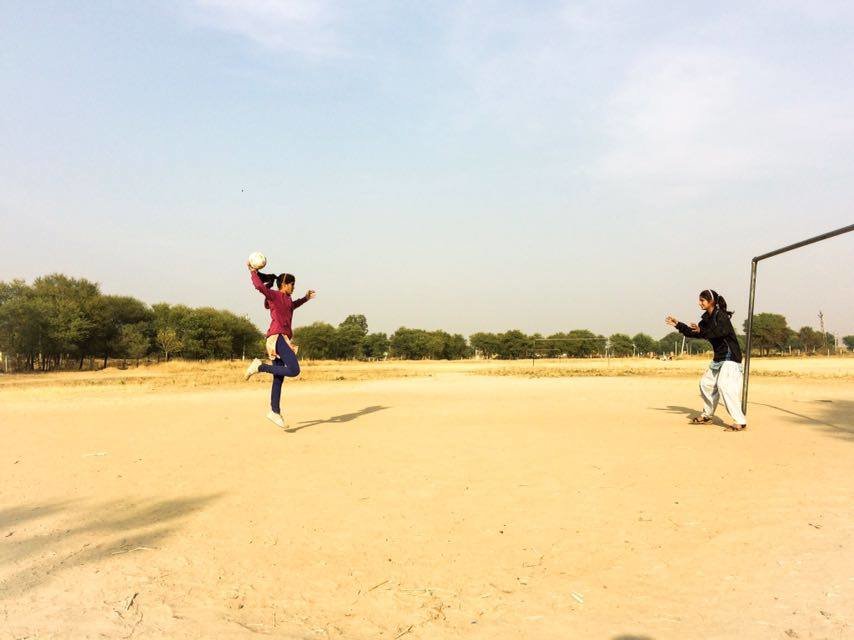
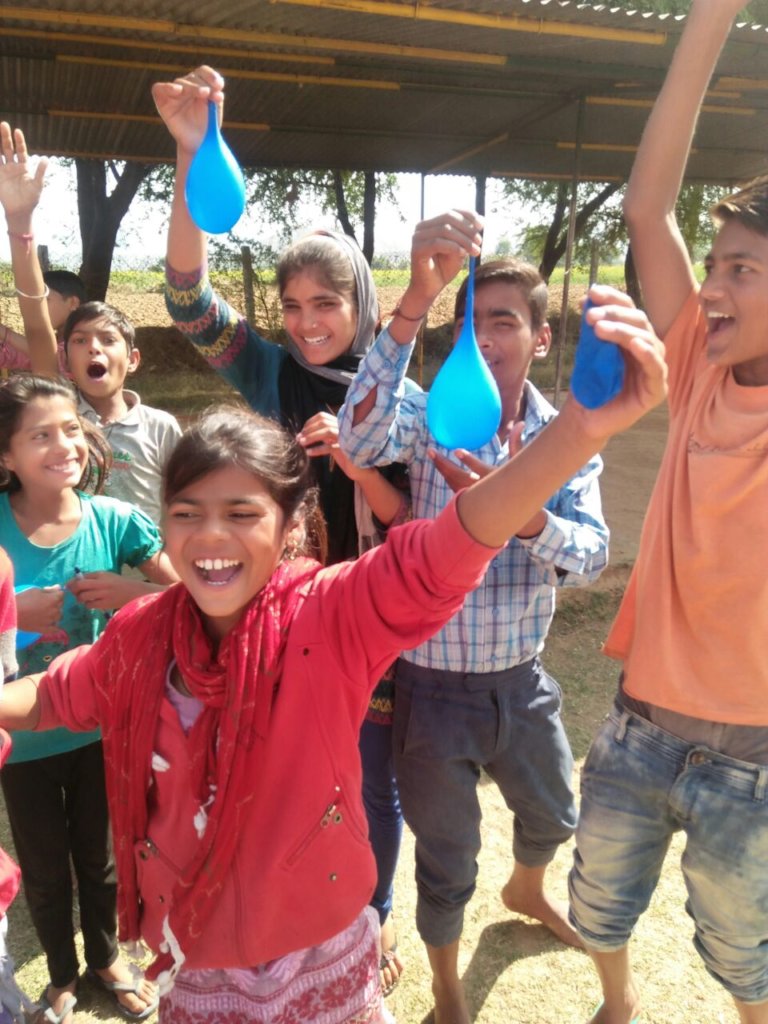
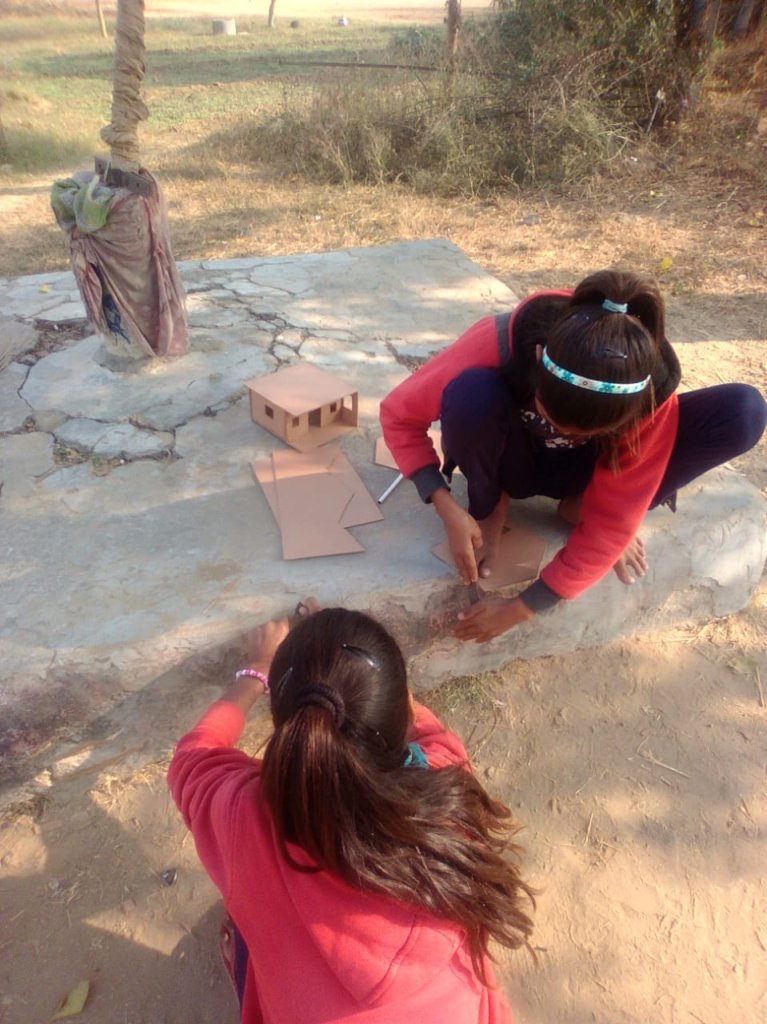
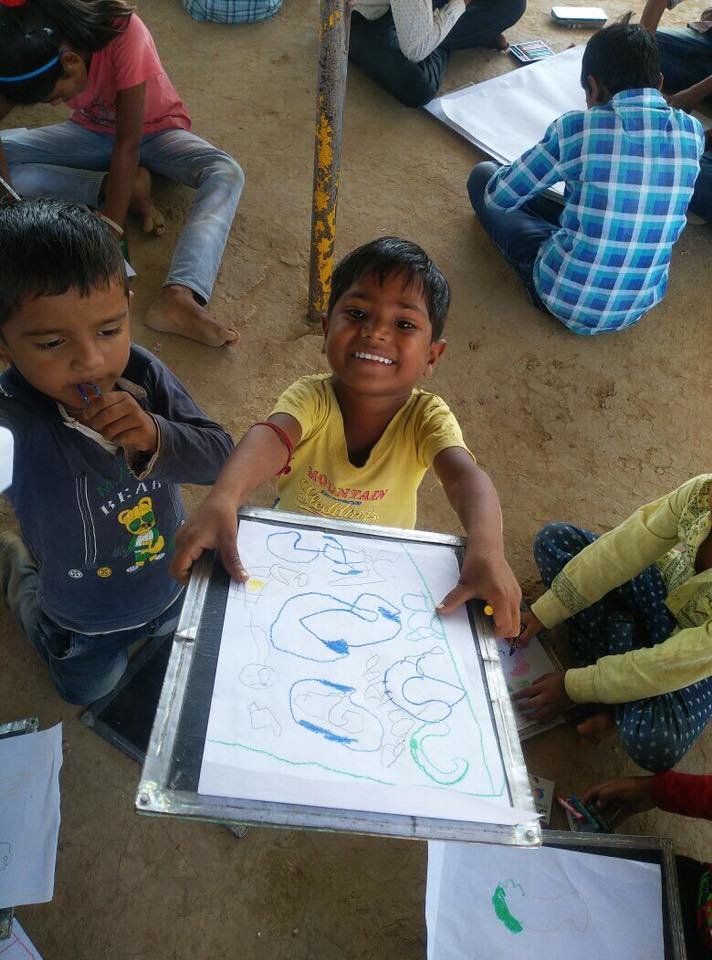
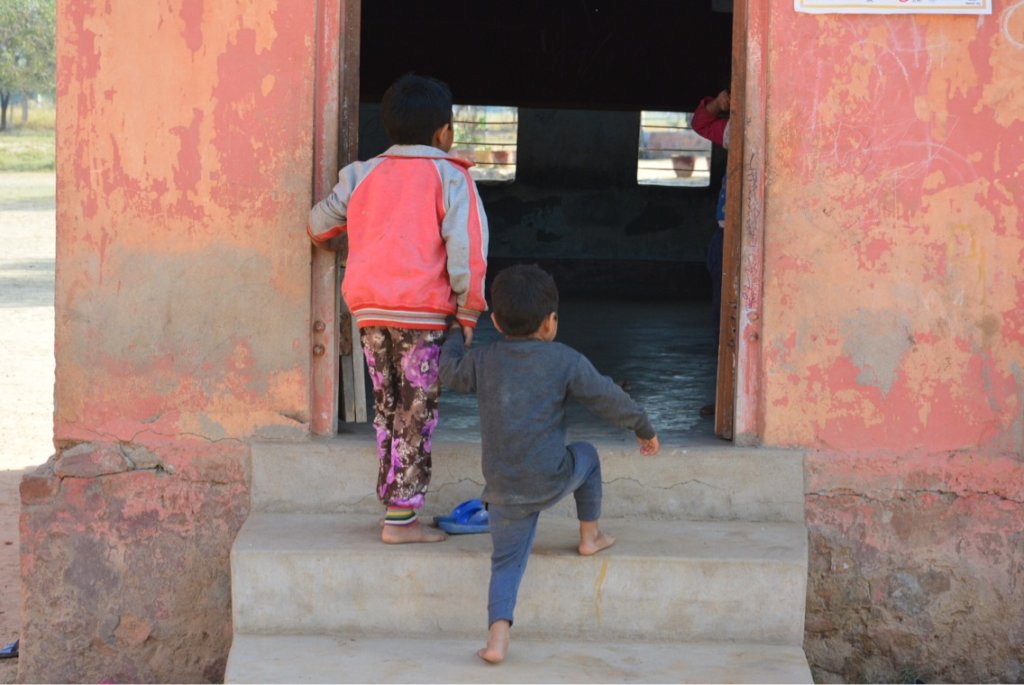
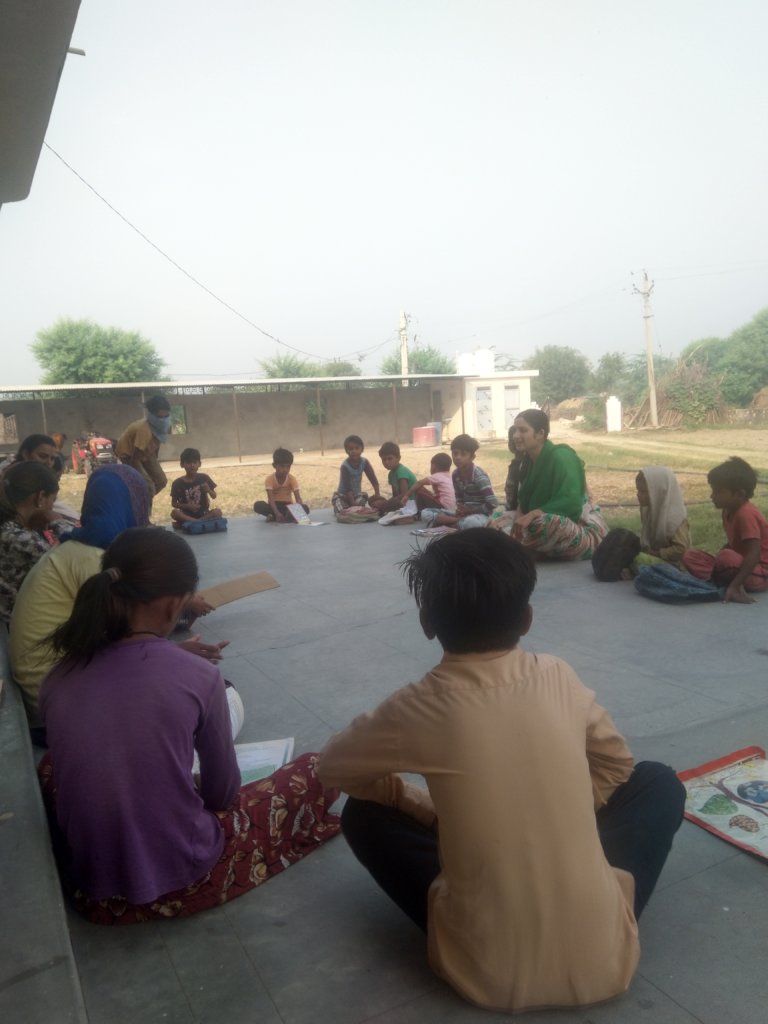
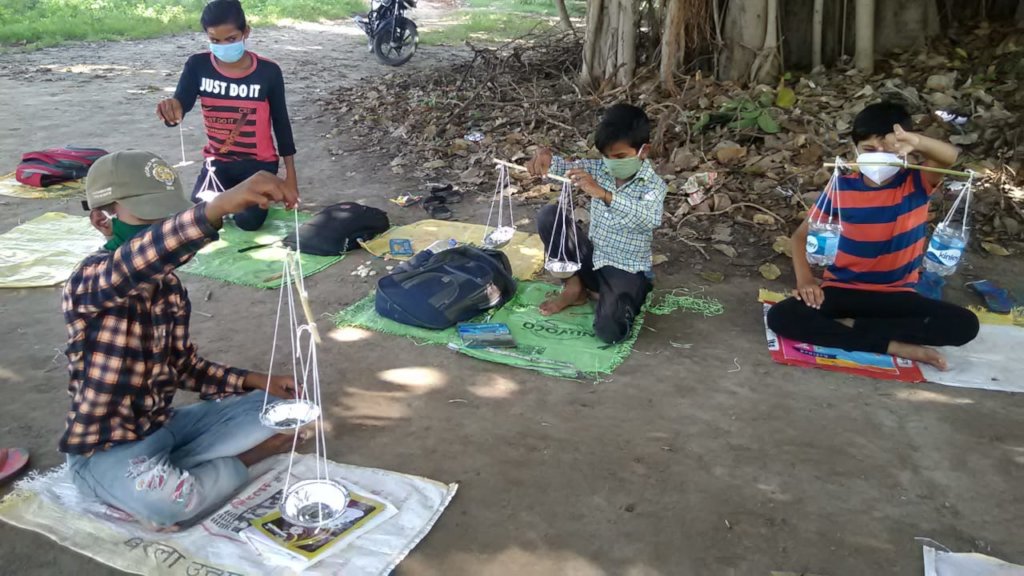
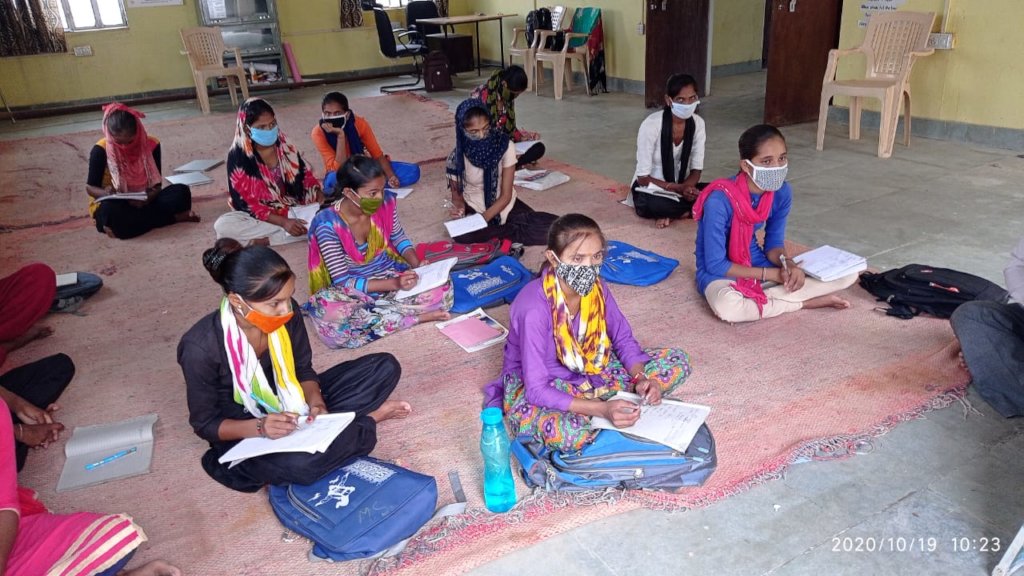
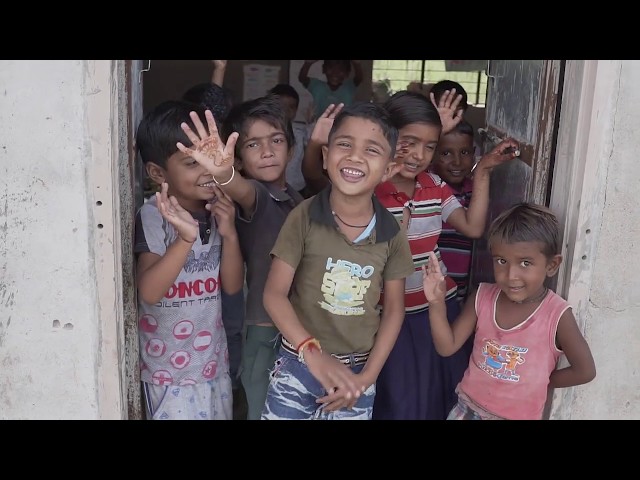
The community learning centres set up across villages in the catchment area of our three Uday Schools to compensate for schools being closed, are being diligently maintained- with the teachers providing a space for students to learn, play and socialize every morning. GSK's promotion of self-exploration, creative expression and critical thinking are rooted in its commitment to quality child-centric education. It is, therefore, that along with classroom learning, students engage in an array of fun activities, ranging from creative work for the bi-monthly magazine to understanding concepts through experiential projects such as maintaining kitchen gardens at their homes, planning their own restaurant ventures, personalizing their identity cards, conducting census surveys in their communities, etc.
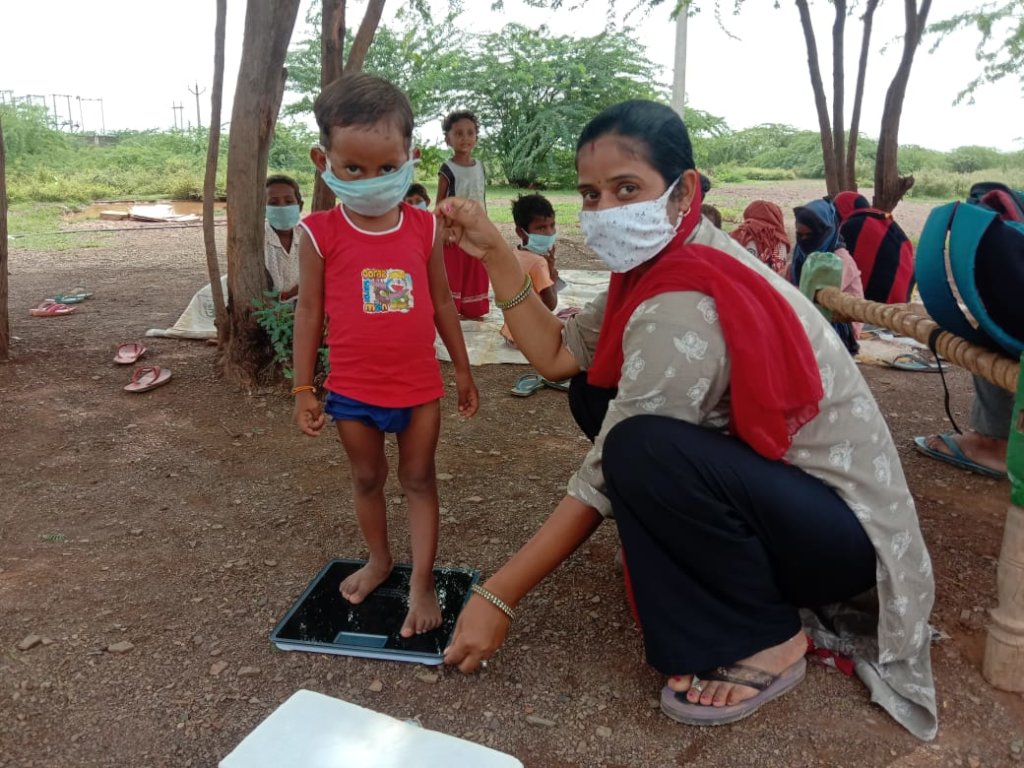
The Uday Samudayik Pathsalas and two government anganwadis of Fariya and Kataar comprise the early childhood education spaces for children aged 3-6 years. Here, teachers work closely with parents, especially mothers, to engage the young ones in activities that aid their motor and cognitive skills, and psycho-social development, through easy-to-comprehend assignments for parents to carry out with their children at home. Parents, whom our teachers also educate on the nutritional requirements of the children, monitor their growth using WHO-recommended growth charts that indicate the level of stunting and wasting among children; to that end, anganwadi teachers and an Auxiliary Nurse Midwife have been involved as well.
‘Umang’- GSK’s Programme for Adolescent Girls
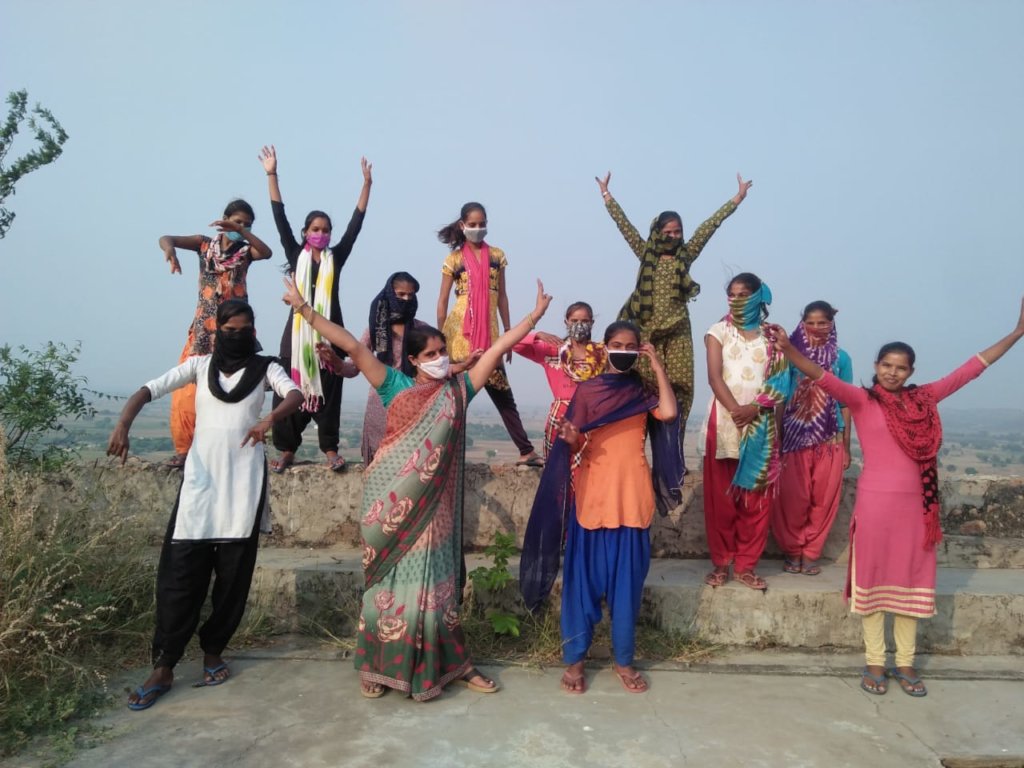
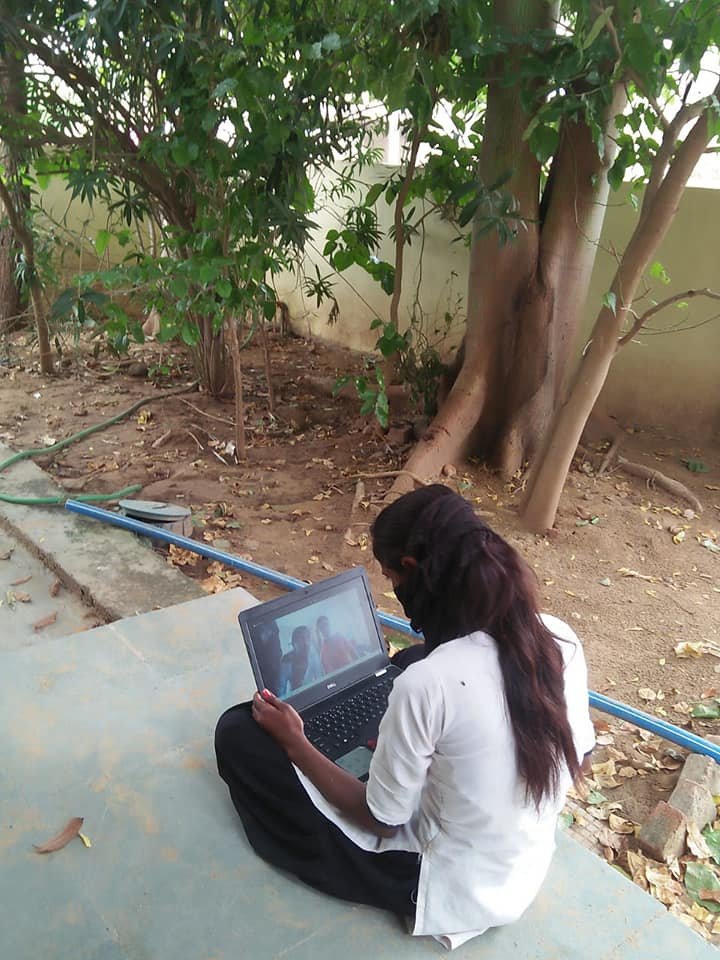
Special focus is on strengthening the academic and life skills, and thus the agency, of adolescent girls (recently passed grade VIII), who are highly susceptible to dropping out or being married off at an early age, especially now due to this COVID-induced break from schooling. The Umang programme has attempted to bridge this gap by supporting its cohort of 30 girls through learning-oriented tasks that can be done at home itself. An important aspect of the program is community meetings, primarily organised to encourage families to continue educating their girl children. Since the pandemic has prevented large gatherings, these have taken the form of conversations going door-to-door and in fields where parents work. Additionally, the cohort is undergoing digital literacy sessions to be equipped to use basic applications, such as those of Microsoft Office, and engage in activities, like surfing the internet, online shopping and video-calling.
Teachers’ Capacity-Building
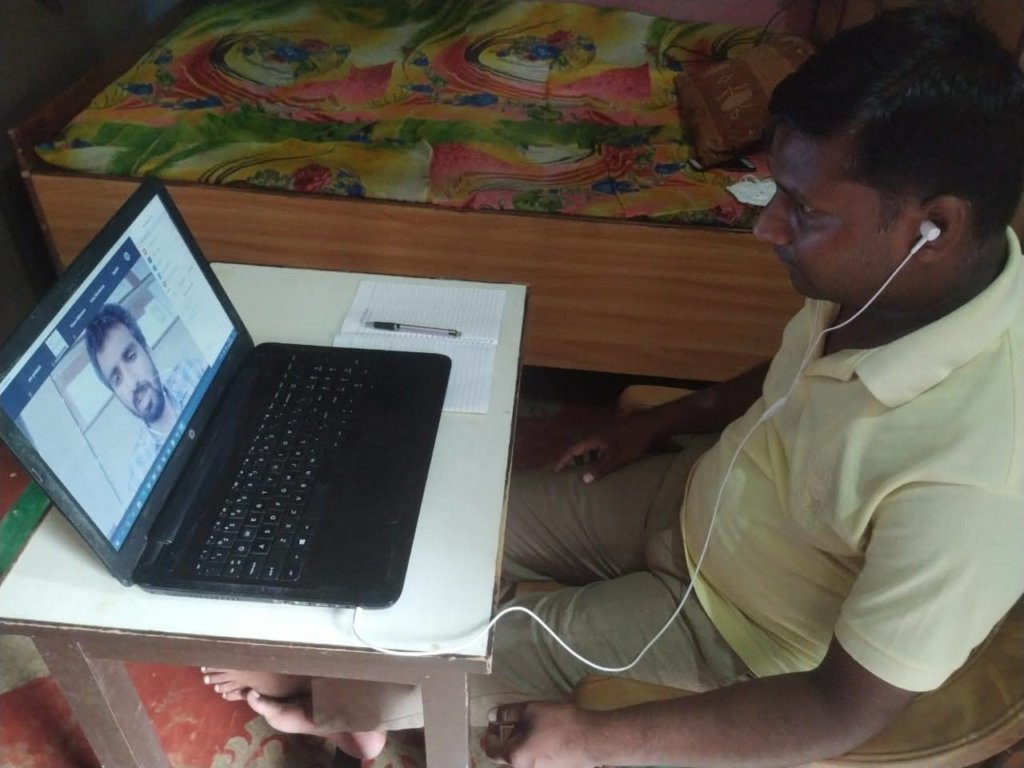
Efforts to develop vital life-skills in our students can only bear fruit if teachers are trained well to inculcate them in the learning process. While the digital model is not a viable and inclusive one for students, it has wonderfully facilitated the capacity-building initiatives for our teachers. Additionally, the English mentorship sessions ensure that the teachers across our schools and learning centres get support from our English resource teacher, and also help each other in lesson planning and execution.
Strengthening School Manangement Committees
Regular meetings of School Management Committees (SMCs) of government schools are crucial for holding authorities accountable to promised learning levels of children, performance of teachers and overall functioning of the school infrastructure. We work with the parents' community, which comprise these SMCs, to build their awareness and confidence for raising pertinent issues about their wards' education and demand solutions.
Engaging with Denotified and Nomadic Tribes
At present, we are engaging with five denotified tribal and nomadic communities in and around Sawai Madhopur- Gadiya Lohar, Moghia, Bhopa, Kanjar and Babri communities. This is primarily done through assessments to ascertain their lives and challenges, and to the determine academic levels of children. The aim is to design suitable need-based programs for the well-being and empowerment of these communities.
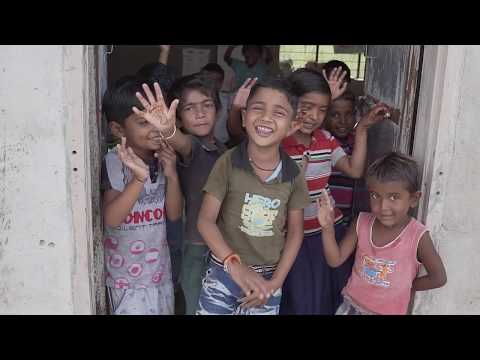
The Baori Basti in Sawai Madhopur is also occupied by socio-economically disadvantaged denotified tribes. Here, the persisting issues include water scarcity, constant tiffs with officials while acquiring ration, unsanitary conditions- exacerbated when the rains cause water-logging and overflowing sewage, unsteady income, lack of access to education and healthcare, helplessness during medical emergencies, malnutrition and alcoholism. Despite being considered a crucial vote-bank by political aspirants, and the community's needs being regularly articulated to the authorities, the necessary work is yet to be done. Apart from the distribution of ration during the lock-down and providing support in cases of medical emergencies, we have also begun to conduct study sessions filled with fun activities for the children in the community, to engage them in a structured learning environment.
Links:
Project reports on GlobalGiving are posted directly to globalgiving.org by Project Leaders as they are completed, generally every 3-4 months. To protect the integrity of these documents, GlobalGiving does not alter them; therefore you may find some language or formatting issues.
If you donate to this project or have donated to this project, you can receive an email when this project posts a report. You can also subscribe for reports without donating.