By Beatrice K | Project Coordinator
Today marks a new dawn for Pioneer Grade 9 students: their Kenya Junior Secondary Education Assessment (KJSEA) results were released on December 11, 2025, and they are preparing to join senior secondary schools in January. The announcement brought a mixture of celebration, relief, and sober reflection across families, classrooms, and the wider community. For many learners, the results validate months even years of dedication, late-night study sessions, committed mentorship, and the quiet sacrifices of caregivers. For others, the outcome is a starting point for renewed support and recalibrated plans. As a whole, the cohort’s performance is a mirror of the Educate & Empower a Student in Kenya project’s influence in Ruaraka’s informal settlements: tangible, nuanced, and promising.
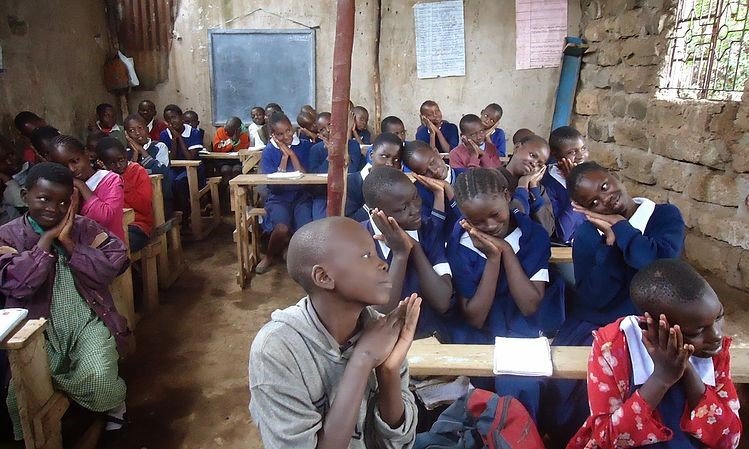
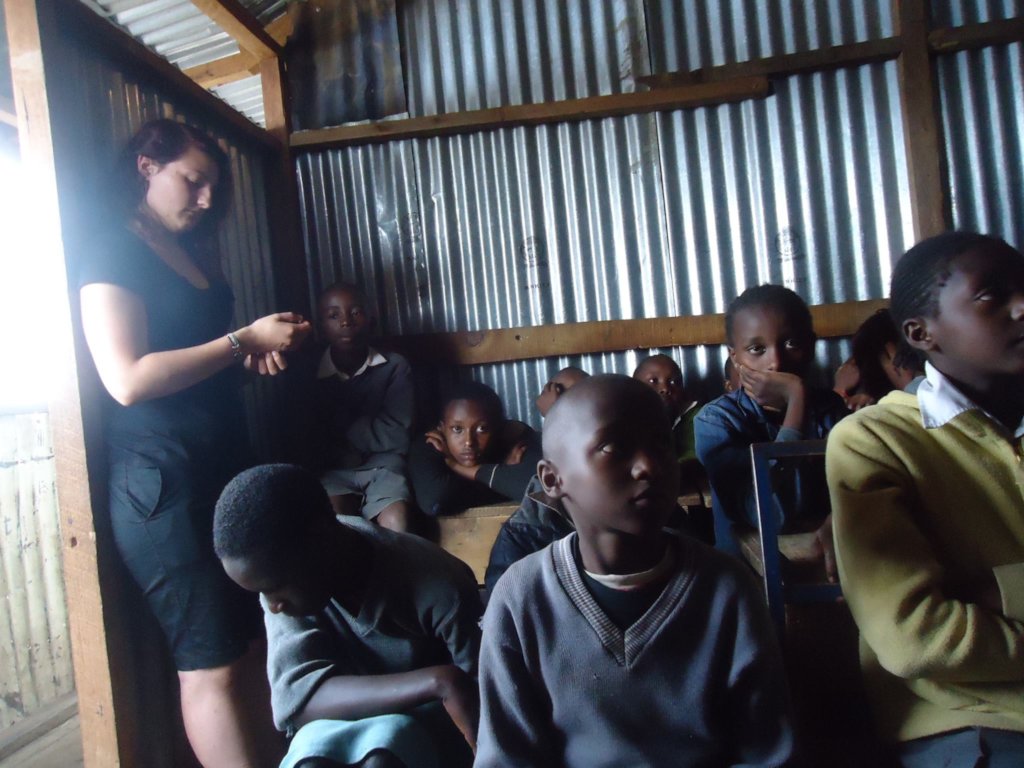
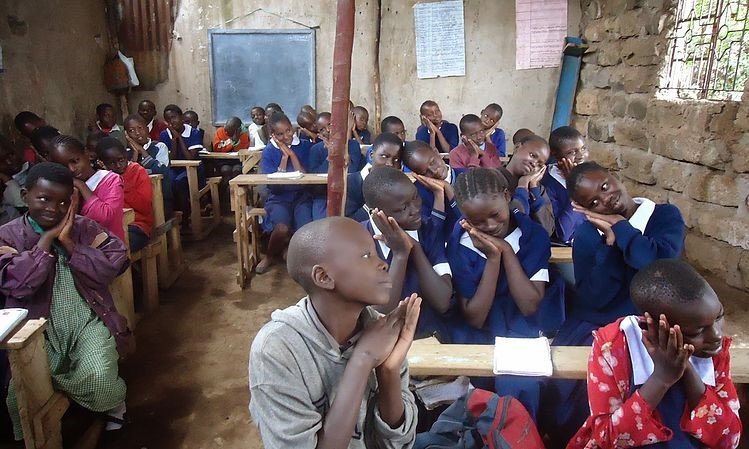
At the heart of this progress are the volunteer teachers and mentors who, in the last quarter of 2025, provided free daily teaching and weekly mentorship across six partner schools. Twelve volunteers worked directly with 184 identified students, supplementing classroom instruction with focused remedial support, exam preparation, and life-skills coaching. Their presence raised not only academic standards but also student confidence, attendance, and engagement. Where standardized assessments once highlighted low literacy and weak numeracy foundations, targeted interventions began to close gaps visible in higher test scores, improved reading fluency, and more active classroom participation. The KJSEA results reflect these gains: a notable proportion of students attained marks that qualify them for transition to senior secondary pathways they had previously considered out of reach.
Beyond scores, the project’s impact shows in quieter measurements: increased aspirations, strengthened teacher-student relationships, and restored parental hope. Students who once expressed doubt about continuing education now plot clear steps toward senior secondary, vocational options, or bridging programs. Mentorship sessions fostered resilience and goal-setting, teaching learners to view setbacks as temporary and surmountable. Parents and caregivers reported a renewed sense of agency; when children perform better and speak confidently about their future, households begin to see education as a realistic engine for change rather than an uncertain gamble.
However, progress has not been uniform. Program monitoring and assessments identified persistent resource shortfalls across partner schools. Despite volunteer efforts benefiting more than 300 needy students since 2025, many classrooms remain under-resourced with inadequate reading materials, insufficient learning aids, and limited access to supplementary practice tests. Assessments indicate that to sustain and scale gains, the project must remedy material shortages for over 500 students in 2025, a critical gap that threatens to blunt the long-term impact of instructional inputs. The KJSEA results thus serve two functions: they celebrate what volunteer-driven pedagogy has achieved, and they underline the constraints that still limit broader transformation.
Donor support and community partnership remain central to continuation and expansion. Progress made to date owes much to philanthropists and local partners whose resources enabled volunteer stipends, modest learning materials, and coordination across schools. Beneficiaries and volunteers alike expressed deep gratitude for this support at recent community feedback sessions. Still, scaling from pockets of improvement to systemic change will require more predictable funding, stronger partnerships with local education authorities, and targeted investments in learning resources and teacher development. Investments in basic reading books, graded practice materials, and low-cost learning kits could multiply the effect of volunteer instruction manyfold.
The KJSEA results have immediate practical implications. Students who qualified for senior secondary can begin making choices about schools, streams, and scholarship applications as they prepare to start in January. Project staff and mentors are already working to ensure students understand selection processes, prepare necessary documentation, and secure transport and school supplies. For those not immediately transitioning, the project will prioritise bridging courses, placement into vocational training, and tailored guidance counselling emphasizing that educational progress is not linear and that alternative pathways can still lead to sustainable livelihoods.
Reflecting on the broader community impact, the project’s outcomes matter beyond individual learners. Improved academic performance elevates community expectations and signals to local stakeholders that investments in education yield measurable returns. As Pioneer students move into senior secondary, their success will influence peers, increase enrollment pressure for supportive programs, and strengthen local advocacy for better school resourcing. Over time, a cohort’s collective progress can shift community norms around schooling, especially for girls and children from the most vulnerable households.
To consolidate gains and accelerate impact, the project team recommends the following strategic priorities for 2026: (1) Mobilise resources specifically for reading and learning materials to cover at least 500 students across partner schools; (2) Expand mentor capacity through formal training, modest stipends, and structured lesson plans to ensure consistent quality; (3) Strengthen partnerships with county education officials to harmonise remedial programs with formal curricula and assessment calendars; (4) Systematise post-KJSEA transition support including scholarship navigation, application assistance, and pre-secondary orientation sessions; and (5) Implement a monitoring framework that tracks not only scores, but retention, psychosocial wellbeing, and progression into productive post-secondary pathways.
Project reports on GlobalGiving are posted directly to globalgiving.org by Project Leaders as they are completed, generally every 3-4 months. To protect the integrity of these documents, GlobalGiving does not alter them; therefore you may find some language or formatting issues.
If you donate to this project or have donated to this project, you can receive an email when this project posts a report. You can also subscribe for reports without donating.



Support this important cause by creating a personalized fundraising page.
Start a Fundraiser