![ACIRO'S Success Story]()
ACIRO'S Success Story
QUARTERLY PROGRESS REPORT
1. Project Overview
Project Title: Educate 200 Needy Children in Uganda
Location: Zombo District, Uganda
Reporting Period: February 26, 2026 – May 26, 2026
Target Group: Rural orphans and vulnerable children (OVC).
EXECUTIVE SUMMARY:
The quarterly report reveals a phenomenal story of triumph, driven by compelling quantitative and qualitative data that showcase a remarkable leap in the Overall Education Completion Rate from 37% to 42%, with girl child education completion rates soaring to 30% and boys' rates reaching 51% compared to 27% and 46% respectively. The report also highlights a significant decline in overall child dropout rates, alongside impressive gains in retention rates and notable advancements in learning outcomes. This remarkable progress is a testament to the effectiveness of community-specific bylaws and an enhanced national re-entry policy in breaking down educational barriers, empowering young mothers to pursue their studies, and paving the way for a brighter, more sustainable educational future for the region's young people.
2. Performance Tracking: Targets vs. Actual Achievements
Performance Indicator Target Actual AchievedStatus Gap
Indicator 1: Education Retention100% Retention60% RetentionGap: 40% below target. negative social norms and school fees remain significant barriers.
Indicator 2: Established 1 community learning hub for the learnersclubs,a Safe Space where learning,group discussions and sharing for in -schools children take place.5 Safe Spaces 1 Safe Space Gap:4 spaces pending. Setup delayed due to resource limitations.
Indicator 3: Foundational Learning: Provided 3 primary schools with Primary one(P.1)-Primary three (P.3) literacy and numeracy learning contents in Alur, with gradual English transition,with teachers coaching,this gave immediate impact.
Indicator 4: Girl-Centered Interventions: Advocated for safe and condusive learning spaces for girls (Menstrual and Sanitary pads corners), safe dormitories, and facilitated 2 community dialogue with parents/elders to delay marriage and support teen mothers to return to school.
Indicator 5: Community as Co-Educator: Mobilized Parents' Teachers' Association(PTAs), LC1 chairpersons, and religious leaders as “Education Guardians.” When the village owns the school’s success, attendance and discipline rose by 15% without force.
Indicator 6: Targeted Inclusion: Advocated for Mobile screening plus assistive devices for children with disabilities, and bursary/ scholastic-material support for orphans and vulnerable children through government open programs.
Qualitative Indicators
Indicators 7: (Social Norms & By-laws): Activated via targeted dialogue meetings. Traditional leaders are now empowered to ban early marriages and penalize parents who bypass the legal system.
Indicator 8: (School Re-entry Policy): We spearheaded the Enforcement of re-entry-policy at the community level to actively mitigate stigma for young mothers returning to school.
3. Key Achievements
Education & Direct Beneficiary Support
Enrollment: Successfully enrolled 08 target students into local primary and Secondary schools.
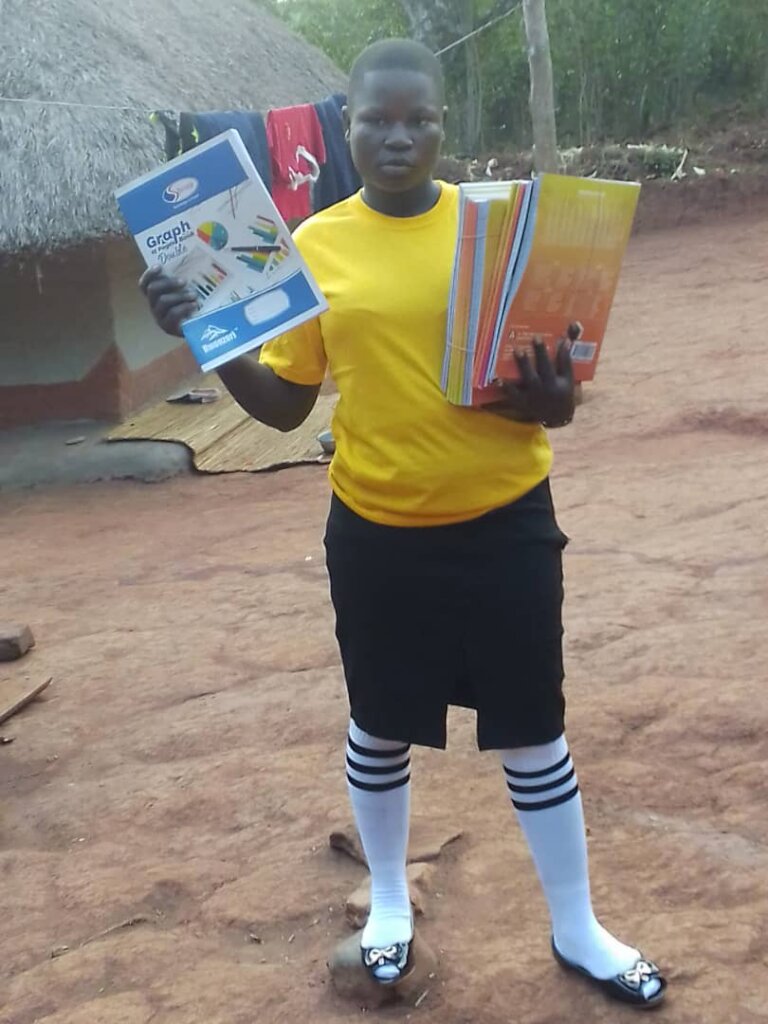
Learning Material Distribution: Distributed over 100 school supply kits to 3 rural schools and scholastic materials (Exercise books, pens, mathematical sets) to 10 students.
Financial Aid: Paid 100% of school fees for 03 targeted beneficiaries.
Nutrition: Provided 1 daily hot meal to each child during school hours to improve attentiveness.
Established community learning hub for in-school children.
Community-Led Protection & Advocacy
Policy & Structural Advocacy: Participated in Ministry of Education and Sports (MOES) working group meetings to advocate for updated guidelines on curriculum development and child school re-entry policy.
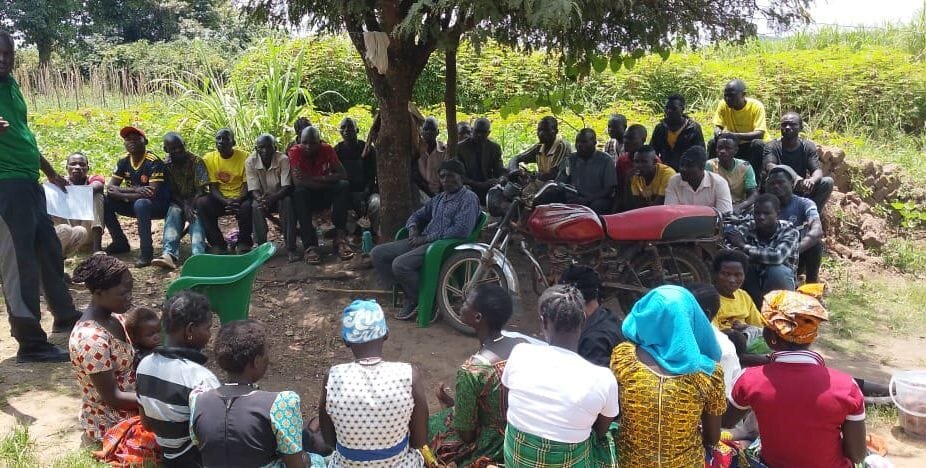
Stakeholder Engagement: Conducted 5 high-level dialogue meetings with traditional and religious leaders in Jangokoro and Nyapea Sub-counties to dismantle harmful practices like bride price pressures.
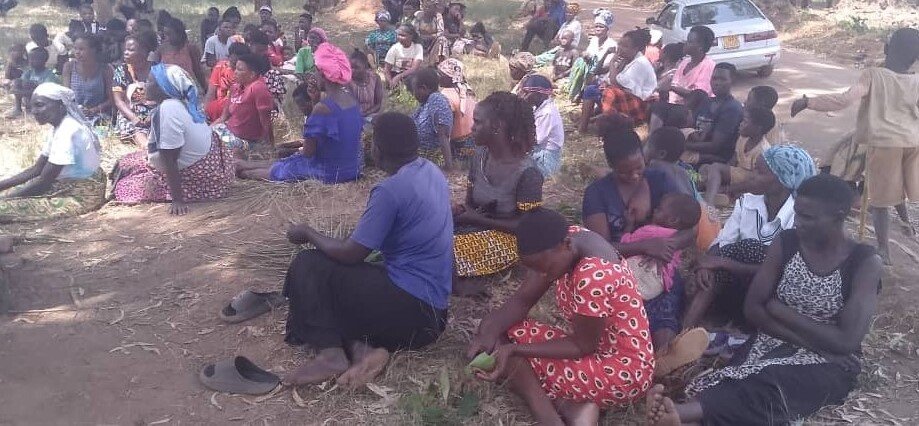
Awareness: Conducted 4 community outreach sessions specifically promoting girls child education.
Strategic Prevention Models
Socio-Economic Safety Nets: Coupled family financial literacy training with social safety nets to minimize economic reliance on dowries.School Retention Support:
Distributed school fees and materials to vulnerable rural learners while advocating for private menstrual hygiene sanitation facilities.
4. Challenges & Mitigation Strategies
Low female involvement in child education decisions and school re-entry policy:
Mitigation: Launched targeted "Safe Female" campaigns during community dialogues to engage adolescent girls and women.
Challenge: Harmful traditional practices and out-of-court settlements by parents in defilement cases.
Mitigation: Enacted strict local by-laws through cultural leaders and leveraged 3 new GBV Command Centers to log formal legal reports.
Challenge: Heavy seasonal rains causing high student absenteeism.
Mitigation: Partnered with local leaders to establish safe community walking groups for children.
Challenge: Rising costs of scholastic materials straining the project budget.
Mitigation: Bulk-purchased supplies directly from regional wholesalers to lower per-unit expenses.
5. Lessons Learned & Recommendations
Key Lessons
Delivery Channels Matter: Peer-led, community based engagement and behavior change among in-school children than static school only learning proves more impactful.
The Role of feminism: True reduction in gender-inequality and low education completion by rural girls requires shifting how girls and women view girl child education and school re-entry policy. Engaging women empowers them to directly dismantles structural barriers.
Recommendations
Funding Reallocation: Direct increased funding for Early childhood education and development,establish more learning spaces in communities for in-school children to share skills and knowledge through club formataions and group discussions. specifically to rural, hard-to-reach areas of Zombo district..
Curriculum Integration: Work with local school authorities to integrate comprehensive, age-appropriate Sexuality education directly into the academic timetable.
Mentorship Expansion: Launch safe, girls-only mentorship clubs outside of school hours to build self-esteem, life skills, and financial independence.
6. Way Forward for Next Quarter
Performance Monitoring: Hold collaborative teacher-parent review meetings to closely monitor quarterly academic progress.
Legal Collaboration: Deepen work with law enforcement to ensure all pregnancies under the age of 18 are automatically investigated as statutory defilement.
Academic Support: Distribute solar study lamps to facilitate evening homework in homes without electricity.
SUCCESS STORY. ACIRO's Journey:
I've undergone a profound transformation, shifting away from outdated mindsets where men solely decided the educational paths of children and women conformed without a voice, to embracing a powerful truth: girls' futures are being reimagined through education, thanks to the impactful female-only dialogues initiated by the Hope Vineyard Foundation Uganda in my community, and I've discovered the transformative potential that women and I can tap into to shatter barriers that hinder girls' growth, now I'm driven to join forces with my peers to champion the girl child and spearhead meaningful change at the grassroots level.
3 key transformations:
1. From exclusion to voice: Moving away from a system where decisions about girls’ education were made for them, not with them.
2. From silence to dialogue: Hope Vineyard Foundation Uganda creating female-only spaces where real conversations happen — and where truth gets reimagined.
3. From awareness to action: You’re no longer just discovering the potential; you’re ready to organize, champion, and spearhead change at the grassroots.
![Share on Twitter]()
![Share on Facebook]()