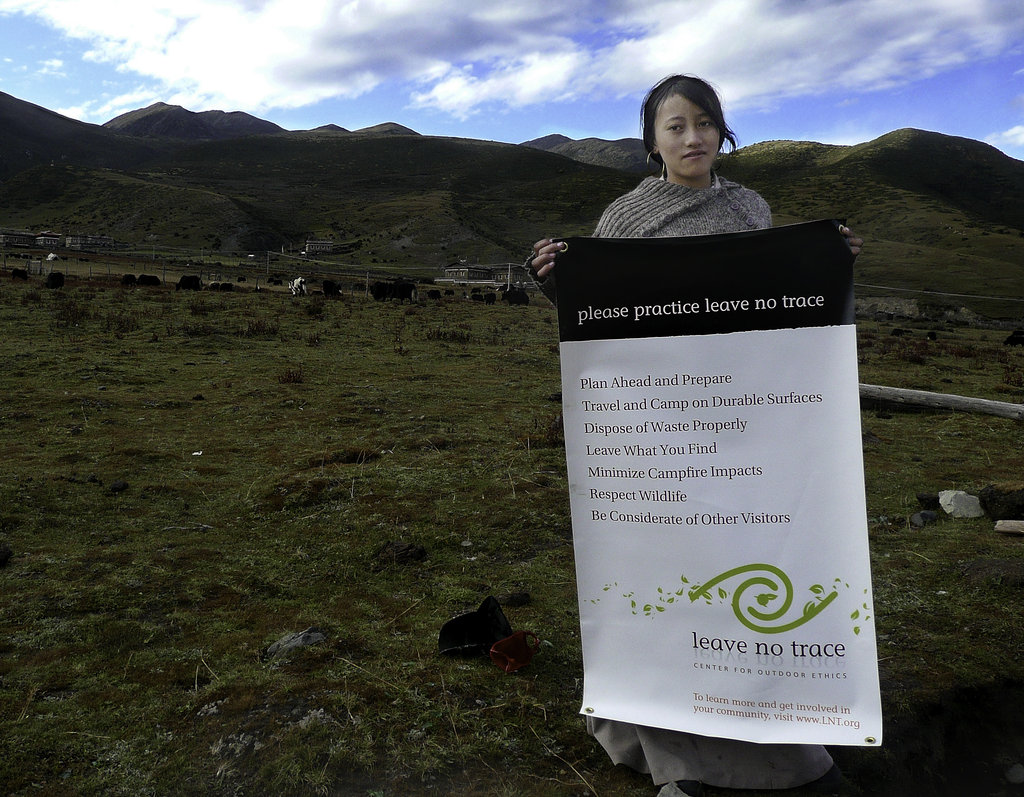
Tibetan Village Project and d Students Shoulder to Shoulder will build a recycle station with the goal of teaching locals to dispose wastes properly, and identify recyclable materials. In addition, students will explore and assess how communities can turn recyclable materials into re-usable items that could create more economy for the village. By spreading the use of the eco-brick- plastic bottles stuffed with plastic trash- locals will have new materials for construction.
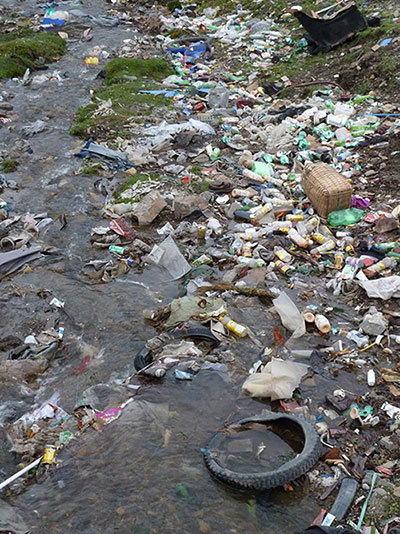
When there are no garbage collection services, no trashcans, and no designated recycling areas, where does trash end up? If it's not in the local rivers (or what these communities consider their water supply), it either ends up in landfills or is burned. As is the case in many developing countries, many drinking streams are littered with plastic; children are harmed by broken glass; and livestock get diseases from eating trash. These are also core issues in Tibet.
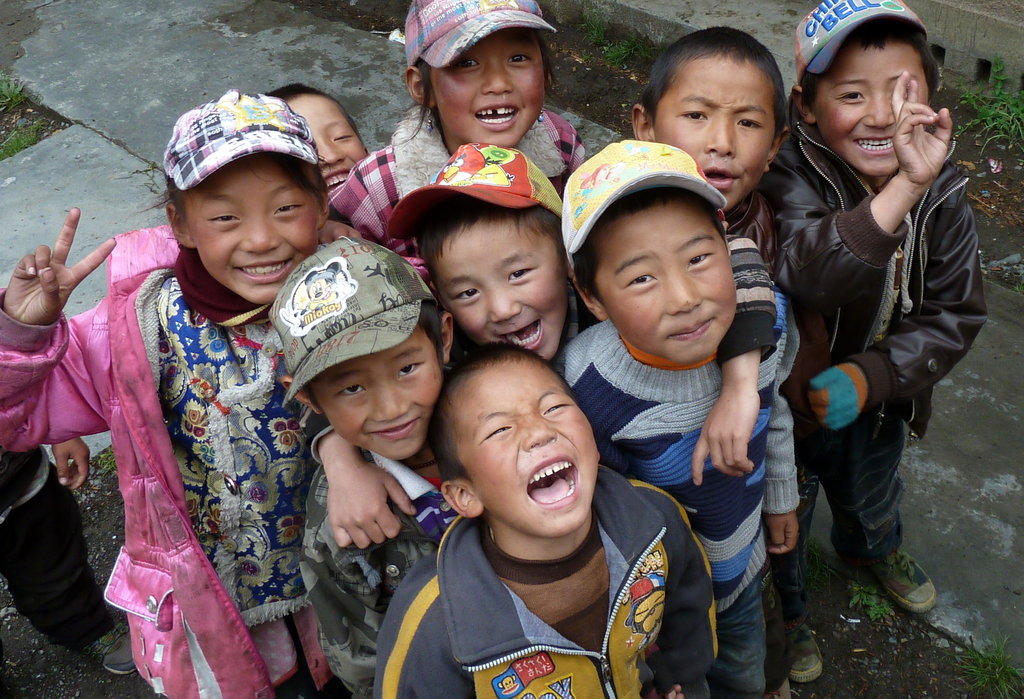
As result of this project, health and safety of Sihurong community members including children will be improved; community members will be better educated about the health and environment; landfill and water pollution will be reduced; and a new project model will be introduced. In addition, experiences of students from SSTS will be enriched and they lives will be effectively positively (as were the case for students from 2012 and 2013) toward becoming global leaders.
Long-term, this project will enable many Tibetans to learn proper recycling and how to re-use recyclable materials by creating ecobricks. This is a very useful skill, and will clear up local rivers and keep the air free of harmful toxins for future generations.