By Onyango Joseph | Director
Progressive report for Empower AIDS widows - Save Community as of June 2015
By Onyango Joseph – Executive Director RARUDO
Uganda is a landlocked and fertile country with many lakes and rivers, 86% of the population live in rural areas and rely on subsistence agriculture. More than half live in poverty without reliable access to food, as despite Uganda’s good soil and favorable weather, there are many barriers preventing poor farmers making the most of the country’s growing economy.
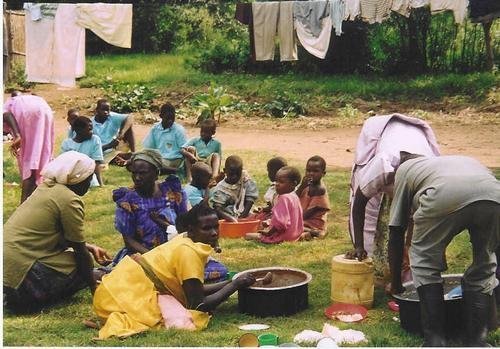
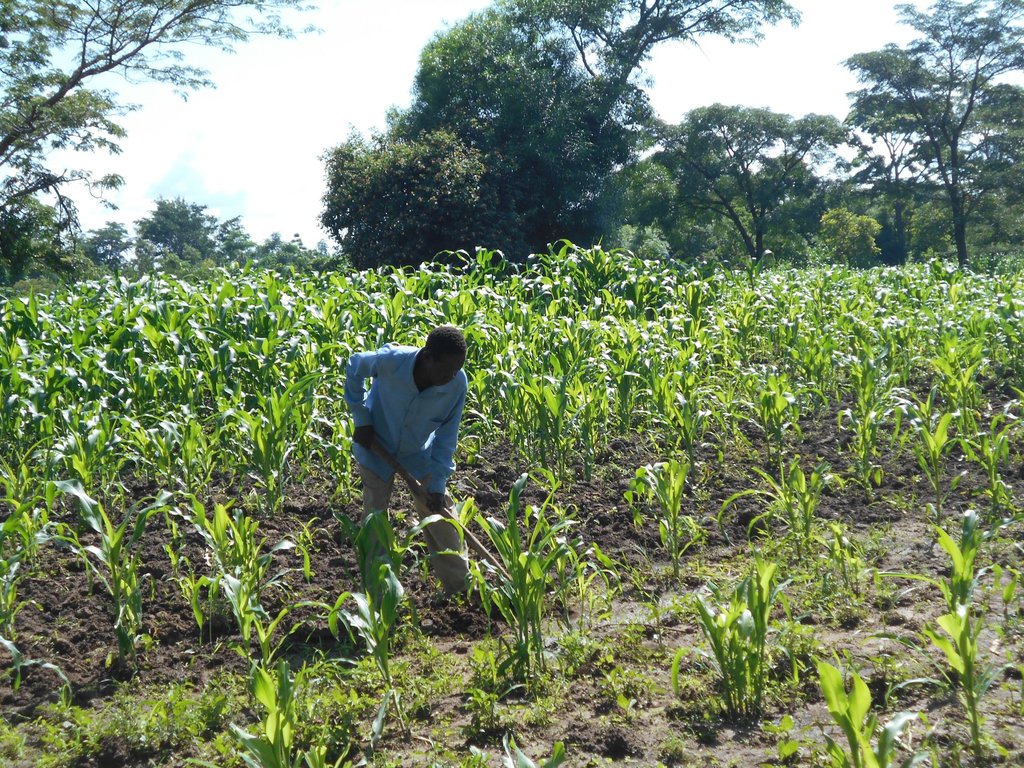
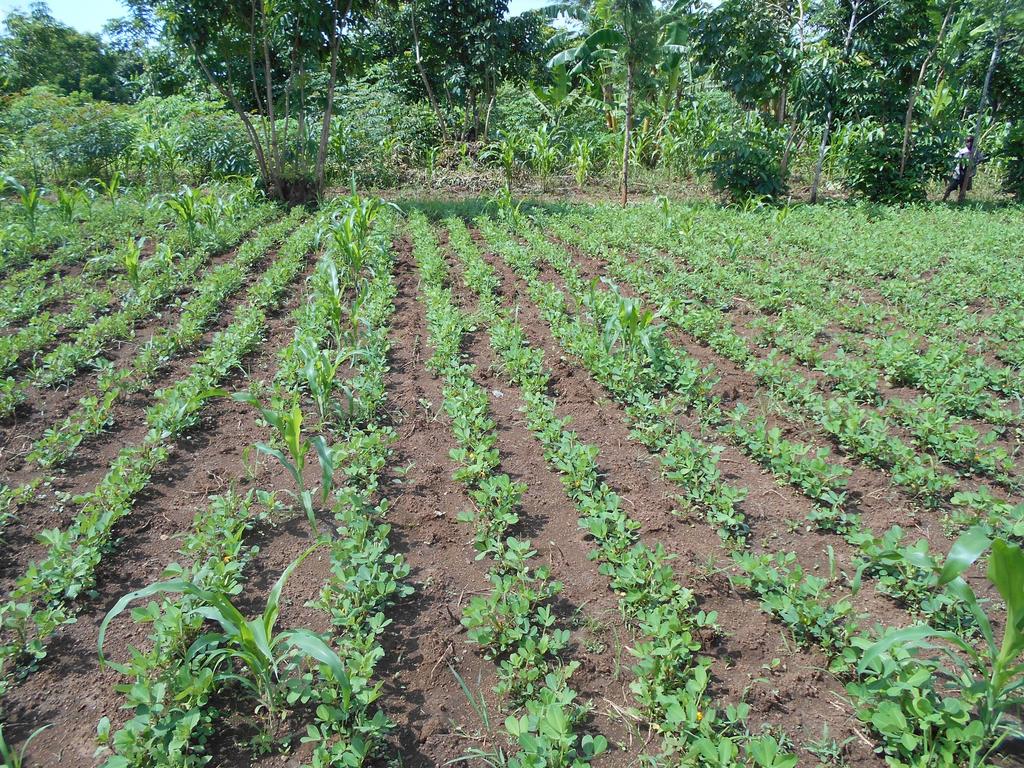
Activities ongoing: The main activities this time round has been, planting the seeds, and weeding the crops. This was enabled by the support from our dear donors at Global Giving and the River Fund.
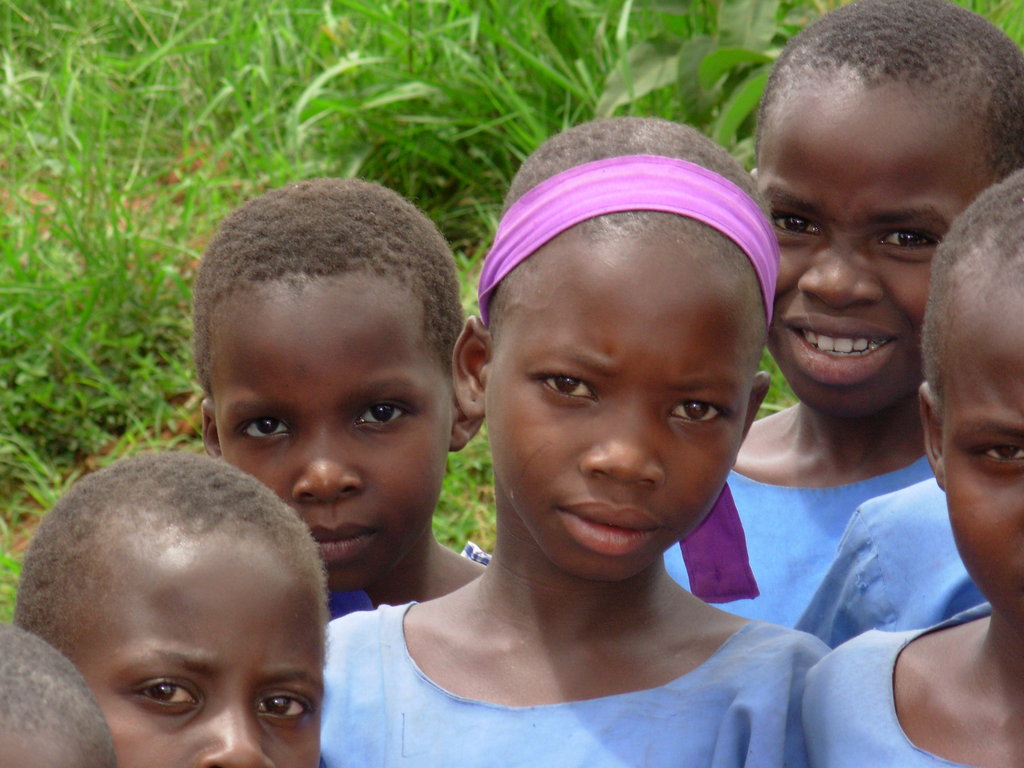
As soon as the great down pour of rain, the work of planting started and we hope to improve nutrition especially among children, increased income from the sale of surplus vegetables, balanced diet by providing hope for the future as they improve on their own gardens by adopting of sustainable organic agriculture so as to maximize the crop yields and thus better income.
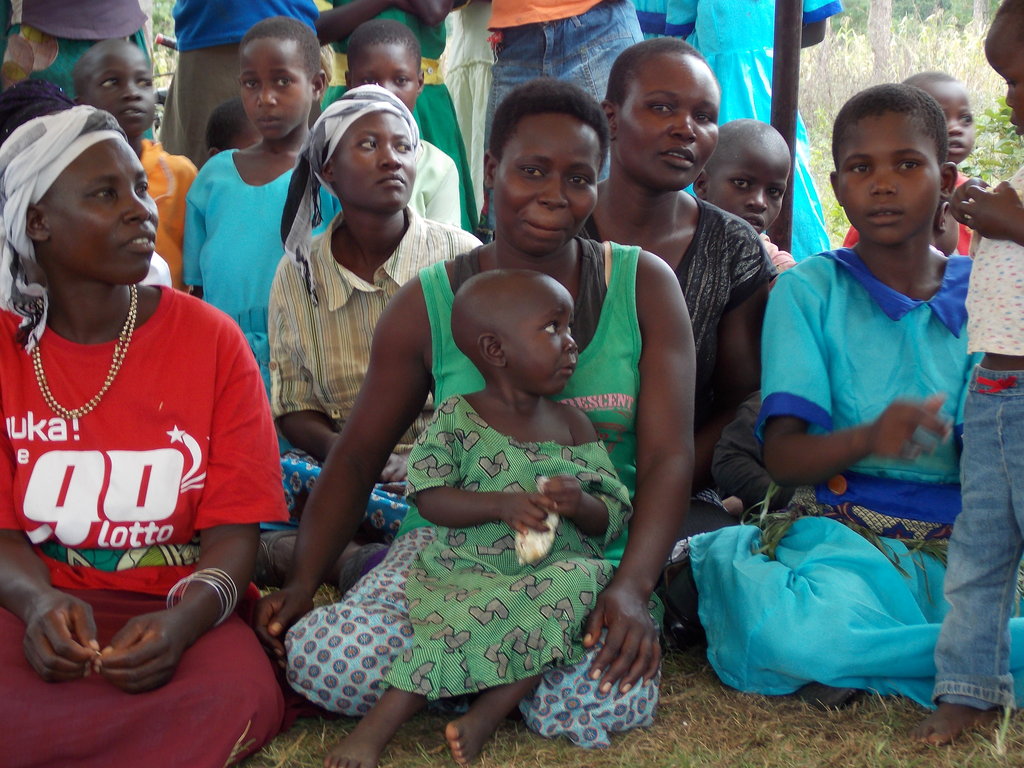
RARUDO works to serve rural Ugandan women to increase the value of their harvests through better farming practices and simple processing of any surplus they produce. We help them find ways of earning a living that are suited to their natural environment, so they can improve their lives without damaging the natural resources they rely on.
Maize is hugely important to the people of eastern districts of Uganda, both as food and as a cash crop. This season on average, local farmers planted two acres of maize each, from which they expect to harvest around 1,000 kg just because late planting due to late rainfall.
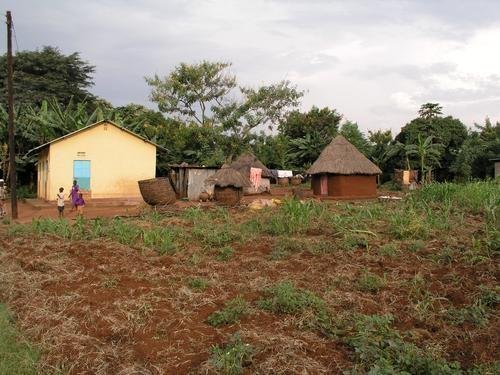
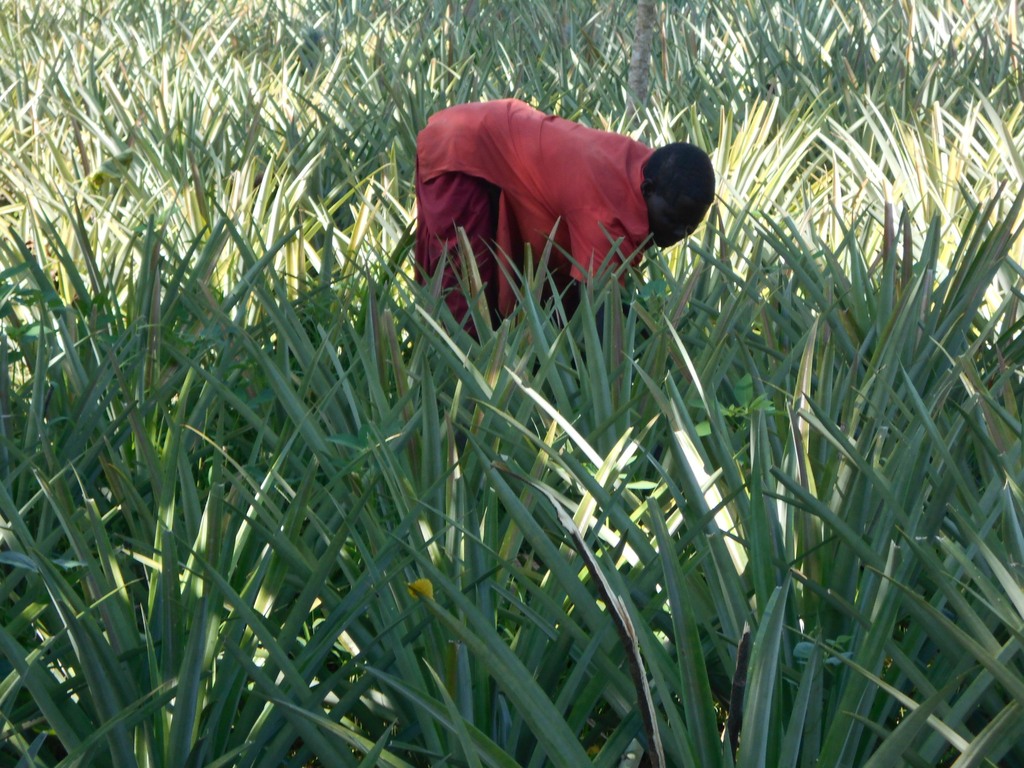
They also planted some vegetables on their vegetable gardens which are usually installed after the millet and maize harvest on the plots of land closest to the kitchen and this we refer it as kitchen gardens. But due to the long drought women carried both the food crop and vegetables when the rain started late April. The vegetables that are most frequently grown were cabbage, eggplant, beans, green peppers, and carrots.
Challenges met in this quarter.
Way forward
- By continuing training women in better methods of sustainable organic farming so that their land can produce better yields and using improved seeds, they can quadruple their harvests to 4,000kg each. - We are also introducing drying racks to reduce post-harvest wastage. - Forming co-operative societies that will train women famers to produce finished products like quality flour and briquettes to increase income at house hold levels for sustainability.
Conclusion
These products can be sold to earn extra income for household expenses, school and medical costs as well to help women buy additional land and have better housing. To resource our ambitious organizational goals, we still put request in pursuing funding opportunities, not for the sake of growth alone, but also we can have greater impact and ensure women, children, the elderly, the PWDS (persons with disabilities) and PLWHAs (persons living with HIV/AIDS) benefit from greater economies of scale.
Last but not least on behalf of RARUDO family I want to extend my sincere gratitude to our dear donors, friends at Global Giving and The River Fund for their tireless and generous support extended to our noble cause.
May God Bless you.
I remain yours in service,
Onyango Joseph
Executive Director
RARUDO
Note from Jaya Canterbury-Counts, Executive Director The River Fund
In rural Uganda, we work primarily with women and have been doing this work since 2001.
Investing in women impacts more people than just the families involved. In fact, the UN’s Food and Agriculture Organization have estimated that if women were given the same access to productive resources as men, they could increase the yields on their farms by twenty to thirty percent – raising total agricultural output in developing countries by 2.5% to 4%, in turn.
It is estimated that by closing the gender gap in agriculture, we could reduce the number of hungry people in the world by 12% to 17% percent.
Project reports on GlobalGiving are posted directly to globalgiving.org by Project Leaders as they are completed, generally every 3-4 months. To protect the integrity of these documents, GlobalGiving does not alter them; therefore you may find some language or formatting issues.
If you donate to this project or have donated to this project, you can receive an email when this project posts a report. You can also subscribe for reports without donating.