By Milton Funes | Emergency Response Team Lead
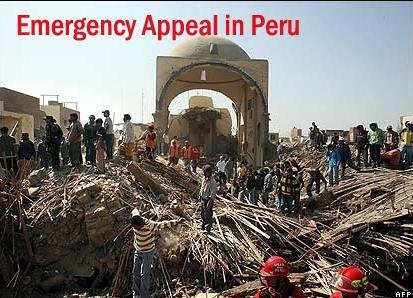
While many responders have focused their relief efforts to last week's earthquake in major affected urban areas, there still remain many isolated rural communities which have yet to receive assistance.
One such community is in San Jose de Los Molinos, the Afro-Peruvian community of 7,000 people that has been often overlooked by traditional humanitarian response mechanisms. CHF's response here is focusing on helping them to access resources for emergency shelter and economic activity, thus enabling a more rapid and sustainable reduction of the current level vulnerability.
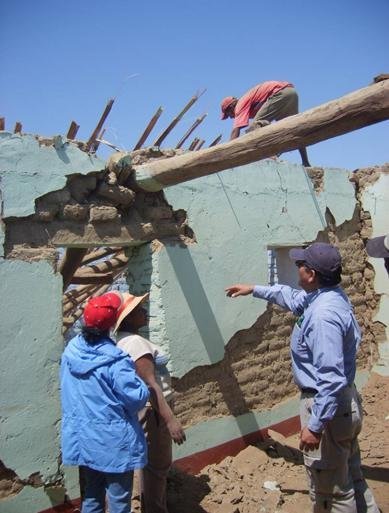
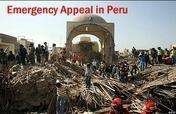
Currently, the situation in San Jose is dire. A week after the earthquake, many families are still living in the debris of what is left of their houses. They don’t dare to leave the remainder of their homes and risk losing their few remaining assets. At the same time, massive amounts of waste and debris are posing an extreme public health risk, the worst of which is an exposed cemetery located close to schools and a children’s playground. Insecurity continues to rise with reports of robbery and assault, and water and electricity still remain cut off.
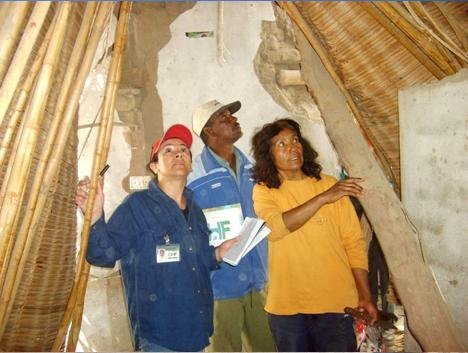
Specifically, the CERT team will work with communities to build safe emergency shelters for individuals and families and provide communities with the tools and equipment they need to begin cleaning up the debris and rubble as a priority health prevention measure. In addition, the clean up activity will serve to clear space to build the shelters and to collect materials that can be used for construction of the shelters.
With an eye on bridging the divide from immediate relief to long-term development, the CERT team will also administer a small grant fund to help family members quickly regain livelihoods through productive activity and micro-enterprise. Small grants of around $300 each can be enough to help one family restart their home-based business, enough to help revitalize the local economy and begin restoring a sense of normalcy in a truly devastated community.
Project reports on GlobalGiving are posted directly to globalgiving.org by Project Leaders as they are completed, generally every 3-4 months. To protect the integrity of these documents, GlobalGiving does not alter them; therefore you may find some language or formatting issues.
If you donate to this project or have donated to this project, you can receive an email when this project posts a report. You can also subscribe for reports without donating.