By Heather Bennett | Director, Partnerships and Philanthropy
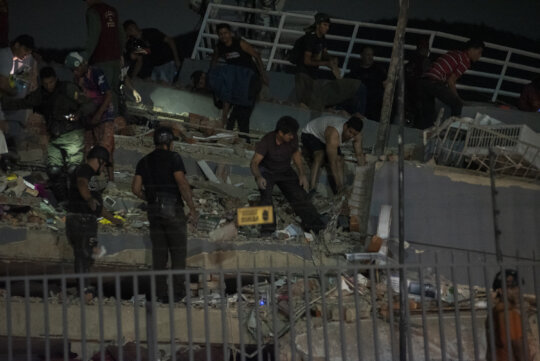
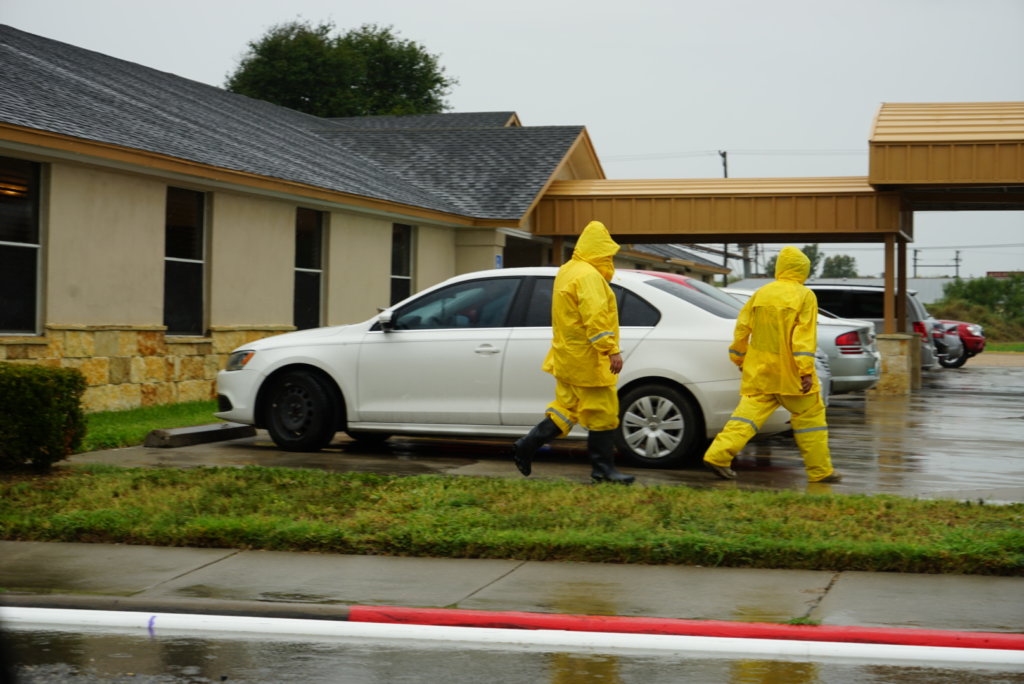
Hurricane Harvey was one of the most destructive and costly natural disasters to ever impact the continental United States. The powerful hurricane made initial landfall near Port Aransas, Texas, on August 25, 2017, and continued to batter large sections of Texas and western Louisiana for days. High winds, heavy rain, and unprecedented flooding took the lives of more than 85 people and caused extensive damage to homes, businesses, schools, healthcare facilities, and infrastructure. Houston, the fourth-largest metropolitan area in the country, was particularly hard hit by storm-related flooding. According to the National Weather Service, the amount of rainfall dumped on the city of 6.6 million people reached record breaking levels, with more than 55 inches recorded in some areas.
Direct Relief’s Response
Direct Relief has been active in emergency storm and flood-related responses in the US and around the world for decades. The populations that Direct Relief supports on an ongoing basis are especially vulnerable in natural disasters, as low-income and underserved families often lack the financial means to escape an approaching hurricane or other emergency. And, when people do flee their homes, they often are not able to bring their medications with them which is particularly dangerous if they suffer from chronic medical conditions such as diabetes, asthma, or heart disease.
Ensuring Access to Essential Medical Goods
Recognizing the potential for catastrophic damage before Hurricane Harvey even made landfall, Direct Relief had been in touch with over 50 of its local partner health facilities whose populations were most likely to be affected by the storm. These low-income medical clinics and free and charitable health centers, established to care for vulnerable members of the community, are part of the extensive network of 1,200 safety net facilities that receive regular donations of Rx pharmaceuticals and other medical goods to assist and disadvantaged patients.
Due to the scope and extent of the devastation, as well as the need for tens of thousands of people to evacuate their homes, medical services and products were needed quickly and in sizeable quantities. Hurricane Preparedness Packs that Direct Relief had prepositioned with partner health centers and clinics were opened by healthcare providers for immediate use, and additional emergency shipments, packed in rugged and easily transportable containers, were dispatched to facilities providing services in shelters and evacuation centers.
As these partner health centers and clinics reopened their doors, staff immediately began to see a surge in patients in need of care. As soon as they had a chance to assess the status of their physical structures, medical equipment, and pharmaceutical and supply inventories, requests to Direct Relief for assistance began to stream in.
In response to the enormous need, Direct Relief has delivered 355 emergency shipments to 44 partner facilities caring for people affected by Hurricane Harvey. These relief and recovery shipments contained more than 70,000 pounds of critically needed medicines, insulin, tetanus vaccines, first aid and general clinic supplies, diagnostic medical equipment, antiseptics and disinfectants, and personal hygiene products.
Financial Assistance for Community Health Centers
Direct Relief, in consultation with the Texas Association of Community Health Centers and the National Association of Free and Charitable Clinics, committed $500,000 toward the provision of emergency operating grants of $25,000 each to help address immediate financial needs that arose from the devastation caused by Hurricane Harvey. Additional grants will be awarded based on the individual status and needs of facilities that are providing services to people hard hit by the storm.
Jon Sweitzer, CEO of Pasadena Health Center, wrote to Direct Relief to express the facility’s appreciation.
“We love helping people and enjoy seeing them smile. Thank you so much for all that you do and your team. You are modern day heroes. A lot of people are grateful for all you do in our area and the impact you have made.”
Project reports on GlobalGiving are posted directly to globalgiving.org by Project Leaders as they are completed, generally every 3-4 months. To protect the integrity of these documents, GlobalGiving does not alter them; therefore you may find some language or formatting issues.
If you donate to this project or have donated to this project, you can receive an email when this project posts a report. You can also subscribe for reports without donating.