By Katherine Zavala | Asia Program Director, IDEX
WACN, Makwanpur District of Nepal
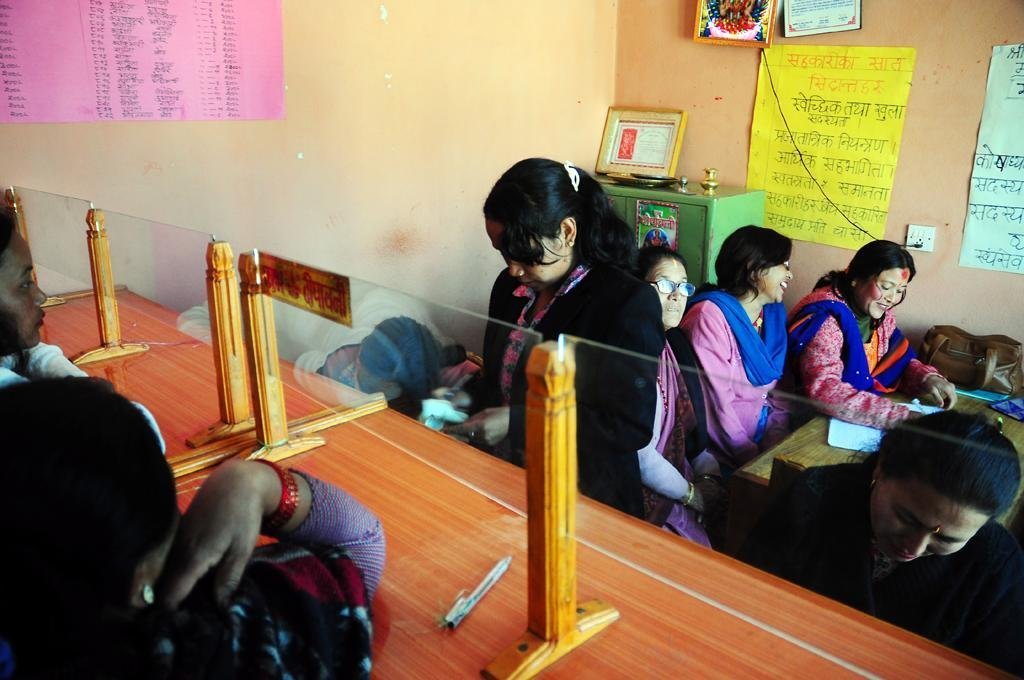
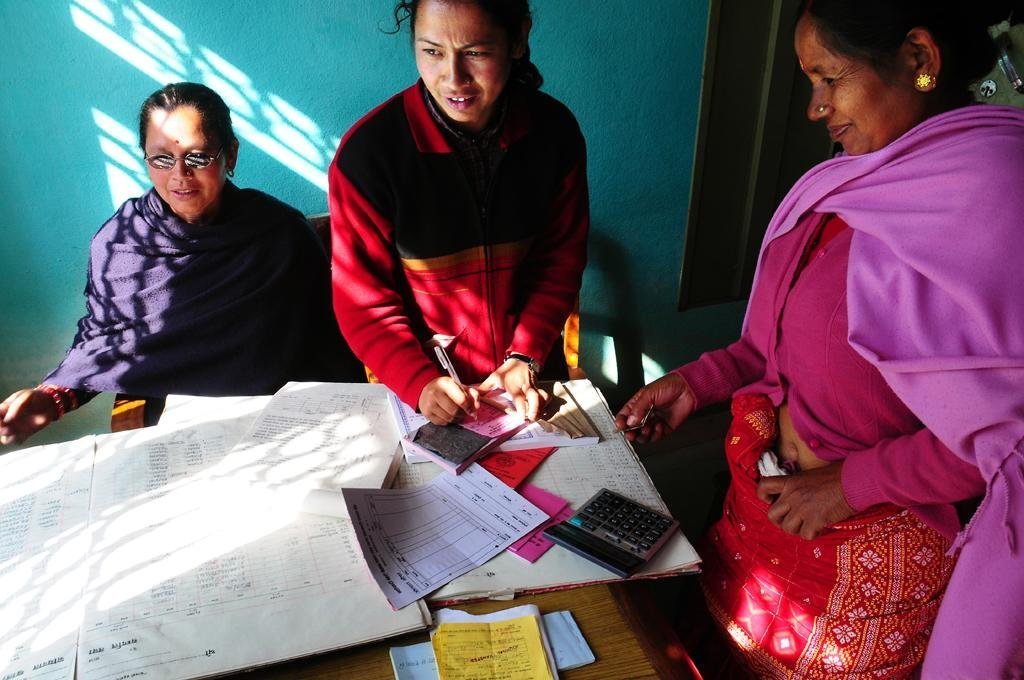
Background This project is being implemented in Chucchakhola VDC, Hatuda municipality by Women Awareness Center Nepal (WACN) since 2004. The aim is to strengthen the cooperative, increase management capacity of the members, and ultimately improve the economic position of the shareholders. The Shree Nari Chetna Agarbatti Utpadak Cooperative Limited consists of 176 shareholders who, in addition to partaking in coop management, have participated in income generation activities (incense stick production, embroidery, food processing) and sustainable agriculture practices. The members have $2,505 in savings in total. From those funds, $4,400 in loans has been issued so far to more than 40 members. The loan is used for agriculture purposes, livestock purchases, small trade, and emergencies.
Activities conducted by WACN 1. Institution building 2. Training on incense production 3. Creation of a revolving credit fund 4. Training on sustainable agriculture
A) Cooperative Growth and Finances
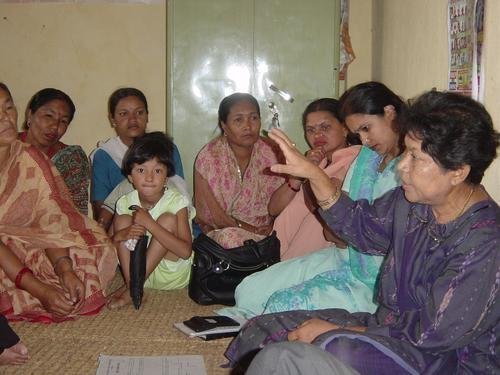
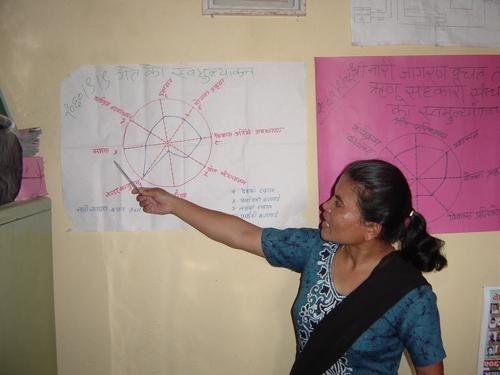
Institutional Growth WACN’s experience with women's cooperative in other parts of the country has shown that women, once trained, can employ their new skills in running the cooperatives efficiently and effectively, and that they will attract more women. More members translates into greater savings and loans. Year 4 corresponds to anticipated growth in membership for the period May 2006 – April 2007.
Priorities of coop membership • Improve operating mechanisms for organized, effective management • Make a good name for the coop and earn goodwill of the people • Provide training focused on the skills and human resource development since most women are from rural areas and not highly educated
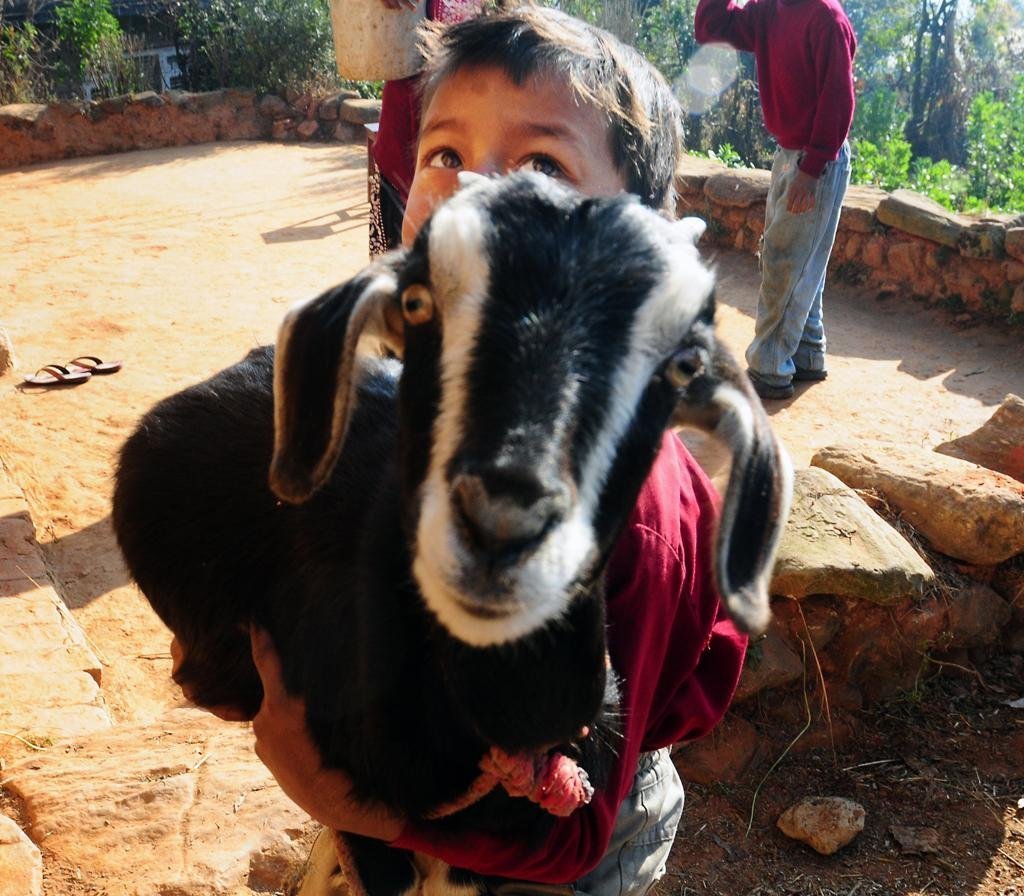
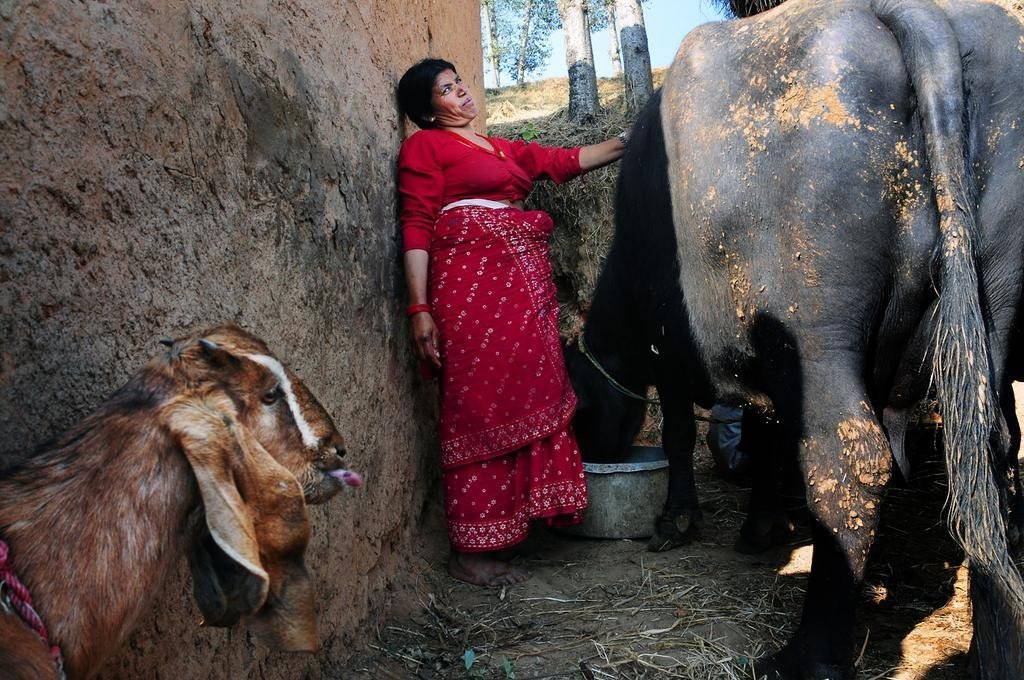
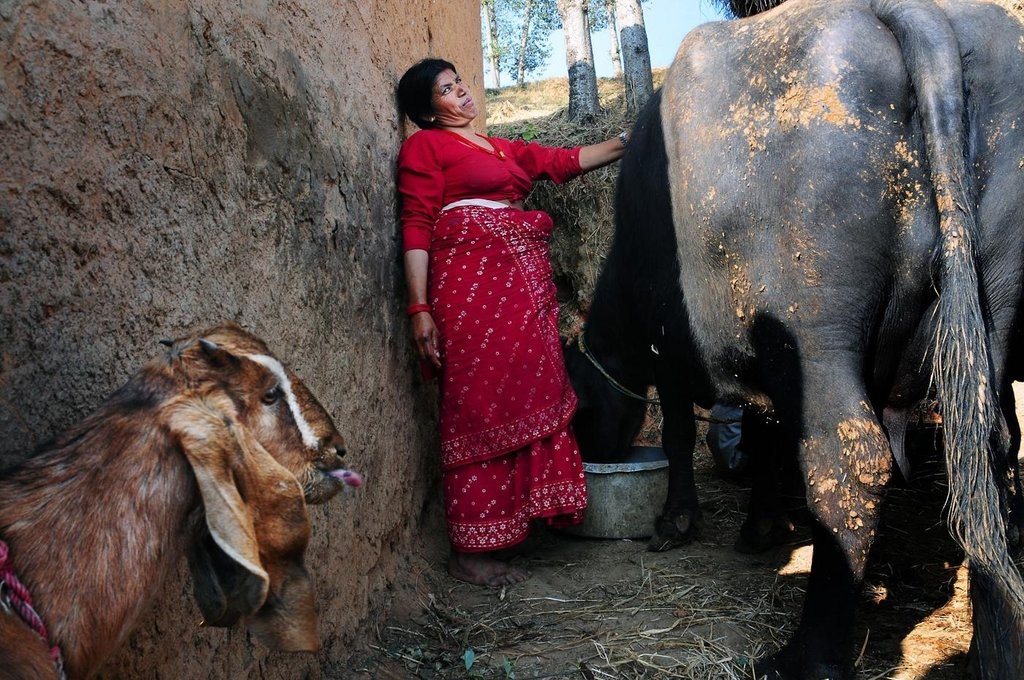
Revolving Fund Women are interested in running income-generating activities individually or in groups so that they become financially independent. Priority is given to proposals for loans that are directly or indirectly related to agriculture or livestock rearing (goat and buffalo raising). Apart from incense production, vegetable growing/selling, sewing and knitting are other income generating activities that women indicate interest in starting.
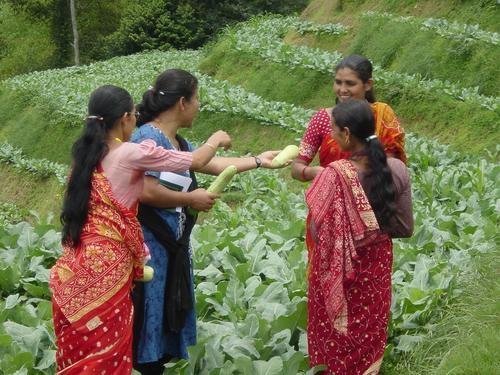
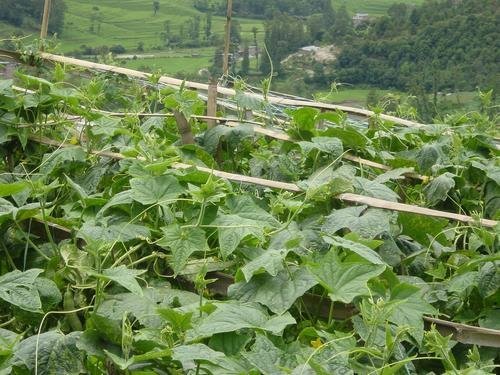
Cumulative since 4/29/04 Cooperative registration date - 29 April 2004 Savings rate per member, per month - $0.68 to $1.25 Interest on savings - 10% Interest on loan - 15% Number of shareholders - 176 (36 new members in one year) Total credit received from outside sources (IDEX)- $690 Women who received loan - 40 Total share amount - $425 Savings collected - $2,505 Child savings - $100 Total loan disbursement to date $4,442 # Of members who have withdrawn their savings - 17 members B) Income-Generating Training Agriculture Training was provided on sustainable soil management to control the use of harmful pesticides and chemical fertilizers and encourage women to adopt sustainable soil management. Areas of training: • Farm yard manure • Composting • Agro-forestry – grasses control erosion/ for cattle) • Organic pesticide (cattle urine, herbs) • Vegetable production, legume production
Training on incense production Nepalese are generally very religious and it is customary among Hindus to starts their day by worshiping and praying to gods using incense. As such, there is considerable demand for incense. Incense production is an attractive income-generating activity for women because they can produce it inside their homes and they can profit from the production with relatively modest investment of labor. • 22 women from this cooperative are running the incense production activity. • The executive committee purchases raw material and distribute to members who make the sticks at home. • Almost all the incense is locally consumed. • The cost of production per Kg is $2.75 and the selling price is $5/Kg. The required raw material is locally available (local herbs), but the perfume oil has to be purchased from Katmandu or the nearest city. • No outside workers or middlemen are involved in the whole process.
Project reports on GlobalGiving are posted directly to globalgiving.org by Project Leaders as they are completed, generally every 3-4 months. To protect the integrity of these documents, GlobalGiving does not alter them; therefore you may find some language or formatting issues.
If you donate to this project or have donated to this project, you can receive an email when this project posts a report. You can also subscribe for reports without donating.