By Gillian Wilson | Communications Director
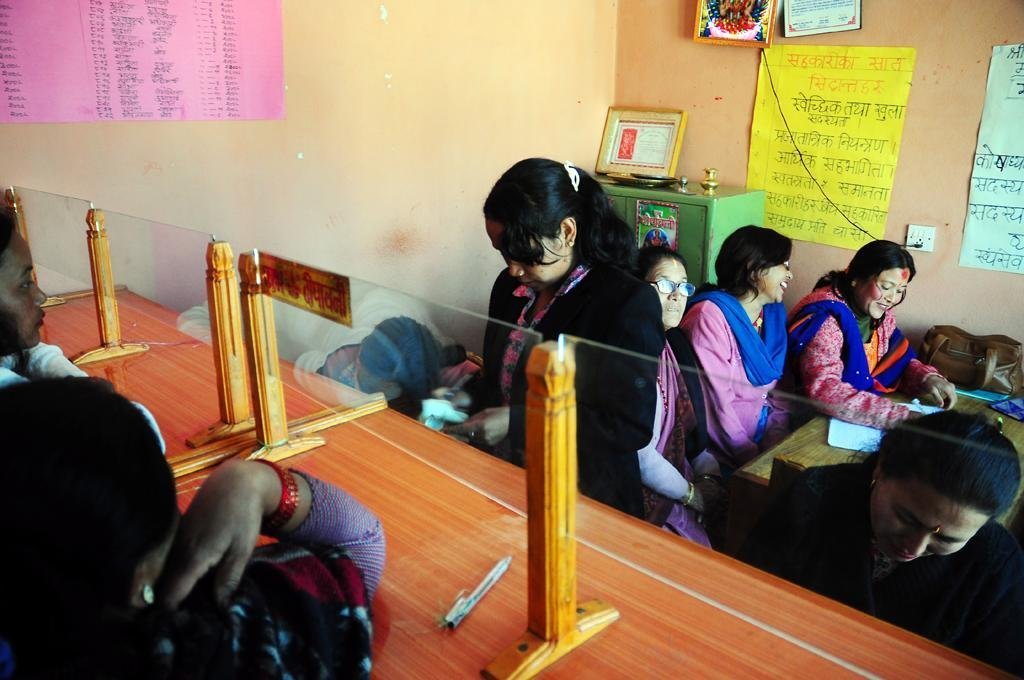
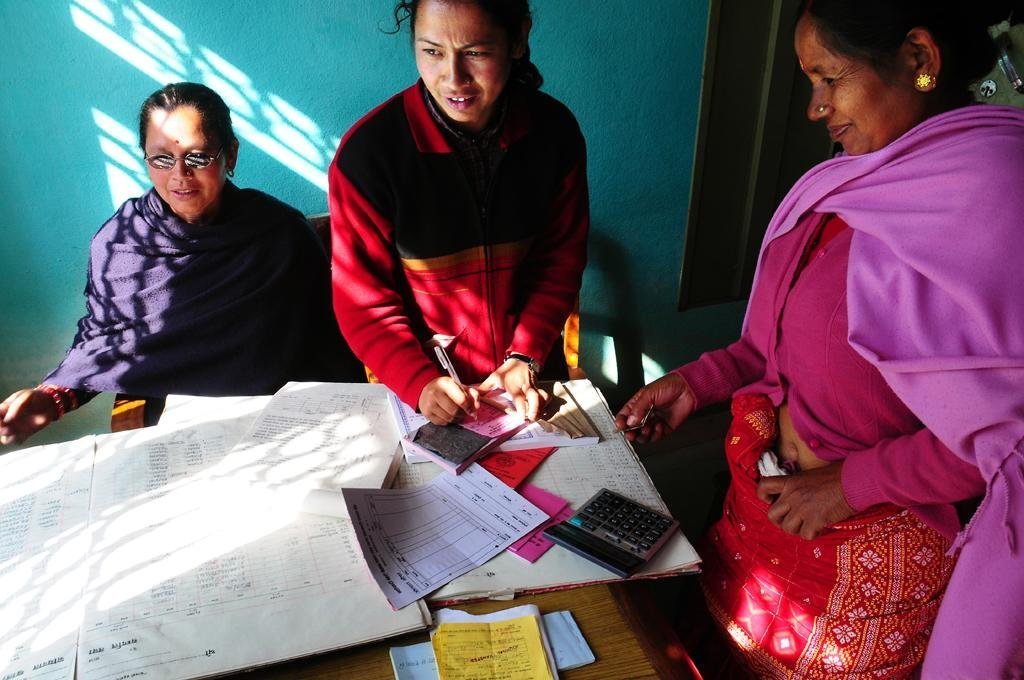
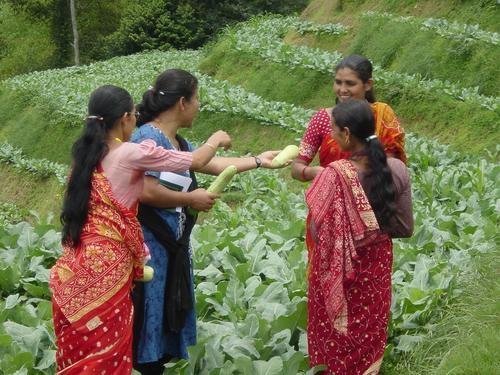
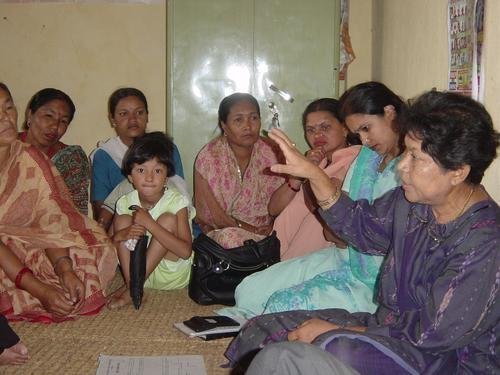
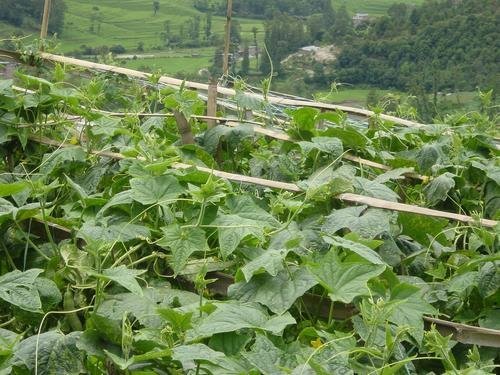
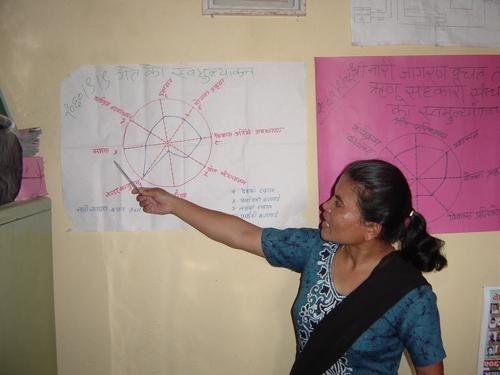
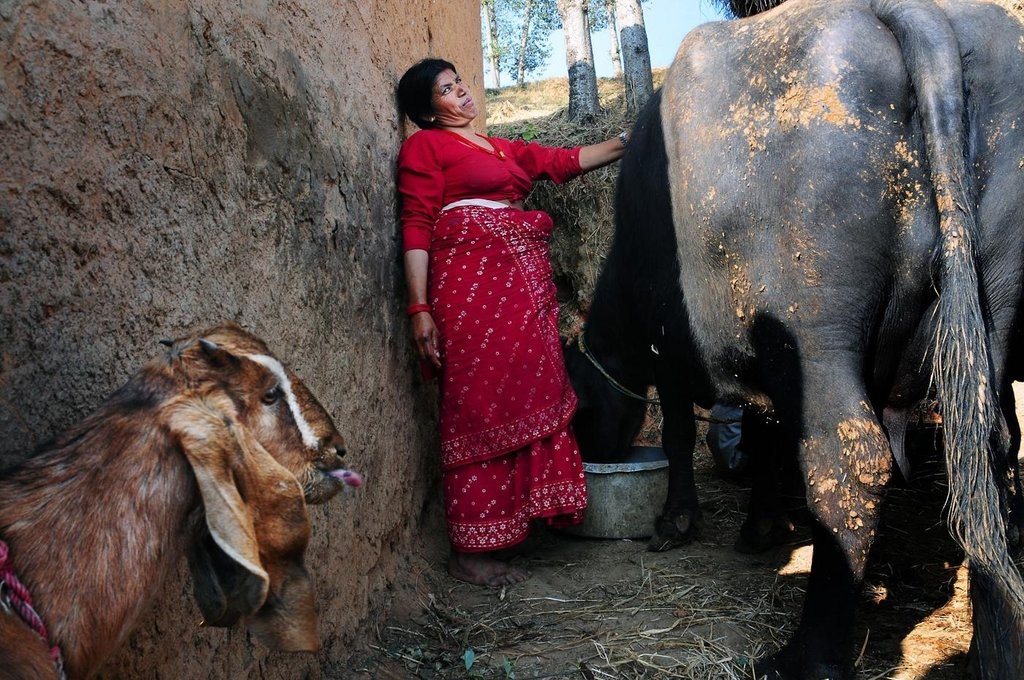
On Tuesday, March 16, all donations up to $1,000 per donor, per project will be matched. Maximize your gift, have a greater impact. Donate on Tuesday, March 16, 2010. International Women's Day was this week, and to celebrate amazing and strong women, we wanted to share with you some of the great work going on at WACN. In their most recent report WACN highlighted key areas: Training on Women’s Rights WACN conducted a 3-day legal training session for 35 members of cooperatives. The training focused on the interests and expectations of the women. In particular they talked about the Human Trafficking and Transportation (Control) Act, (enacted to reduce the number of women and girls forced into bonded labor). They also discussed the various forms of violence against women in Nepal. These included domestic, gender-based, physical, sexual, emotional, economic and psychological violence. Sadly, the many forms of violence against women in Nepal remain largely invisible. Women are often too ashamed to discuss or report it and often face further repercussions if they do so. This type of training begins to break down those barriers. In addition to details about domestic violence, women were given information on divorce, property rights and legal information concerning rape, marital rape, and abortion. Unfortunately, men did not attend any of the trainings. WACN is now strategizing as to how best to involve them in this dialogue in the future. Sustainable Agricultural Training In late December, WACN held a 4-day agricultural training for 25 members of 2 cooperatives. The goal was create awareness on the importance of soil management for sustainable agriculture. Participants were taught that sustainable soil management techniques make the best use of the land and also increase crop yields. The training was structured to build the skills and confidence of local women farmers. WACN also encouraged those women who attended the training to share the information with other farmers in the community. This type of training method has shown to be effective for women to improve their economic situation and encourage them to seek support from each other. The training included: • Composting • Using farmyard manure and urine for fertilizer • Organic pesticide preparation • Vegetable nursery management for production of vegetable seedlings • Dangers of soil erosion as this results in lower productivity and increased production costs from the excessive use of chemical fertilizers
Project reports on GlobalGiving are posted directly to globalgiving.org by Project Leaders as they are completed, generally every 3-4 months. To protect the integrity of these documents, GlobalGiving does not alter them; therefore you may find some language or formatting issues.
If you donate to this project or have donated to this project, you can receive an email when this project posts a report. You can also subscribe for reports without donating.