By Louis Freidman | Director Emeritus
(This is excerpted from a blog post by Planetary Society Director Emeritus Louis Friedman, orignally posted in 2013.)
"Vermin of the sky", was the phrase many astronomoers attributed to asteroids as recently as the 1970s and 1980s. They were seen as little object that got in the way of serious astronomy. NASA had little interest in them, and science funding organization ignored them completely. Their rejection by the establishment was one reason for The Planetary Society getting into the act as advocates for observations and missions and raising funds from our membership for the few astronomers who were conducting observing programs.
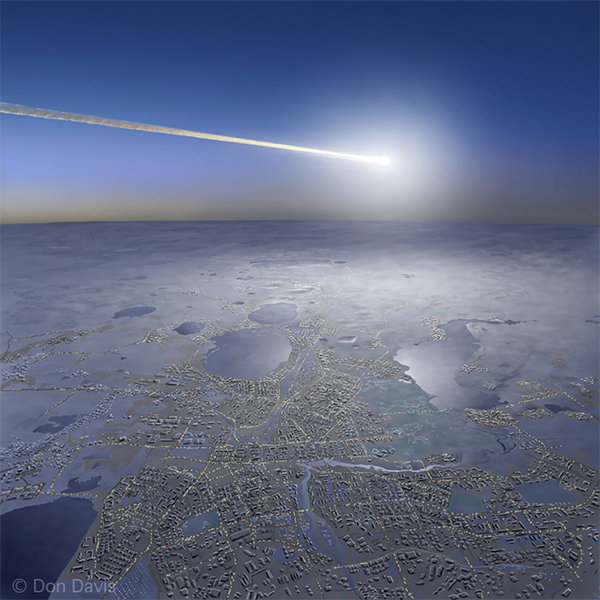
Gene and Carolyn Shoemaker were among the few. Another reason for our early advocacy of asteroid observations was the growing acceptance of a previously sneered-at hypothesis: that asteroid impacts had cause mass extinction of species on Eart. They are, we now know, critical players in the evolution of life.
Carl Sagan first brought the Society into the Planetary Defense discussions back in the 1980s working on both the astronomical and defense implications. We worked closely with individuals and groups seeking to understand the probabilities of impact and how to deal with them. We also participated in and helped organize conferences about the subject.
Asteroid science is now important science, and asteroid exploration is now a human and robotic mission goal. It's amazing to contemplate the range of possibilities from current efforts untold wealth being mined from asteroid resources, widespread devastation and loss of life from an impact, or the revitalization of human exploration taking the first steps beyond the Moon. Whatever actually comes to fruition, we will learn and accomplish a lot. The Planeatry Society has been there since the beginning and helped to make it all happen.
Over the 17 year history of the Shoemaker/NEO program, 323,000 has been awarded in 49 awards (to 39 awardees) in 16 countries on 5 continents. Your contributions make that happen!
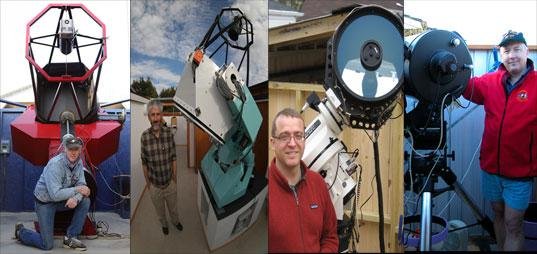
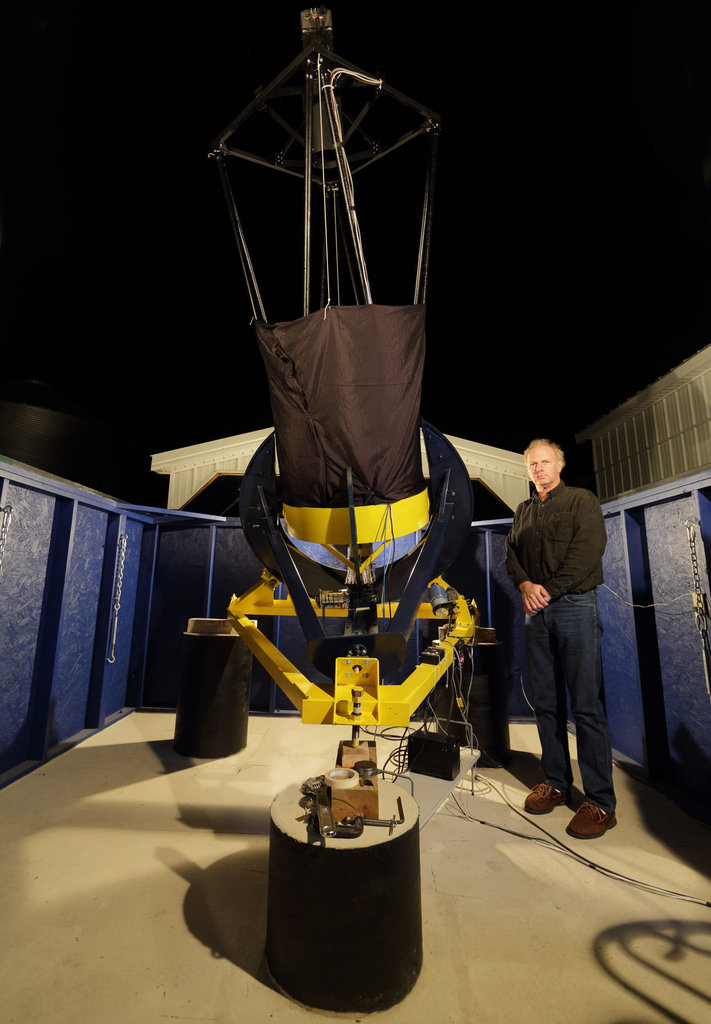
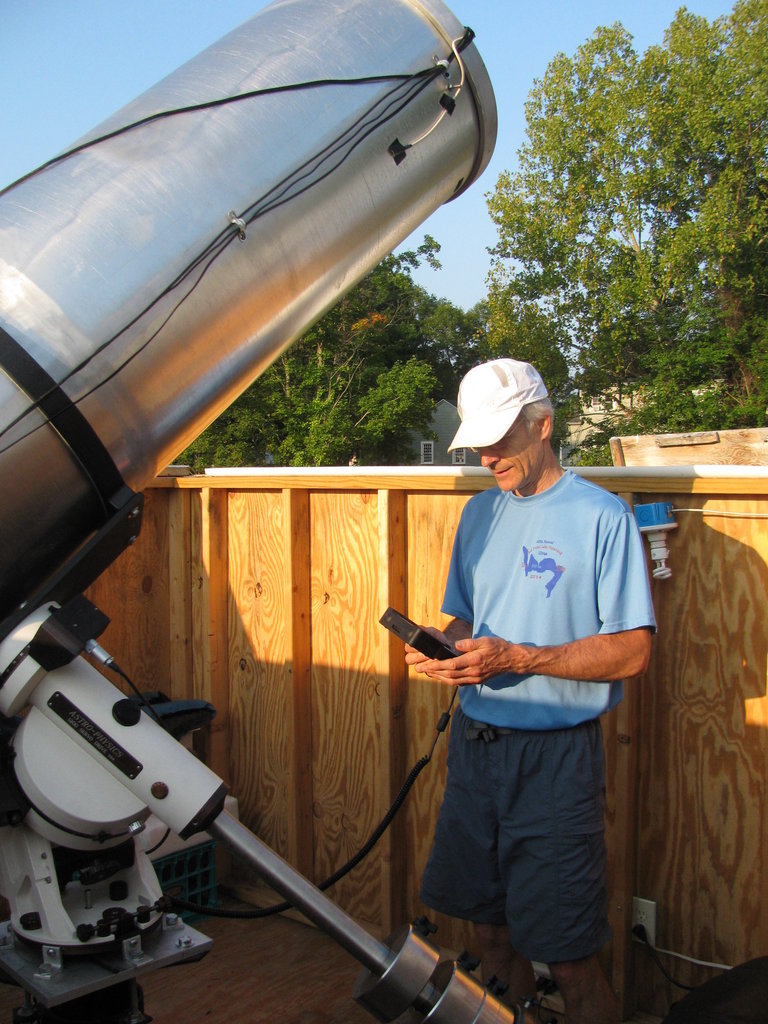
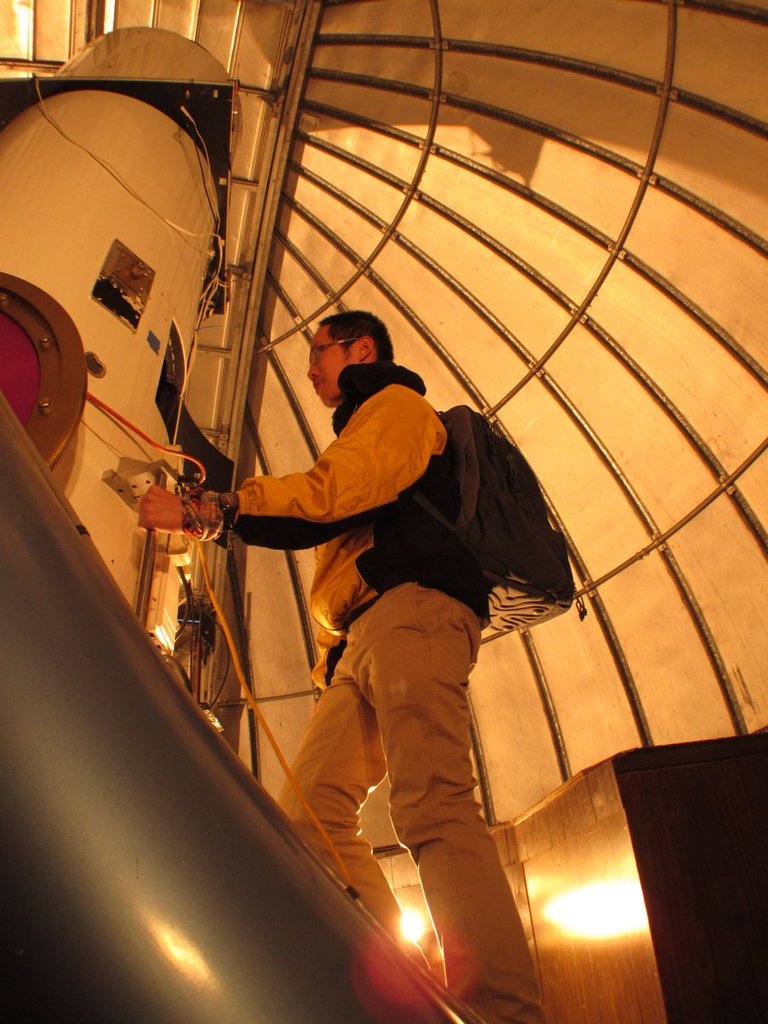
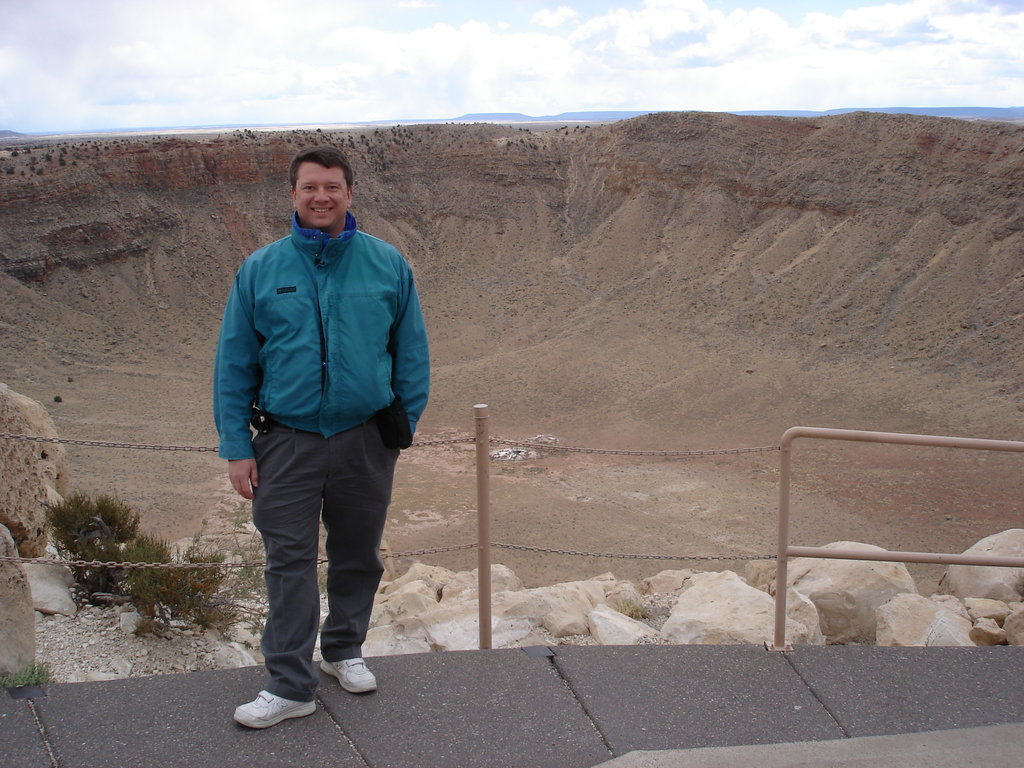
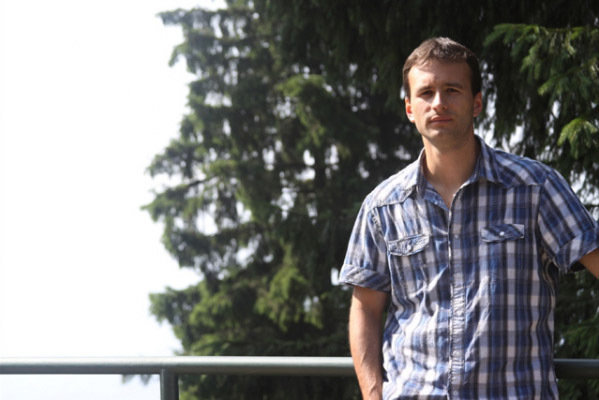
Shown in photo:
Luca Buzzi, operates the G. V. Schiaparelli observatory near Varese in northern Italy. This system is one of the most productive NEO astrometric (sky position) follow-up facilities in the world. They have recently procured a large 0.84-meter diameter f/4 telescope. His grant of $9,995 will enable the purchase of a CCD camera for this telescope. With this equipment in place, it is expected that Luca will be able to observe NEOs down to a visible magnitude (brightness) of V~ 22, on par with professional facilities around the world.
By Dr. Bruce Betts | Director of Science & Technology
By Robin Young | Manager, Donor Relations
Project reports on GlobalGiving are posted directly to globalgiving.org by Project Leaders as they are completed, generally every 3-4 months. To protect the integrity of these documents, GlobalGiving does not alter them; therefore you may find some language or formatting issues.
If you donate to this project or have donated to this project, you can receive an email when this project posts a report. You can also subscribe for reports without donating.