By Robin Young | Manager, Donor Relations
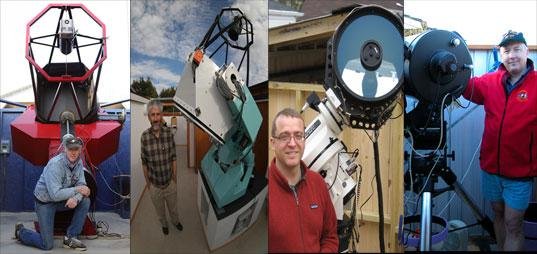
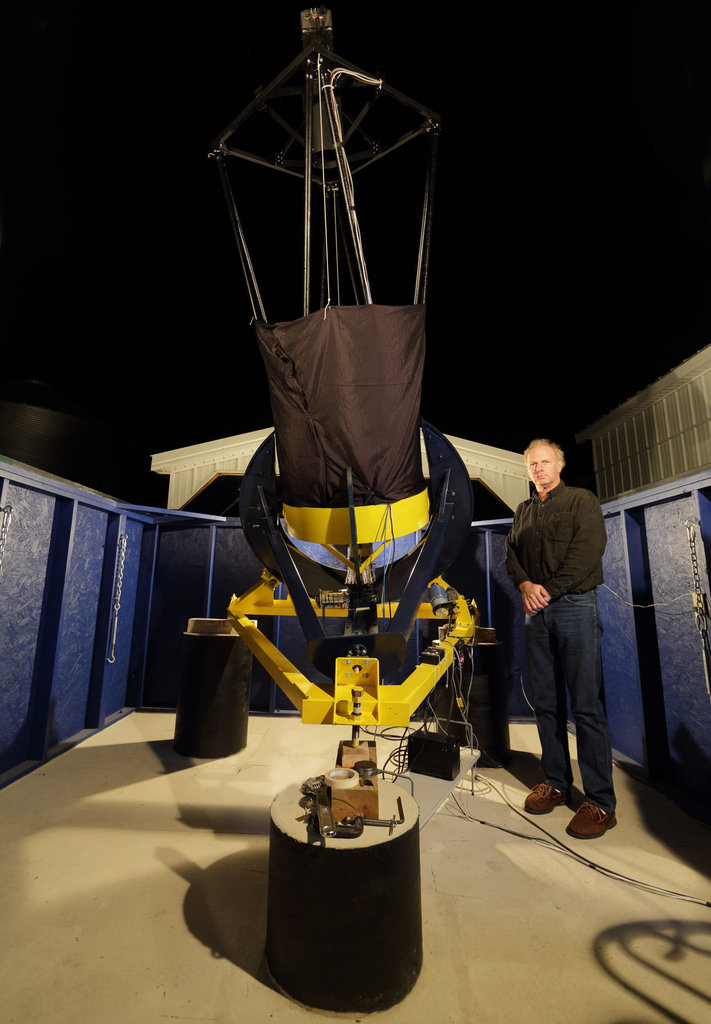
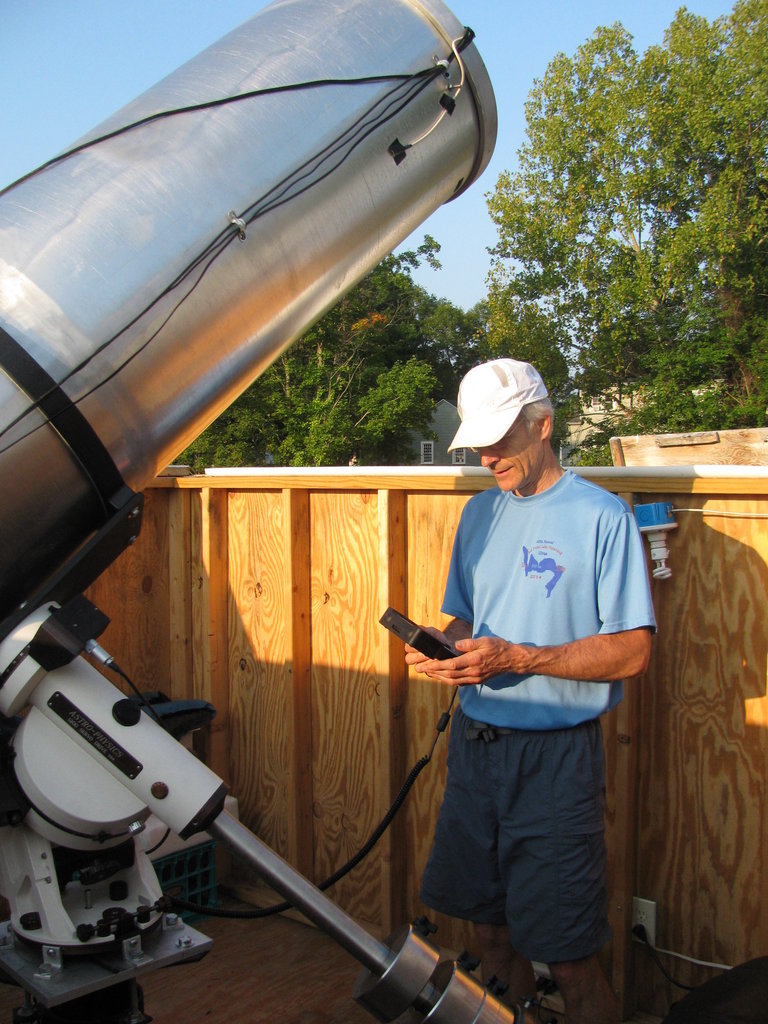
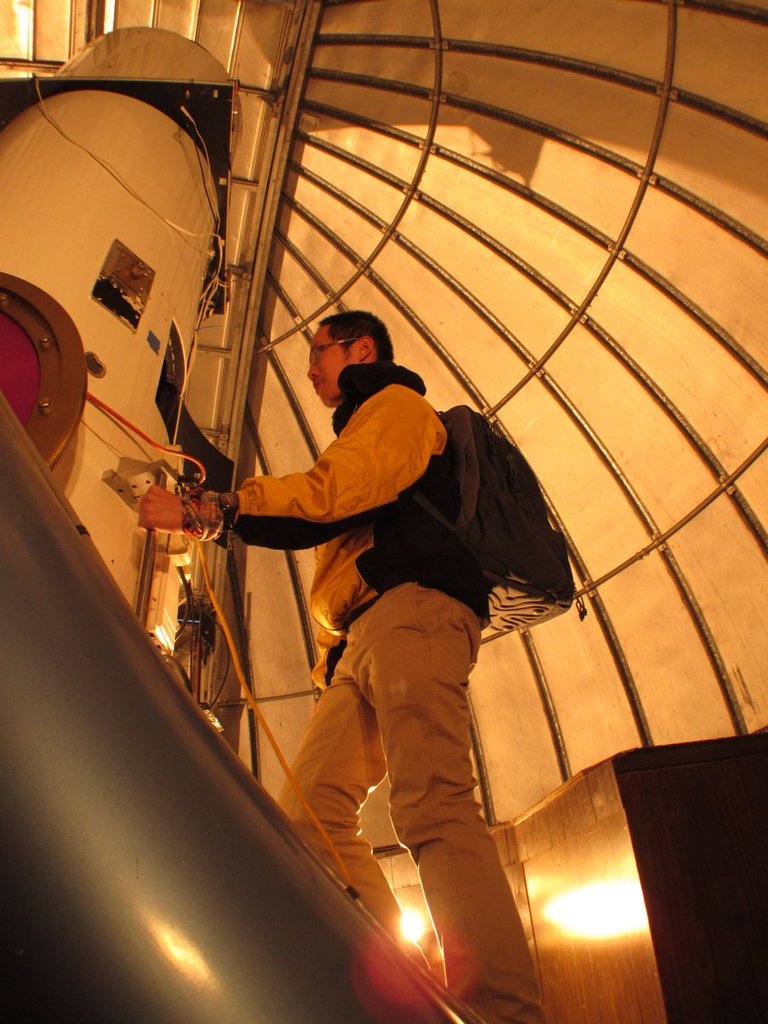
The Planetary Society established the Gene Shoemaker Near Earth Object grant program in 1997. Grants are awarded to amateur observers, observers in developing countries and underfunded professional astronomers. This allows more eyes on the sky that will increase contributions to Near Earth Object research. Have you ever wondered how these objects are assessed? How on earth – or in this case, in space - do you categorize them?
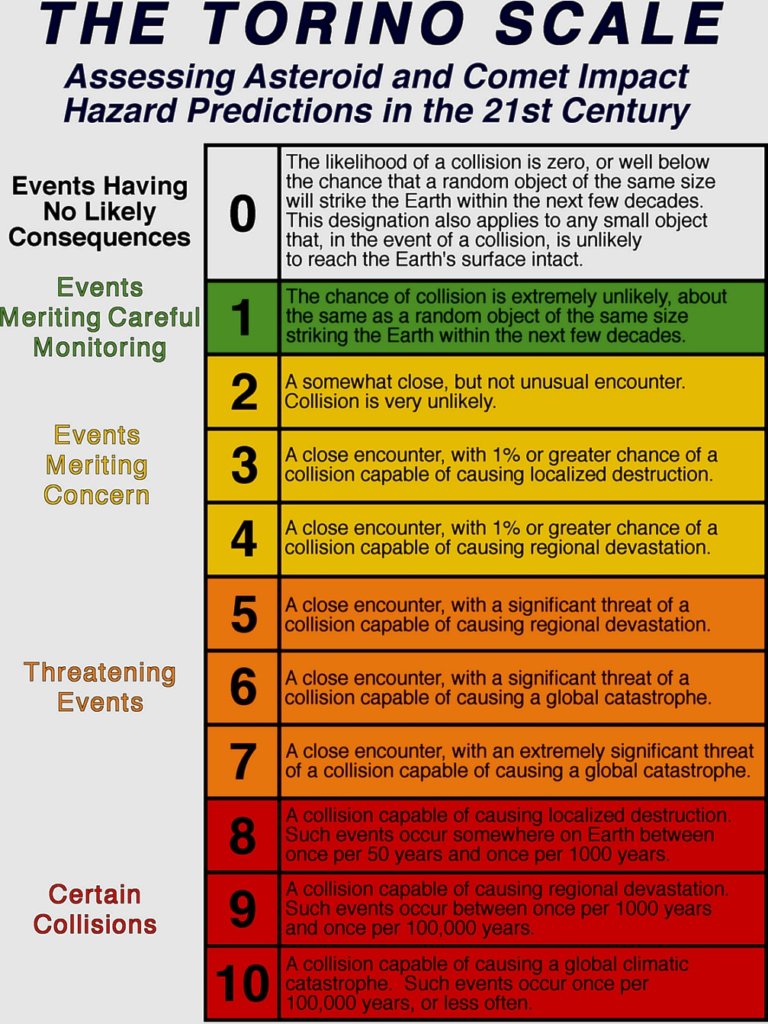
The Torino Scale is one method used for categorizing the impact hazard associated with near-Earth objects and is intended as a communication tool for astronomers and the public to determine the seriousness of collision predictions, by combining probability statistics and known kinetic damage potentials into a single threat value.
The Torino Scale uses an integer scale from 0 to 10. A 0 indicates an object has a negligibly small chance of collision with the Earth, compared with the usual "background noise" of collision events, or is too small to penetrate Earth's atmosphere intact. A 10 indicates that a collision is certain, and the impacting object is large enough to precipitate a global disaster.
An object is assigned a 0 to 10 value based on its collision probability and the kinetic energy (expressed in megatons of TNT) of the possible collision.
The Torino Scale also uses a color code scale: white, green, yellow, orange and red. Each color code has a meaning as indicated on the scale shown below.
No object has ever been rated above level 4, and currently all objects are rated level 0.
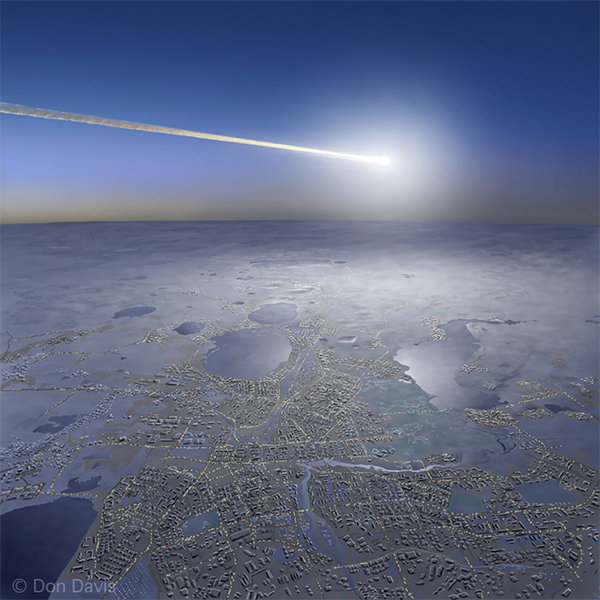
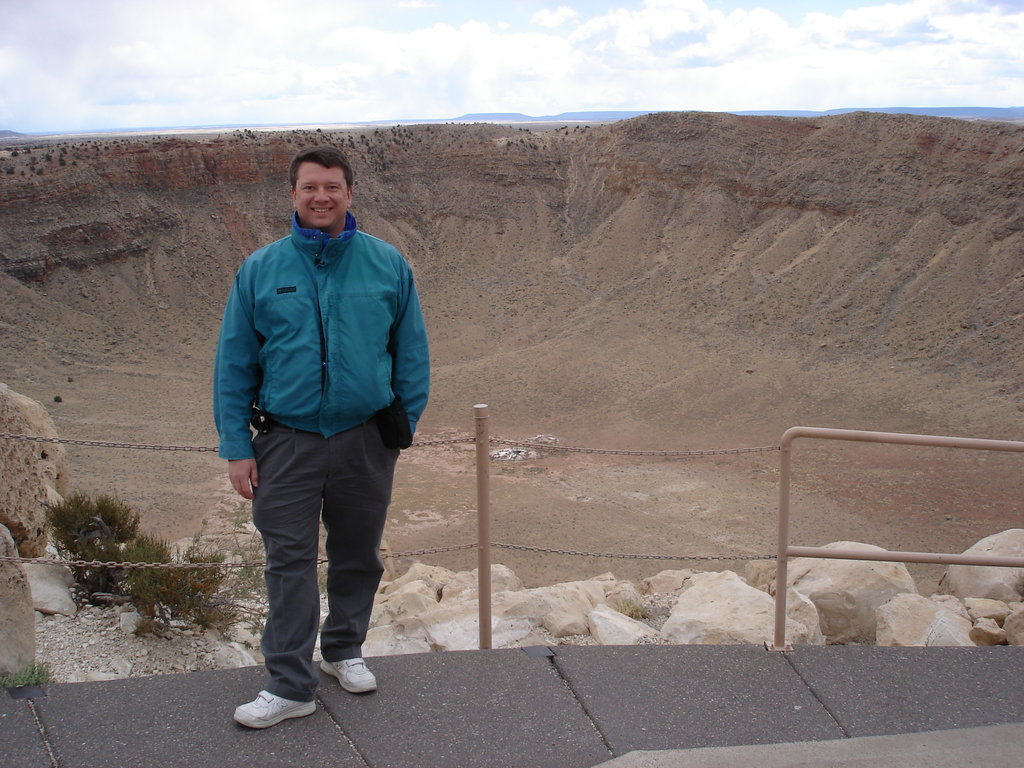
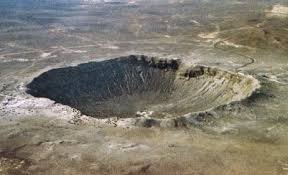
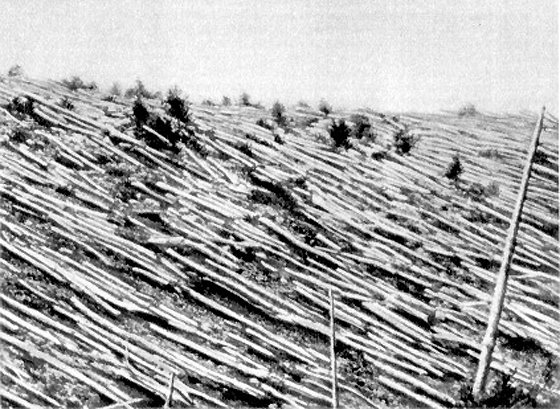
The Chicxulub impact, which many believe was a significant factor in the extinction of the dinosaurs, has been estimated at 100 million megatons, or Torino Scale 10. Both the Barringer Crater in Arizona and the Tunguska event of 1908 are estimated to be in the 3-10 megaton range. 2013’s Chelyabinsk meteor in Russia was 0.4 megatons, a 0 on the Torino Scale.
Your contributions to planetary defense fund our Shoemaker NEO grant program, allowing our researchers to do critical work – defining NEO orbits to tell whether they are on a collision course with Earth and continuing to discover new NEOs. With your continued support, this important work can further our knowledge of, and defense from, potentially hazardous near earth objects.
Project reports on GlobalGiving are posted directly to globalgiving.org by Project Leaders as they are completed, generally every 3-4 months. To protect the integrity of these documents, GlobalGiving does not alter them; therefore you may find some language or formatting issues.
If you donate to this project or have donated to this project, you can receive an email when this project posts a report. You can also subscribe for reports without donating.