### Project Report: Democratic Republic of Congo Crisis Relief Fund
Donor project report
Community of National Artistic Unity
Fundraising progress
### $1,358
of $245,600 goal
0.55% raised
$244,242 remaining
The report below is written for international donors and fundraising partners. It distinguishes the funds raised from the proposed project budget and does not claim that activities have already been completed.
# DEMOCRATIC REPUBLIC OF CONGO CRISIS RELIEF FUND
## Emergency Humanitarian Assistance for Vulnerable Families in the Democratic Republic of the Congo
**Implementing Organization:** Community of National Artistic Unity
**Project Country:** Democratic Republic of the Congo (DRC)
**Project Duration:** 12 months
**Total Funding Goal:** USD 245,600
**Funds Raised to Date:** USD 1,358
**Remaining Funding Required:** USD 244,242
**Report Date:** 5 November 2026
---
## 1. Executive Summary
The Democratic Republic of the Congo continues to face a severe humanitarian crisis caused by armed conflict, displacement, food insecurity, poverty, disease outbreaks and limited access to essential services. Families in conflict-affected communities are struggling to obtain food, clean drinking water, healthcare, safe shelter and protection.
The Democratic Republic of Congo Crisis Relief Fund is a humanitarian initiative of the **Community of National Artistic Unity** designed to mobilize international support for vulnerable people affected by the crisis.
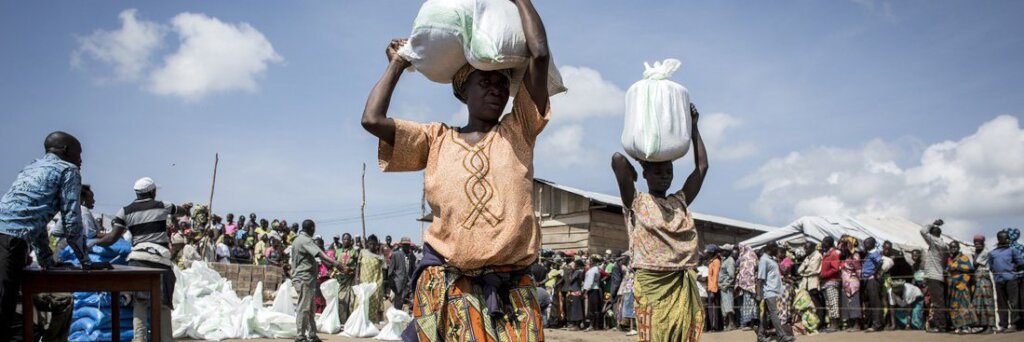
The project seeks to raise **USD 245,600** to support emergency food assistance, clean water and sanitation, basic medical and nutritional support, emergency shelter, essential household supplies and protection for vulnerable children and families.
The campaign has raised **USD 1,358**, leaving **USD 244,242** to reach its fundraising target.
The organization seeks partnerships with international foundations, humanitarian organizations, companies, institutions and individual donors to help deliver assistance where needs are greatest and access is feasible.
## 2. Background and Humanitarian Situation
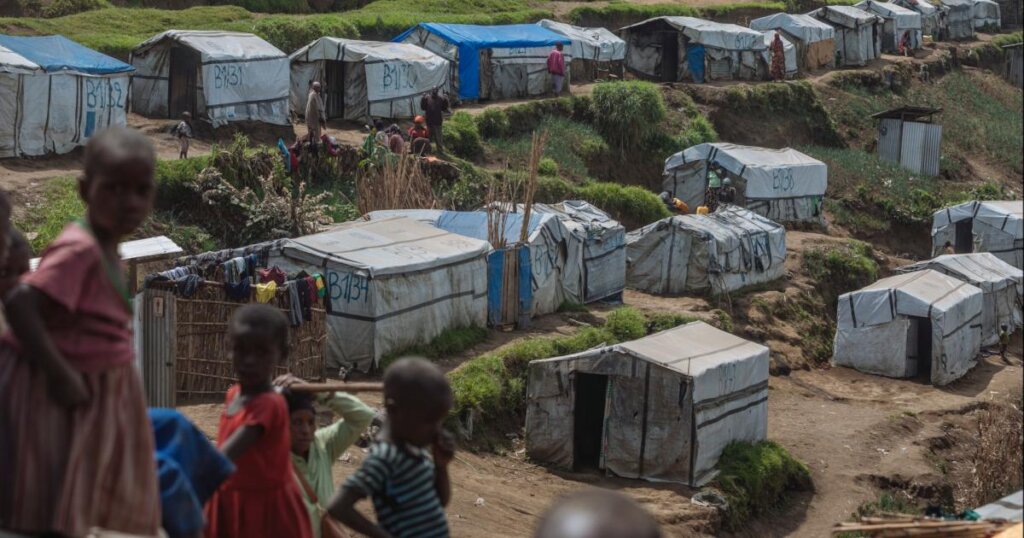
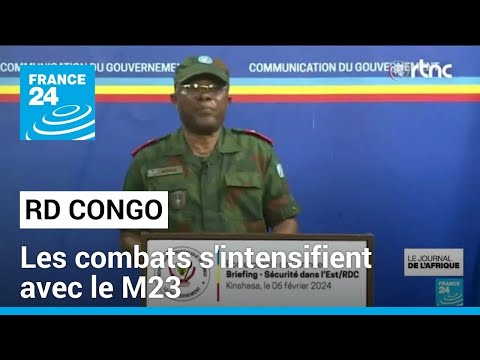
The DRC is experiencing one of the world's most complex humanitarian emergencies. Conflict and insecurity, particularly in eastern provinces, have displaced families and disrupted livelihoods, education, healthcare and access to basic services.
According to the Food and Agriculture Organization (FAO), approximately 28.8 million people in the DRC are experiencing high levels of acute food insecurity. The latest Integrated Food Security Phase Classification (IPC) analysis, released on 30 October 2026, also identifies severe food insecurity in North Kivu, South Kivu and Ituri.
The International Organization for Migration (IOM) identifies displacement, insecurity and restricted humanitarian access as major challenges affecting vulnerable communities.
These conditions increase the risks faced by children, women, older people, people with disabilities, displaced households and families with limited resources.
## 3. Project Goal
To provide life-saving humanitarian assistance and protection to vulnerable people affected by conflict, displacement, hunger and poverty in the Democratic Republic of the Congo.
## 4. Specific Objectives
1. Provide emergency food assistance to vulnerable households.
2. Improve access to safe drinking water, hygiene and sanitation.
3. Support access to basic healthcare and nutritional assistance.
4. Provide emergency shelter and essential household supplies to displaced families.
5. Strengthen protection and support for children, women and other vulnerable people.
6. Mobilize international funding and humanitarian partnerships to respond to urgent community needs.
## 5. Main Project Activities
### A. Emergency Food Assistance
- Distribute essential food packages to vulnerable households.
- Support families experiencing severe food shortages.
- Prioritize households with children, pregnant women, older people and people with disabilities.
- Where feasible, support community-based food assistance initiatives.
### B. Clean Water, Hygiene and Sanitation
- Support access to safe drinking water.
- Distribute hygiene kits and essential sanitation materials.
- Promote hygiene awareness and disease prevention.
- Support practical community-level water and sanitation initiatives where appropriate.
### C. Healthcare and Nutrition Support
- Assist vulnerable families in accessing basic healthcare.
- Provide essential medical supplies through qualified local health partners.
- Support nutritional assistance and referrals for children and other people at risk of malnutrition.
- Promote disease prevention and health awareness.
### D. Emergency Shelter and Household Supplies
- Support displaced households lacking safe accommodation.
- Provide essential household items, blankets, sleeping materials and basic supplies.
- Assist vulnerable families with emergency shelter materials where access and local conditions permit.
### E. Protection of Children and Vulnerable Families
- Support vulnerable children and families with essential assistance.
- Promote safe access to protection and referral services.
- Prioritize women, children, older people and people with disabilities.
- Support access to education-related essential materials where resources permit.
## 6. Target Beneficiaries
The project intends to prioritize:
- Internally displaced families.
- Children affected by conflict and poverty.
- Women and female-headed households.
- Pregnant and breastfeeding women.
- Older people.
- People living with disabilities.
- Families facing severe food insecurity.
- Vulnerable host communities affected by displacement and insecurity.
**Geographic focus:** Conflict-affected and highly vulnerable communities in the eastern DRC, including North Kivu, South Kivu and Ituri, subject to needs assessments, humanitarian access, security conditions and local partnerships.
The final number of beneficiaries will be established after funding, local assessments and confirmation of delivery capacity. No beneficiary total is claimed at this fundraising stage.
## 7. Proposed Project Budget
The following is an indicative allocation of the USD 245,600 fundraising target. It is a proposed budget, not a statement of expenditure already incurred.
| Budget category | Proposed amount |
|---|---:|
| Emergency food assistance | $70,000 |
| Clean water, hygiene and sanitation | $35,000 |
| Healthcare and nutrition support | $45,000 |
| Emergency shelter and household supplies | $50,000 |
| Child protection and vulnerable family support | $20,000 |
| Transportation, logistics, monitoring and administration | $25,600 |
| **TOTAL** | **$245,600** |
All expenditure should be supported by appropriate financial records, procurement documentation and activity reports. Final allocations may be adjusted transparently according to verified needs, donor restrictions and implementation conditions.
## 8. Implementation Strategy
The proposed project will be implemented over 12 months through the following phases:
**Phase 1 – Preparation and Assessment (Months 1–2)**
- Identify priority communities and humanitarian needs.
- Assess access, safety and delivery capacity.
- Identify qualified local partners and suppliers.
- Establish beneficiary selection and accountability procedures.
**Phase 2 – Emergency Assistance (Months 3–6)**
- Begin food and essential household assistance.
- Support access to water, hygiene and basic healthcare.
- Prioritize the most vulnerable households.
**Phase 3 – Continued Assistance (Months 7–10)**
- Continue distributions and referrals according to assessed needs.
- Monitor assistance quality and beneficiary feedback.
- Adapt activities to changing humanitarian conditions.
**Phase 4 – Evaluation and Reporting (Months 11–12)**
- Review project results and expenditure.
- Collect beneficiary feedback.
- Prepare a final narrative and financial report for donors.
- Identify lessons and opportunities for continued support.
## 9. Monitoring, Evaluation and Accountability
The organization proposes to use the following monitoring measures:
- Number of households receiving food assistance.
- Number of people supported with safe water and hygiene materials.
- Number of people assisted through healthcare and nutrition activities.
- Number of households receiving shelter and essential supplies.
- Number of vulnerable children and families referred to protection services.
- Financial records showing donations received and funds spent.
- Beneficiary feedback, complaints and satisfaction records.
The organization will seek to ensure transparent beneficiary selection, responsible use of donations, appropriate documentation and protection against exploitation and abuse.
## 10. Risk Management
The project recognizes several possible risks:
**Insecurity and armed conflict:** Activities will be adapted to security assessments and safe access conditions.
**Limited humanitarian access:** Local partners and alternative delivery arrangements may be considered where appropriate.
**Funding shortages:** Activities will be prioritized according to available resources and urgent needs.
**Disease outbreaks:** Health and hygiene activities will follow appropriate public-health guidance.
**Fraud and misuse of funds:** Financial controls, supporting documents, procurement procedures and expenditure reviews will be used.
## 11. Sustainability and Community Participation
Although the project focuses on emergency relief, it will seek to strengthen local participation and community capacity.
Where feasible, implementation will involve local organizations, community representatives, qualified service providers and relevant authorities. Community feedback will help identify priorities and improve the quality of assistance.
The project will also seek opportunities to connect emergency support with longer-term recovery, livelihoods and access to essential services.
## 12. Fundraising Status
The campaign's current fundraising position is:
- **Fundraising target:** USD 245,600
- **Amount raised:** USD 1,358
- **Remaining amount:** USD 244,242
- **Fundraising progress:** Approximately 0.55%
The amount raised represents campaign donations reported to date. It should not be interpreted as money already spent or as proof that project activities have been completed.
Additional funding is essential to move from fundraising and preparation toward a larger humanitarian response.
## 13. Appeal to International Donors and Partners
The Community of National Artistic Unity invites international foundations, humanitarian institutions, companies, development partners, NGOs and individual philanthropists to support the Democratic Republic of Congo Crisis Relief Fund.
Your contribution can help vulnerable families access food, clean water, healthcare, shelter and protection during a difficult period.
We welcome:
- Financial contributions.
- Humanitarian and material donations.
- Institutional and foundation grants.
- Partnerships with qualified local organizations.
- Technical and logistical support.
- Long-term humanitarian cooperation.
Every contribution will help advance the project's humanitarian objectives. Donors will be provided with appropriate updates and financial reporting in accordance with the organization's capacity and donor requirements.
## 14. Conclusion
The humanitarian crisis in the Democratic Republic of the Congo requires continued international solidarity and practical action.
Through the Democratic Republic of Congo Crisis Relief Fund, the Community of National Artistic Unity seeks to mobilize USD 245,600 to support vulnerable people affected by conflict, displacement, hunger and poverty.
With USD 1,358 raised so far, the campaign still requires USD 244,242 to reach its target.
International support can help turn this humanitarian commitment into practical assistance for families and communities in need.
**Together, we can support vulnerable families, protect human dignity and help save lives in the Democratic Republic of the Congo.**
---
**Prepared by:**
Community of National Artistic Unity
**Project:** Democratic Republic of Congo Crisis Relief Fund
**Fundraising Goal:** USD 245,600
![Share on Twitter]()
![Share on Facebook]()