By Lucia Gvozdjakova | Project coordinator
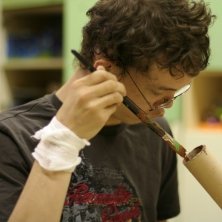
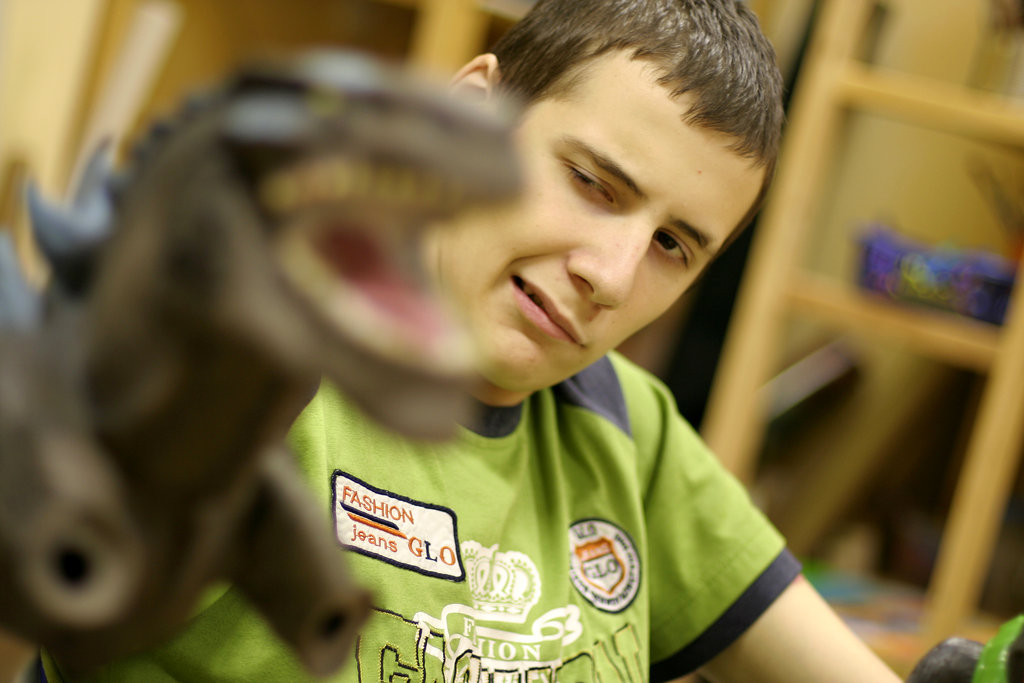
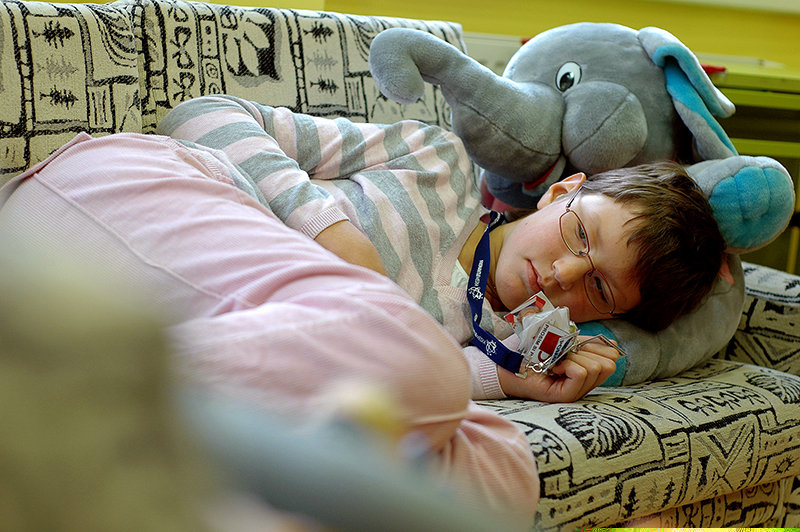
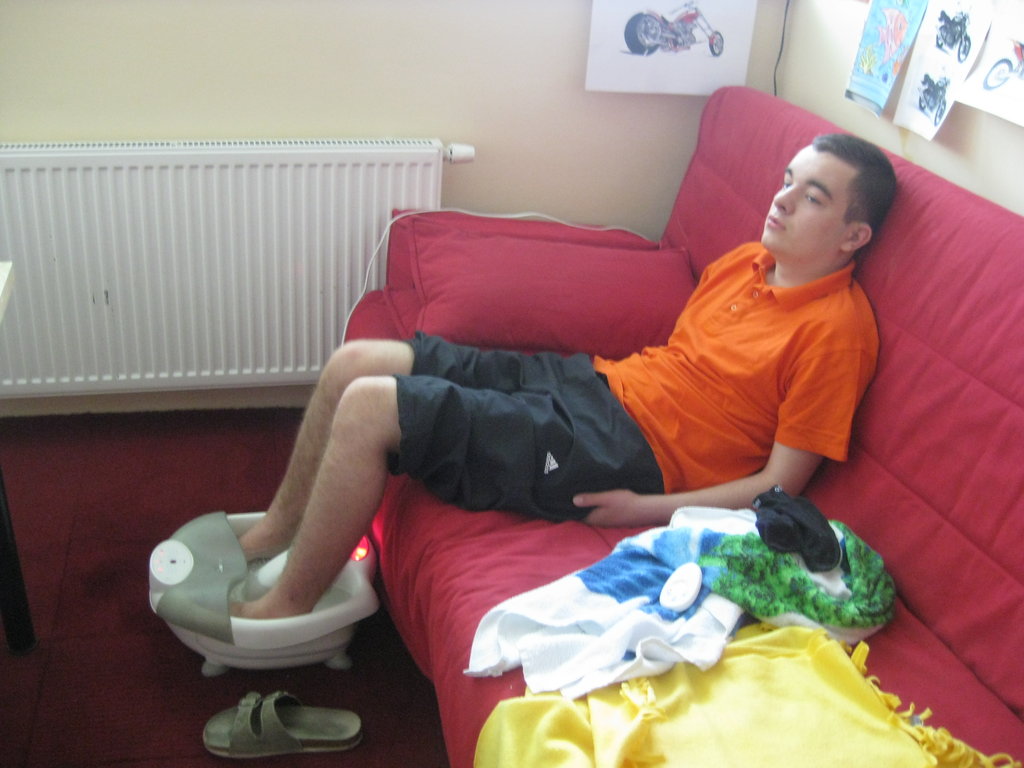
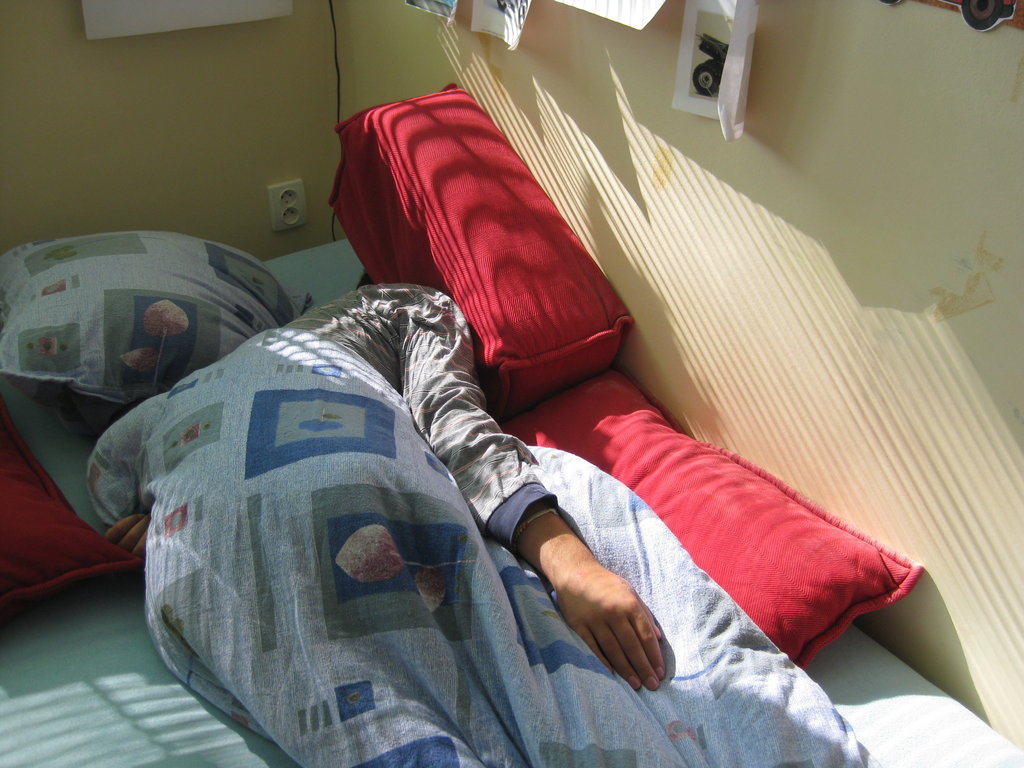
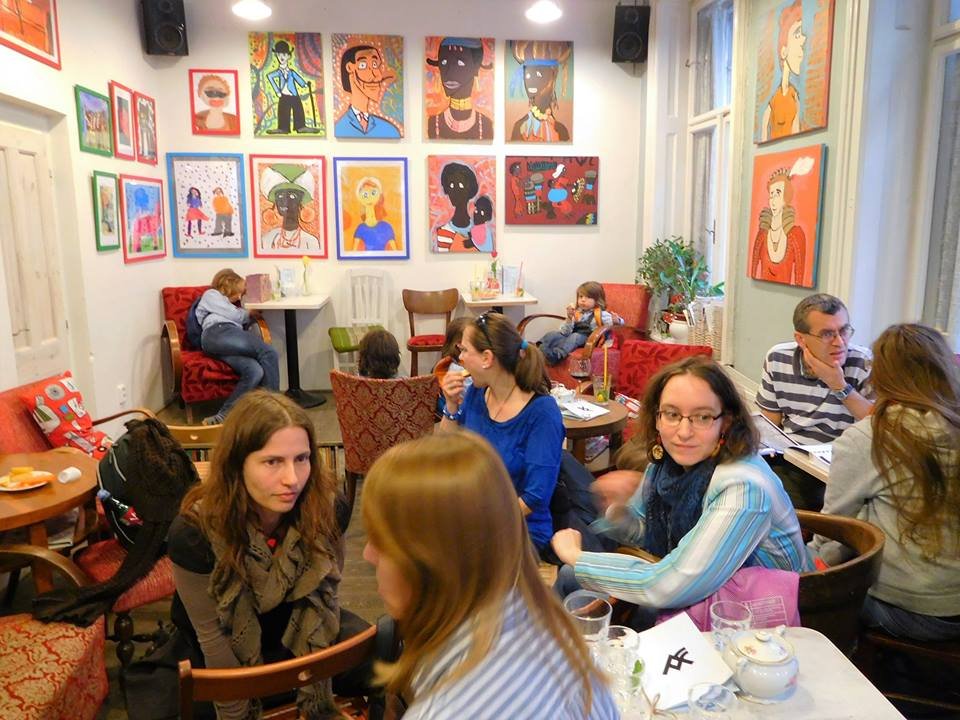
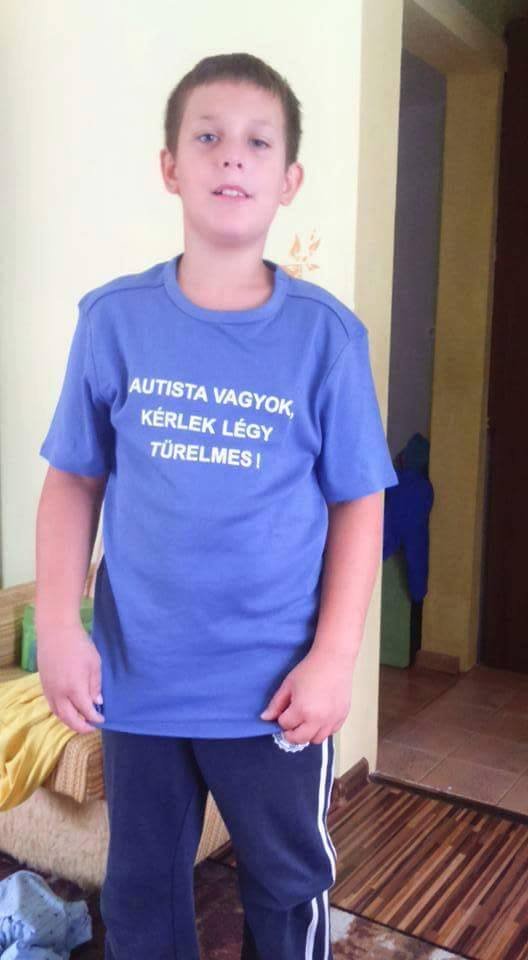
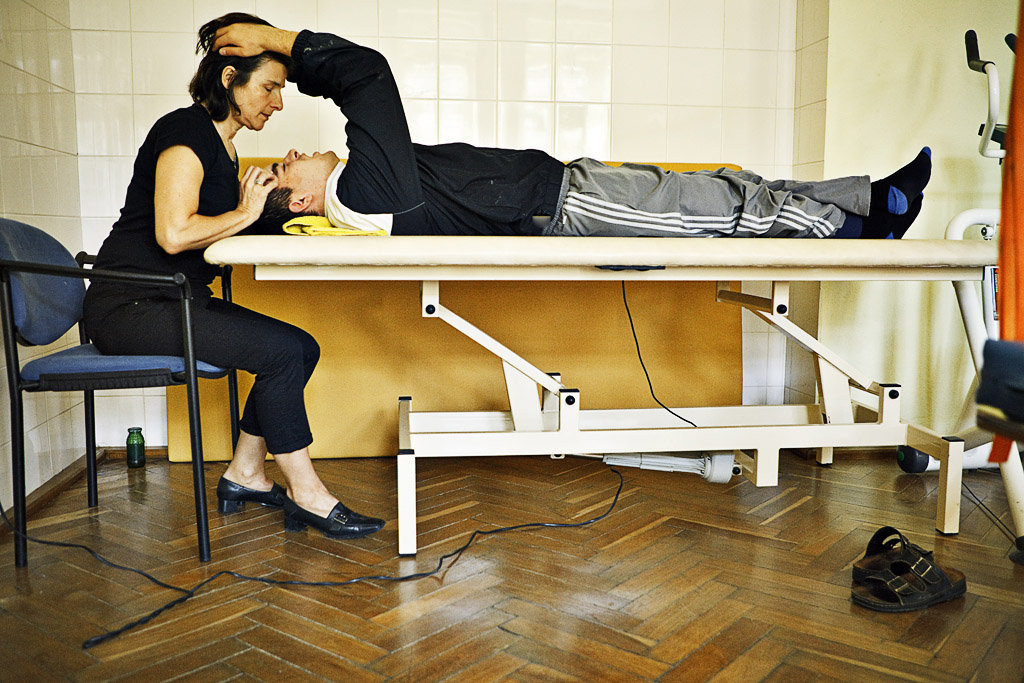
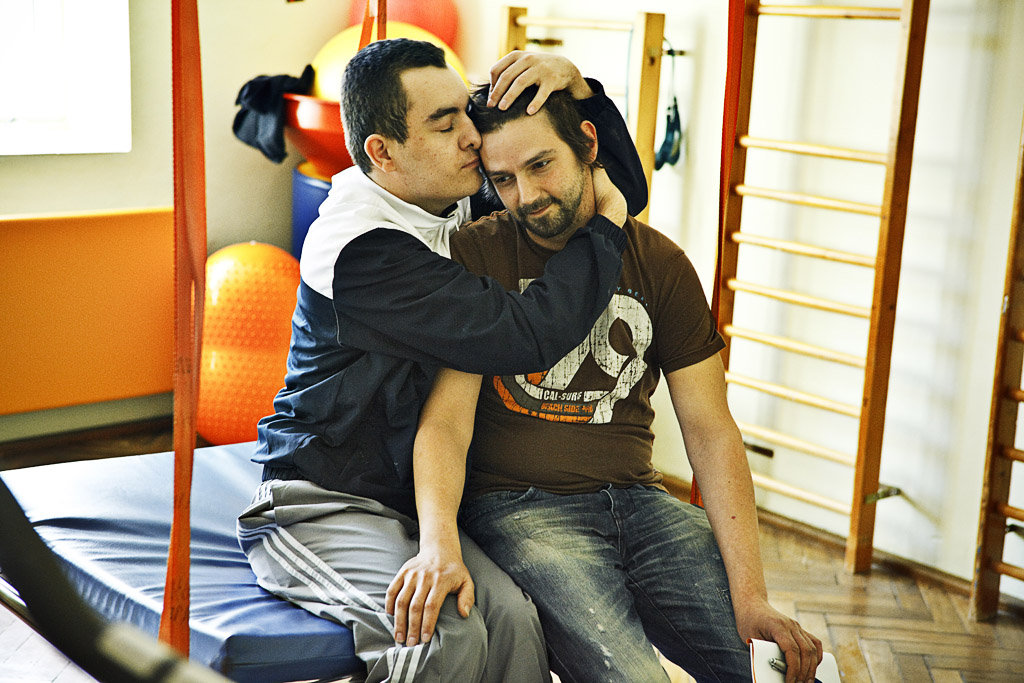
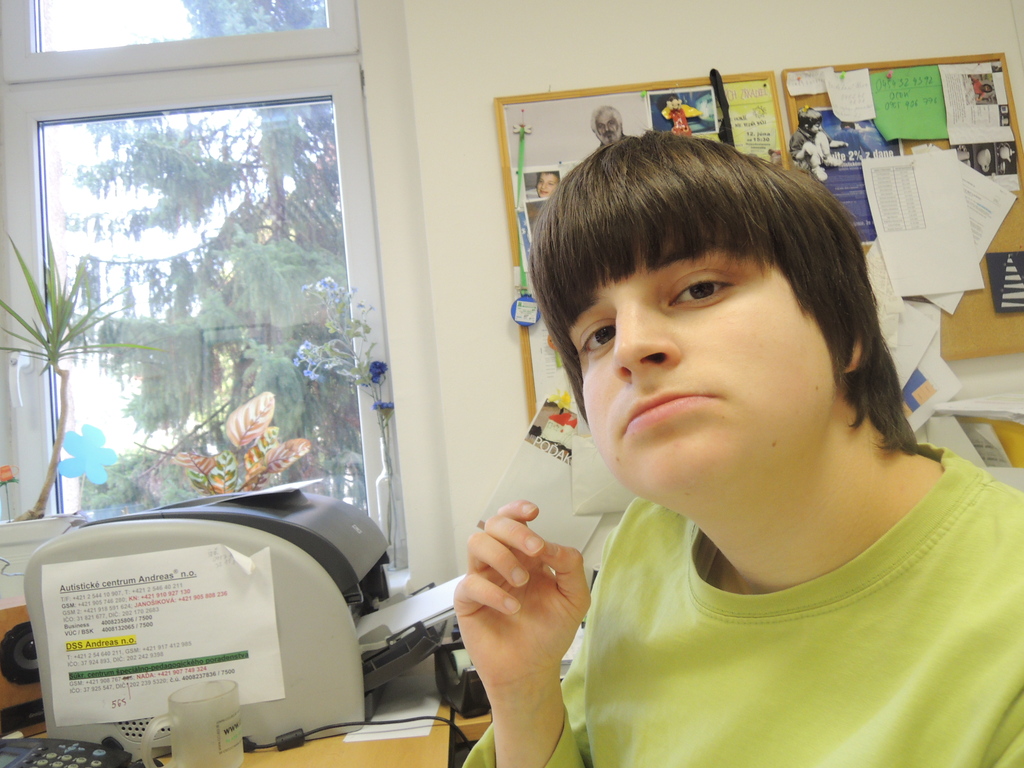
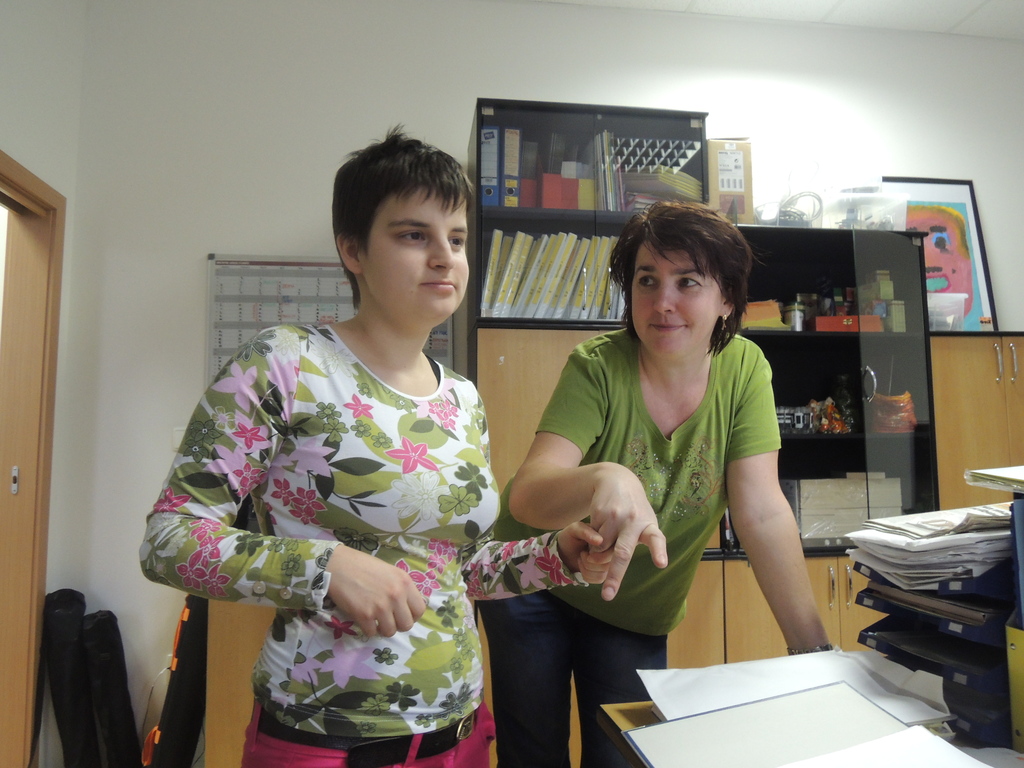
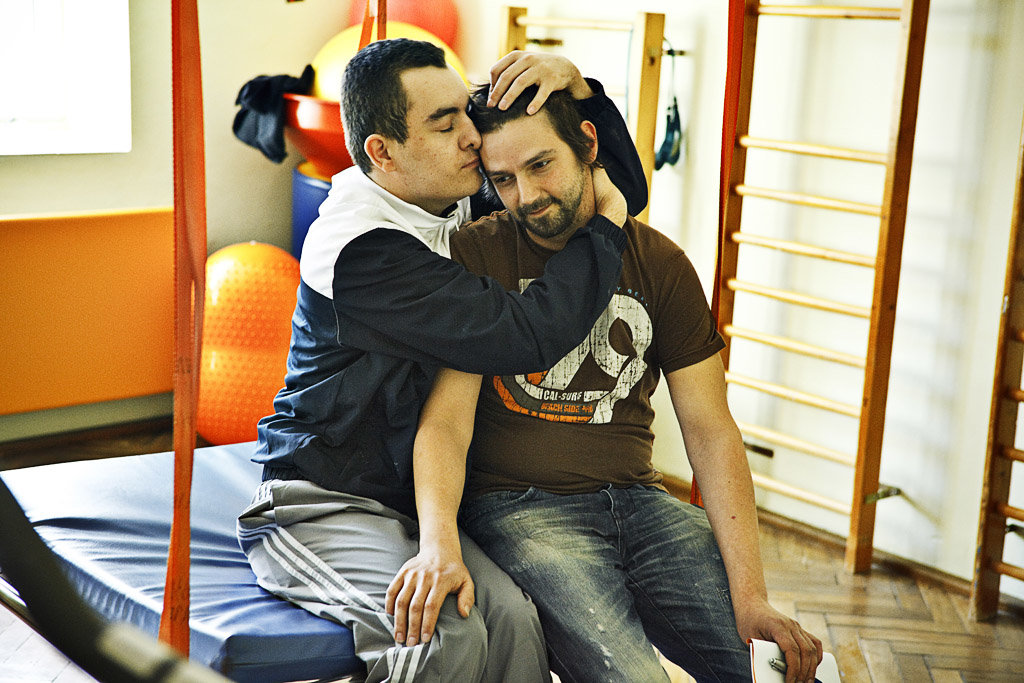
For parents without parents is a project, that gives parents of children with autism an opportunity to gain new strengths. In Autistic center Andreas we organize short time stays for children with autism. During that time their parents can devote their time and energy to their own hobbies and activities.
Since January to June 2015 we had organized eight two-day stays for children with autism. During summer holiday we plan organize one week for children up to 10 year old.
Magda’s story continues...
Perhaps it is only in films that a child with autism becomes healthy as if by magic and everybody lives happily ever after... I must admit that in my neighbourhood I have not met with such happy ends even though over the last 26 years I have encountered many families who experience every day what it means to live with ASD – Autism Spectrum Disorders. For instance, I know a mother who has to wear leather gloves even when the temperature is 30 degrees Celsius because her 21-year-old son shows his mood by biting hands. A mother who collapsed and spent a week in hospital when her close ones realized that it was beyond human strength for her to carry alone the burden of care for her autistic daughter. A mother who was being hit by household items or stabbed with a pen by her son in puberty who was bewildered with himself. Parents who gave up any social contact with others because they spent all their time with their son. A woman who while taking care of her handicapped son for several years also took care of her mother who had suffered a stroke and was mainly bedridden and incontinent. A divorced mother who was under treatment for cancer and dying while being aware that she was leaving her 10-year-old daughter with autism and her younger sister alone and without any relatives. (In this case, human solidarity showed its face and friends of hers who also have an autistic child took the girls in).
Of course we, the parents of autistic children, can also experience feelings of joy, happiness; we rejoice in the achievements of our children and we love them with all our heart. However, we also face problems that everybody sooner or later experiences: middle age crisis, breakups of marriages, infidelity, problems at work, illnesses, problems with the siblings of handicapped children, not mentioning problems concerning the adolescence of children with ASD. In addition, some questions arise: how to take care of our parents when they reach an age at which they are not able to take care of themselves anymore, how to cope with our own mortality, what will happen to my child when I am not there anymore.
My autistic girl has become a grown woman but she has not flown the nest. With her soul and intelligence she always remains a child who in many cases requires constant supervision by another person. Yet we and many other parents are lucky enough in that our autistic child attends some kind of institution offering social services for a certain period during a day. However, each day has 24 hours and they must be filled. But our children are not able to do even regular self-service activities, are not afraid of danger, cannot organise their free time on their own and their interests are very limited. Sooner or later physical or mental illnesses may appear: depression, epilepsy. And suddenly you realize that you are at the beginning again. Suddenly, the usual habits are gone and new ‘survival strategies’ must be chosen.
Mere care for an autistic child is exhausting. But where to find the strength and time for dealing with all the other things that life can bring? And what about the theatre, concerts, sport, hobbies? Is it possible alongside all the rest to sit down and read an interesting book with a clear conscience? Without an inner voice whispering that you should be doing something more useful?
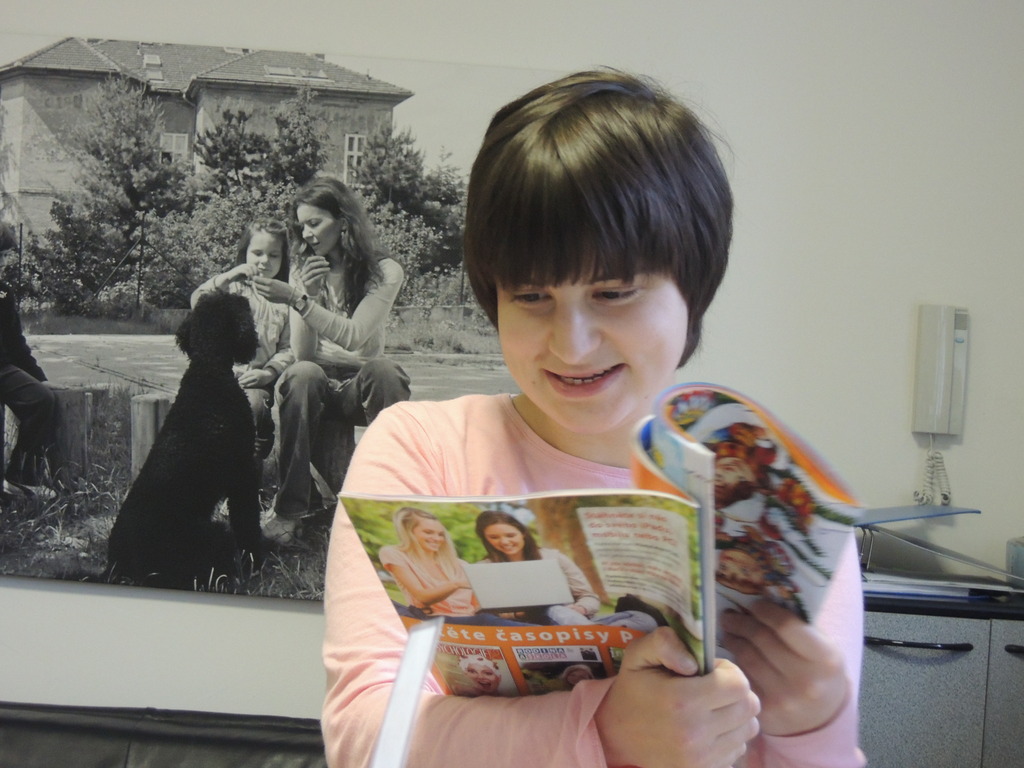
The project ‘For parents without parents’ gives me personally something that I value highly. It gives me free time. I made a promise that I will use it just for myself. When Magda is in the Andreas centre, I do what I want, not what I have to do. It gives me more energy and I can enjoy time together with my daughter in a good mood.
Before, I could not imagine winter without skiing, summer without swimming in a lake or sweating on a bike. But my daughter was born and as she grew up, I have not even noticed that swimming now means just a few strokes, my skis have been put away for good and my bicycle has rusted forgotten in the corner from the time Magda grew out of her child seat. But I am glad to realize that when I know that Magda is safe – in the care of her tutor at the Andreas centre – we are finally starting to enjoy the ordinary joys of life. After all, you never forget how to ride a bike!
Video of Magda and music therapy:
Project reports on GlobalGiving are posted directly to globalgiving.org by Project Leaders as they are completed, generally every 3-4 months. To protect the integrity of these documents, GlobalGiving does not alter them; therefore you may find some language or formatting issues.
If you donate to this project or have donated to this project, you can receive an email when this project posts a report. You can also subscribe for reports without donating.