By Veronika Lipkova | Project coordinator
Imagine asking two teenagers how they are feeling. Both of them will give you a reserved “fine” and turn away from you. They don’t feel like talking about it.
And now imagine that they both draw their “fine”. One of the drawings is full of nervous, sharp movements, red splotches are blotted out by pitch-black darkness in some places; pencils break under the pressure, the drawing looks as if on fire. The other drawing is almost without colour, pale, here and there are bits of blue nostalgia. It looks like a tired grey cloud... They didn’t have to say a thing and yet they expressed their feelings. The first drawing tells about feelings of anger, maybe injustice, the second one is more of an expression of sadness.
That, too, is what art therapy is about. It gives us an opportunity to express our feelings through art using our own “words” without the restrictions and traps of our vocabularies. Even those of us who are otherwise very capable verbally often suddenly freeze when talking about feelings. After all it’s very difficult to talk about sadness, hopelessness, and helplessness; we don’t want to risk being misunderstood. At other times we feel that it’s impossible to put what we are going through into words. “My sadness is not the same as yours,” we feel like saying when someone claims they understand us and immediately adds something that proves the complete opposite. Because when two people talk about sadness both of them can experience it in different ways when it comes to intensity, oppressiveness, and future prospects. To talk about the details of our sadness is a really big challenge.
Children should not lose their siblings and parents. Parents should not lose their children. It happens, every day. Join us and help families suffering the loss of their loved ones. Become a donor for Plamienok – become a ray that warms up their days.
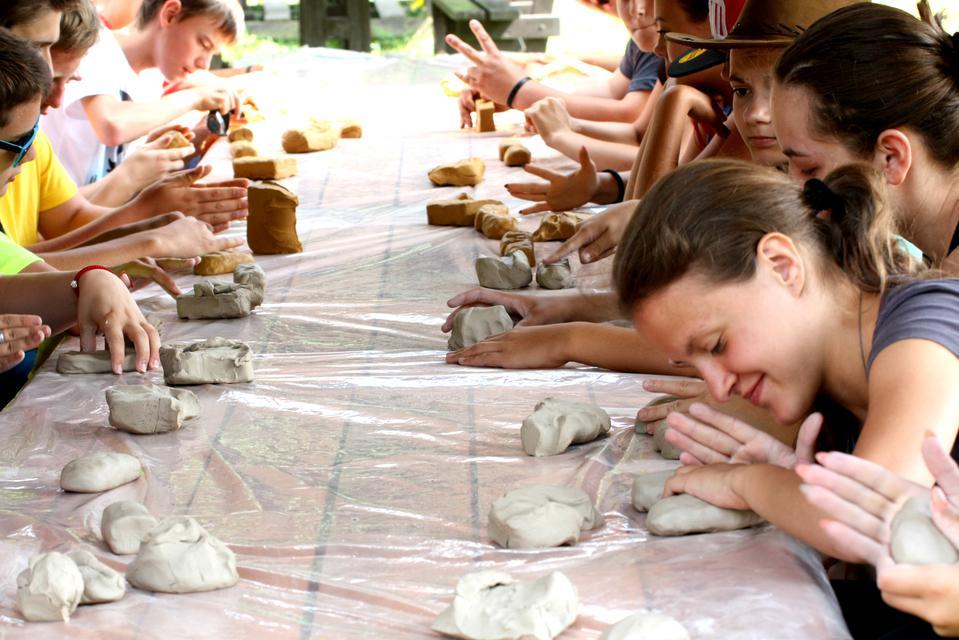
In instances such as these, paintings, statues and other works can “talk” for us. They can capture what is really happening in our minds because while creating we are using different parts of our brains than while talking. It’s not as careful, controlled and maybe toned down as with words. What’s more, when it comes to art therapy there is also the sheet of paper, clay, or some other material we communicate with and it definitely won’t oppose us or judge anything we create.
We can also talk about our work in third person. It’s safe. For example, a little boy draws a figure of a boy who is shouting and scowling. He tells you that the boy in the picture is very angry because his parents don’t have time for him. You may think that he could say this “straight out” but what if the boy’s parents spend most of their time caring for his sick sibling and therefore he feels guilty about his anger? Other adults could have told him that if he behaves like this, he is “a bad boy” and that is the reason he won’t talk to you about his anger so easily. However, it does not concern only children. We adults are also often faced with feelings that are not tolerated by our society, but we still need to get them of our chests. And art therapy can help us with that in the same way. When we draw or mould these feelings, they are no longer only inside of us, but they are also on the sheet of paper or in the clay right in front of us. There we can see them better which allows us to better understand ourselves and our minds.
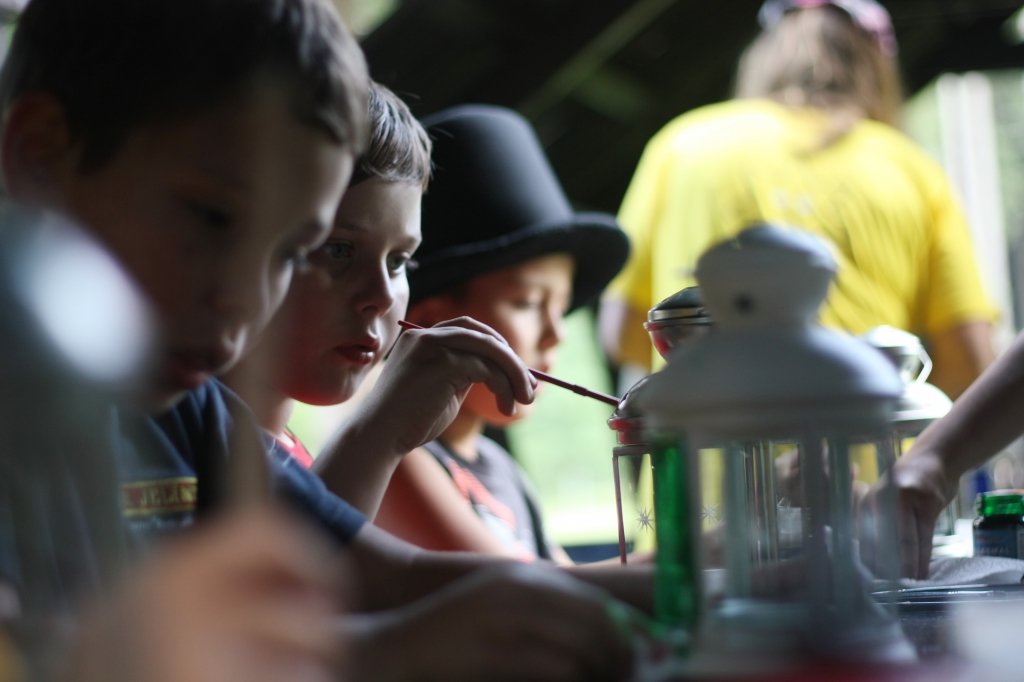
Here in Plamienok we use art therapy as well, because we believe that it provides the so much needed safe space for expressing emotions. Every single one of us experiences them in their own unique way and we respect this uniqueness.
Project reports on GlobalGiving are posted directly to globalgiving.org by Project Leaders as they are completed, generally every 3-4 months. To protect the integrity of these documents, GlobalGiving does not alter them; therefore you may find some language or formatting issues.
If you donate to this project or have donated to this project, you can receive an email when this project posts a report. You can also subscribe for reports without donating.