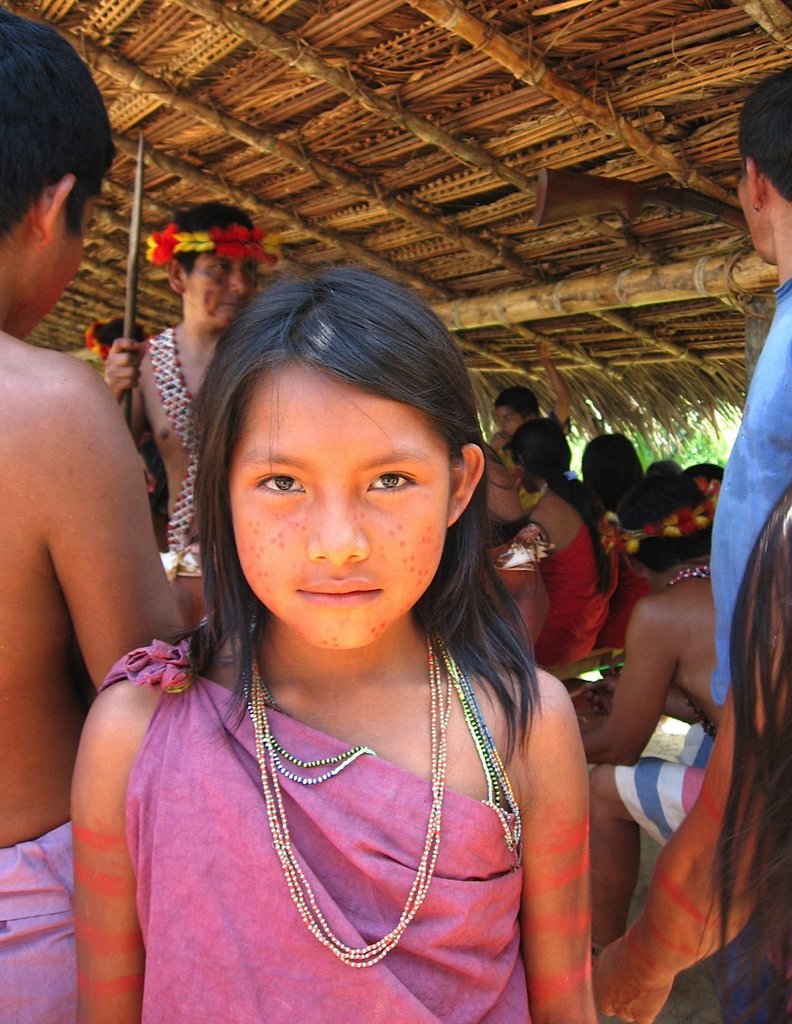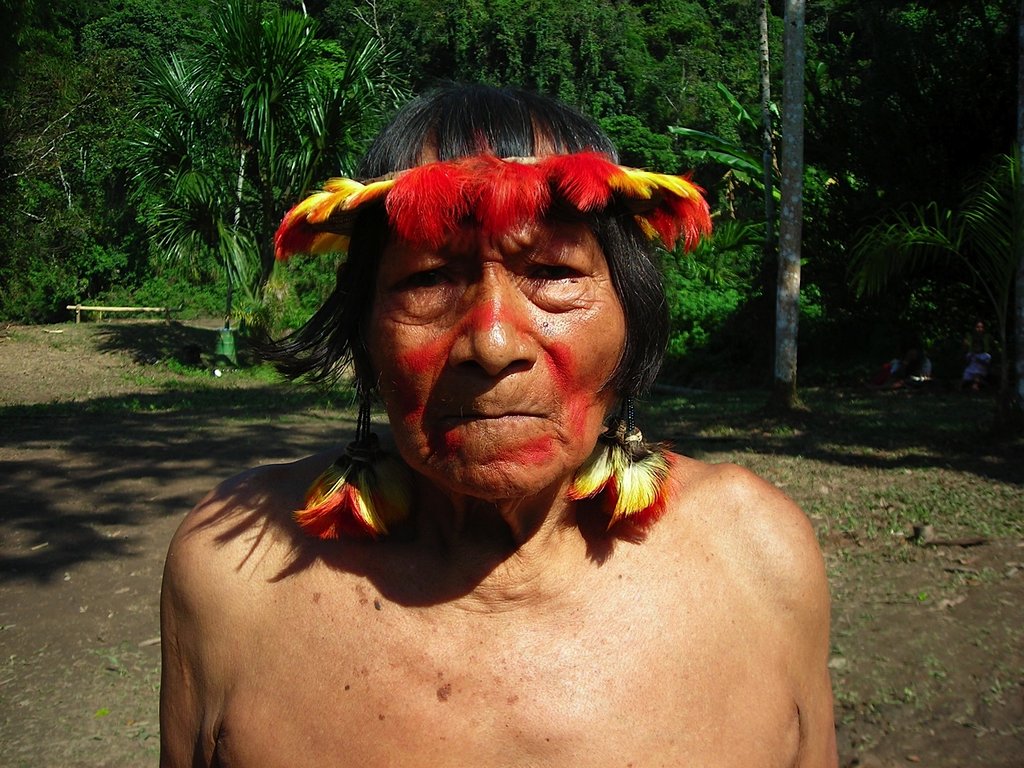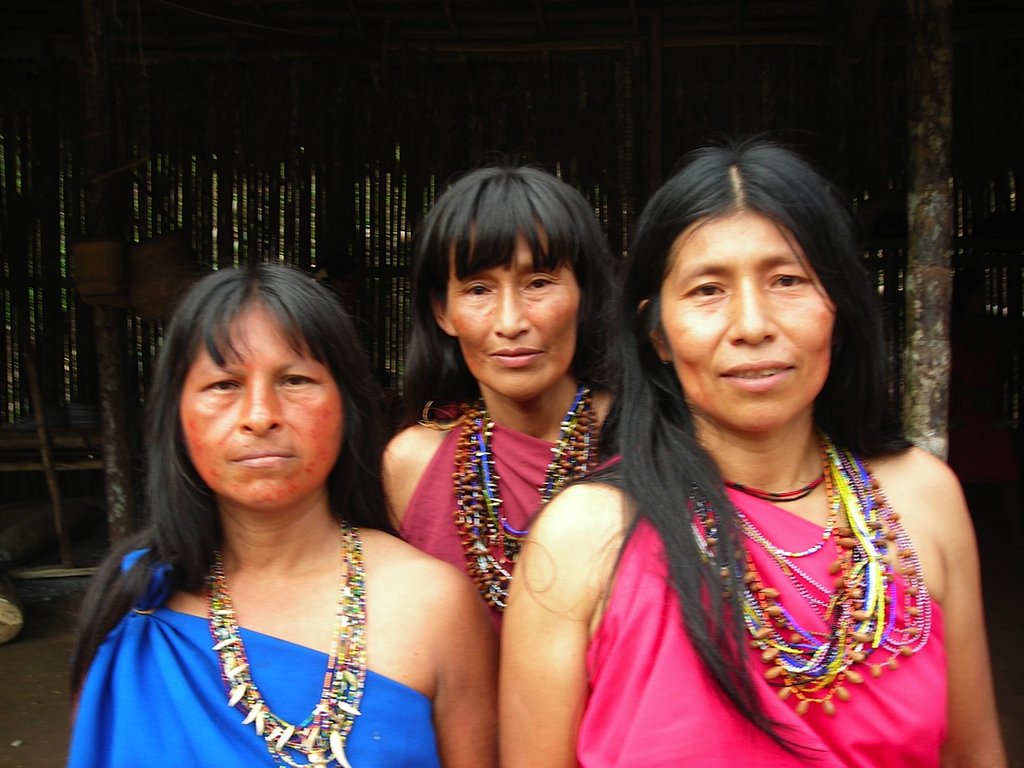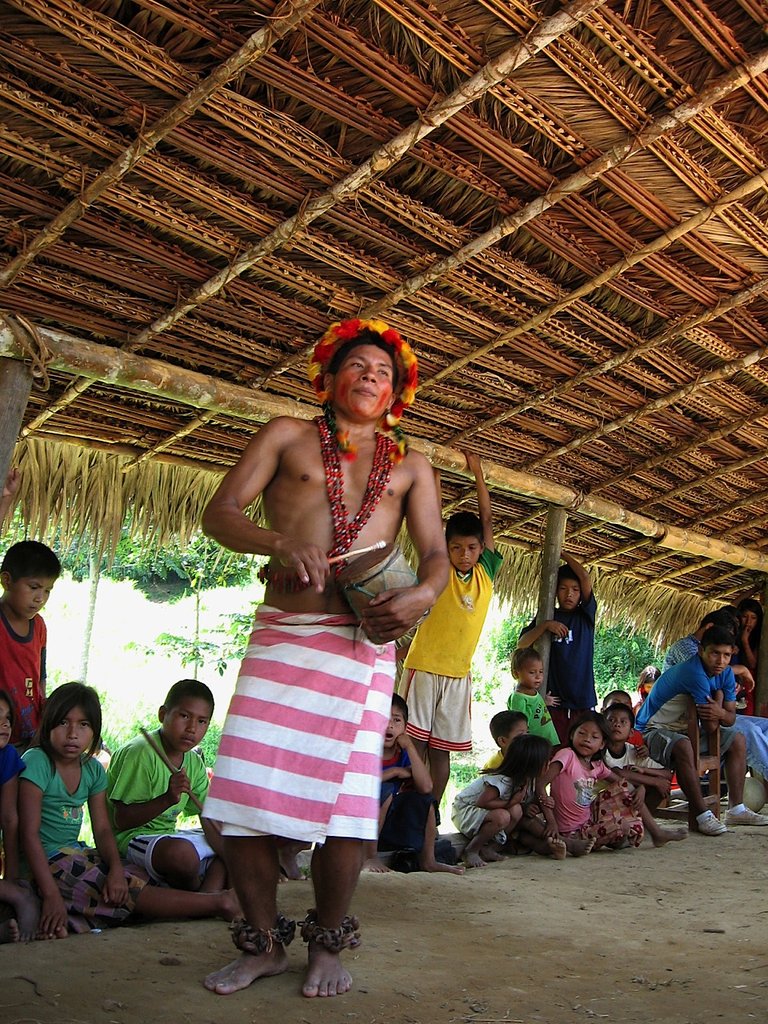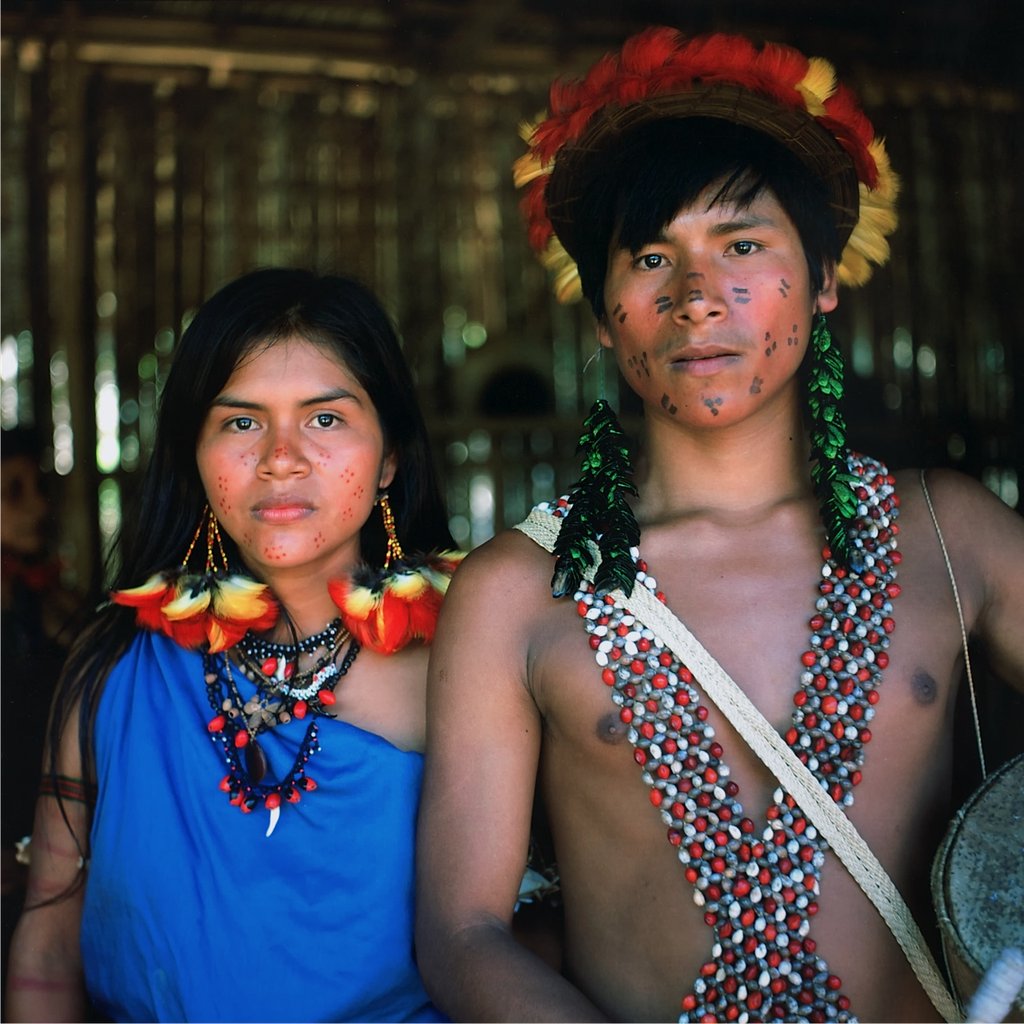
The Awajun people have lived in the headwaters of the Amazon for thousands of years. Over time, their land and river have been encroached upon by mining, logging and oil exploitation, and now by dams. In April 2014 they will come together to create a constitution and define strategies to defend their rights. The first step in this project will be for three Awajun leaders to visit impacted communities on the Maranon River and gather information to help shape their first-ever Awajun Constitution.
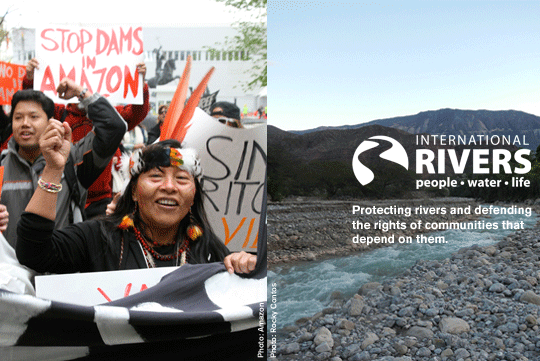
A series of 20 hydroelectric dams was approved in 2010 on the Maranon River to supply electricity for industrial activities in Brazil. If constructed, these dams would impact countless indigenous communities who have relied on their rivers for millennia. Governments and investors looking to profit from the river's power need to hear from the people who would be most affected. With limited resources, indigenous communities have been left to struggle without a unified voice.
Bringing together indigenous communities to share strategies and build a movement to protect the Maranon River will empower thousands of people who are standing up to destructive hydropower development in Peru. By presenting a unified voice, they will force decision-makers to confront the impacts of shortsighted and profit-motivated energy schemes. This indigenous gathering will provide a safe space to exchange knowledge, organize strategies and craft plans to defend their land and rivers.
Rivers unite and dams divide. This gathering of indigenous communities will cross cultural and geographic boundaries. By building alliances among communities along the Maranon River, they will have greater stewardship of their natural resources and culturally appropriate economic development. The people will have a voice about how their land and river are used and can come together with an agreeable solution for all.