Defend Children's Health in Peru

by Asociacion Interamericana Para La Defensa Del Ambiente (AIDA)
Defend Children's Health in Peru

Project Report | Feb 19, 2019
The long legal struggle for justice in La Oroya

By Liliana Avila | AIDA Human Rights Attorney

When strategizing a case, particularly such a long-term one, it’s useful to look back on where we're coming from, in order to frame future actions and understand where we’re going.

With that in mind, together with our colleagues at APRODEH, we drafted a timeline outlining the history of legal work supporting residents of La Oroya in their efforts to protect their health and wellbeing from the impacts of the heavy-polluting smelter.

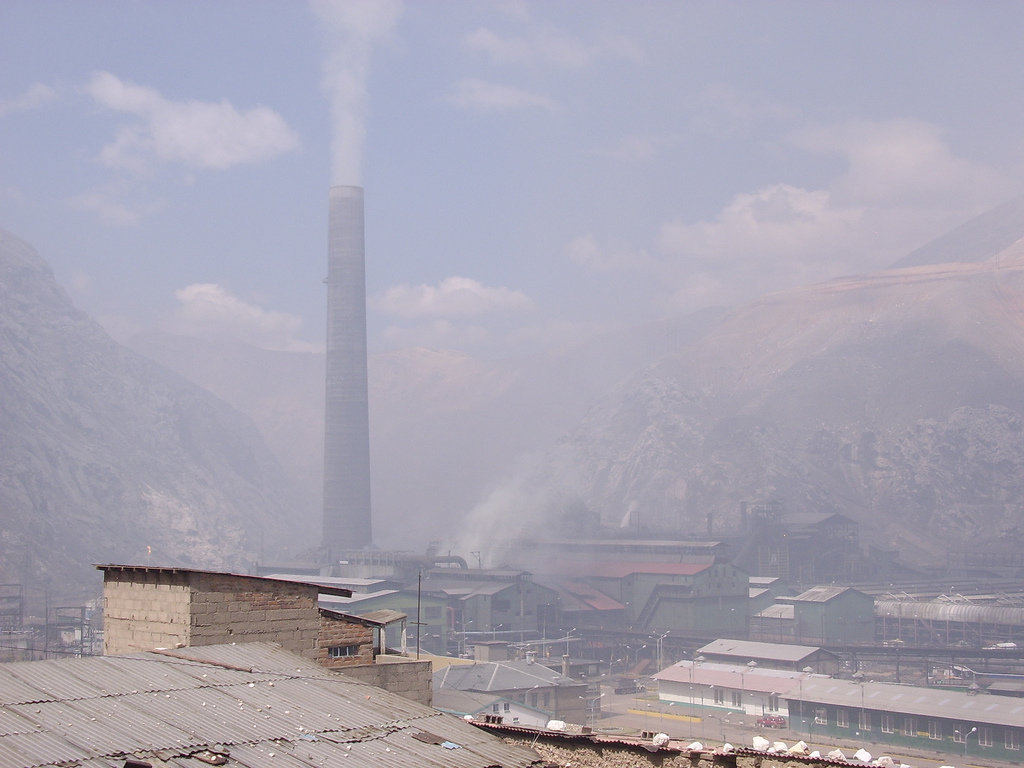
Established in 1921, by the 1940’s the La Oroya metal smelter had been named by Minería Chile as the best metal smelter in South America, and the fourth best in the world.

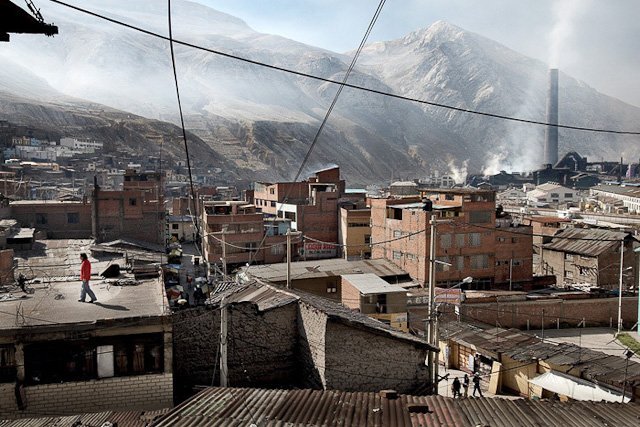
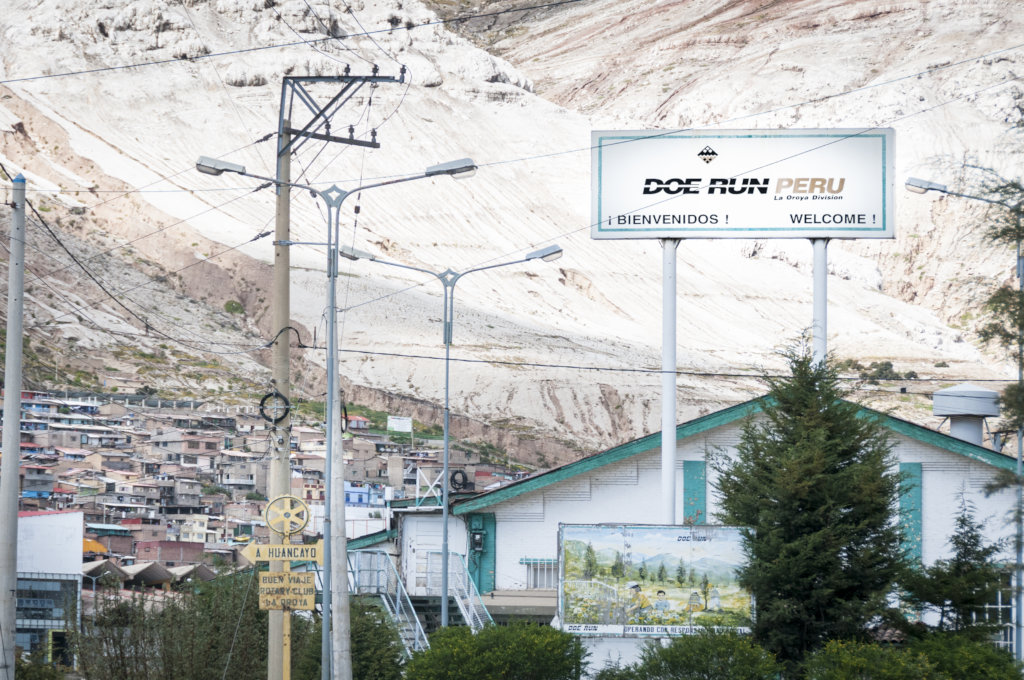
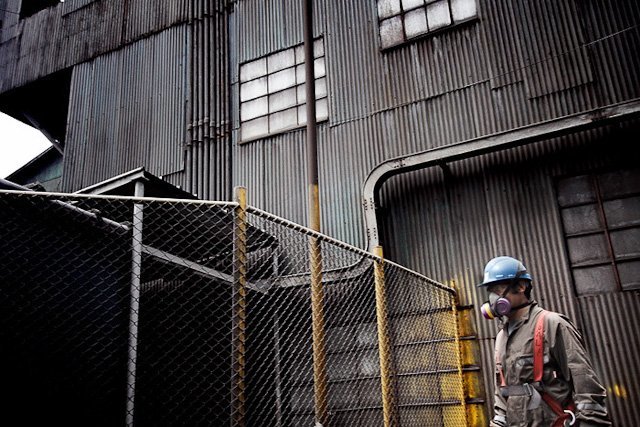
In 2007, after more than eight decades of the smelter’s operation, Time Magazine named the small city of La Oroya as one of the World’s Most Polluted Places, citing the presence of elevated lead levels in the blood of 99 percent of the city’s children.

What follows is a timeline of the legal actions (those involving AIDA in bold) that have been taken to seek accountability and protect the community’s rights in the face of such damaging pollution:

  • 2002 – Community members in La Oroya presented a case against the Peruvian State, calling for the protection of their rights to health and a healthy environment.

  • 2004 – A study by the US-based Center for Disease Control’s National Center for Environmental Health found that all the children of La Oroya had elevated levels of lead in their blood. It recommended the immediate reduction of exposure to lead and other contaminants.

  • 2005 – On behalf of a group of residents from La Oroya, AIDA, Earthjustice and the Center for Human Rights and the Environment (later joined by APRODEH) solicited precautionary measures before the Inter-American Commission of Human Rights—urging the immediate adoption of measures to protect the life and personal integrity of those affected.

  • 2006 – In response to the 2002 case, a sentence was passed declaring that demands for the betterment of health and environmental quality be complied with in a period of 30 days.

  • 2007 – As a result of the requested precautionary measures, the Inter-American Commission ordered Peru to evaluate, diagnose and treat 65 people affected by lead.

  • 2008 – On behalf of 77 children of La Oroya, a separate group of lawyers filed a case against the Renco Group in a Missouri court for presumed damages from lead exposure.
  • 2009 – The Commission determined that the actions and omissions of the State with respect to La Oroya could potentially constitute human rights violations.

  • 2010 – In a public hearing before the Commission, we provided relevant information on Peru’s lack of compliance with precautionary measures, and the weakness of efforts to address the seriousness of the situation in La Oroya.

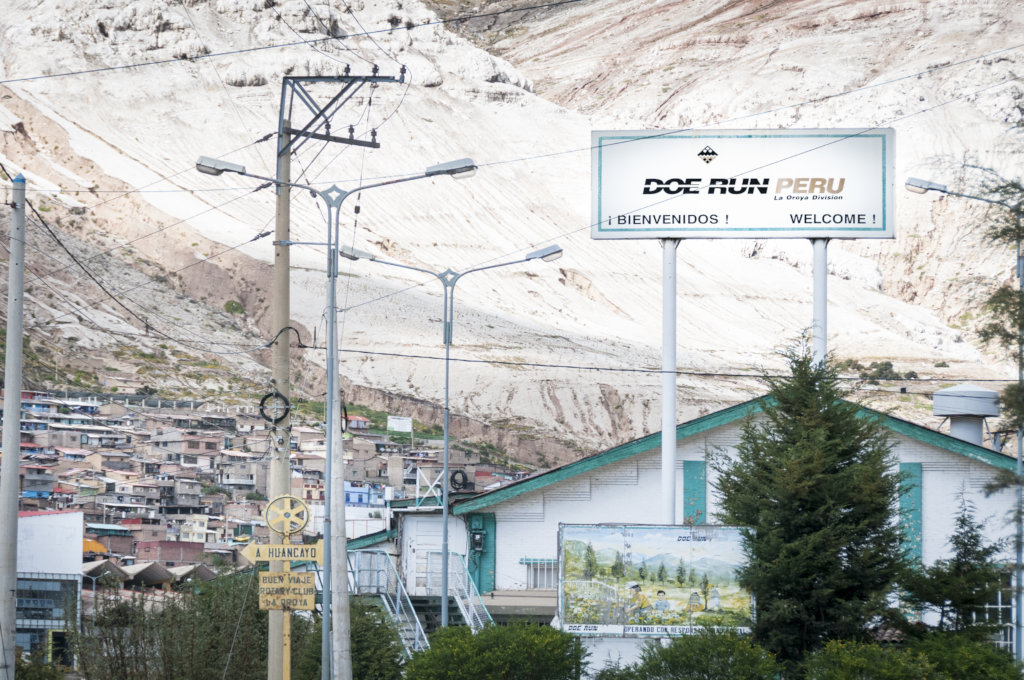
  • 2014 – A Circuit Court in Saint Louis, Missouri ruled in favor of Doe Run, stating that the company was not responsible for the damages caused to the children of La Oroya.

  • 2016 – The Inter-American Commission extended the scope of the precautionary measures to 14 other residents of La Oroya.

  • 2017 – The Supreme Court of the state of Missouri reversed the ruling in favor of Doe Run, stating that the company was indeed responsible for the damages suffered by the children of La Oroya.

Amidst all this, the smelter has closed (because of debt of the inability to comply with a State-demanded environmental program), opened, and closed again.

And since 2015, attempts at auctioning off the smelter have failed, at least partially due to stakeholders’ fears about environmental liability.

While we are still waiting for the Inter-American Commission on Human Rights to draft their final decision on the case, we remain steadfast in our determination for justice and our commitment to bettering the lives of our clients, all community members of La Oroya.

Share on Twitter Share on Facebook

Nov 21, 2018
Affecting policy on the impacts of heavy metals

By Liliana Avila | AIDA Human Rights Attorney

Aug 23, 2018
Continuing to raise their voices for justice

By Liliana Avila | Senior Human Rights Attorney

About Project Reports

Project reports on GlobalGiving are posted directly to globalgiving.org by Project Leaders as they are completed, generally every 3-4 months. To protect the integrity of these documents, GlobalGiving does not alter them; therefore you may find some language or formatting issues.

If you donate to this project or have donated to this project, you can receive an email when this project posts a report. You can also subscribe for reports without donating.

Sign up for updates

Organization Information

Asociacion Interamericana Para La Defensa Del Ambiente (AIDA)

Location: San Francisco, CA - USA
Website:
Facebook: Facebook Page
X / Twitter: Profile
Asociacion Interamericana Para La Defensa Del Ambiente (AIDA)
Astrid  Puentes
Project Leader:
Astrid Puentes
Mexico City , Mexico

Funded Project!

Combined with other sources of funding, this project raised enough money to fund the outlined activities and is no longer accepting donations.
   

Still want to help?

Find another project in Peru or in Physical Health that needs your help.
Find a Project

Learn more about GlobalGiving

Teenage Science Students
Vetting +
Due Diligence

Snorkeler
Our
Impact

Woman Holding a Gift Card
Give
Gift Cards

Young Girl with a Bicycle
GlobalGiving
Guarantee

Get incredible stories, promotions, and matching offers in your inbox

WARNING: Javascript is currently disabled or is not available in your browser. GlobalGiving makes extensive use of Javascript and will not function properly with Javascript disabled. Please enable Javascript and refresh this page.