By Bill Brower | GlobalGiving Field Program Officer
Bill Brower is a Field Program Officer with GlobalGiving who is visiting our projects throughout Southeast Asia. On February 23 he visited the headquarters of Proximity Design, the successor organization to IDE-Myanmar, in their Yangon office.
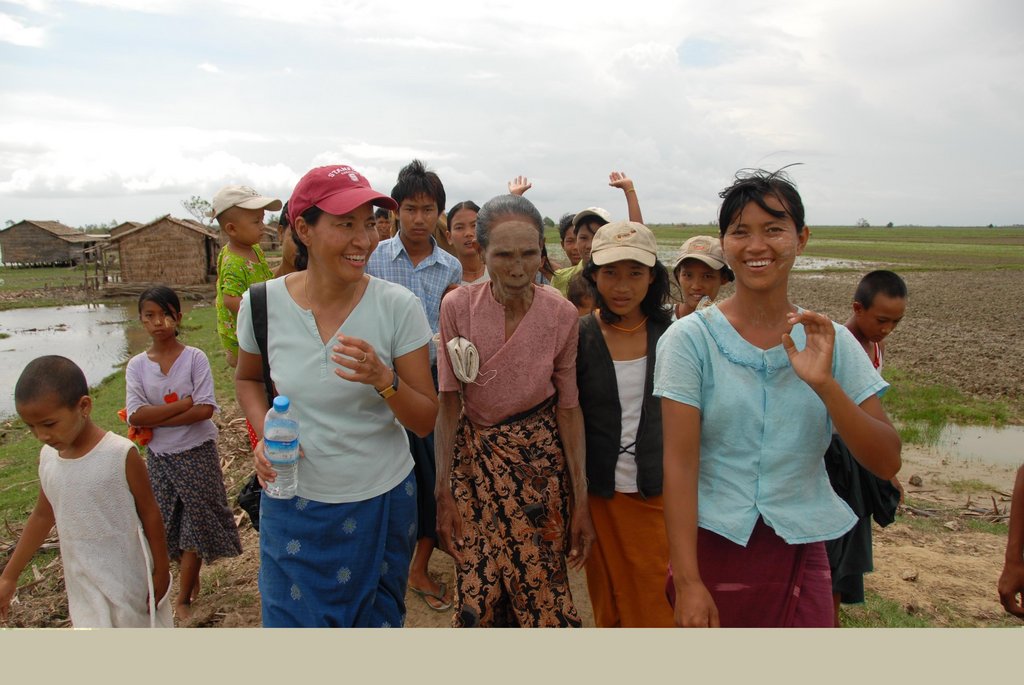
“We have better customer satisfaction than Apple with the iPod.” Jim and Debbie Taylor, who started IDE-Myanmar and head up its current incarnation as Proximity Design, seem to have taken the best bits from the business world, including measuring and paying meticulous attention to customer feedback, and integrated them very effectively to the approach of their non-profit organization. Jim describes them as a hybrid in another way, employing almost entirely local staff and making all decisions locally but taking advantage of international networks and talent where appropriate. It’s a different kind of development, very much in the vein of what Bill Easterly and others call for, which learns from decades of collective ineffectiveness. It is accountable, appropriate and driven by the needs of the community. It is this approach that the Taylors and their staff brought to their disaster relief efforts following Cyclone Nargis in May 2008, and continue to bring to many of the communities affected by the storm.
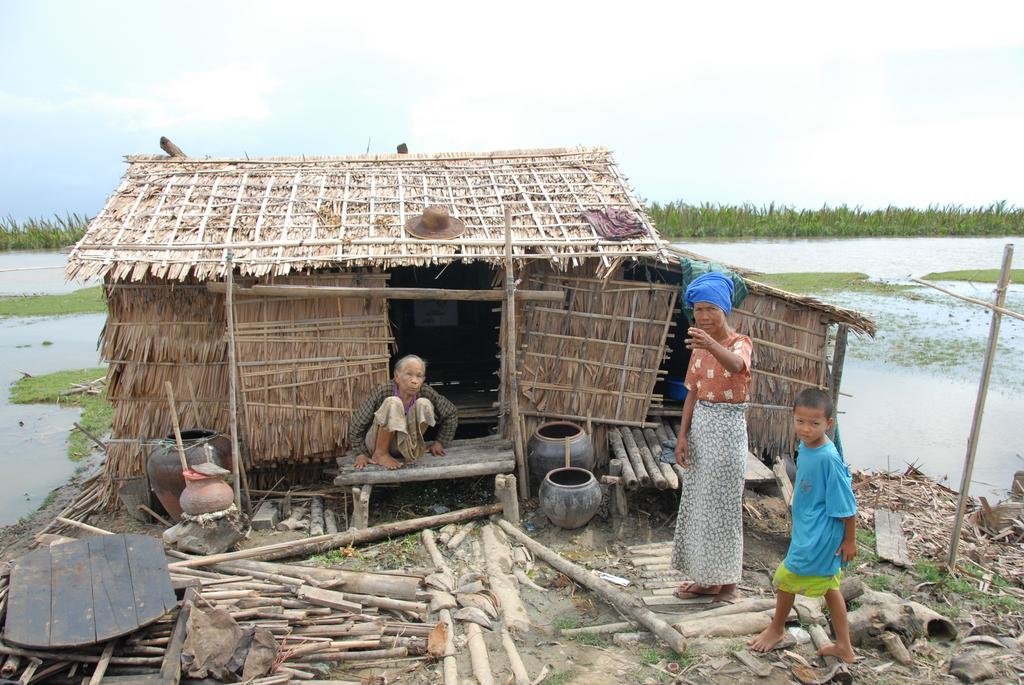
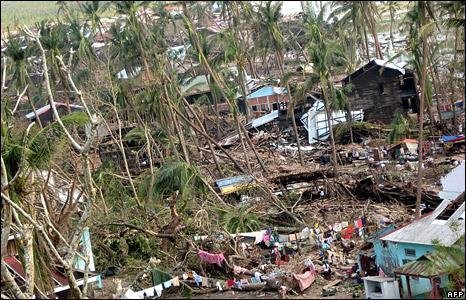
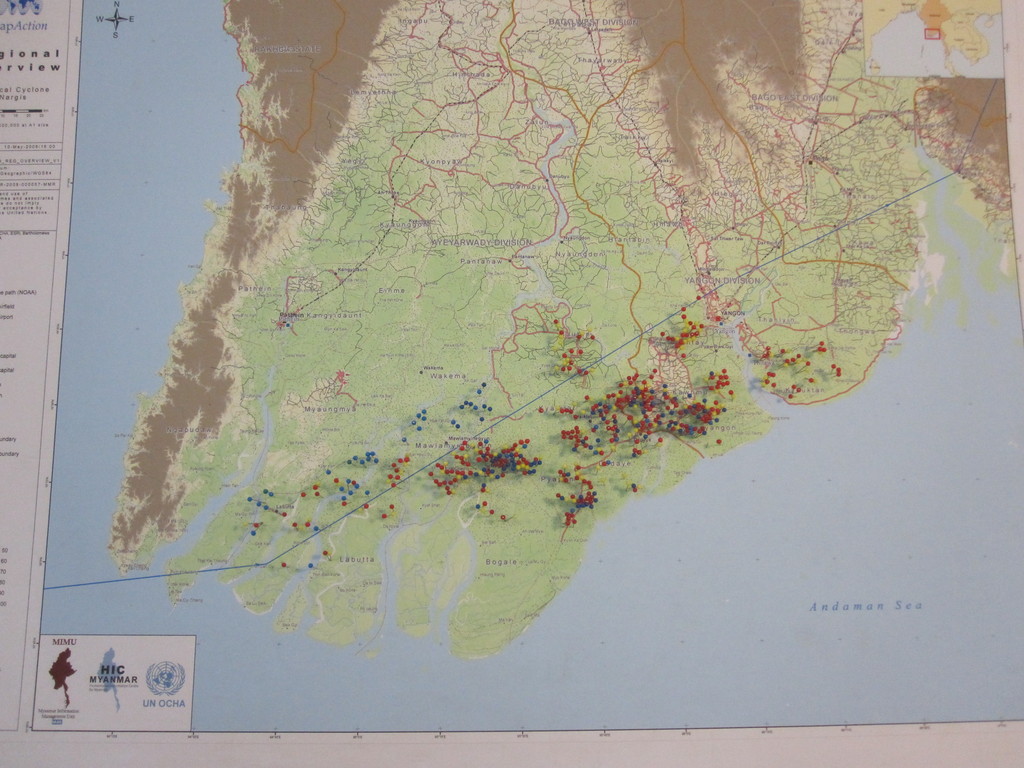
Although I was unable to visit the communities they work in as I lacked the appropriate permits to travel outside of the approved foreigner areas, Jim showed me videos and maps and explained in detail their approach and results, which painted a picture of an organization not originally set up to do disaster recovery but which effectively drew on its local staff, infrastructure, and connections and its experience implementing projects in the affected areas to provide some level of relief to over one million people in the six months following the cyclone.
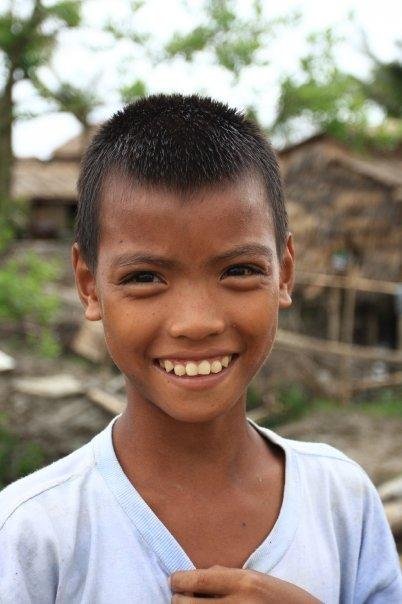
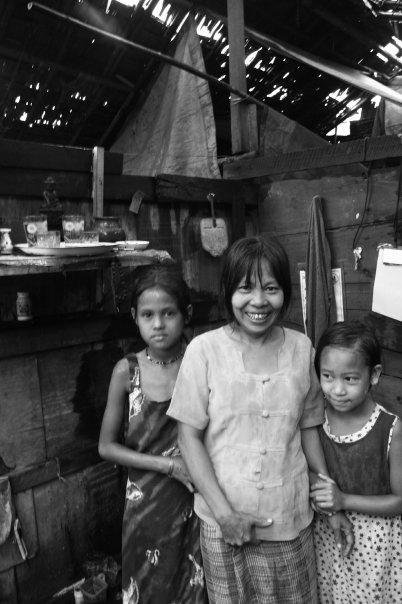
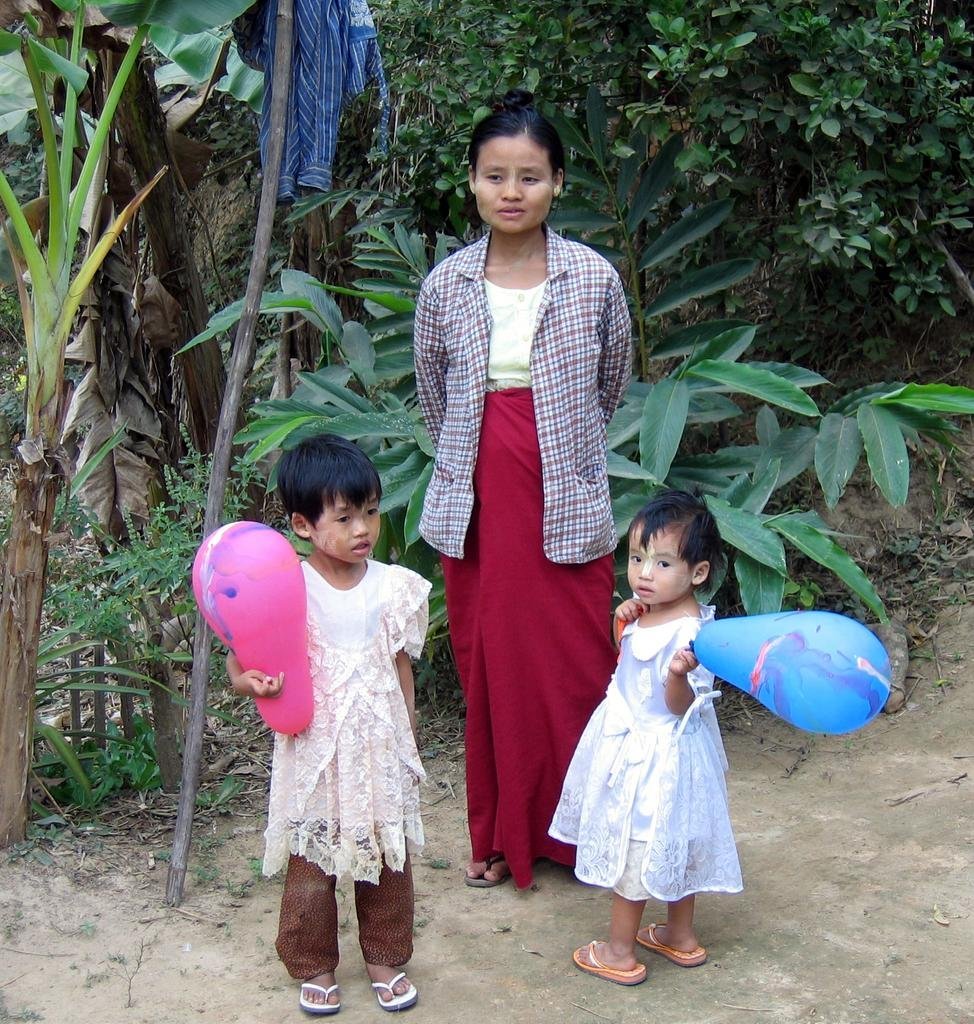
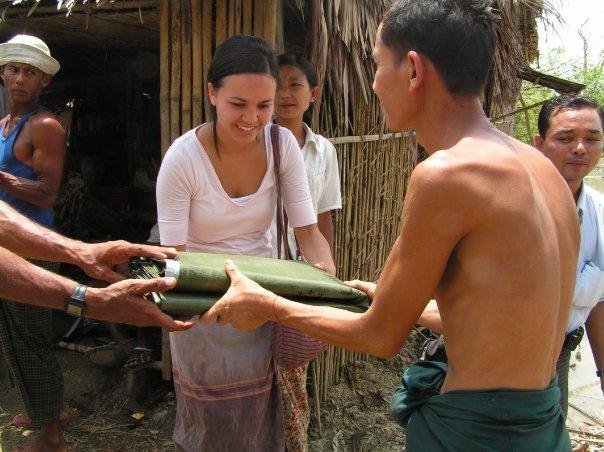
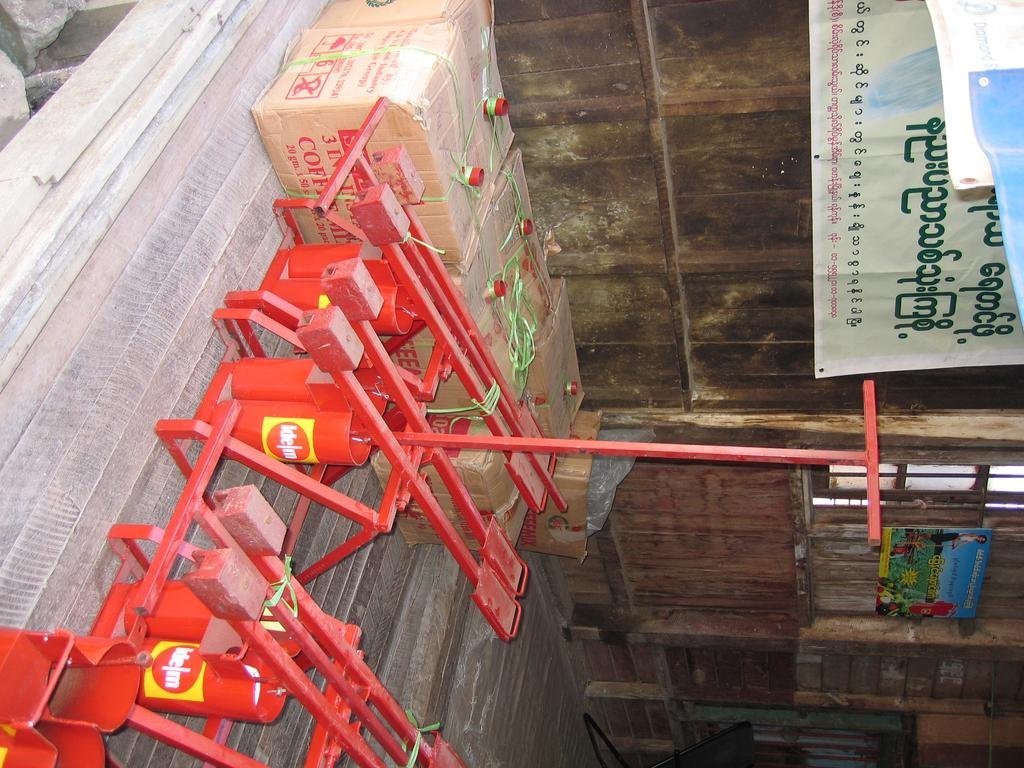
While other NGOs who didn’t already work in Myanmar were stuck in Bangkok trying to get in, IDE was providing emergency shelter, locally sourced tarps and drinking water. After helping to provide this immediate relief, they switched their efforts to where their expertise was—helping 58,000 farmers regain their livelihoods after the storm knocked out their crops.
And contrary to the worries and expectations of many, Jim said none of the funds they received from the outside were diverted by the government (including money from GlobalGiving donors, which he described as “critical”). Like any good business, they could track the supplies they gave out following the storm down to the household.
While this project is no longer receiving donations on GlobalGiving, donors should know that their contributions went to a good organization that helped and is continuing to help many people in an extremely difficult situation. Thanks for your support!
By IDE | Myanmar
By Aaron Langton | Mgr. of Communications, IDE USA
Project reports on GlobalGiving are posted directly to globalgiving.org by Project Leaders as they are completed, generally every 3-4 months. To protect the integrity of these documents, GlobalGiving does not alter them; therefore you may find some language or formatting issues.
If you donate to this project or have donated to this project, you can receive an email when this project posts a report. You can also subscribe for reports without donating.