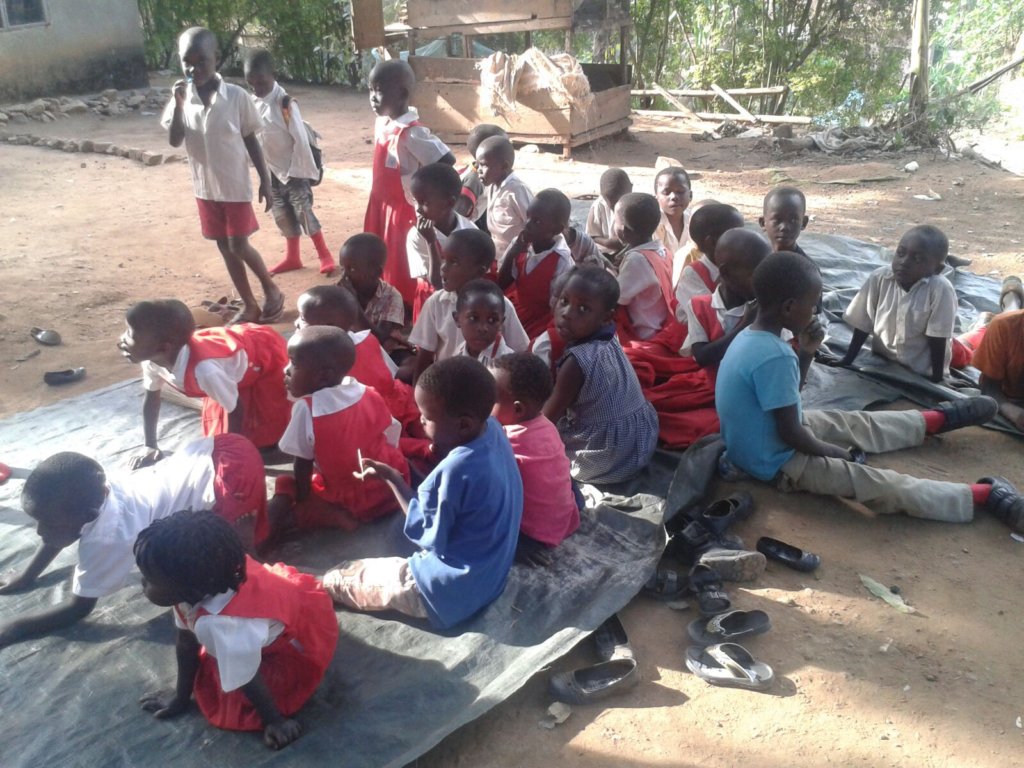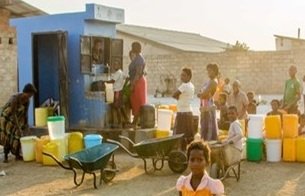
Let's put water kiosks in the places where it is difficult to have safe water. The identified community has over 500,000 people with no access to water supply and no piped distribution network, and it is a big slum. As a low-income area, water and wastewater management are more insufficient than on national average. The majority of the people lives below the poverty line. Waterborne diseases, such as typhus and cholera, are widespread. Many illnesses start with poor hand hygiene.
Makeni, as a city in the North, do not have a better water supply and no piped distribution network. The city of Makeni had a population of 126,059 in the 2015 census. The population is increasing and the need for water has been a major issue nowadays. There is no water kiosks but unprotected water wells. 80% of sicknesses results from unprotected and or bad water.
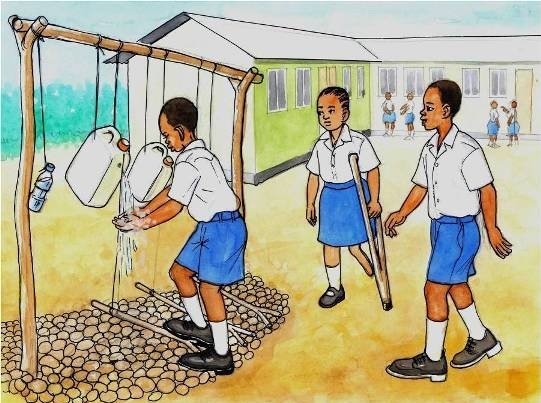
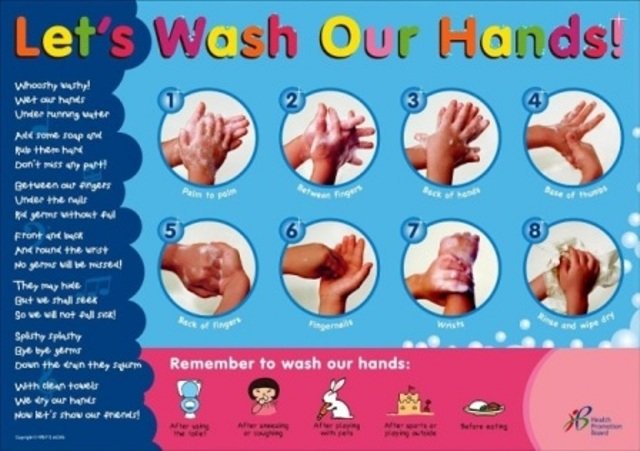
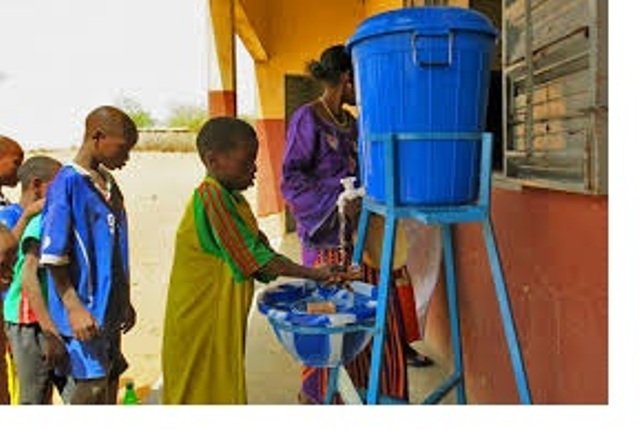
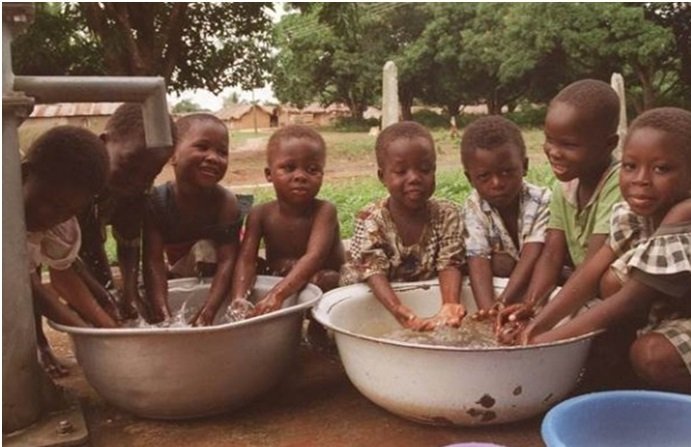
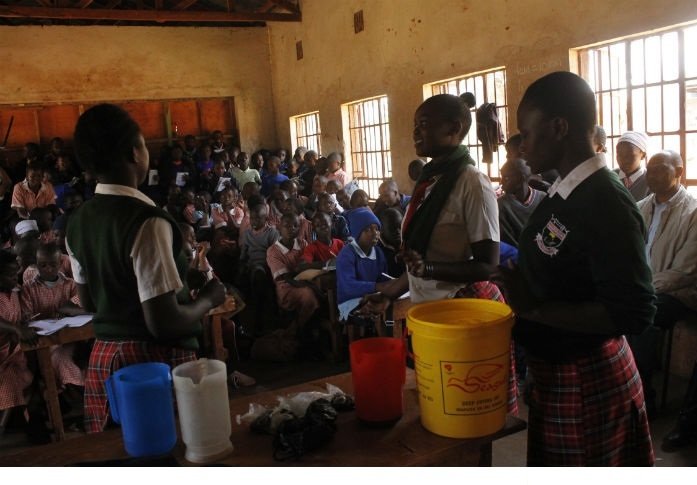
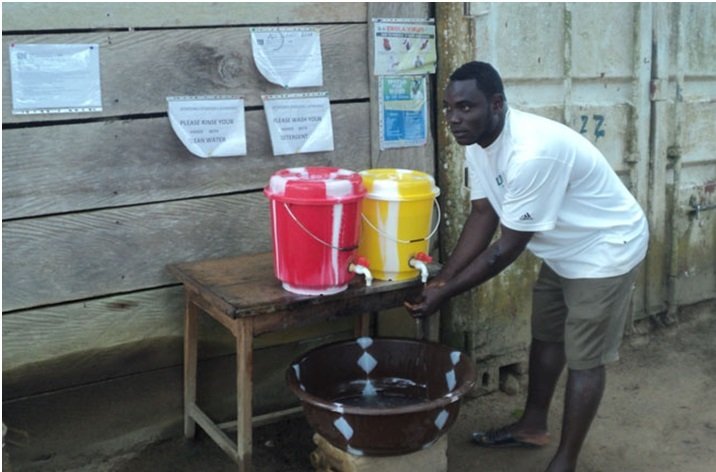
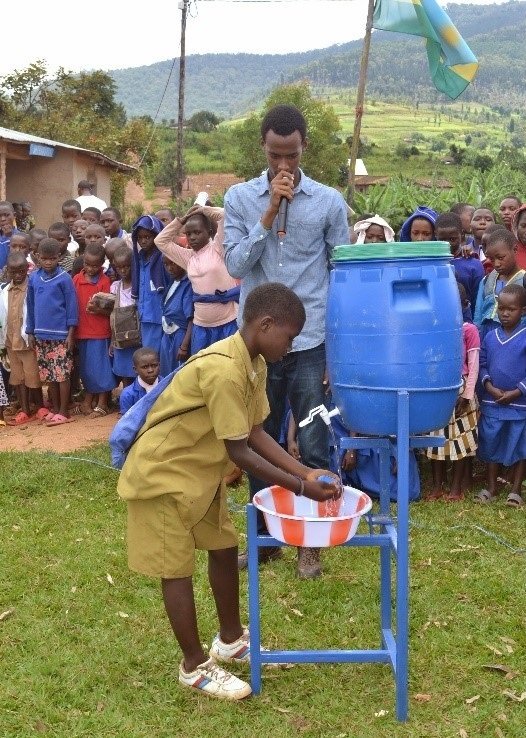
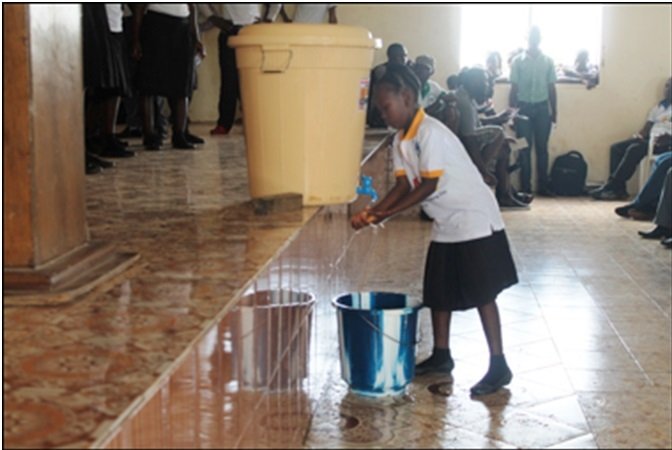
This Project will work with stakeholders and community committees to ensure healthy lives for the community with access to 12 water kiosks. The project will provide water kiosks with hygiene facilities, water handling and hand washing knowledge and practices. The project will mobilize and sensitize the community people on safe drinking policies for better health. The committee will be collecting a minimum fee that will be used to maintenance and manage the Kiosk.
This water kiosk will be sustainable and safe drinking will be provided to all. As a long-term investment for the community, it would bring a healthier lifestyle and economic development. More kiosks will be installed in more communities with the availability of more funds. Since 80% of all diseases are environmental and related to water and sanitation, The project will reduce the environmental ill health of the people and their health will be improved.
This project has provided additional documentation in a DOCX file (projdoc.docx).