By Prameela V. | CEO, Sampark
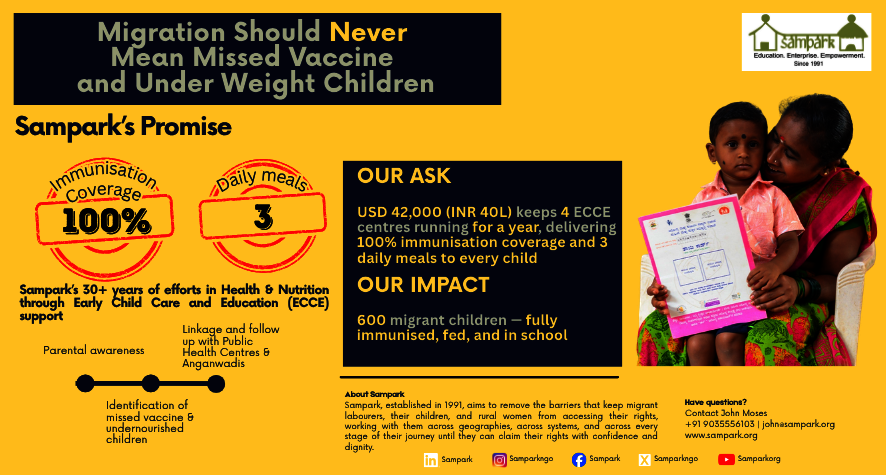
India is home to over 400 million migrant workers who form the backbone of its economy. These workers often move across states for better livelihood opportunities, living in informal settlements where access to essential services such as healthcare, education, and nutrition is limited.
For migrant families striving to make ends meet, long working hours and precarious living conditions mean that children are often left unattended, without access to early learning, safe spaces, or proper nutrition. As a result, these children are at high risk of:
All the above factors significantly impact their long-term well-being, their ability to thrive and their resilience.
To address these challenges and foster resilience in migrant communities, Sampark runs 27 Early Childhood Care and Education (ECCE) centres across Bangalore.
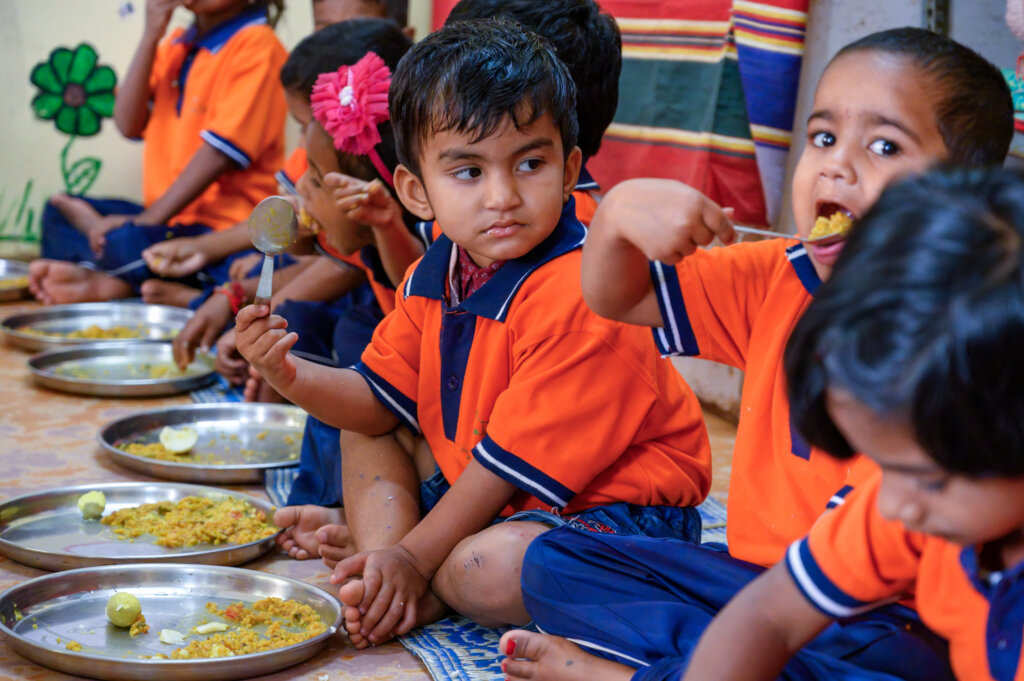
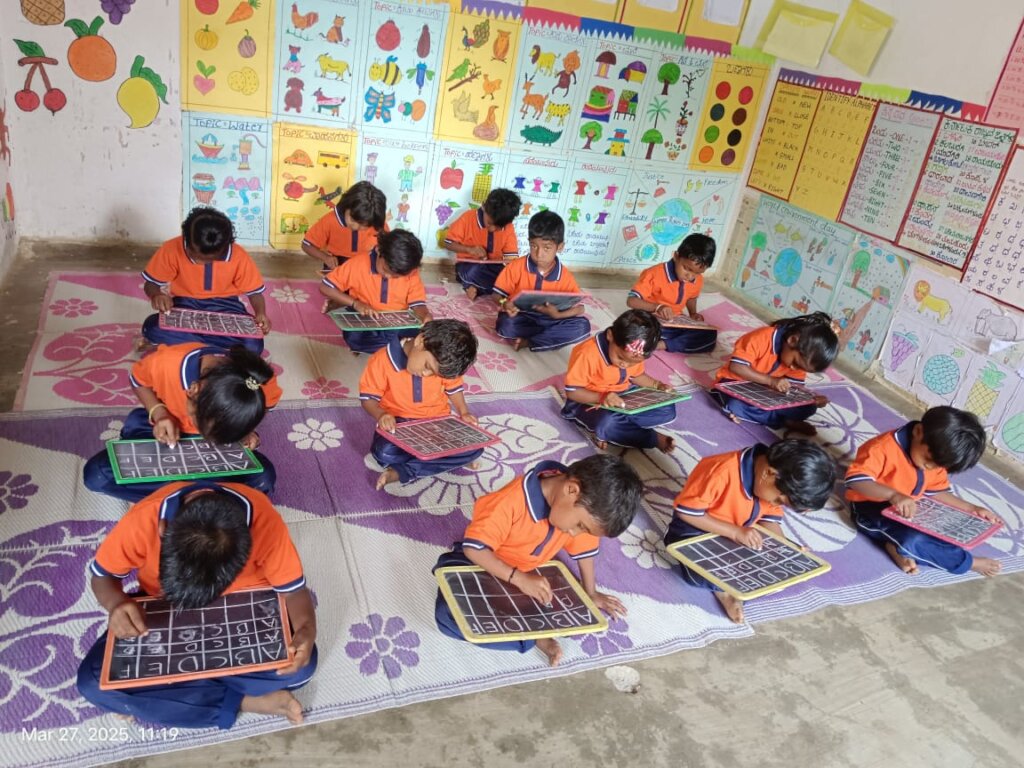
These centres operate from 9.30 am to 5 pmand serve as safe, nurturing spaces for migrant children, providing access to play-based learning, nutritious meals, health check-ups, and emotional support.
This report shall show the work done by Sampark in 5 ECCE centres in Bangalore, whose locations are provided below:
Across these 5 centres, during the reporting period of December 2024 to March 2025, a total of 617 migrant children gained access to early years education, quality health and improved nutrition through Sampark's interventions.
Nutrition
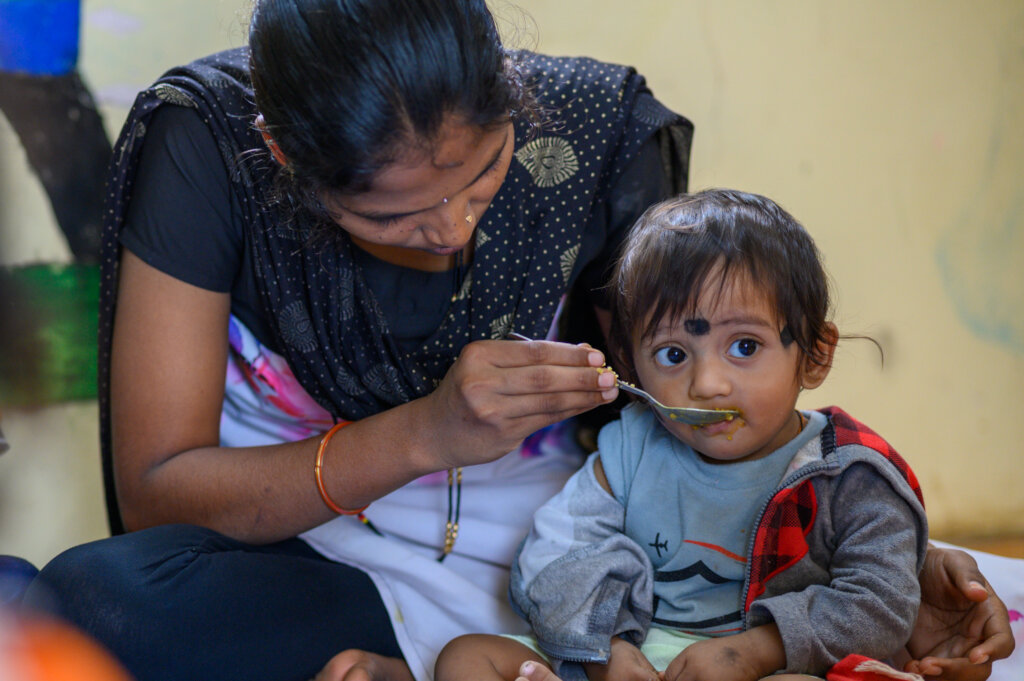
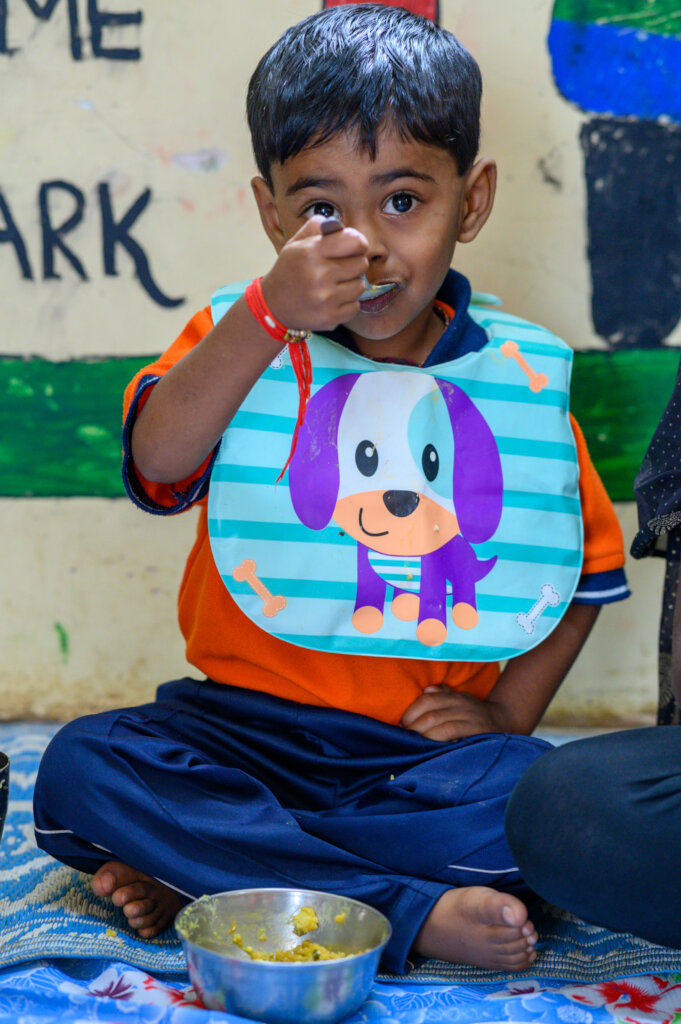
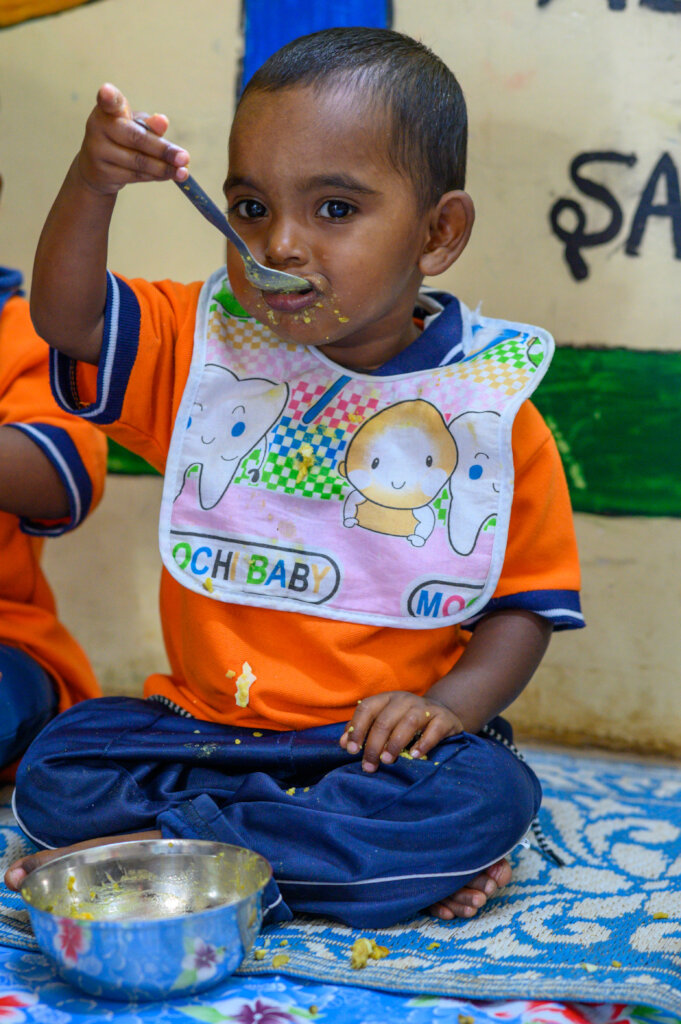
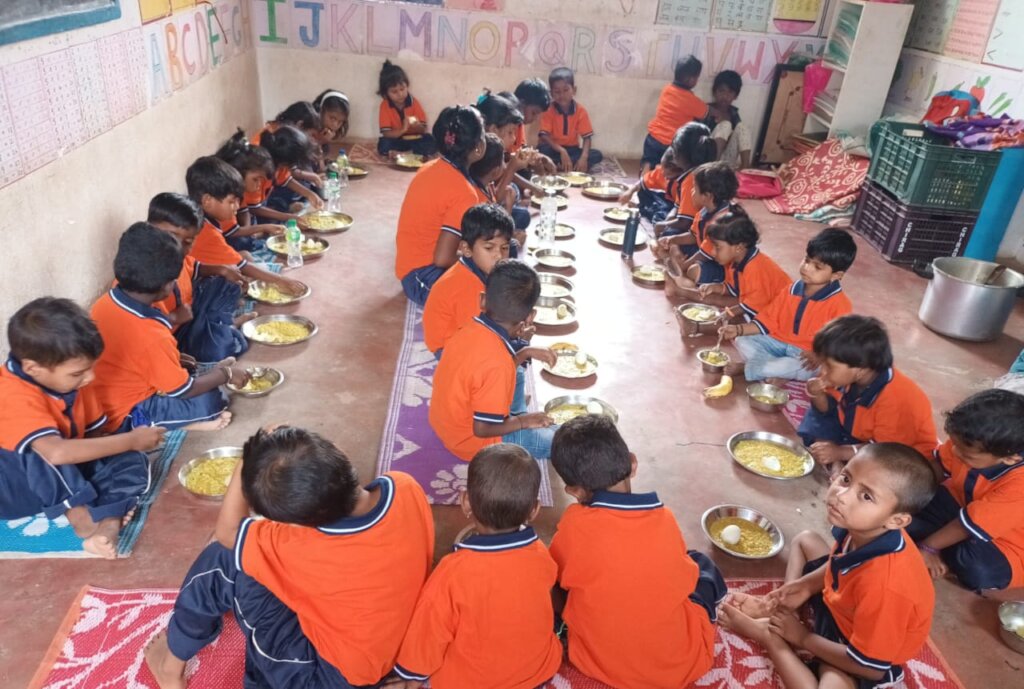
All children at our ECCE centres are provided 3 nutritious meals-breakfast, lunch and evening snacks- every day.
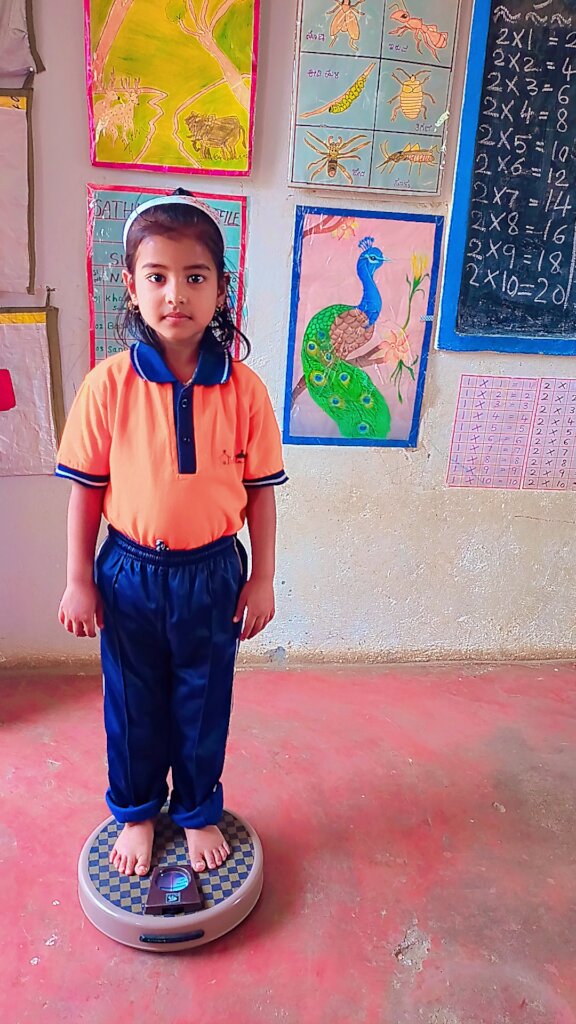
Additionally, we also monitor children’s nutritional and health parameters according to World Health Organisation (WHO) standards. Their height and weight are monitored regularly to ensure they meet their developmental milestones.
During the reporting period, 33 children from five centres were identified as undernourished and were provided with supplementary nutrition, multivitamins, and iron supplements, resulting in improved nutritional and health parameters in 29 of them by the end of the period.
When a generation of children grows up well-nourished, the community benefits from healthier, more capable individuals who can contribute meaningfully to social and economic well-being.
Education
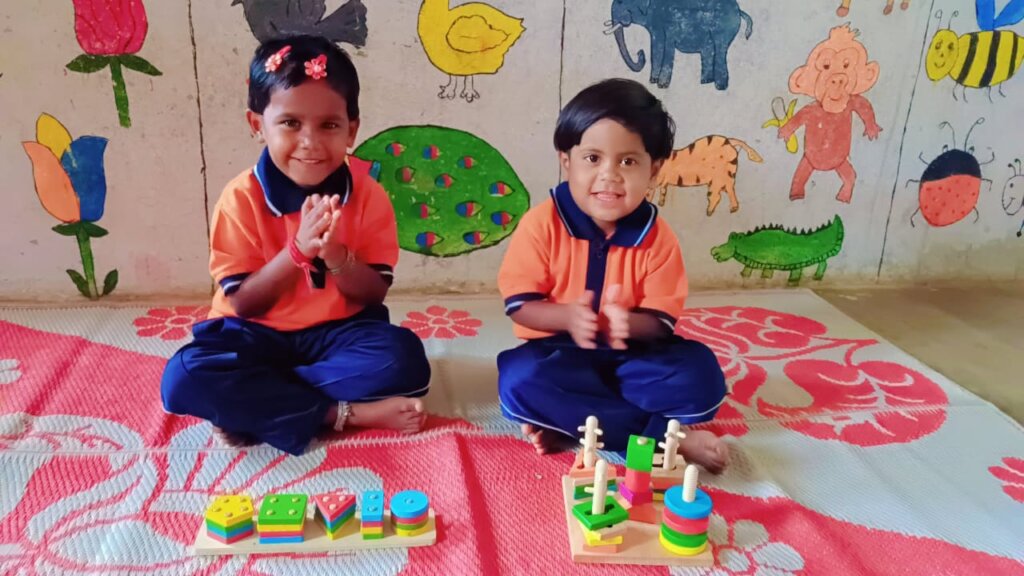
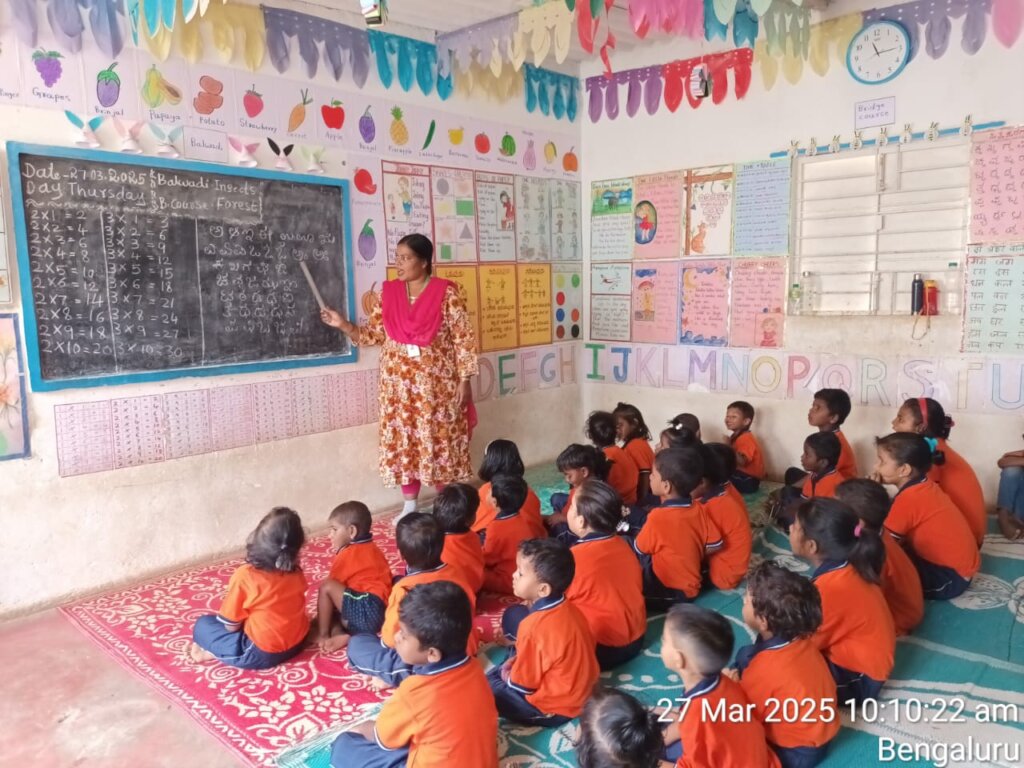
At our ECCE centres, we provide early years education to migrant children. The children are grouped according to their age: Creche (0-3 years), Balwadi/pre-primary(3-5 years), and Bridge course (5+ years).
We supported 222 migrant children as part of our after-school program for those who are already attending public schools. These sessions reinforce classroom learning, address doubts, and provide academic help in key subjects—while also offering a safe space after school hours.
Health and immunisation
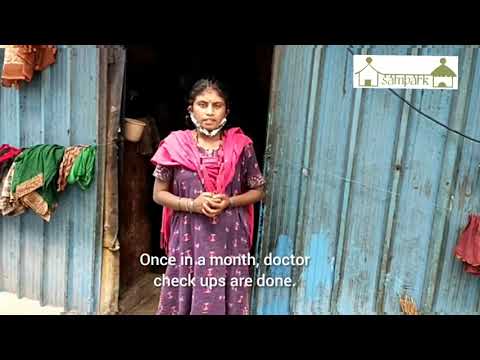
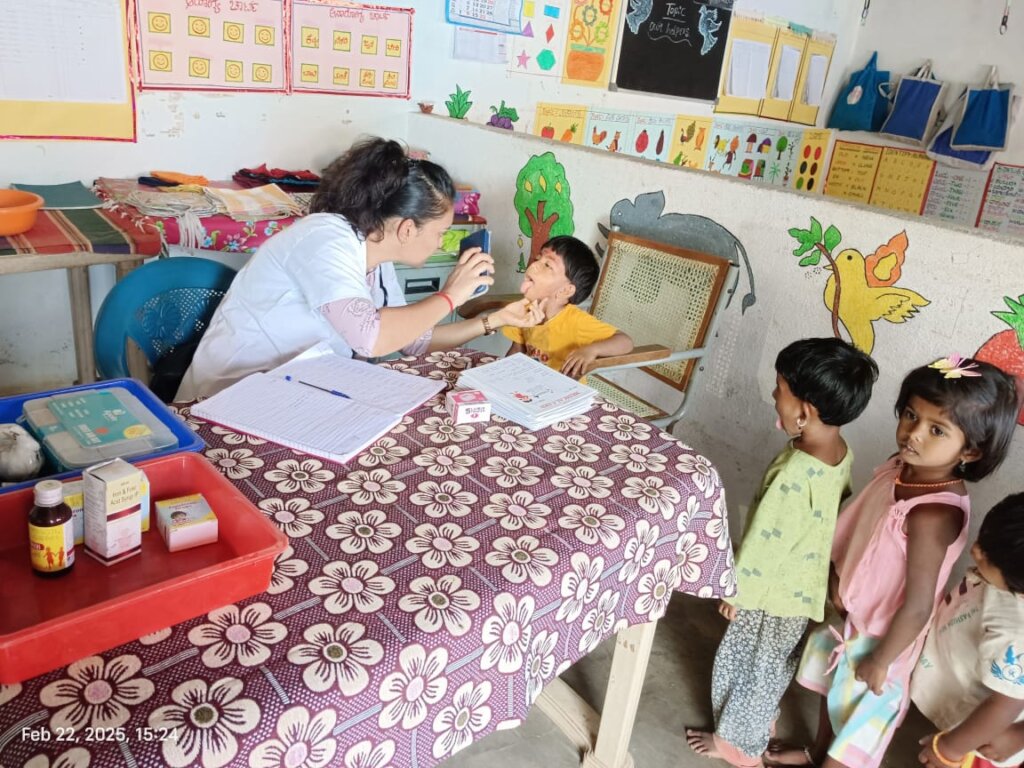
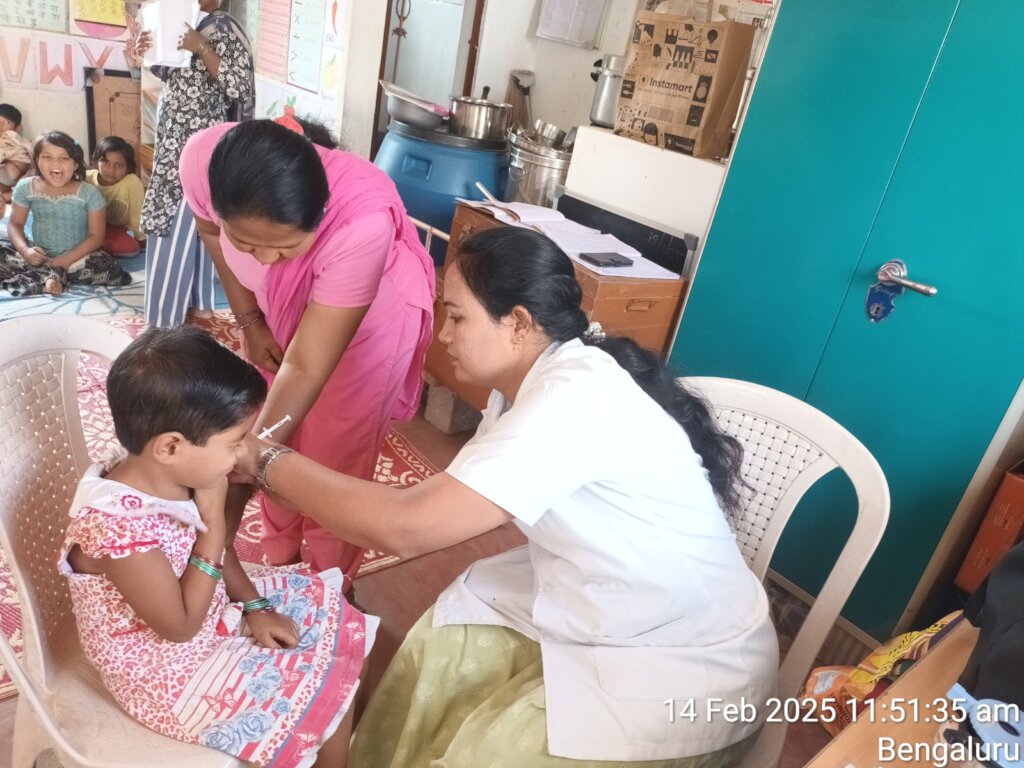
Health camps are conducted regularly at all our ECCE centres to monitor the health of children and the community. All eligible children are provided with age-appropriate vaccinations. To improve their health and immunity, children are also provided with Vitamin A and deworming tablets.
Regular health checks help detect growth delays, malnutrition, or developmental concerns at an early stage. Timely immunisation protects children from life-threatening but preventable diseases. Early intervention can prevent long-term consequences, ensuring children remain on track physically and cognitively. A healthy child is more likely to attend school regularly, engage in learning activities, and participate actively in their environment.
As part of our health interventions, maternal health is also given high priority.
A community that monitors and supports its members’ health builds a safety net, ensuring that no one is left behind, thereby reinforcing collective resilience.
Engaging community
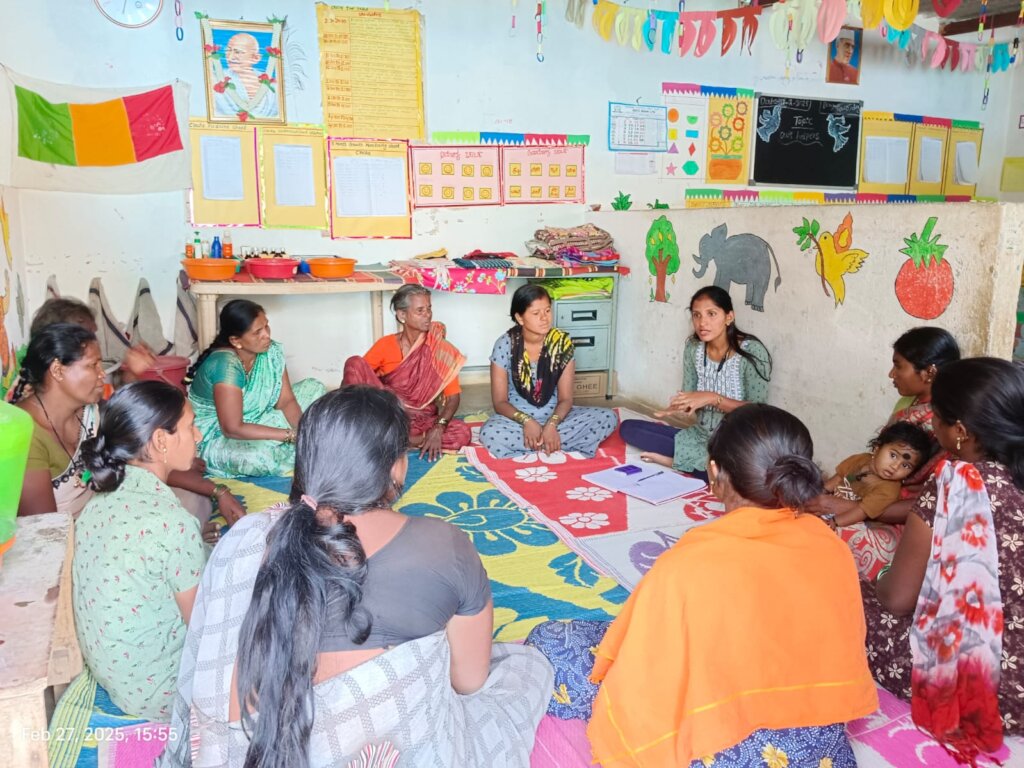
Through our ECCE centres, we maintain continuous engagement with migrant parents and the broader migrant community. Regular parent-teacher meetings (PTMs) encourage active parental involvement in their children’s growth and learning. Additionally, we conduct focus group discussions (FGDs) to better understand the community’s needs, challenges, and aspirations.
This consistent dialogue strengthens trust, promotes collective ownership, and empowers the community to actively participate in shaping their children’s futures. By fostering strong social bonds and shared responsibility, these efforts contribute to building community resilience—enabling families to support one another, adapt to change, and advocate for their rights and well-being more effectively.
Overall Community Resilience
Each of these interventions helps raise healthier, more confident, and better-equipped children who can withstand personal and environmental challenges. Over time, this results in stronger families, reduced healthcare and education burdens, and a more cohesive, forward-looking community.
Ankitha’s New Beginning-Sampark in Action
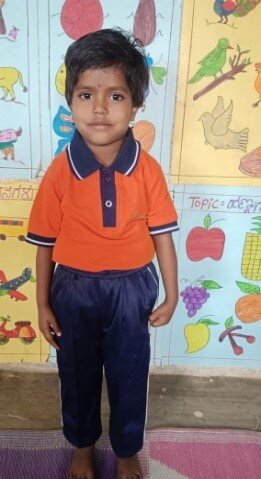
When Mallu and Radha migrated from Raichur to Bidadi, Bangalore, in search of work, they faced a difficult choice—who would care for their younger daughter, Ankitha? With both parents having to work long hours in the construction sector, their elder daughter Rajeshwari had to drop out of school to look after Ankitha. A girl child's education was thus disrupted.
That changed when Ankitha was enrolled in Sampark’s ECCE centre on April 1st, 2023.
Initially shy and underweight at just 8 kg, Ankitha struggled to adjust. She had never been in a learning environment before. But with patient care from her teacher, she slowly began to participate, learning rhymes, the alphabet, and hygiene practices. Alongside education, she received daily nutritious meals, and within six months, her weight rose to a healthy 12.5 kg.
Today, Ankitha is cheerful, active, and thriving. Nutritional therapy to Ankitha saved her from falling into the trap of malnutrition. Her happy and healthy childhood has placed her on the journey to a bright future. Rajeshwari is now back in school. This takes us one step closer to ensuring every girl child has equal access to education, irrespective of their situation.
Mallu and Radha’s family is now on a path toward resilience and empowerment. Access to early childhood care and education not only safeguarded Ankitha’s health and development but also restored Rajeshwari’s right to learn. The family, once burdened by difficult choices, now stands stronger—supported by a system that values education, health, and dignity for all.
Links:
Project reports on GlobalGiving are posted directly to globalgiving.org by Project Leaders as they are completed, generally every 3-4 months. To protect the integrity of these documents, GlobalGiving does not alter them; therefore you may find some language or formatting issues.
If you donate to this project or have donated to this project, you can receive an email when this project posts a report. You can also subscribe for reports without donating.



Support this important cause by creating a personalized fundraising page.
Start a Fundraiser