By DR. SMITA PREMCHANDER | FOUNDER & SECRETARY, SAMPARK
The COVID-19 pandemic has been in full force since early 2020. The lockdown, closure of schools, and creches to curb the spread of the coronavirus have had debilitating consequences on economically weaker sections of society. The household income of these families reduces and with no mid-day meals at school, the availability of nutritious food to children in these families is a huge challenge. The pre-pandemic condition of children of migrant workers was in itself highly vulnerable. When workers migrated with their families to Bangalore for work, their children were left behind at labor colonies with no care.
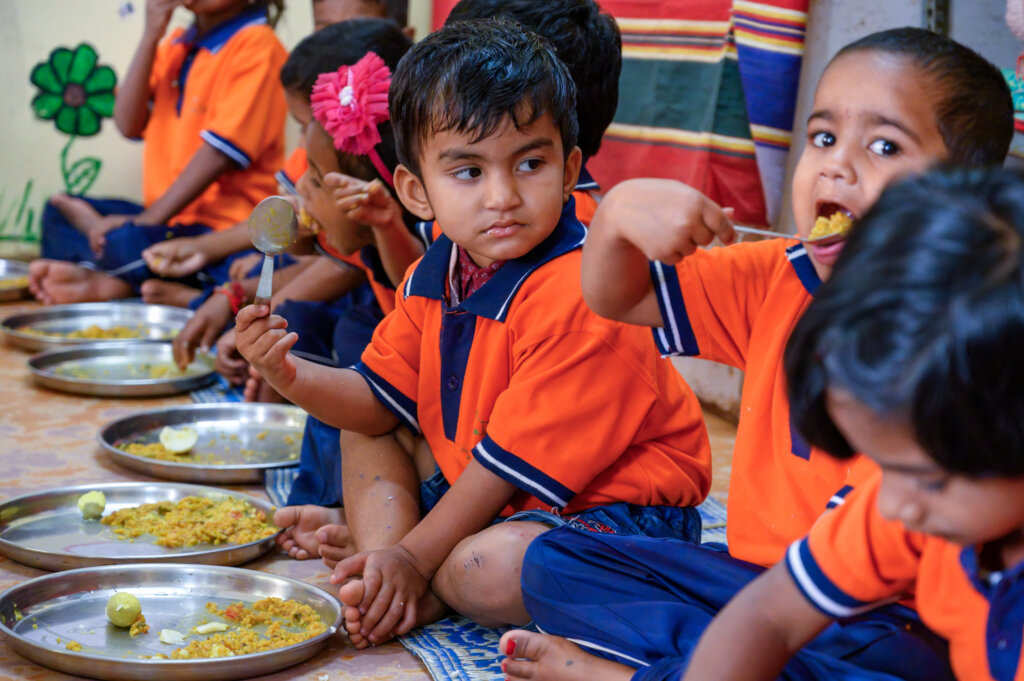
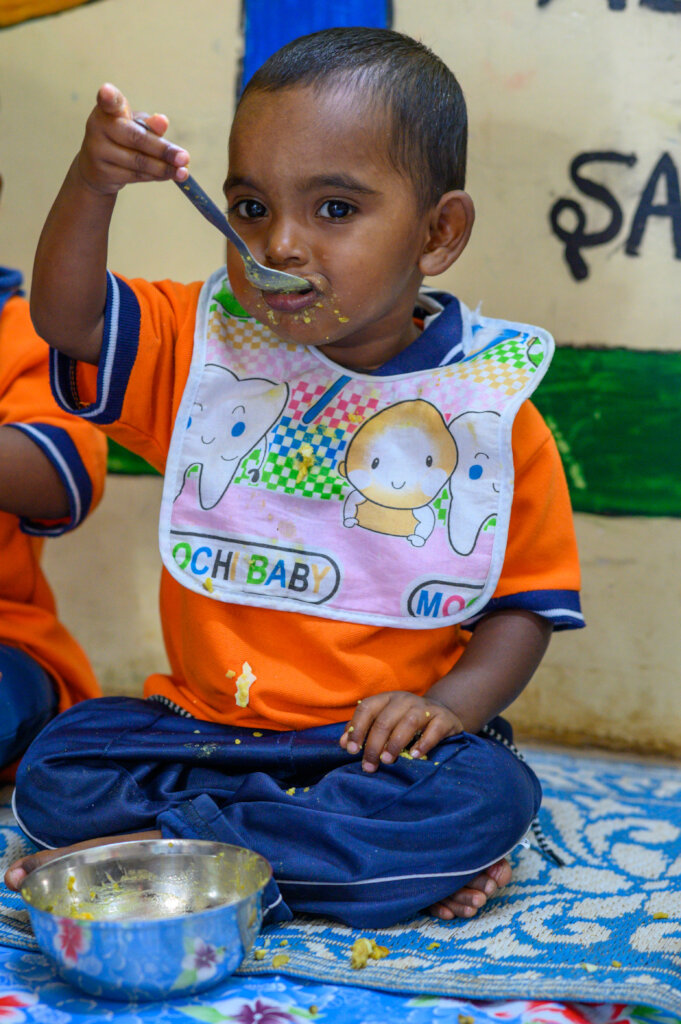
Sampark started daycare centers to address the often neglected - safety, health, and nutrition aspects of these children. Creches take in children between 6months and 14 years and they receive nutritional and immunization support, as well as a stimulating environment to learn. Sampark runs 18 centers in various locations in Bangalore.
Click the link to see the location Samparkcreche locations
As UNICEF rightly pointed out,
"Without urgent action, this health crisis risks is fast becoming a child-rights crisis"
Leave no child behind - Highlights of the project in year 2020-2021
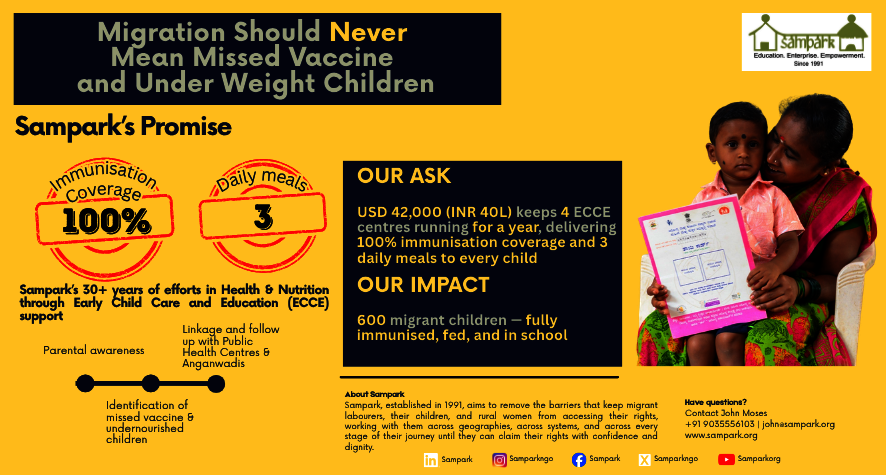
By ensuring nutrition supplements, grocery supplies reach these families, 25% of the undernourished migrant children improved their nutrition grades even during the pandemic. This is apart from
73% of children who maintained normal growth and could have become malnourished, if not for Sampark’s timely intervention.
Impact on nutrition
Creche teacher monitors child’ height and weight and classifies children into three grades:
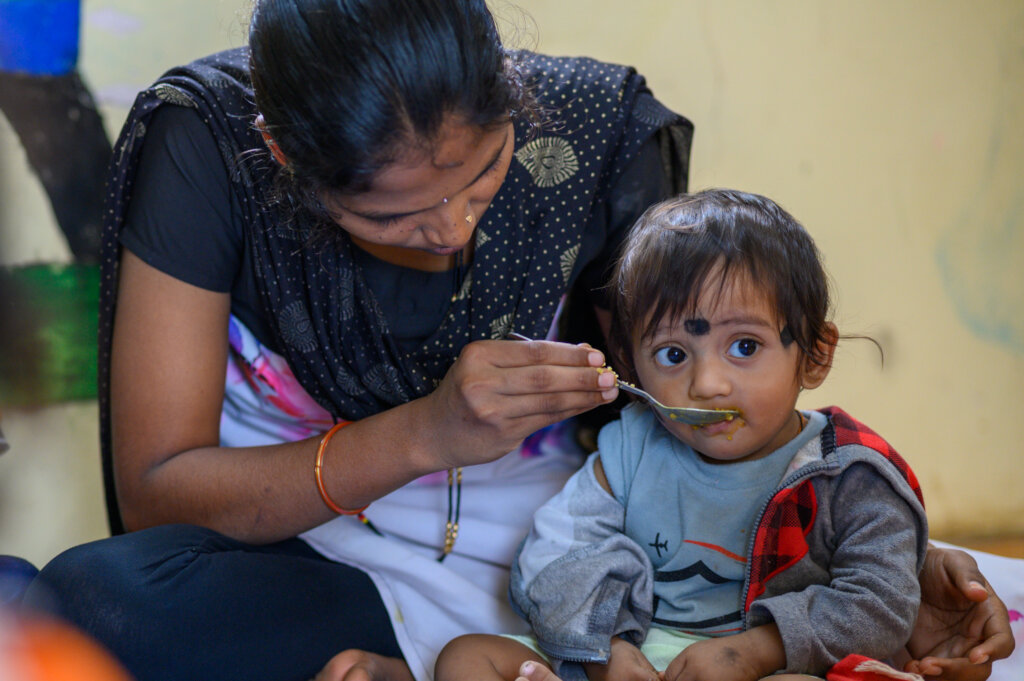
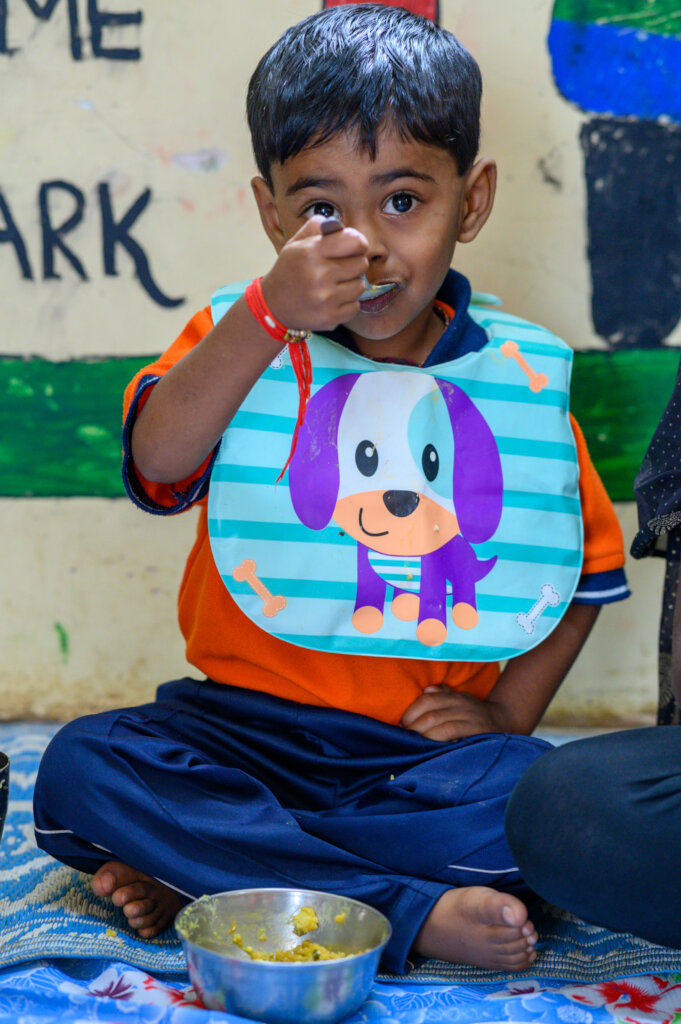
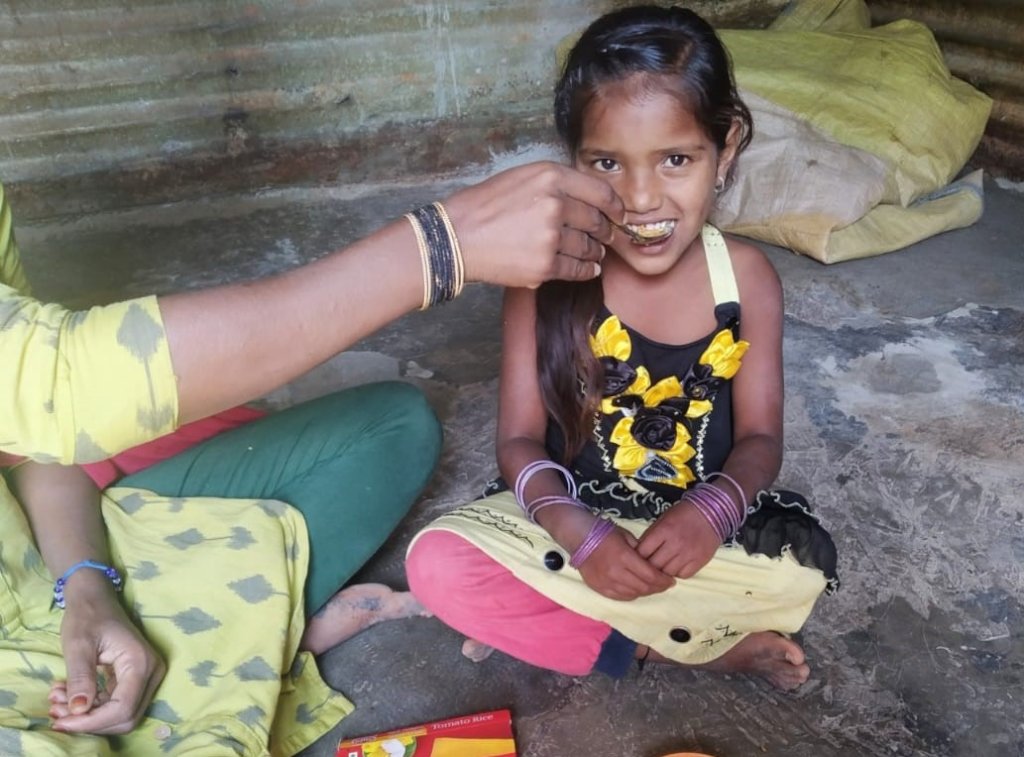
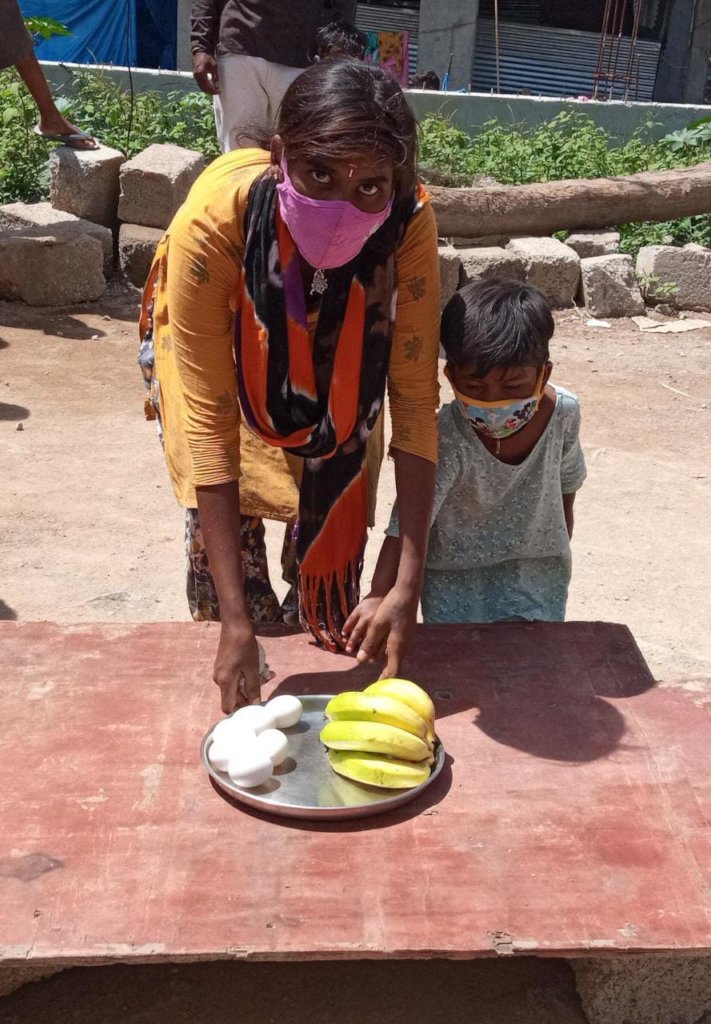
Normal, undernourished, and severely undernourished based on WHO standards. The nutrition distribution to children really helped as 73% of children’s growth was normal as per WHO health standards. Children who fall under lower nutrition grades are given a special diet in addition to the cooked meals at the creche. With the closure of creches and the cooked meals, Sampark fortnightly distributed groceries, eggs, bananas, biscuits, buns, and milk beverages to children’s families. Teachers also prepared and distributed protein mix powder to ensure children get their share of nutrition out of the nutrition support offered to their families.
Sampark distributed 9,035 grocery kits for workers and their families to mitigate the risk of long-term negative impact in terms of physical and mental development to children. Teachers linked 118 children to Anganwadis and ensured children received their entitled monthly nutrition support from them. Sampark partnered with various individuals and organizations, to provide food supplements to lactating mothers, pregnant women, and newborns.
Impact on health
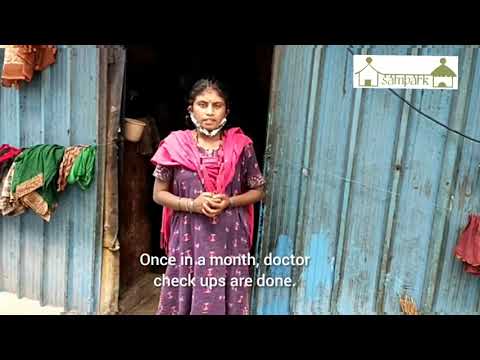
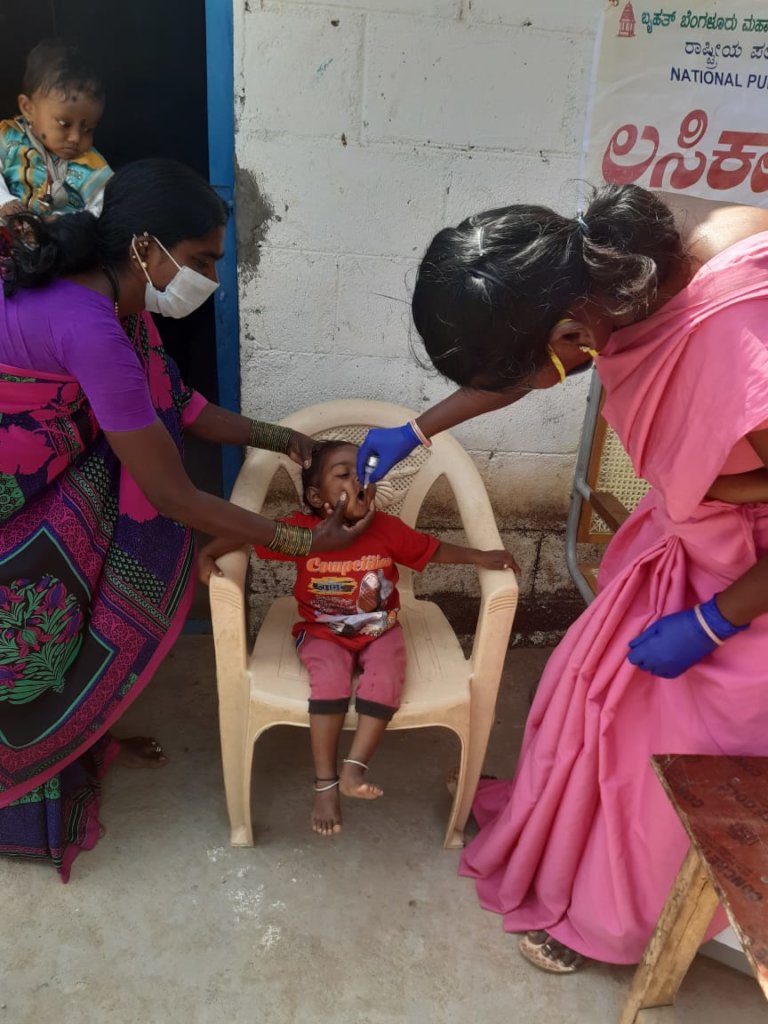
While the growth of children is monitored, it’s essential to identify and treat migrant children’s illnesses regularly. Sampark’s interventions start by linking pregnant women to local government Anganwadi (childcare centers), ensuring that they receive their “mother card”, which helps to track their nutrition, vaccines, and supplements to be taken. Age-appropriate immunization and regular health check-up are vital. This year WHO and UNICEF warn of a decline in routine vaccinations during COVID-19. Sampark’s creche team geared up and created WhatsApp groups to communicate with parents. As the creches are closed during the pandemic, the team communicated regularly with the parents to advise them to attend to the health of their children. Some of these efforts included:
Impact on Education - Bridge the digital divide
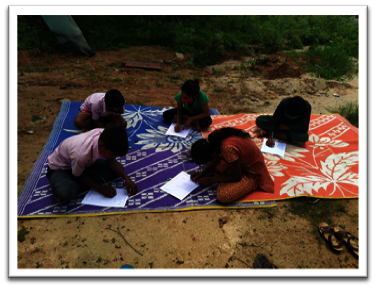
The education of children of migrant workers loses priority due to parent’s constant migration. With the added deterrent of the pandemic and lack of access to online education, a huge gap in education will develop. Sampark creche teachers created new ways to keep children’s interest in learning alive. Teachers distributed toys and stationery kits to children. They made more than 400 educational videos using flashcards, stories, songs in 3 different languages and circulated them to parents through WhatsApp groups. Teachers prepare educational videos on each topic and each activity. Topic and activity-wise videos are sent to parents' WhatsApp groups. They followed a well-planned strategy to achieve the same.
Regular parents meeting was the key to ensure parents were motivated. 1,670 parents, 1,277 women, and 402 men attended the parents’ meetings and teachers guided them with activities to keep
children productively engaged at home. Importance of continuing education, linkages to government
schools are re-iterated to avoid school dropouts. Helpers in the community provided support at every step to coordinate all the activities in the community.
Special Interventions during COVID-19 Pandemic
Migrant workers lead very uncertain lives. Ever since the onset of the COVID-19 pandemic, these workers’ struggles have amplified manifold. Most factories and construction sites shut down in mid-2020 to curb the spread of the virus. This left millions of workers with no jobs and no money. A lot of workers and their families went without food and shelter.
With the second wave of the pandemic hitting Bangalore hard, more issues of the migrant workers have come to the light. Their reality includes a lack of isolated spaces in the colonies, a lack of separate toilets for COVID-19 infected workers, the problems faced by single mothers during isolation, and the absence of a nodal person/officer for handling COVID-19 related issues of construction workers. To make things worse, there is a lack of awareness, resistance, and hesitation about the COVID-19 vaccines amongst migrants. They ignore COVID-19 symptoms and are reluctant to get tested. There is a fear caused by BBMP, that the PHC arrives with the police to take COVID-19 positive patients away to COVID-19 Care Centers (CCC). There is hesitation among the workers to go to the CCCs and isolation centers due to the lack of awareness.
The vaccine is taboo amongst the workers. There is also justified fear of loss of wages during the isolation. The need of the hour is to protect them with a six-pronged strategy of awareness, monitoring, isolation, treatment, and wage compensation (by the Welfare Board/ Employers) and vaccination.
Sampark designed special interventions both for migrant construction workers and their children during the pandemic.
Pillars of Support
During this time of great uncertainty, we’ve been comforted, encouraged, and humbled by the
outpouring of generosity and support from Sampark’s staff, donors, associates, advisors, interns, and volunteers. Remarkable people, organizations, community groups, small businesses, corporations, and foundations have all stepped up to support Sampark’s cause!
Without YOU there is no us and we Thank You for helping us meet the challenges of this moment, so we can continue to provide the highest order of service with inclusion, integrity, compassion, accountability, respect, and excellence.
Project reports on GlobalGiving are posted directly to globalgiving.org by Project Leaders as they are completed, generally every 3-4 months. To protect the integrity of these documents, GlobalGiving does not alter them; therefore you may find some language or formatting issues.
If you donate to this project or have donated to this project, you can receive an email when this project posts a report. You can also subscribe for reports without donating.



Support this important cause by creating a personalized fundraising page.
Start a Fundraiser