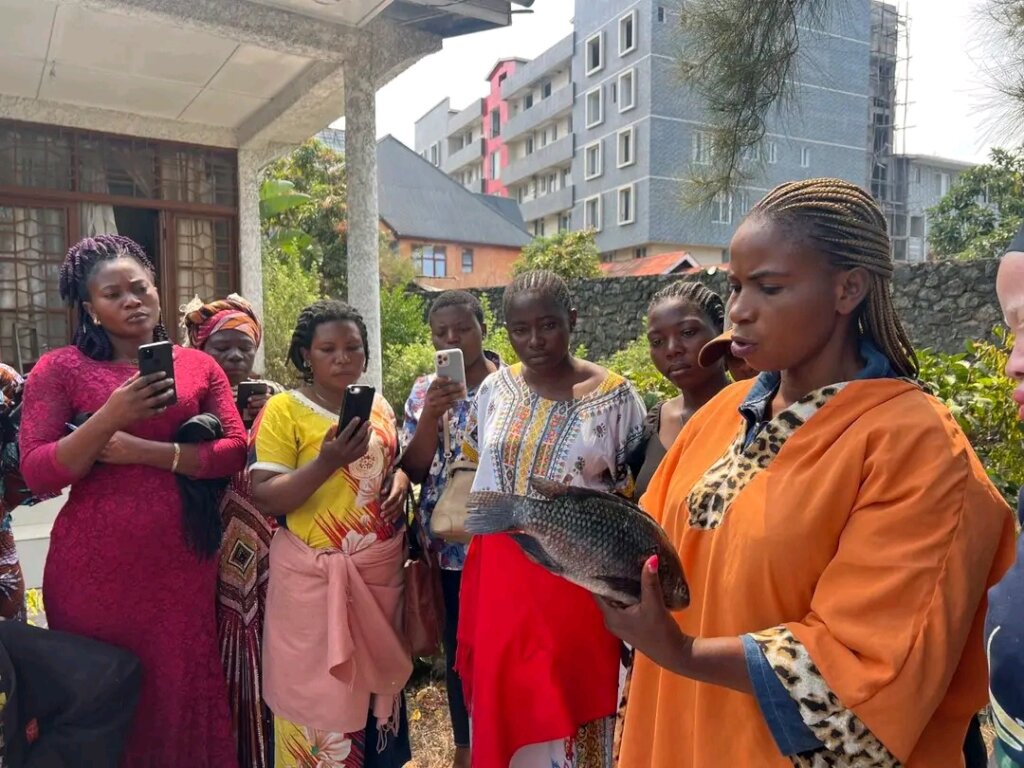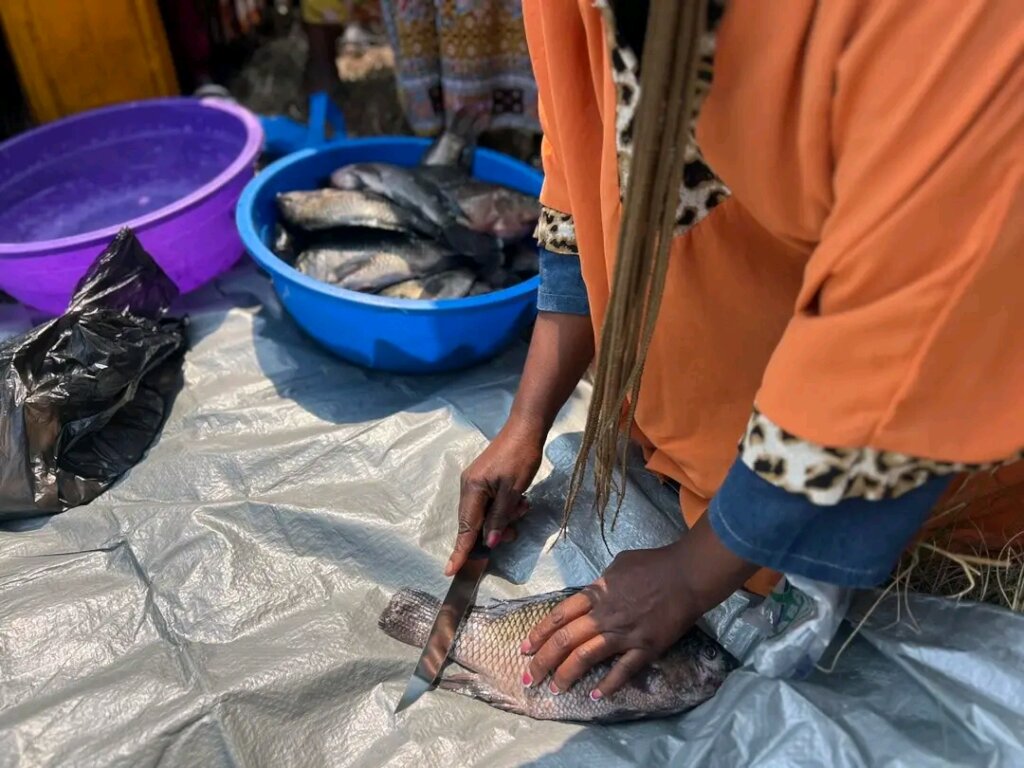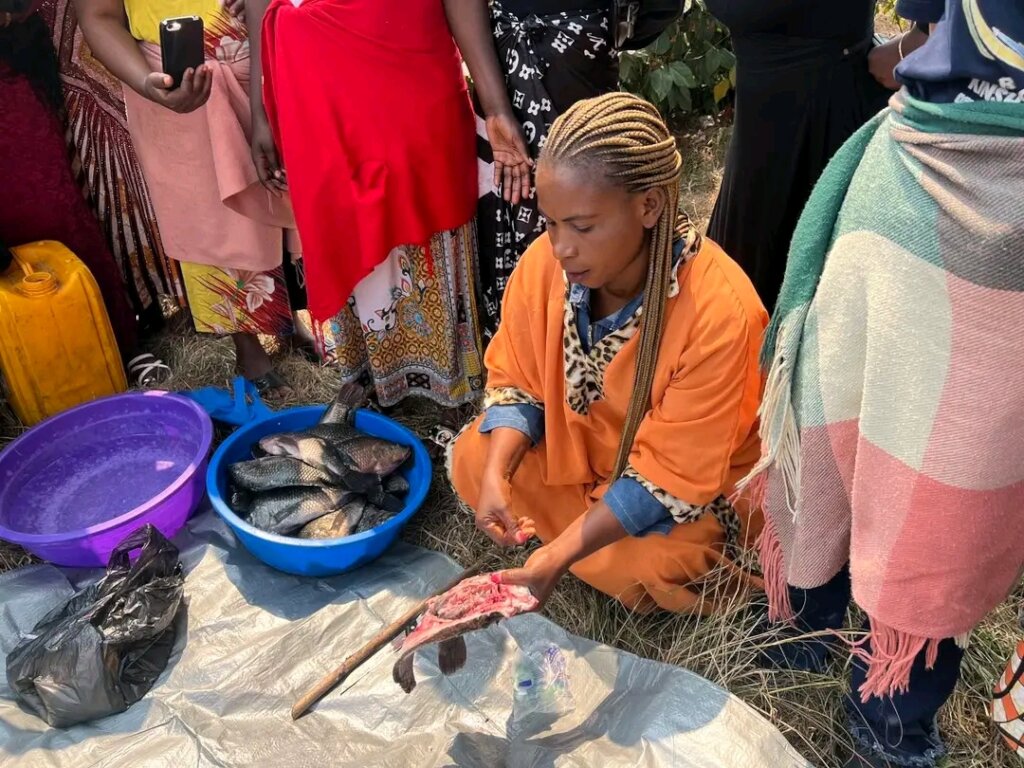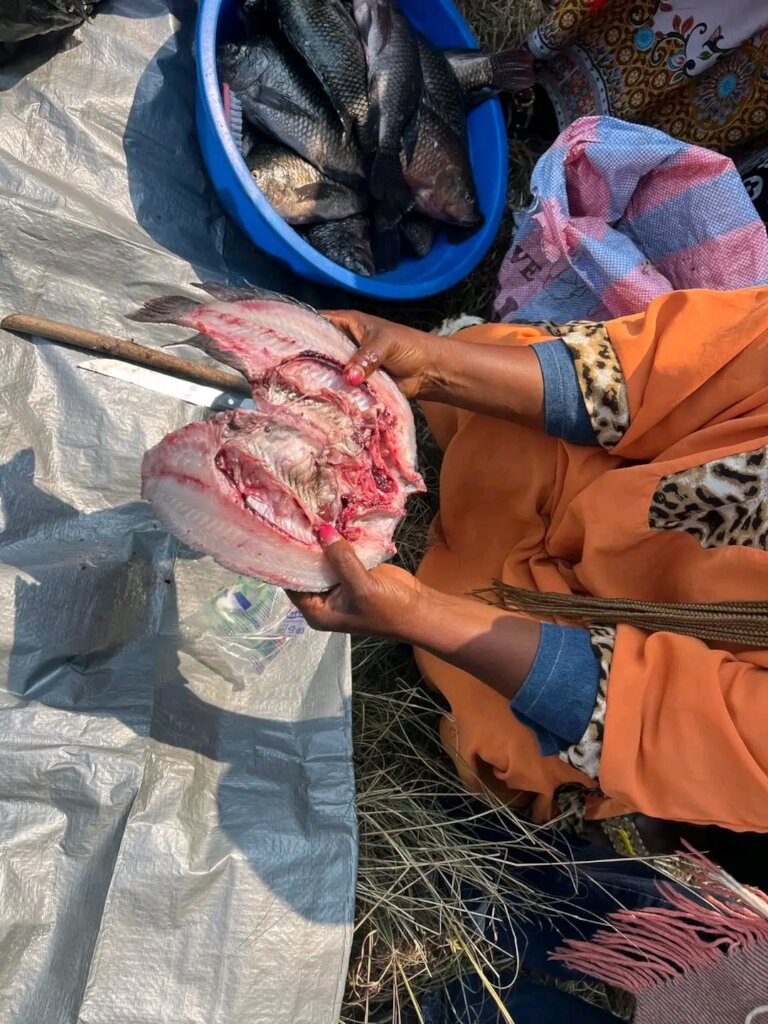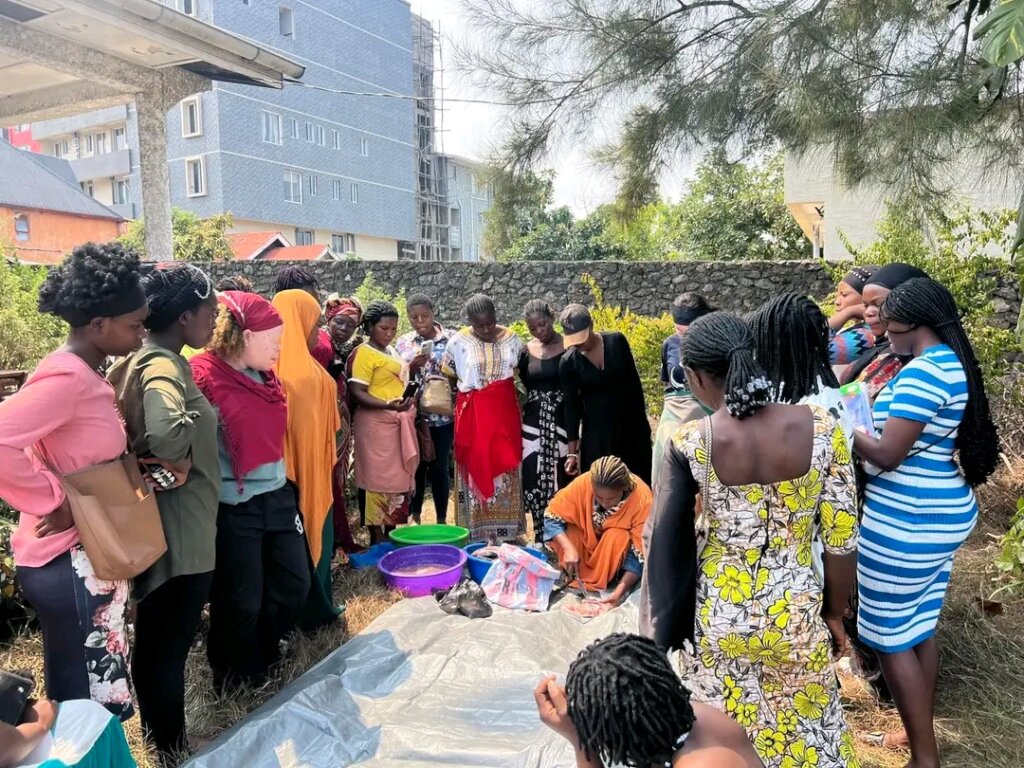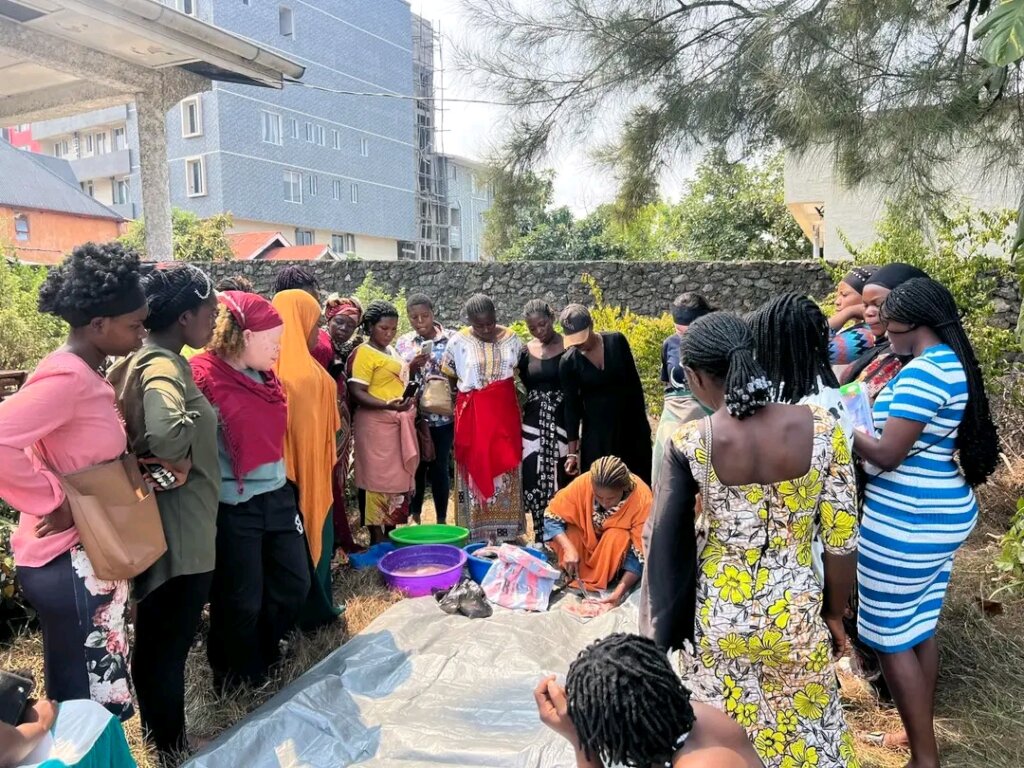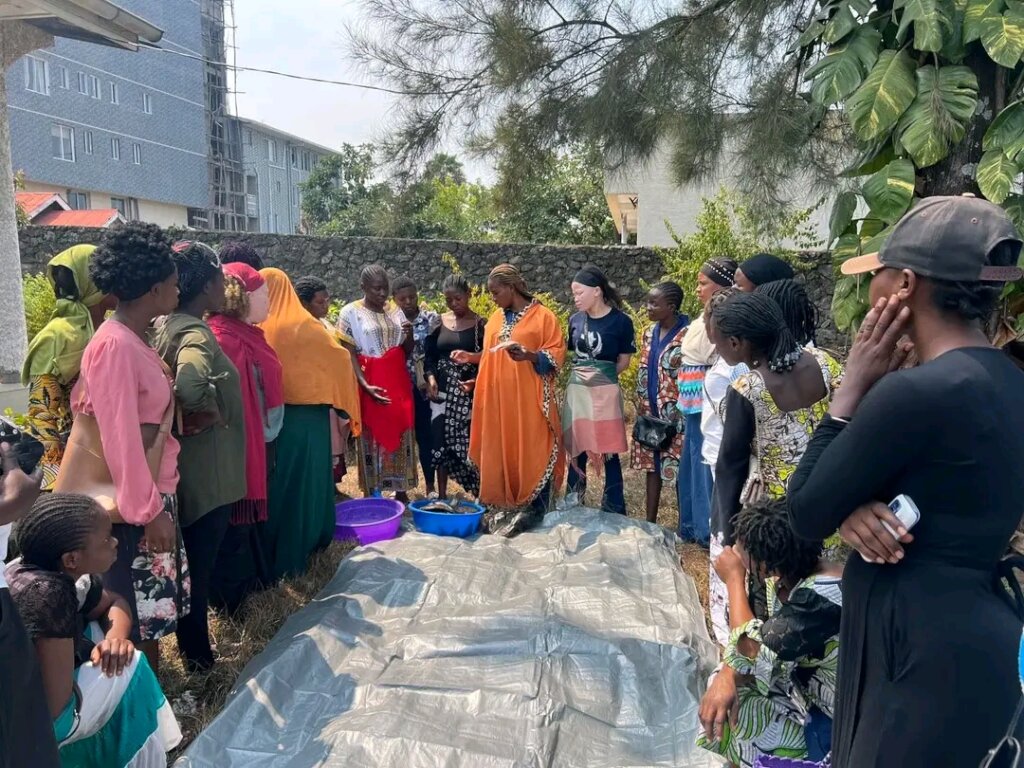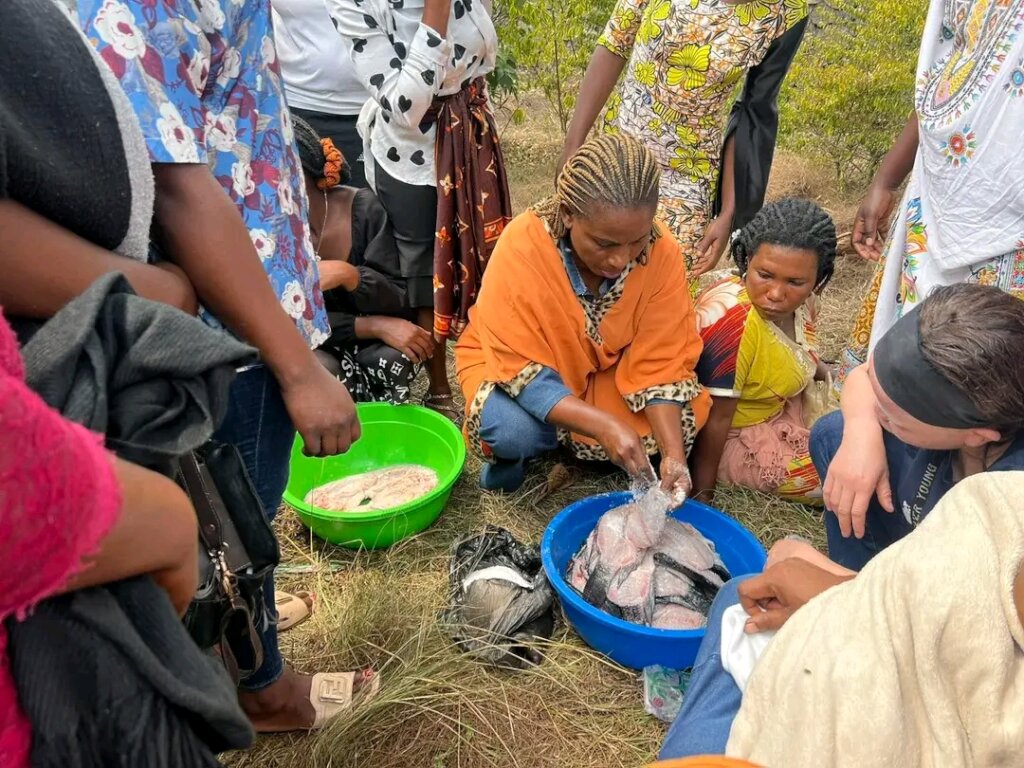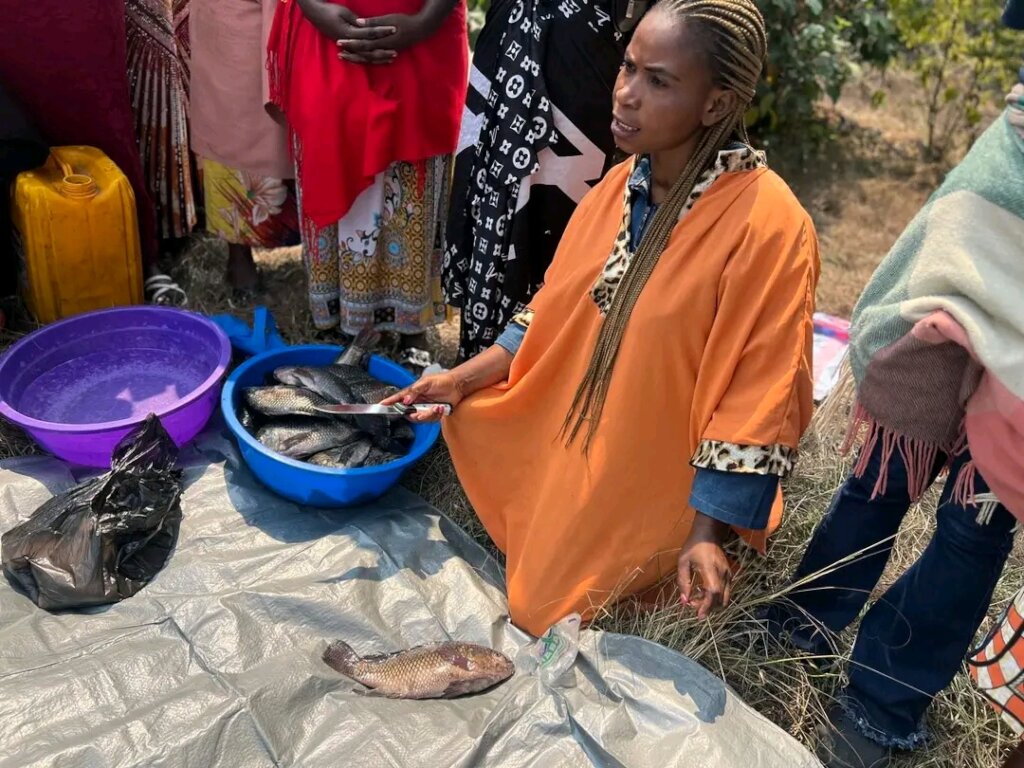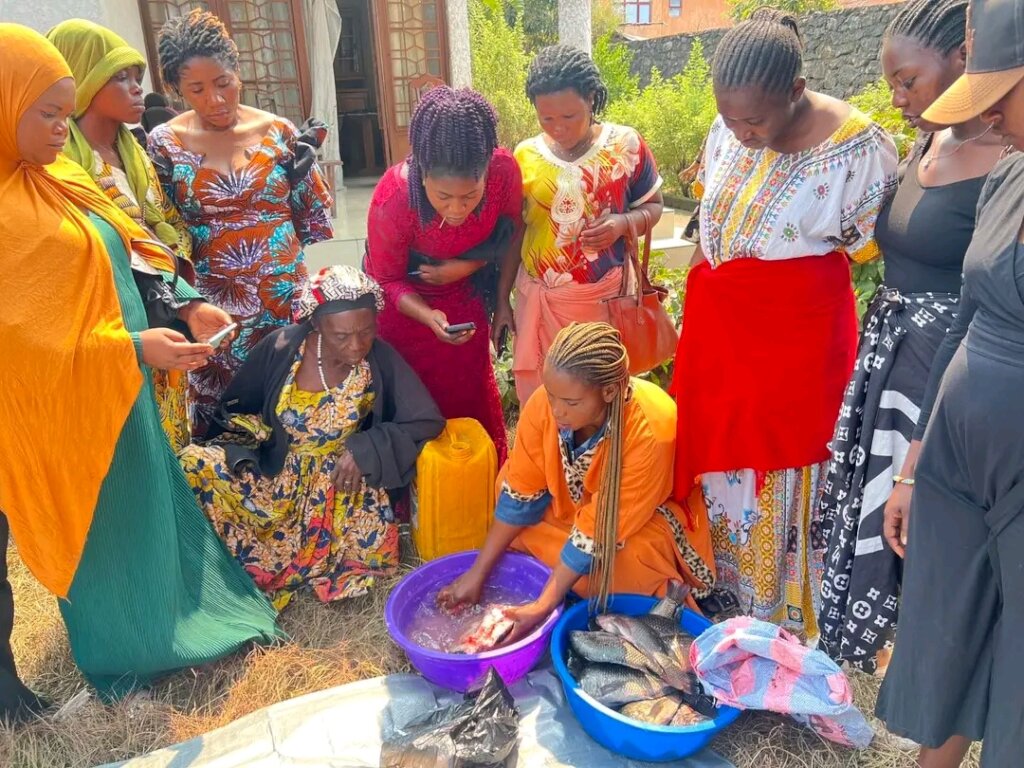
Salted fish venture in Eastern DRC produces Makayabu using Lake Kivu tilapia and catfish. The process covers gutting, 48-hr dry salting, sun-drying, and moisture-proof packing. This bypasses the region's lack of cold chains, supplying stable food to Goma and Bukavu markets. Premium filleting targets urban shops, while proximity to borders enables regional export. This sustainable agribusiness boosts local economy, reduces post-harvest loss, and ensures food security.
Eastern DRC faces a severe lack of cold-chain infrastructure and unreliable electricity, leading to massive post-harvest fish spoilage (up to 40%) at Lake Kivu and Lake Edward. This shortens shelf life, creates extreme financial losses for local fishermen, and triggers severe food insecurity in urban centers like Goma and Bukavu. Traditional fresh fish supply chains cannot safely reach distant markets, resulting in high prices, low local revenues, and reliance on expensive food imports.
By transforming highly perishable fish into Makayabu (salted fish), eliminating the need for cold-chain infrastructure. Using a 48-hour dry-salting and sun-drying method, it extends shelf life up to six months. This cuts post-harvest losses from 40% to under 5%, stabilizes fish prices, and guarantees a steady food supply for Goma and Bukavu. It also boosts fishermen's income by creating a robust, low-cost regional distribution network.
The project establishes a resilient, zero-carbon food supply chain across Eastern DRC, permanently reducing regional protein deficiency. It transforms local fishing economies by boosting incomes by 50%, fostering women-led retail micro-businesses, and cutting food imports. By scaling standard solar-drying networks, it creates hundreds of agribusiness jobs, mitigates post-harvest waste, and serves as a scalable model for climate-smart food security in sub-Saharan Africa.
This project has provided additional documentation in a PDF file (projdoc.pdf).



Support this important cause by creating a personalized fundraising page.
Start a Fundraiser