By Chaden Moataz | Projects Manager
When women enter the workforce, their healthcare needs do not disappear. They often become more complex.
For young women entering technical and non-traditional sectors, access to appropriate sexual and reproductive health information and services can be shaped by working hours, mobility, workplace culture, stigma, family responsibilities, and the availability of services that understand their realities. For mothers working in technical fields, these challenges can intersect with pregnancy, childcare, reproductive health needs, and the pressure to remain economically active.
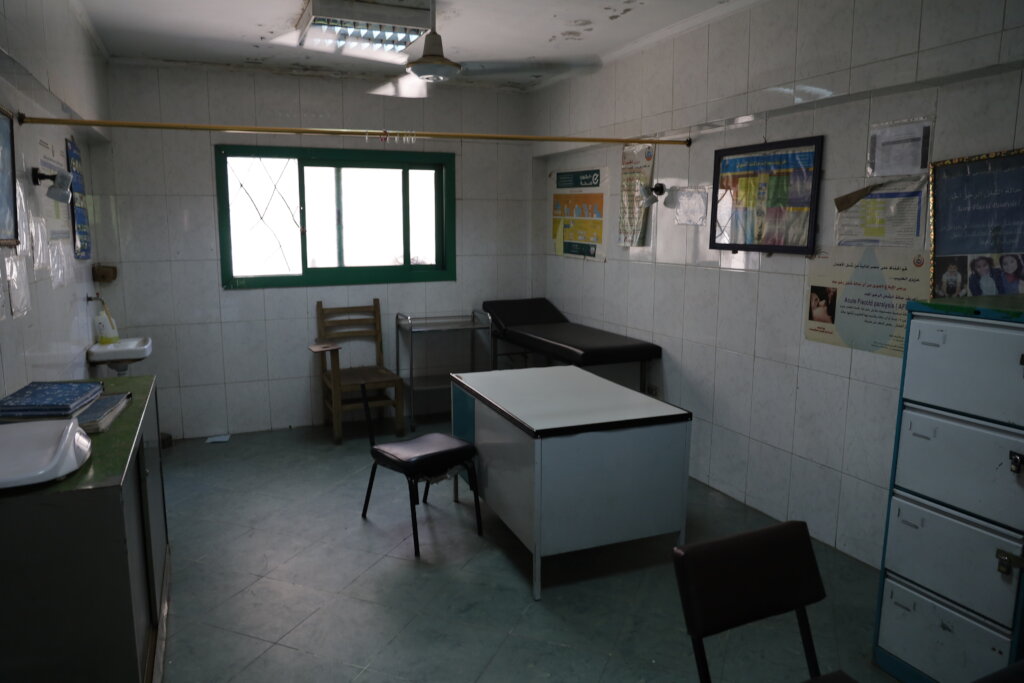
Women Friendly Services (WFS) was built around a simple principle: healthcare should respond to women’s lived realities not ask women to adapt themselves to systems that were not designed with them in mind.
Building on the experience and partnerships developed through WFS, Shamseya is now taking this approach into an important new space: the intersection between women’s health, decent work, and non-traditional employment sectors.
Why Women’s Healthcare Matters in Non-Traditional Work
Women entering technical, industrial, blue-collar, and other traditionally male-dominated occupations may face barriers that extend beyond access to a job. Healthcare services and information may not always reflect the specific realities of women who work long shifts, commute to industrial areas, work in physically demanding environments, or combine employment with caregiving responsibilities.
For a young woman entering a technical profession, this can mean limited access to trusted information on menstrual health, contraception, sexual and reproductive health, mental wellbeing, or where to seek confidential care. For a mother, the same system may need to respond to pregnancy and postpartum needs, family planning, childcare responsibilities, and the practical challenge of accessing services around working hours.
The question is therefore not only whether services exist. It is whether women working in these sectors can realistically reach them, trust them, understand them, and use them without stigma or discrimination.
In partnership with GIZ through their project focusing on the labor market access (LMAP) agenda, Shamseya’s recent collaboration with GIZ explores a complementary question: What would it take to make healthcare services more responsive to women working in technical and non-traditional sectors?
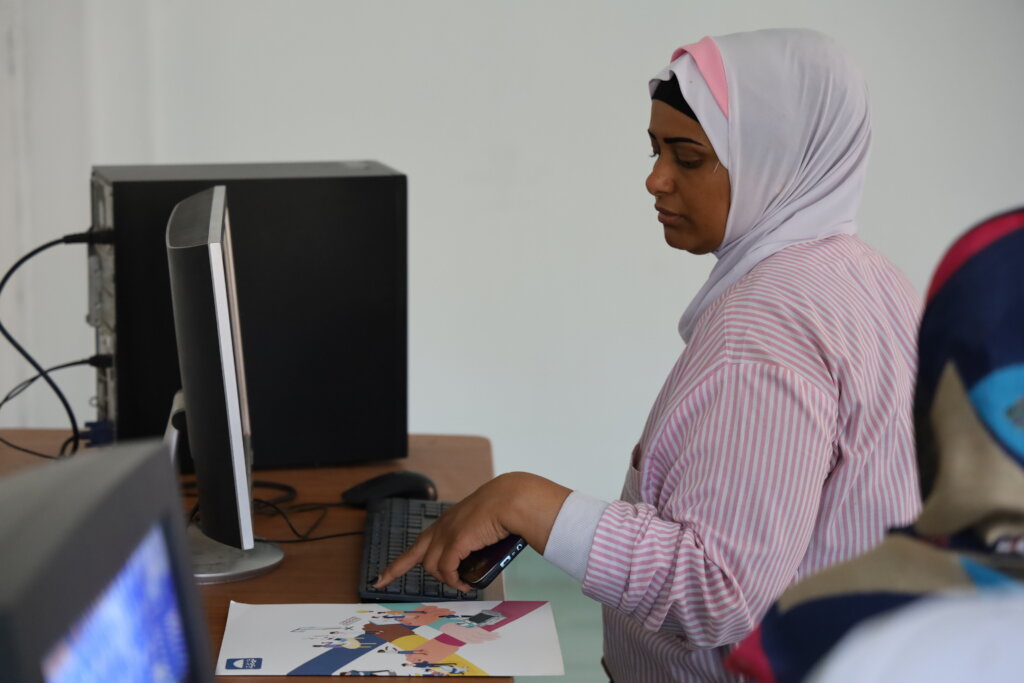
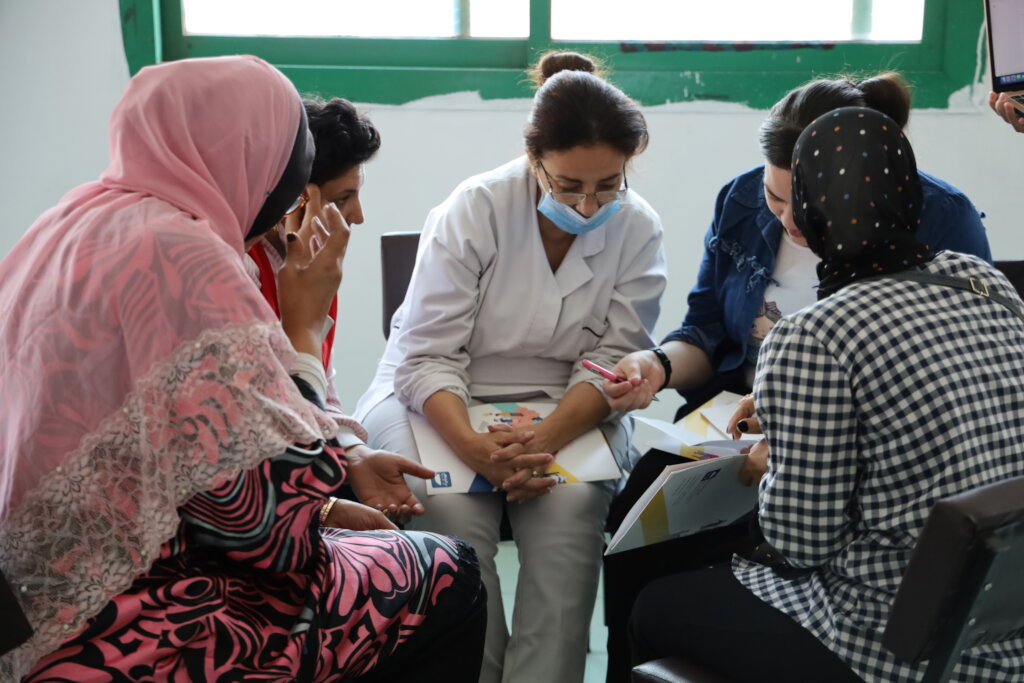
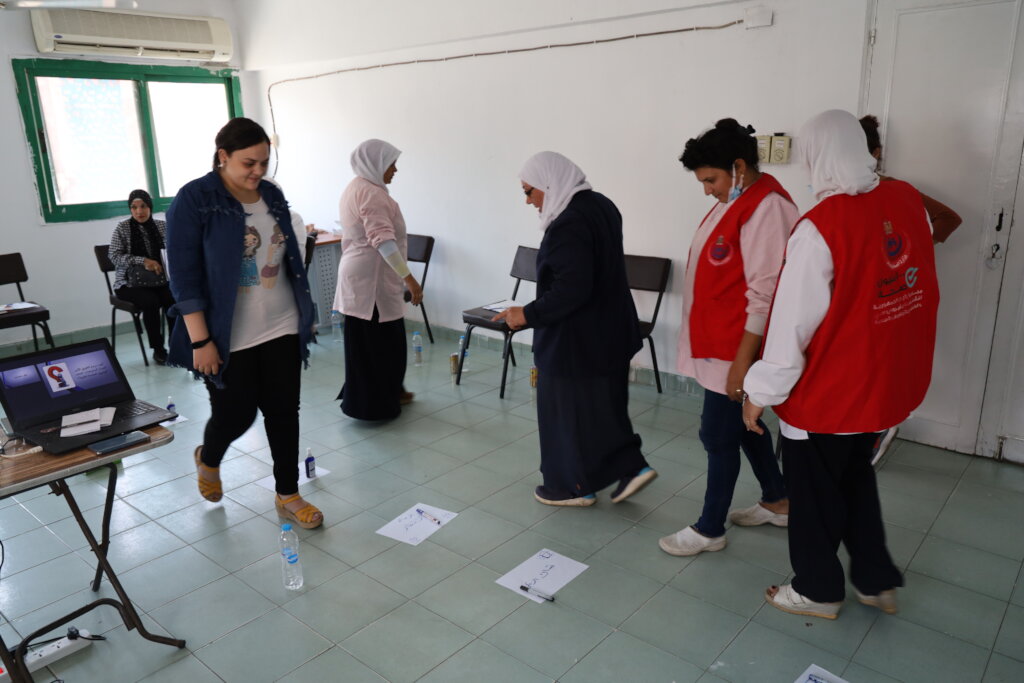
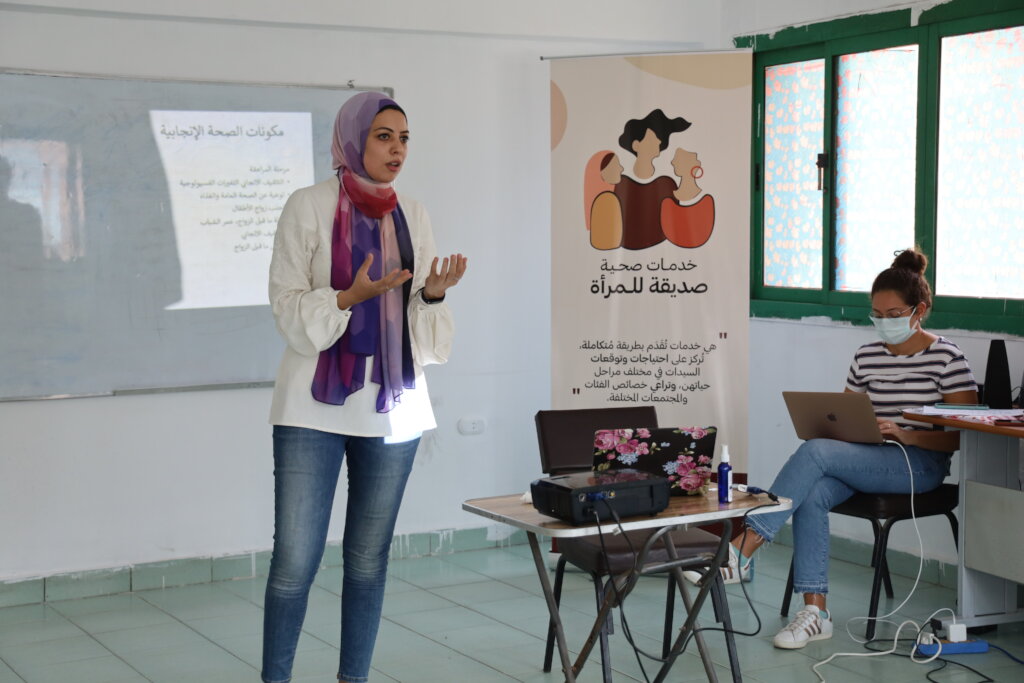
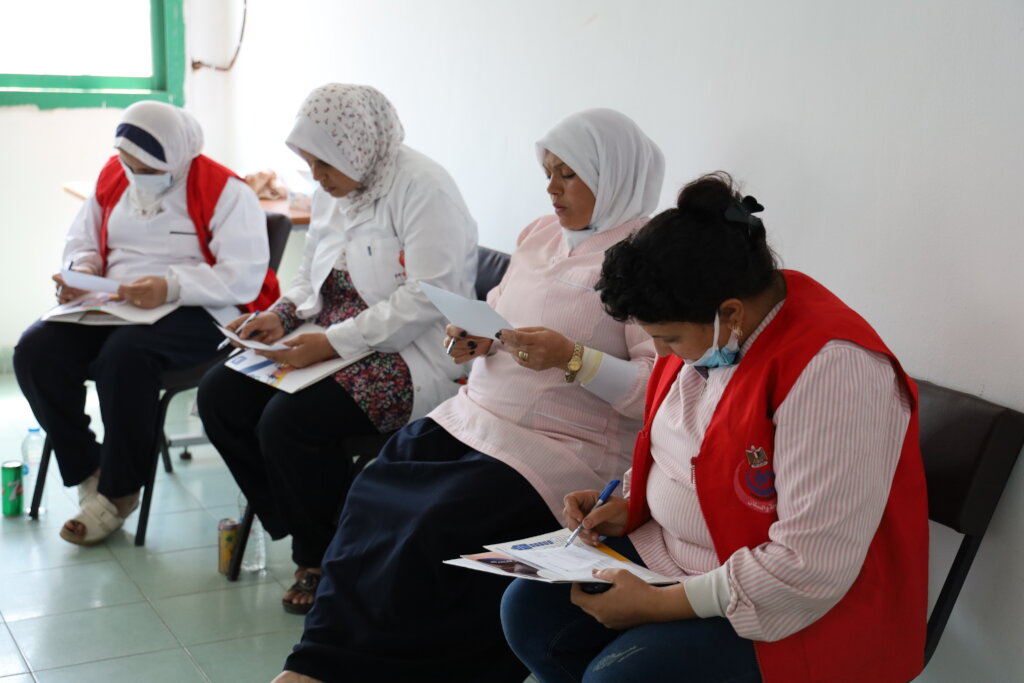
Rather than designing recommendations from the outside, the intervention uses a participatory approach. Women, employers, service providers, and relevant stakeholders are brought into the conversation to identify real barriers and practical solutions.
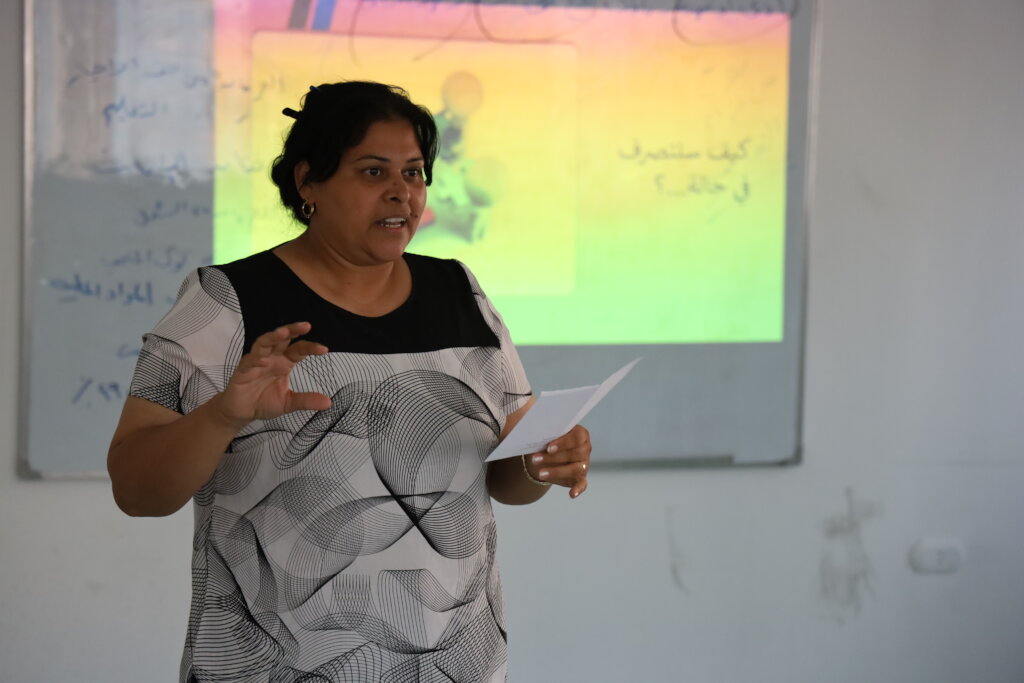
Through a series of participatory roundtables and discussions, the intervention has brought together different perspectives to explore how healthcare systems and services can better respond to women’s realities in the workplace. The process has generated 14 policy recommendations aimed at strengthening the responsiveness of healthcare services for women in these sectors.
Listening Before Designing
Participation is at the heart of this intervention. Instead of assuming what women need, the process creates space to listen to the experiences of those directly affected and those responsible for delivering, managing, or shaping services.
Young women entering technical and non-traditional occupations, whose needs may differ from those of women in more traditional workplaces.
Working mothers, whose healthcare needs are closely connected to reproductive health, pregnancy, postpartum care, childcare, and work-life pressures.
Employers and workplace stakeholders, who can help identify practical constraints related to working hours, referral mechanisms, workplace support, and access to information.
Healthcare and policy stakeholders, who can help translate lived experiences into feasible improvements in service delivery and policy.
From Conversations to Policy Recommendations
The intervention is designed to move beyond awareness-raising. Its purpose is to translate lived experiences into concrete recommendations that can inform how healthcare services are planned and delivered for women working in non-traditional sectors.
The recommendations explore the conditions needed for services to become more accessible, gender-responsive, confidential, and relevant to working women—including how women receive information, how they are referred to appropriate services, how service hours and pathways can respond to working realities, and how providers can better understand the specific needs of women in technical and blue-collar environments.
This represents an important evolution of Women Friendly Services: from improving the interaction between a woman and a healthcare provider, to asking how the wider system can be redesigned around the realities of women’s lives.
Women Friendly Services continues to grow from a project about improving health facilities into a broader commitment: building systems that recognize women as workers, mothers, young people, decision-makers, and rights-holders—and that are designed to support their health throughout these different stages of life.
With Gratitude
To our donors and supporters: your support allows Shamseya to take the lessons of Women Friendly Services into new spaces where women’s health, economic participation, and dignity intersect.
Together, we are working toward a future in which entering a technical profession does not mean leaving women’s healthcare needs behind—and where every woman can participate in the workforce with access to services that understand, respect, and respond to her reality.
With appreciation,
The Shamseya Team
Project reports on GlobalGiving are posted directly to globalgiving.org by Project Leaders as they are completed, generally every 3-4 months. To protect the integrity of these documents, GlobalGiving does not alter them; therefore you may find some language or formatting issues.
If you donate to this project or have donated to this project, you can receive an email when this project posts a report. You can also subscribe for reports without donating.



Support this important cause by creating a personalized fundraising page.
Start a Fundraiser