By Ayman Sabae | CEO
A mother gives birth. The hospital issues a notification. She walks to the civil registry to register her newborn — a simple act that opens the door to vaccinations, school enrollment, and social protection. But she is sent away. Staff ask for the father's ID. The father isn't there. The child leaves without a birth certificate, without a name in the system, without a legal identity.
This isn't a rare story. According to field interviews conducted by Shamseya, 60 to 70% of birth registration attempts by street-situation mothers in Cairo end in rejection — not because the law forbids it, but because frontline staff simply don't know, or don't apply, what the law actually says.
Rights exist on paper. Bringing them to life in reality is what is at stake.
What We Did About It
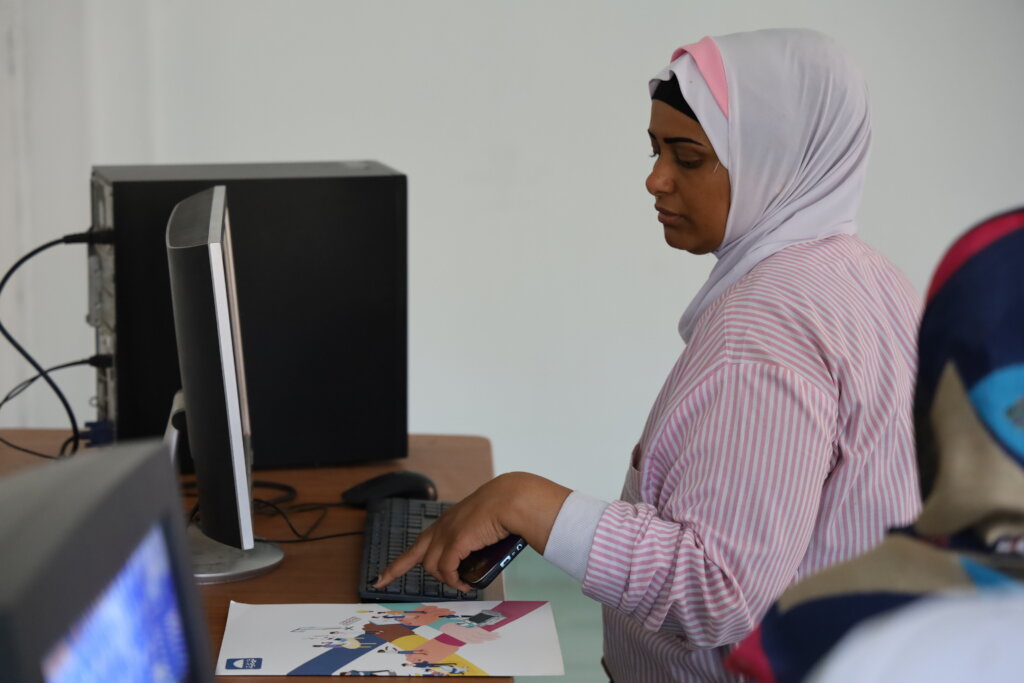
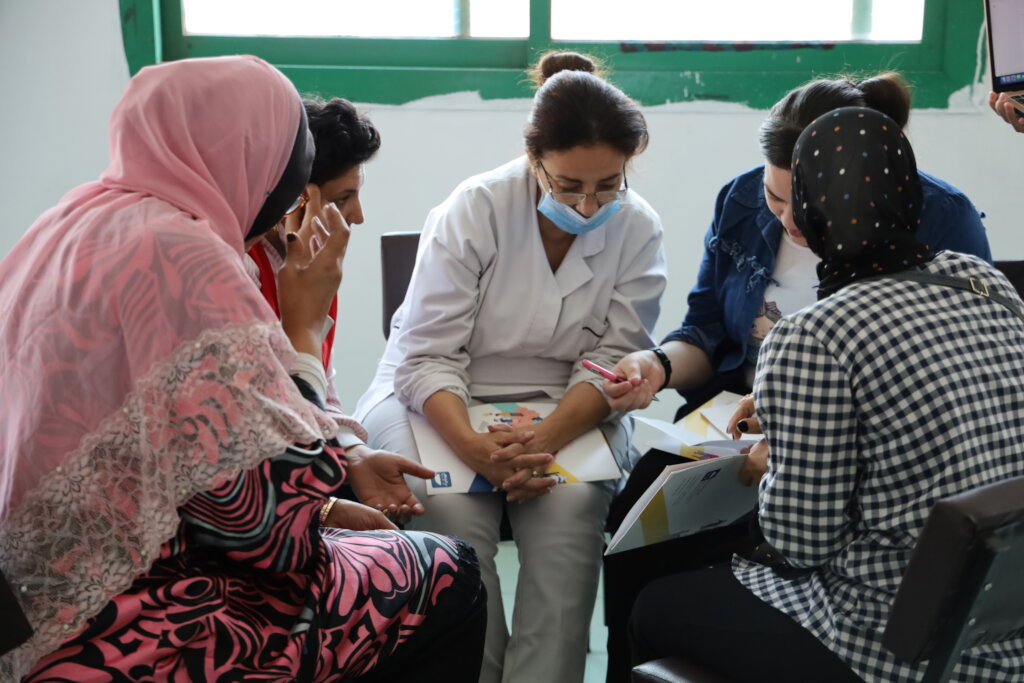
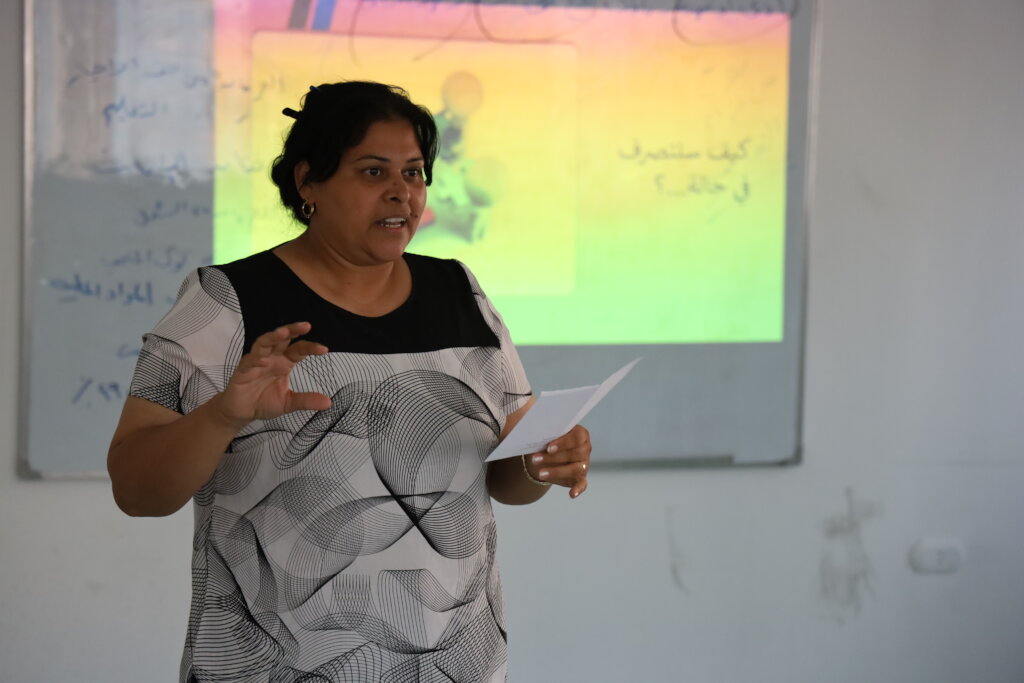
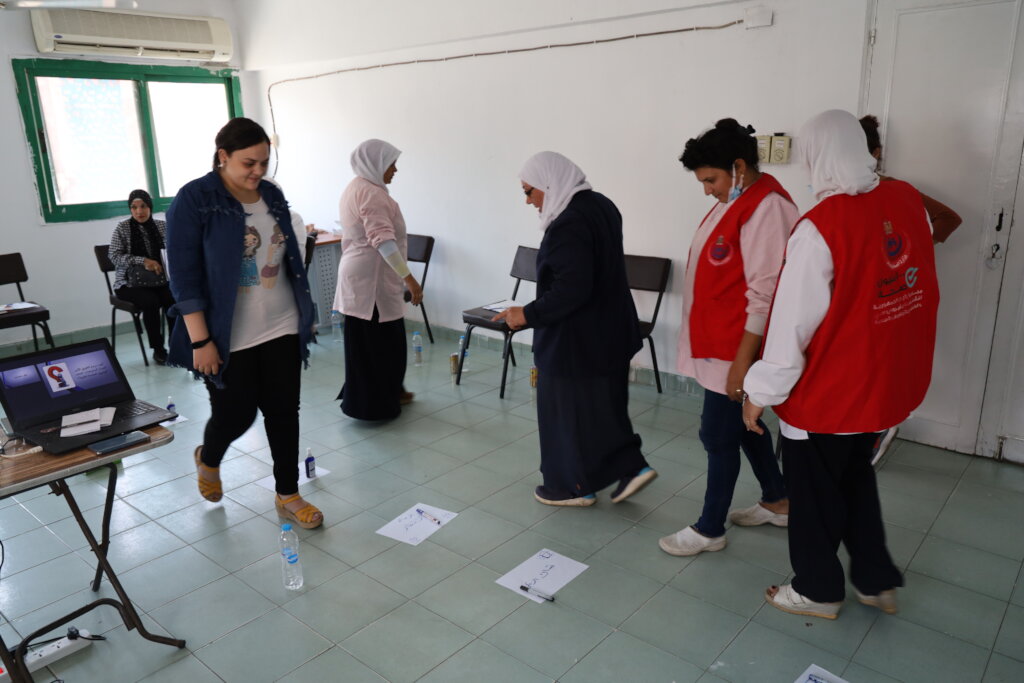
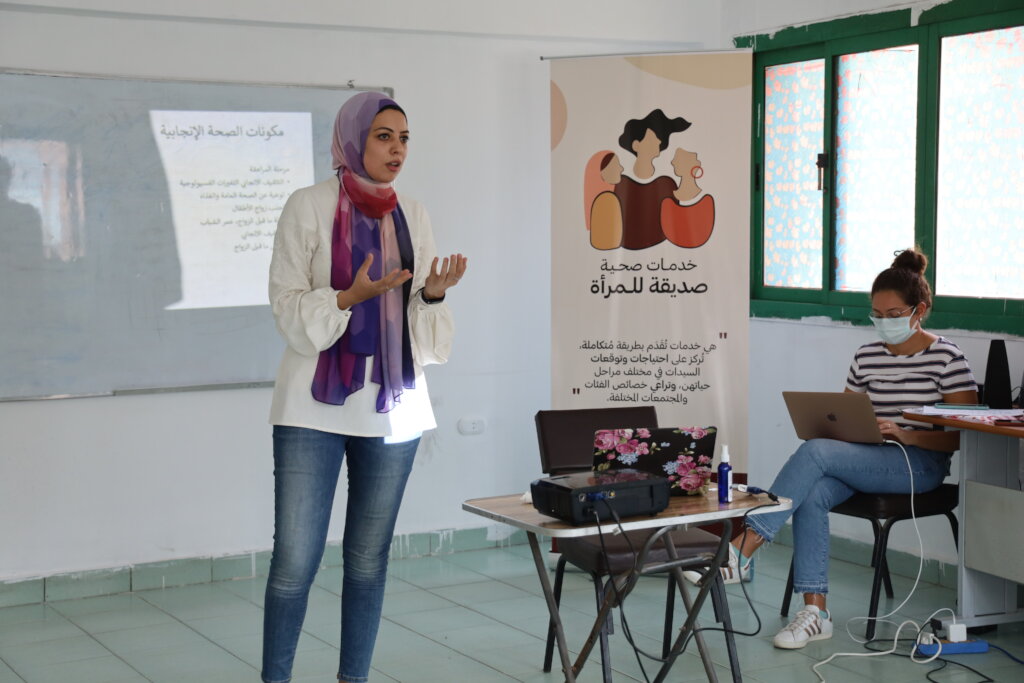
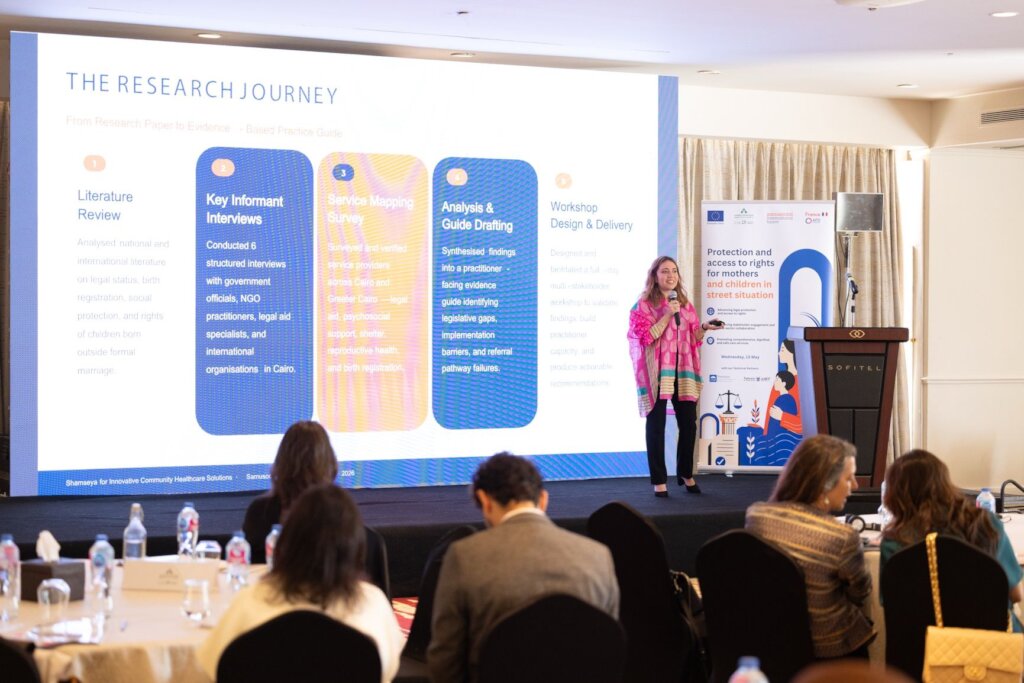
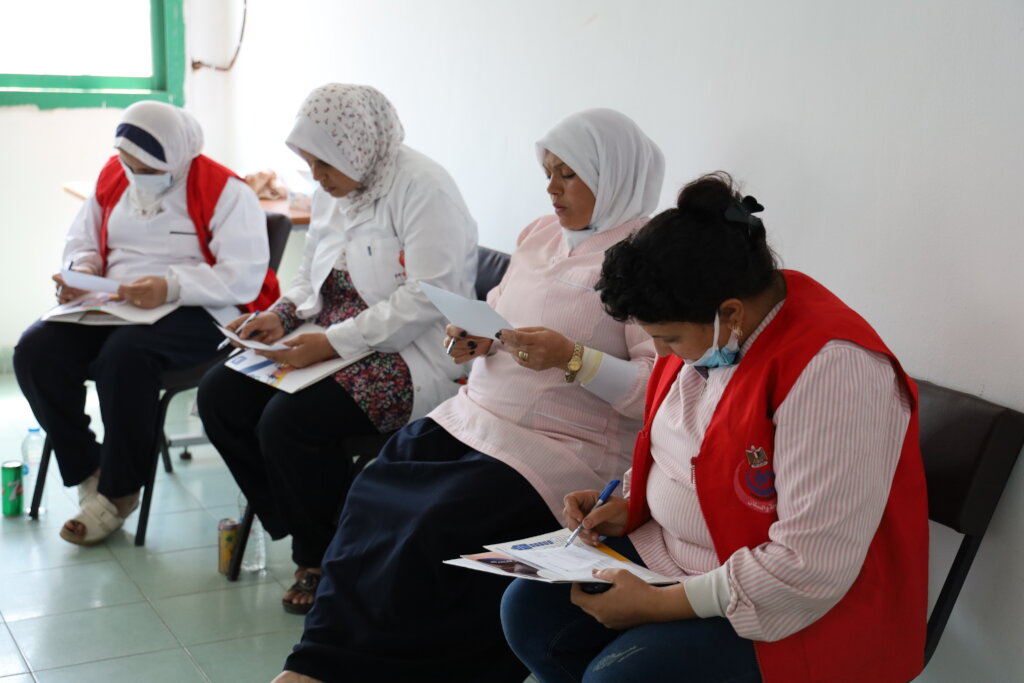
This May, in Cairo, a gathering brought together social workers, legal experts, civil society organizations, and government officials around a topic too often invisible: the rights of girls and young mothers in street situations.
At the center of the conference was Shamseya's newly launched guide — produced in partnership with Samusocial International Egypt, and co-financed by the European Union, the Agence Française de Développement (AFD), and the Sawiris Foundation — is titled:
"Protection and Access to Rights for Mothers and Children in Street Situation: A Practical Guide"
The French Embassy in Egypt, which attended the event, expressed pride in supporting initiatives that place the rights of the most vulnerable at the heart of Franco-Egyptian cooperation. That international recognition reflects the quality and ambition of what was produced.
What the Guide Covers
Built on six months of rigorous research — literature review, expert interviews, service mapping across Cairo and Giza, and direct field observation — the guide gives social workers, NGOs, policymakers, and lawyers a concrete, step-by-step toolkit:
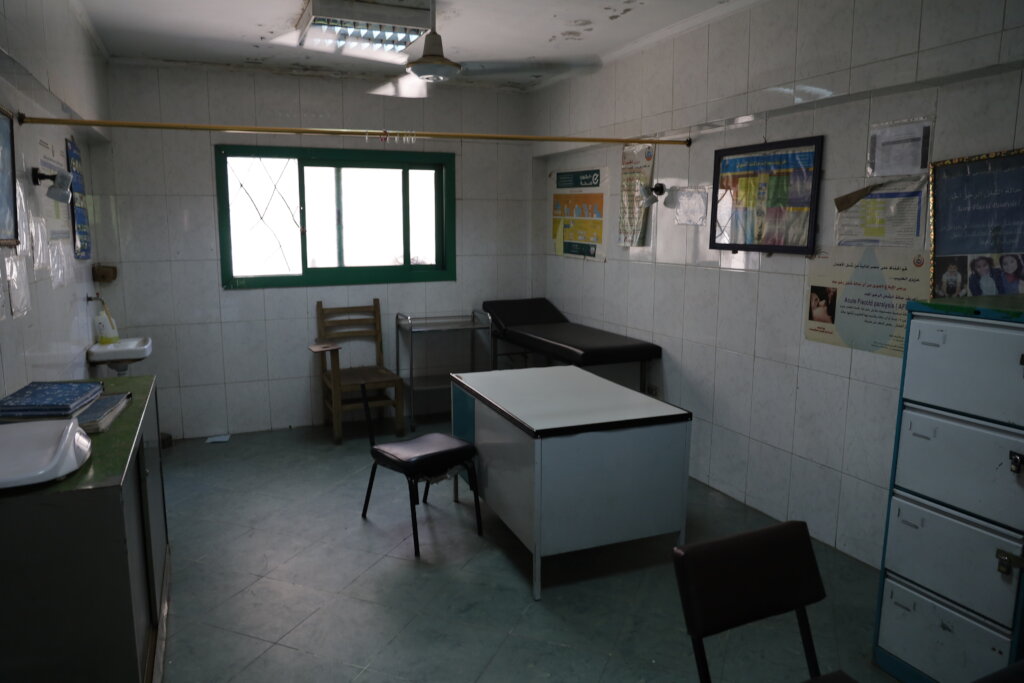
The Women Friendly Health Centers project has always been about one thing: making sure women aren't turned away. Not turned away because of stigma. Not turned away because staff aren't trained. Not turned away because the system wasn't designed with them in mind.
The guide we just launched is the same mission, applied to the most invisible population in Cairo — mothers living in street situations and their children, often described in our research as "legal ghosts": not recognized under existing institutional categories, falling between the cracks of a system that wasn't built to see them.
When health centers are trained and equipped to be truly women friendly, they become the very first safety net that catches these mothers and children before they disappear from the system entirely. A nurse who knows how to issue a birth notification. A social worker who knows to contact the child helpline before the civil registry. A health officer who doesn't turn a newborn away for a vaccination because the mother has no marriage certificate.
That is what your donation is building.
The Numbers Behind the Need
What Your Donation Makes Possible
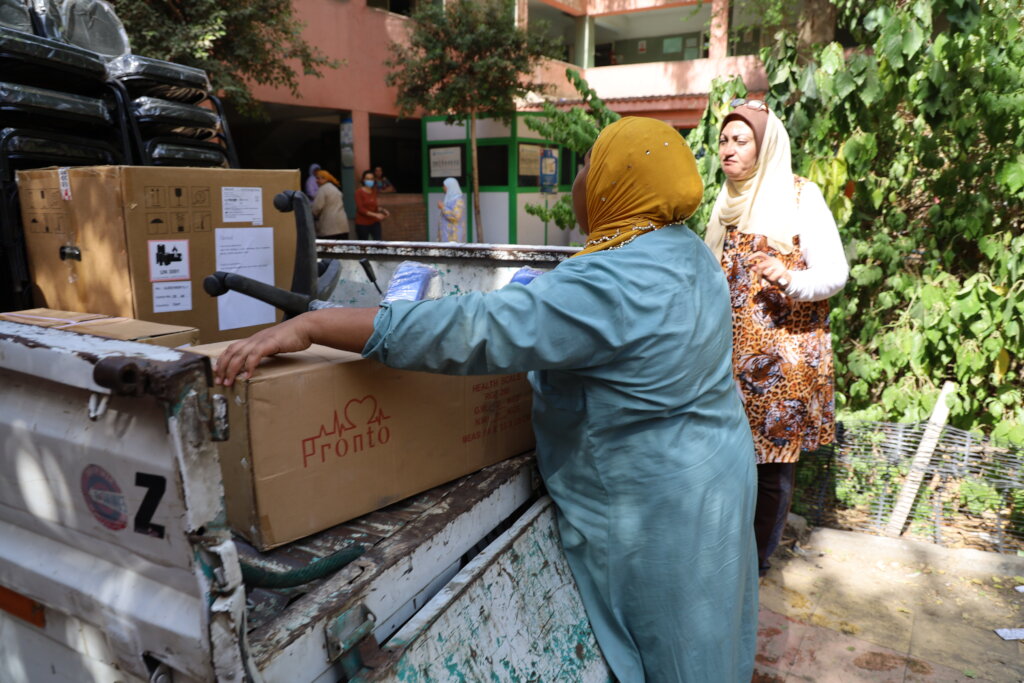
Every contribution to the Women Friendly Health Centers project directly funds the training, tools, and systems that make these moments of protection possible:
A Message from the Field
At our May 6 workshop, Geraldine Tawfik, Director of Samusocial International Egypt, put it plainly: street-situation mothers are often unable to carry out government procedures to register their newborns — not because they don't want to, but because of fear of authorities, lack of awareness, and a system that doesn't meet them where they are. Non-registration sets off a cascade: no citizenship, no education, no support, no healthcare. And the conditions snowball fast.
The guide we launched is a tool to interrupt that cascade — at the earliest possible moment.
Help Us Go Further
This guide is a beginning. The next step is getting it into the hands of every social worker, health officer, and civil registry employee who might one day face a mother at their window, holding a newborn, asking for nothing more than a piece of paper that says her child exists.
This report was prepared by Shamseya for Innovative Community Healthcare Solutions, May 2026. The Practical Guide was produced in collaboration with Samusocial International Egypt, with support from the European Union, AFD, and the Sawiris Foundation.
Links:
Project reports on GlobalGiving are posted directly to globalgiving.org by Project Leaders as they are completed, generally every 3-4 months. To protect the integrity of these documents, GlobalGiving does not alter them; therefore you may find some language or formatting issues.
If you donate to this project or have donated to this project, you can receive an email when this project posts a report. You can also subscribe for reports without donating.



Support this important cause by creating a personalized fundraising page.
Start a Fundraiser