By Huzaifa Kermani | Chief Marketing Officer (CMO)
Executive Summary
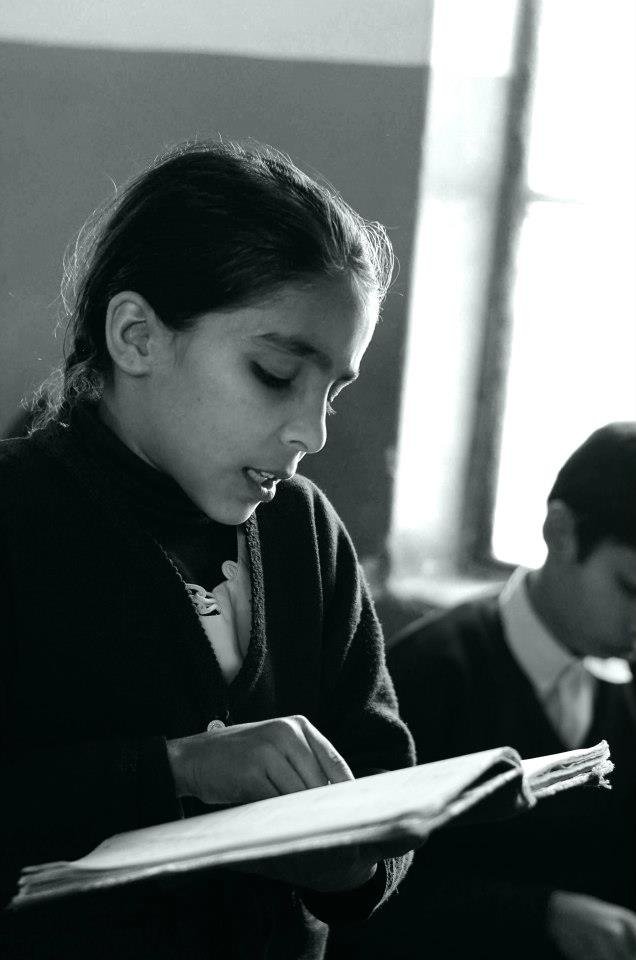
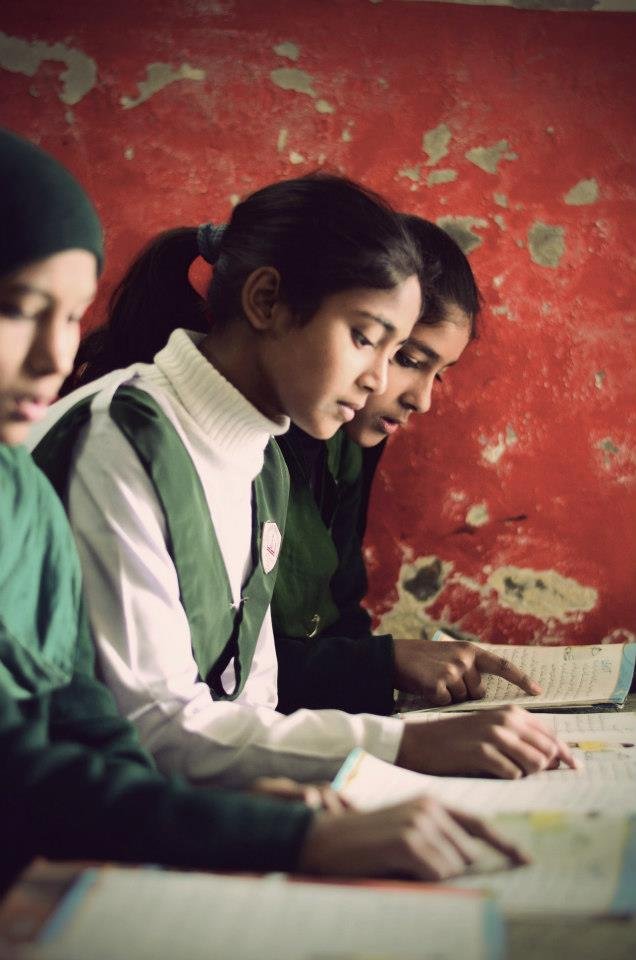
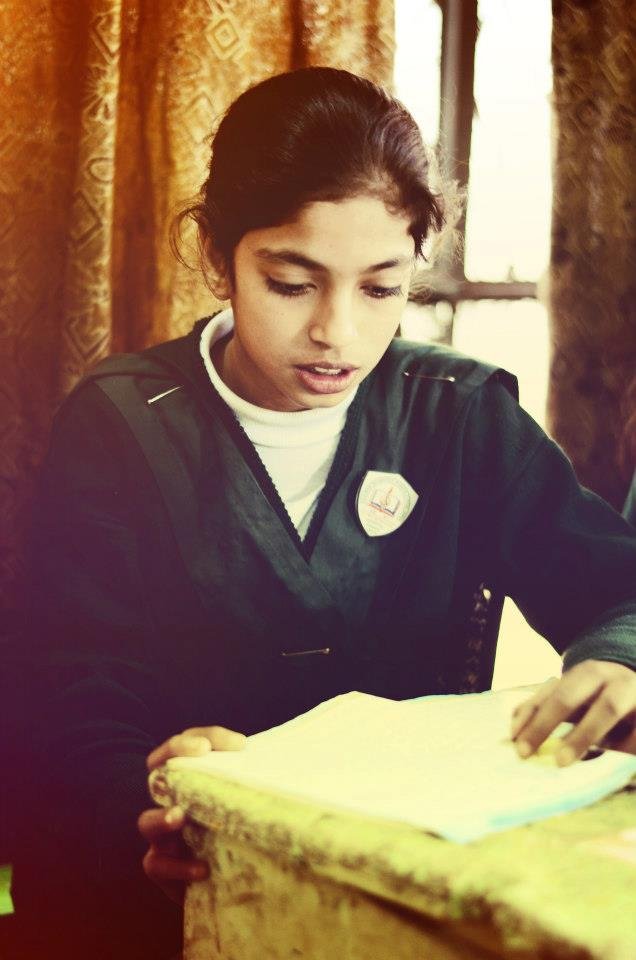
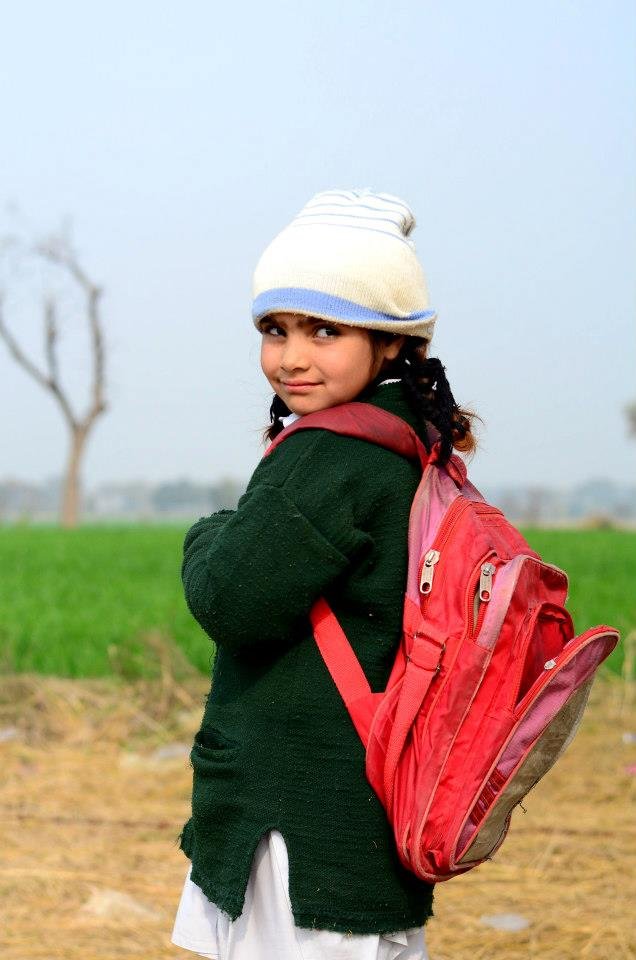
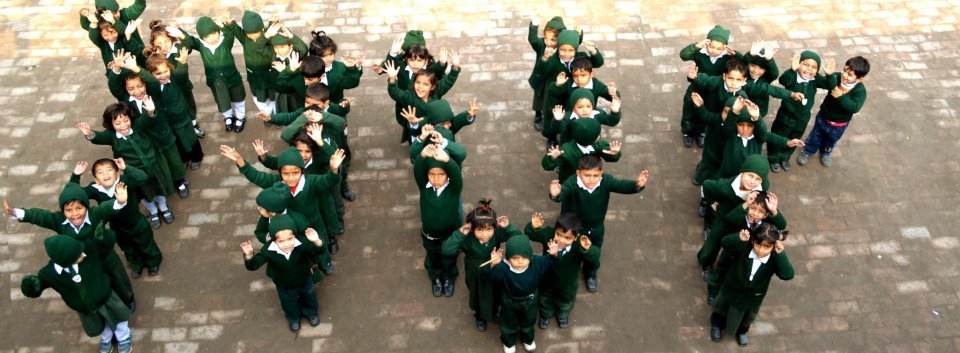
Since 1985, Fatima Memorial Hospital’s community outreach schools have worked to bring education within reach for children in underserved peri-urban communities of Lahore. Today, 1,850 students are enrolled across our network of formal and informal schools.
Yet one challenge remains central to our work: girls are still not reaching school at the same rate as boys. Girls currently make up 35% of total enrollment across our community school network. This gap reflects the cultural, economic, and social barriers that continue to shape family decisions around education.
Continuing Malala’s Dream – Educating Pakistan is our commitment to changing this reality. Through tuition support, uniforms, books, stationery, school essentials, retention assistance, and sustained parental engagement, the project helps girls not only enroll in school, but remain there.
Since our last report in January 2026, our focus has deepened from access alone to continuity, attendance, and family trust. The lesson is clear: getting a girl into school is the first step; keeping her there requires consistent support, dignity, and engagement with the family around her.
Context and Need
Pakistan continues to face one of the most serious education access challenges in the world. Millions of children remain out of school, and girls face additional barriers linked to poverty, domestic responsibilities, early social expectations, cultural hesitation, and the hidden costs of schooling.
In the communities served by FMH’s outreach schools, these barriers are visible at the household level. Many parents value education in principle, but struggle to prioritize girls’ schooling when daily survival, transport, uniforms, books, and family income pressures compete for attention.
For many girls, the risk is not only non-enrollment. It is irregular attendance, mid-year withdrawal, or gradual disengagement when families can no longer absorb the direct and indirect costs of education.
This project therefore continues to address both sides of the challenge:
What We Committed To
Through this project, we committed to:
Progress Since the Last Report
Continued Education Sponsorship
Status: Ongoing
Since the January reporting cycle, support has continued for sponsored girls through tuition assistance and school-related essentials. This support remains central because even modest education costs can become a reason for families to withdraw girls from school.
Support has included:
Result:
Sponsored girls remain connected to school and families face reduced pressure to withdraw them due to education-related costs. The support also helps protect the dignity of girls by ensuring they can attend school with the same basic supplies as their peers.
Strengthening Retention and Attendance
Status: In Progress
This cycle placed greater emphasis on identifying early signs of irregular attendance. Teachers and school teams continue to monitor attendance patterns, especially among girls from families facing financial instability or social hesitation around education.
The project continues to support:
Result:
The retention work is helping shift the project from one-time support to ongoing care. Girls who may otherwise have silently dropped out are being identified earlier, allowing school teams to intervene with parents before the situation becomes permanent.
Parent and Community Engagement
Status: Ongoing
Financial relief alone is not enough to keep girls in school. Since the last report, engagement with parents has remained an essential part of the project. These conversations are especially important in households where girls’ education is still seen as secondary to household responsibilities or early preparation for marriage.
Engagement has focused on:
Result:
We continue to see gradual acceptance among parents and community members. Families are more open to discussing girls’ education when support is practical, respectful, and consistent. This trust-building remains one of the most important foundations for long-term change.
Reducing the Hidden Costs of Schooling
Status: Ongoing
For low-income families, the cost of education is not limited to tuition. Uniforms, shoes, books, stationery, and other school essentials often determine whether a child attends with confidence or stays home.
This project continues to reduce these hidden costs by ensuring that sponsored girls receive the essentials needed to participate fully in school life.
Result:
In-kind support has helped reduce stigma among sponsored girls and improved their ability to attend school with confidence. It also reassures parents that education support is practical and not limited to fee coverage alone.
Learning and Adaptation
The last reporting cycle reinforced several important lessons:
These learnings are now being embedded more formally into the project approach. Our next priority is to make retention tracking stronger and more consistent across community school clusters.
Use of Funds
Funds continue to support the core needs identified in the project:
This allocation reflects the project’s dual focus: direct education access and the social support required to keep girls in school.
Long-Term Impact
Continuing Malala’s Dream is not only about supporting individual girls. It is about changing expectations within families and communities.
When a girl remains in school, the impact extends beyond one classroom. Educated girls are more likely to become educated mothers, make informed health decisions, contribute to household income, support their children’s learning, and advocate for education within their own families.
Over time, this project aims to contribute to:
Every year a girl stays in school increases the possibility of a different future—not only for her, but for the family and community around her.
Next 90-Day Plan
Over the next quarter, we will focus on:
How Your Support Helps
Your support helps girls stay in school when financial pressure might otherwise force them out.
It provides:
It signals to communities that girls’ education matters.
Most importantly, it helps protect a girl’s right to learn.
Acknowledgment
To our donors, fundraisers, teachers, school teams, community leaders, parents, and supporters—thank you for continuing to stand with us.
Your generosity is helping us move beyond enrollment numbers toward lasting retention, dignity, and cultural change.
Together, we are continuing Malala’s dream—one girl, one classroom, and one future at a time.
```
Project reports on GlobalGiving are posted directly to globalgiving.org by Project Leaders as they are completed, generally every 3-4 months. To protect the integrity of these documents, GlobalGiving does not alter them; therefore you may find some language or formatting issues.
If you donate to this project or have donated to this project, you can receive an email when this project posts a report. You can also subscribe for reports without donating.



Support this important cause by creating a personalized fundraising page.
Start a Fundraiser