Project Report
| May 5, 2015
Conservation Without Borders: May update
By Richard Hines | Communications Manager
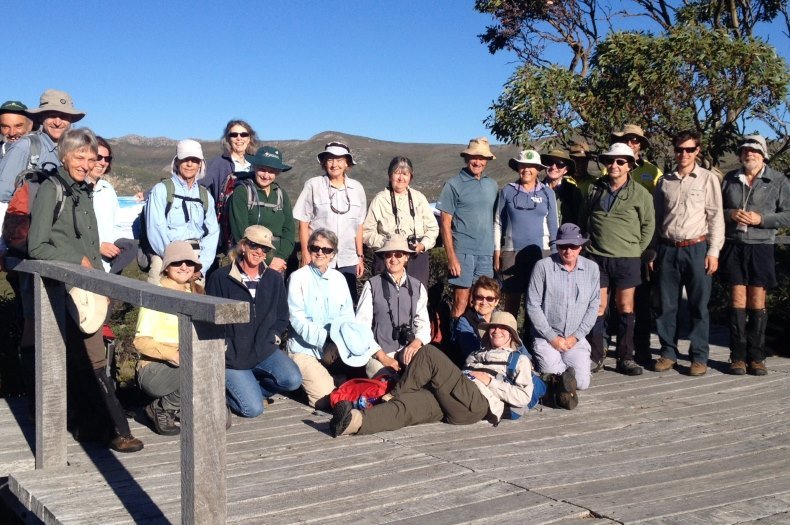
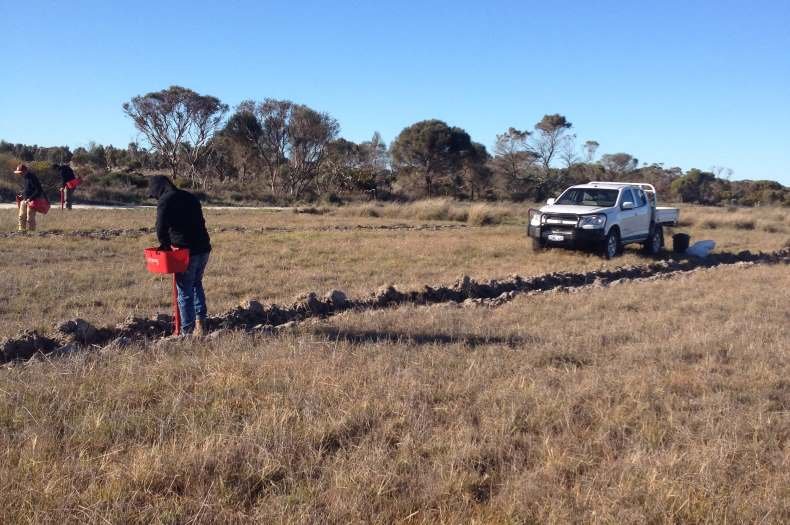
![Volunteers helping survey for damaging weeds]()
Volunteers helping survey for damaging weeds
I can't believe how quickly 2015 is flying by. But I'm pleased to report that with your help, progress on Conservation Without Borders is racing along too. Here are just a few of the highlights from the past three months:
- In February we helped a huge team of volunteers carry out an extensive weed survey in Kosciuszko National Park - home of Australia's highest mountain. Weeds have a devastating effect on native plants and animals so the team's work was essential to the conservation of the area. Find out more.
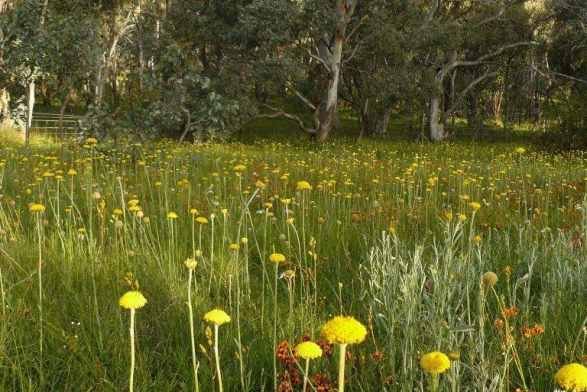
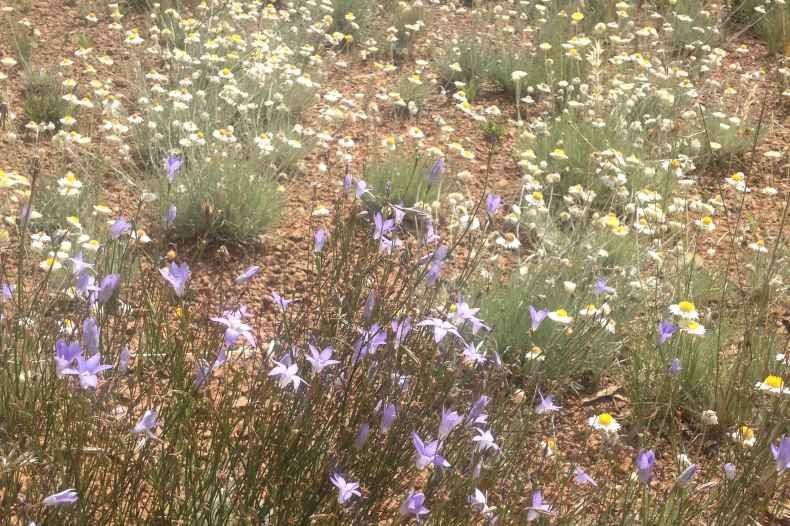
- In March the wildflowers were in bloom in Scottsdale - stunning proof that our restoration of this huge reserve in New South Wales is working. See the flowers in bloom.
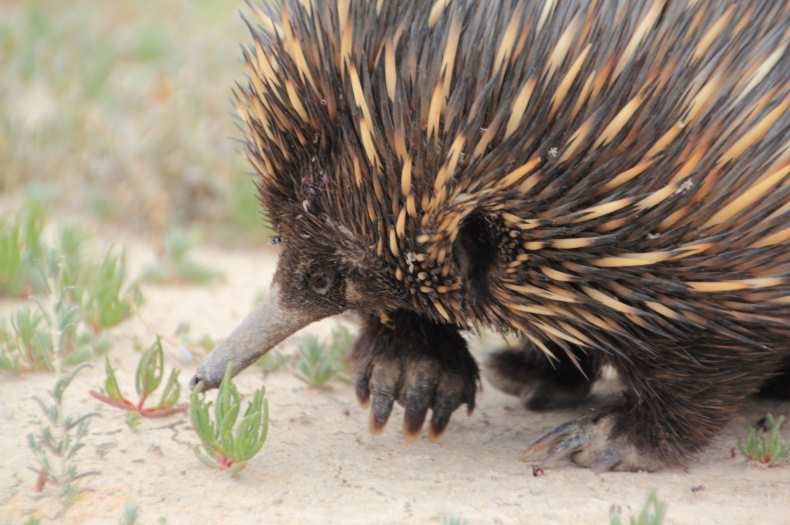
- In April we launched a beautiful new wildlife guide in South Australia. The guide is aimed at members of the local community who care for the animals that live our environment and want to do something about conserving them. Download your own copy.
We're also just hitting planting season in many parts of Australia so next time I'm in touch I'll let you know how we're getting on. We've got hundreds of thousands of plants ready to go in the ground so it's going to be busy!
Thank you again for your support - I'll be in touch soon.
![Wildflowers at the Scottsdale Reserve]()
Wildflowers at the Scottsdale Reserve
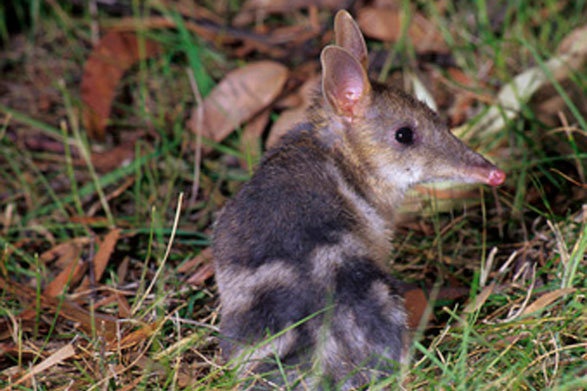
![An echidna - one of the stars of our new book]()
An echidna - one of the stars of our new book
![Share on Twitter]()
![Share on Facebook]()
Jan 30, 2015
A new year for Conservation Without Borders
By Richard Hines | Communications Manager
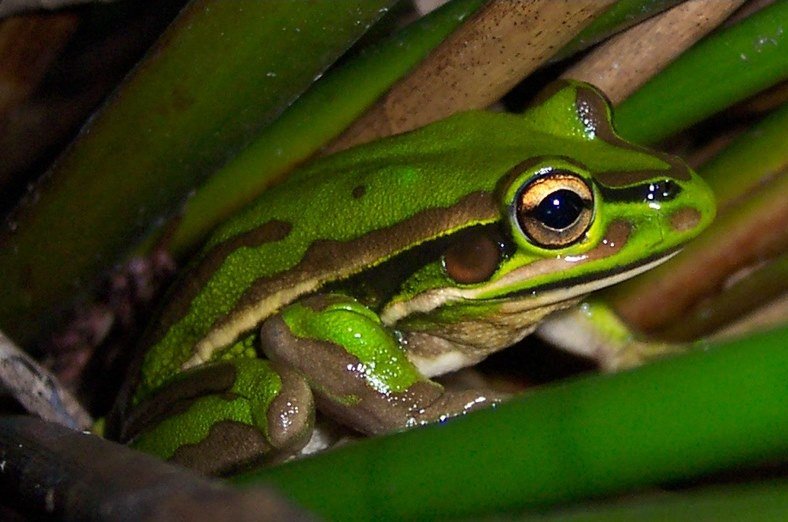
![Green and Golden Bell Frog]()
Green and Golden Bell Frog
Welcome to your first Conservation Without Borders update of 2015. We're incredibly excited about the year ahead but first let's take a look at some of the highlights from the past few months:
- Rare frog calls recorded from the shores of the Gippsland Lakes were a great indicator that our efforts to restore the health of the local wetlands are working. Have a listen yourself.
- We're a step closer to understanding why the small leaf bluebush - a plant with huge potential for landscape conservation and restoration - has been so tricky to use in our projects. Read the results of the research.
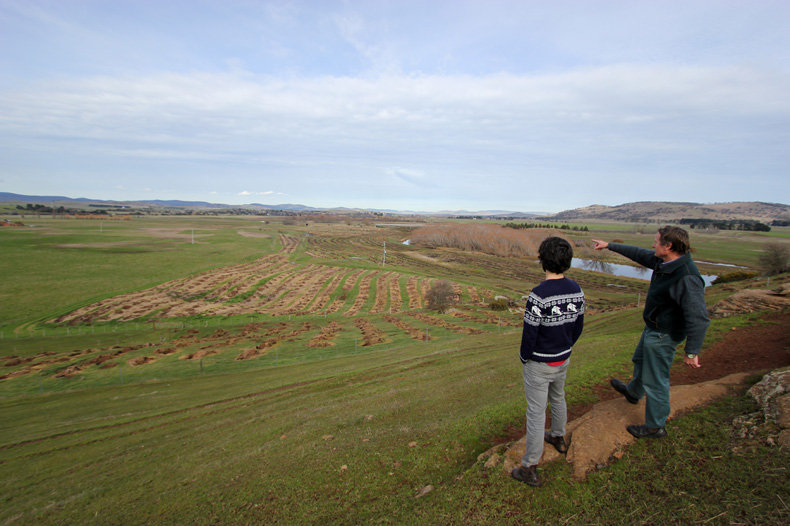
- Our team in WA spent a very busy Autumn and Winter creating hundreds of hectares of new habitat in the biodiversity hotspot of Gondwana Link. Find out how they did it.
With your support we're going to have an even busier 2015. We'll create more habitat, restore more of the Australian landscape and protect more wildlife. So thank you - I'll be in touch again soon.
![Creating habitat in Gondwana Link]()
Creating habitat in Gondwana Link
![Share on Twitter]()
![Share on Facebook]()
Nov 4, 2014
Restoring Australia's landscapes
By Richard Hines | Digital Communications Manager
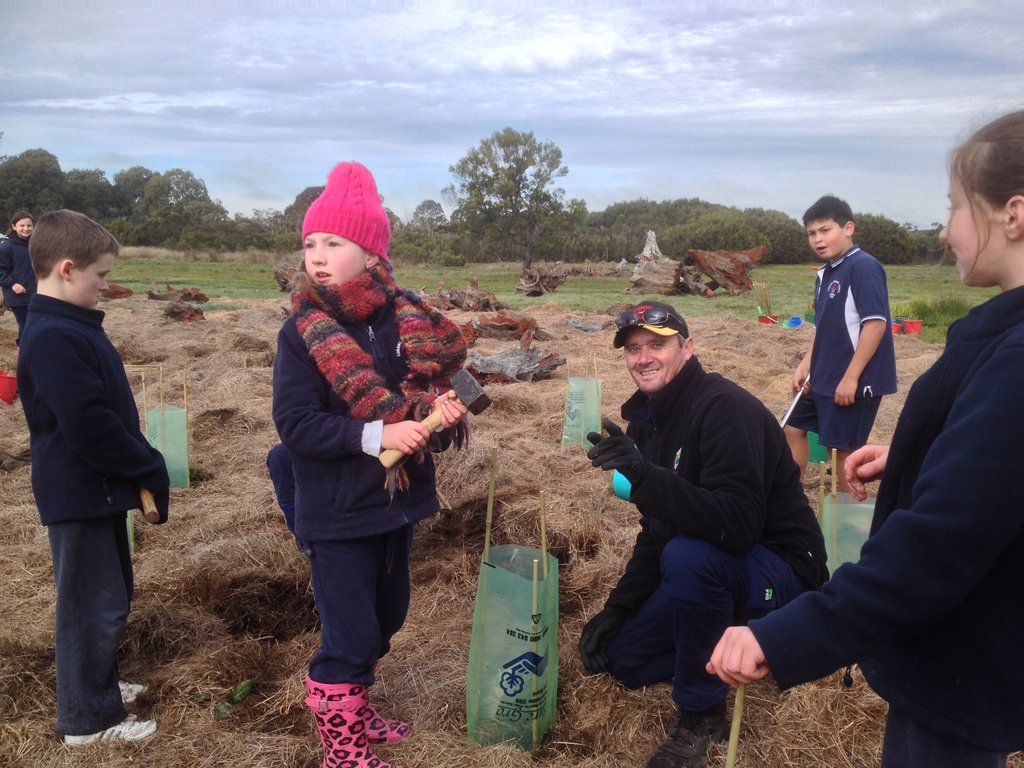
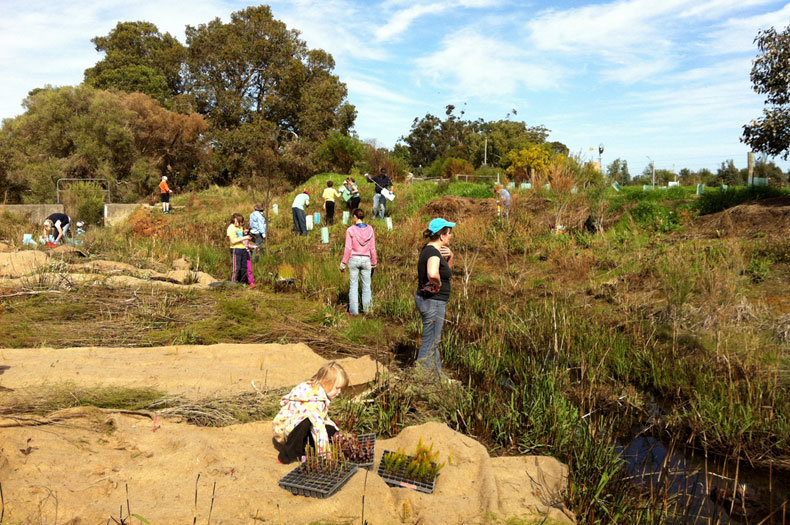
![Community creekline conservation]()
Community creekline conservation
As we edge towards the end of Spring it's time to reflect on some of the work that Conservation Without Borders has achieved over the past few months:
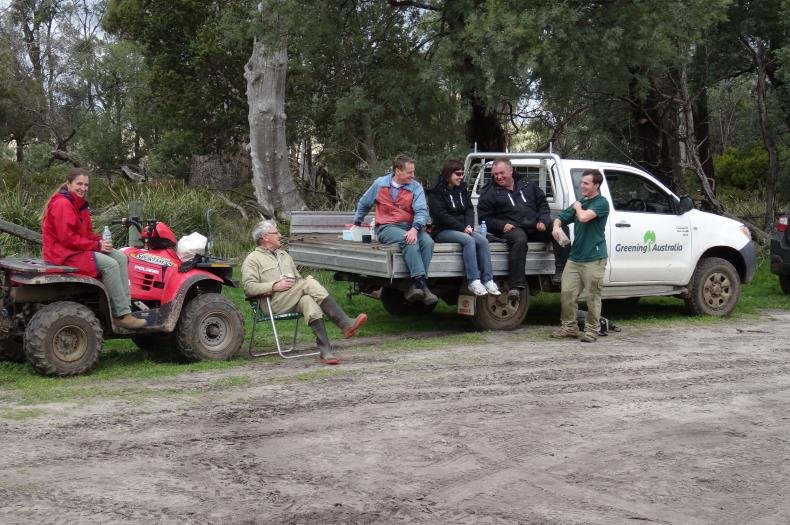
- Our Tassie team has finished planting 120,000 young trees to restore grassy woodlands in the Tasmanian Midlands - and built a whopping 6,000 tree cages to protect them. Find out how they did it.
- We were joined by dozens of local community members and neighbours at our Peel office in WA, all helping to restore the riparian zone and creekline that runs by the office. Check out the transformation.
- We completed our scientific investigation into one of life's biggest questions: why are trees taller on top of hills? Find out why.
That's just a tiny snapshot of the incredible work that Conservation Without Borders is doing to restore Australia's unique landscapes. So thank you again - we couldn't do it without your generous support.
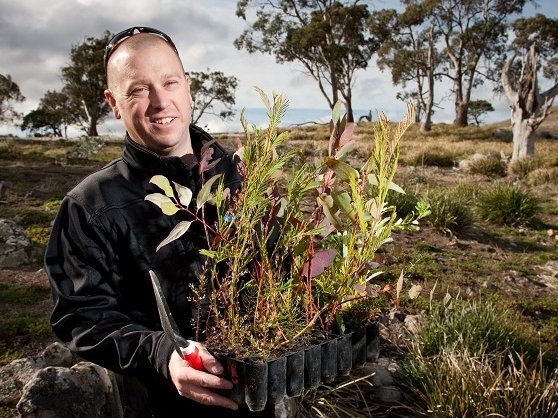
![Taking a break from planting 120,000 trees]()
Taking a break from planting 120,000 trees
![Share on Twitter]()
![Share on Facebook]()