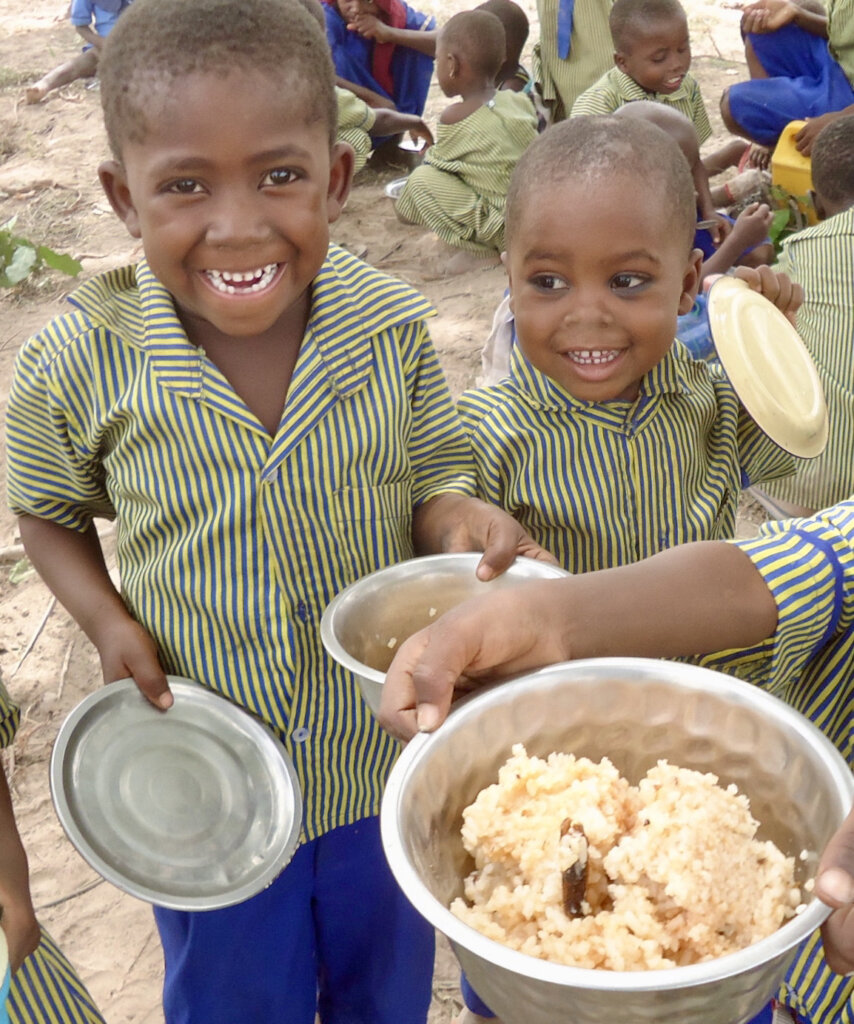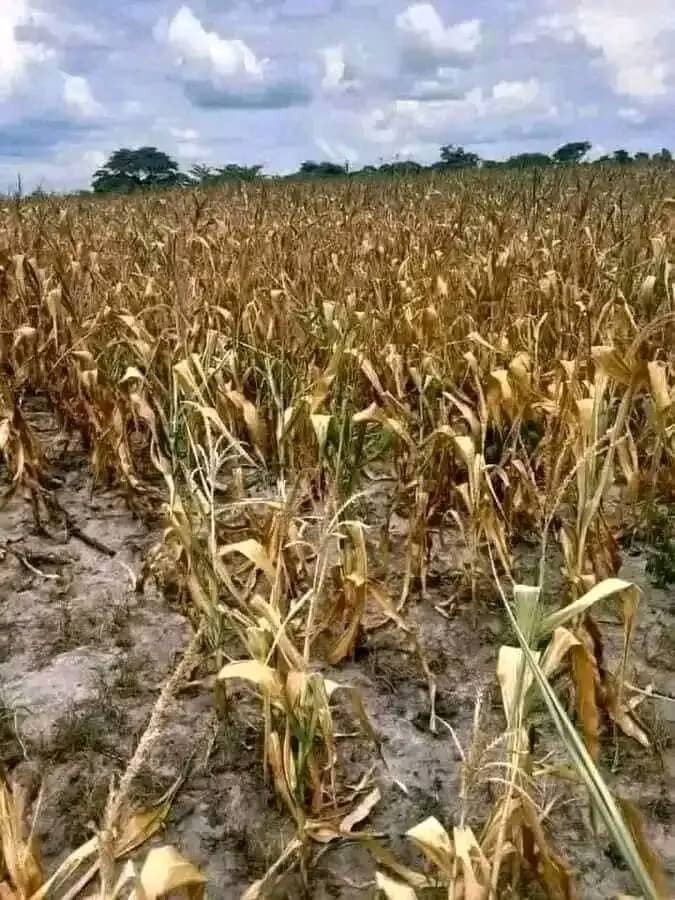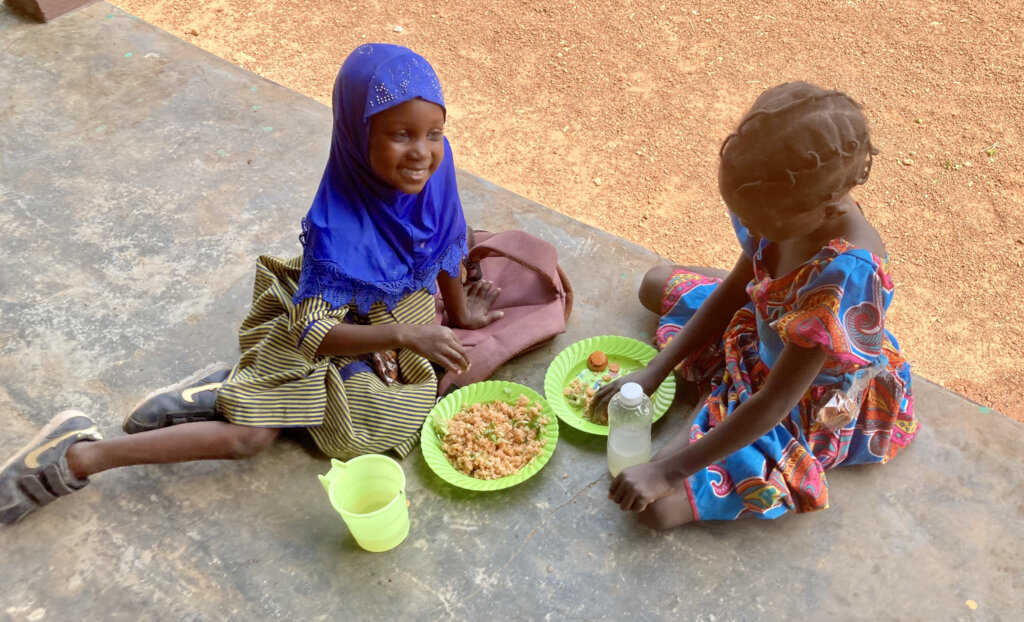
In our partner villages, the worst drought in 40 years and the loss of humanitarian aid to prevent and treat malaria, are creating severe health risks for children. With our local partners, we are providing daily lunches a our community schools, distributing food to mothers of young children, purchasing malaria nets, and setting up an emergency health fund to provide transportation and pay for medications to treat severe malaria.
In our partner communities, most adults are subsistence farmers living in extreme poverty. Changing rainfall, high temperatures, severe storms, and soil degradation are making farming harder. Loss of foreign aid impacted both health and food. Now, conflict in the Middle-East is causing rising fuel prices as well as a decline in fertilizer production and trade (estimated at 50% loss globally). These challenges are causing food shortages that are anticipated to become severe later this year.
We collaborated with our partners to develop an emergency food security plan. Our partners are distributing food to the most vulnerable families. We are also providing additional food in our school lunches, and have created a meal program for students in our youth education and vocational education programs. We are also increasing investment in our women's farming program to try to produce more food locally.
This is an emergency relief project and we hope it will not be part of our long-term sustainable development work. However, we by addressing food issues effectively, our partners will further increase their community organizing capacity. Separately, expansion of our women's farming program enhances long-term food security, providing women with incomes that they use for health, education, and additional foods.



Support this important cause by creating a personalized fundraising page.
Start a Fundraiser