By Matt Kertman | Senior Communications Associate
Two years ago, after a massive earthquake, BRAC was one of the first global organizations to stand with the people of Nepal, providing blankets, medicine and medical equipment requested by the government. Soon after, an emergency team — four doctors, one disaster management expert and a livelihood specialist — was on the ground.
Working closely with the Ministry of Health and Population, WHO and other INGOs, and with the help of local volunteers and the Nepal police hospital team, BRAC provided medical care to more than 750 survivors. Today, BRAC implements a comprehensive community development project that includes initiatives in health, sanitation and empowerment of adolescent girls.
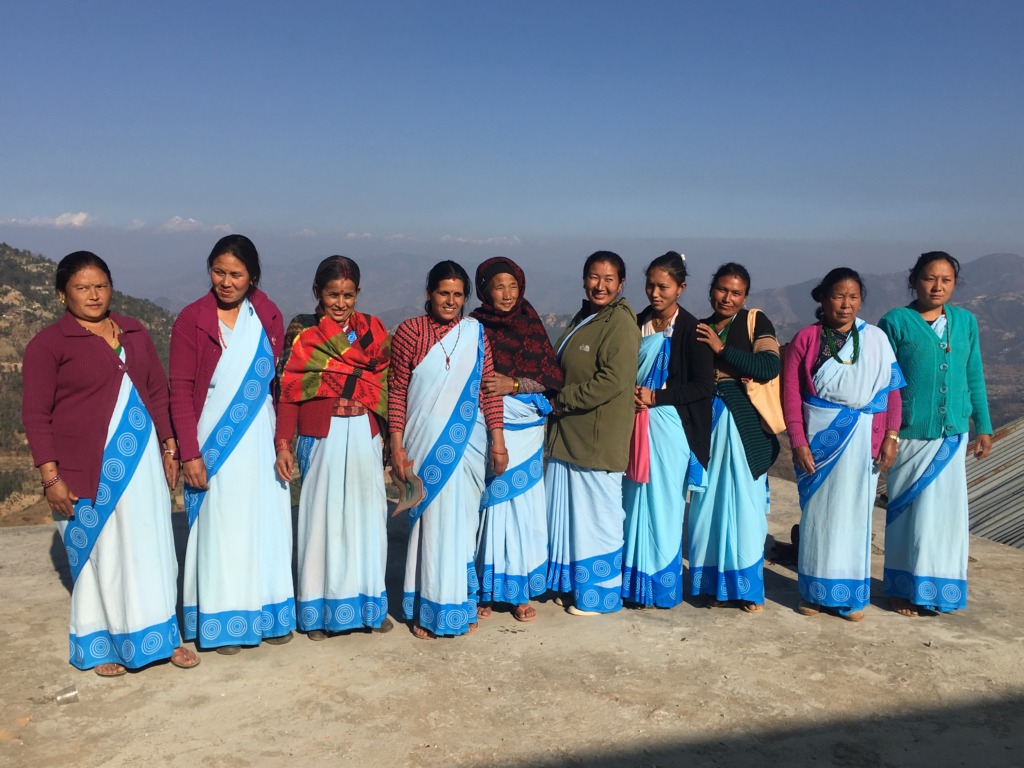
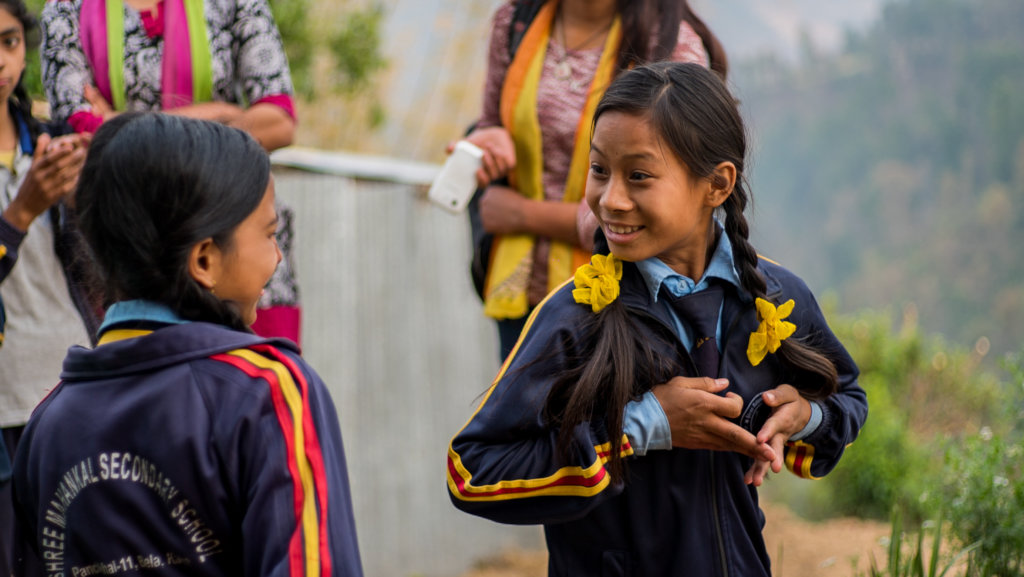
BRAC has implemented its Empowerment and Livelihood for Adolescents (ELA) program in the Shyampati Village Development Committee (VDC) of the Kavre district. Ten ELA clubs — known locally as Kishori Clubs — now operate, helping girls to break the cycle of poverty and unlock their economic potential through financial inclusion, life skills education, and livelihood opportunities.
The ultimate goal of the ELA program is to make sure every teenage girl has the same opportunity to realize her own potential. In a country with the third highest rate of child marriage in Asia, according to UNICEF, this is no small feat. A staggering 37 percent of girls in Nepal marry before age 18, despite a minimum marrying age of 20.
Under a new government structure, recently the Shyampati VDC was absorbed into the Namo Buddha Municipality, along with seven other VDCs. As part of a forward-looking emphasis on scale, BRAC will expand into the seven, adjoining VDCs in the Namo Buddha Municipality with its health, sanitation, and adolescent empowerment and skills training programs.
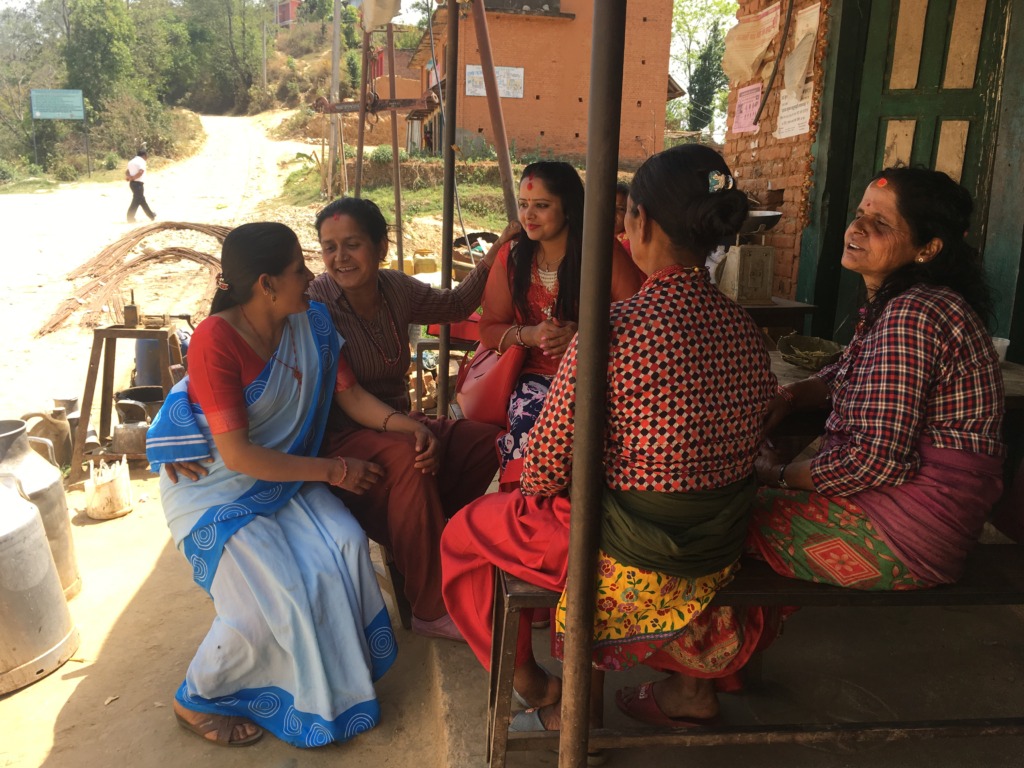
In the meantime, BRAC’s pilot project continues to focus on strengthening the capacity of existing Female Community Health Volunteers (FCHVs) so that they can provide educational, preventive and curative health services to the community, especially for mothers and young children.
The services include basic literacy skills, making oral rehydration solution to treat diarrheal disease at home, improved prenatal and antenatal care, ensuring full immunization coverage, and encouraging good hygiene practices, such as handwashing.
Two years on, Nepal is recovering — but the process is slow. BRAC has invested in the long-term recovery and development of Nepal: integrated in its health care and girls empowerment programs is a component to strengthen disaster resilience.
When a community is healthier, more skilled and ready to resist shocks, its members are more likely to realize their own potential.
Project reports on GlobalGiving are posted directly to globalgiving.org by Project Leaders as they are completed, generally every 3-4 months. To protect the integrity of these documents, GlobalGiving does not alter them; therefore you may find some language or formatting issues.
If you donate to this project or have donated to this project, you can receive an email when this project posts a report. You can also subscribe for reports without donating.