Project Report
| Aug 26, 2015
Letter from the field
![Women cleaning debris]()
Women cleaning debris
Thanks to GlobalGiving supporters, BRAC was able to provide emergency support and assist partners on the ground. The BRAC team is working closely with the Nepalese government to decide the scale and scope of its long-term projects. In the meantime, BRAC has sent a fellow out to visit some of the more remote areas of the country to assess what local people need the most and how we can best reach them.
Sheetal is a Nepal native, but has been getting her graduate degree in the US for the last several years. She returned to Nepal to work as a fellow for BRAC, but hadn't been home in years. Below is her letter from the field.
Dear all,
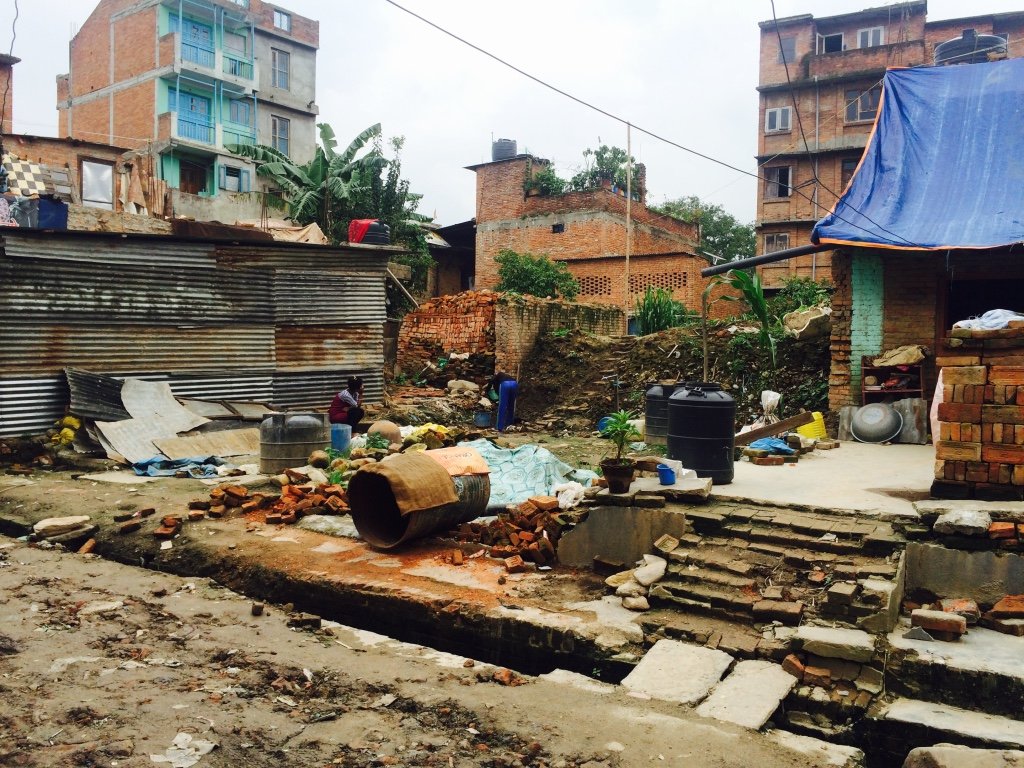
Today, with my brother, I visited a village called Lubhu in Lalitpur district, with a total population of about 10,000 about 7 km north of Kathmandu. This part of Lubhu has a settlement of ethnic "Newar" people who speak Newari, also known as Nepal bhasa. Their houses are built with brick and mud, which you will see is evident in the rubble.
I'm sharing pictures, and a brief conversation with a local family, and some thoughts.
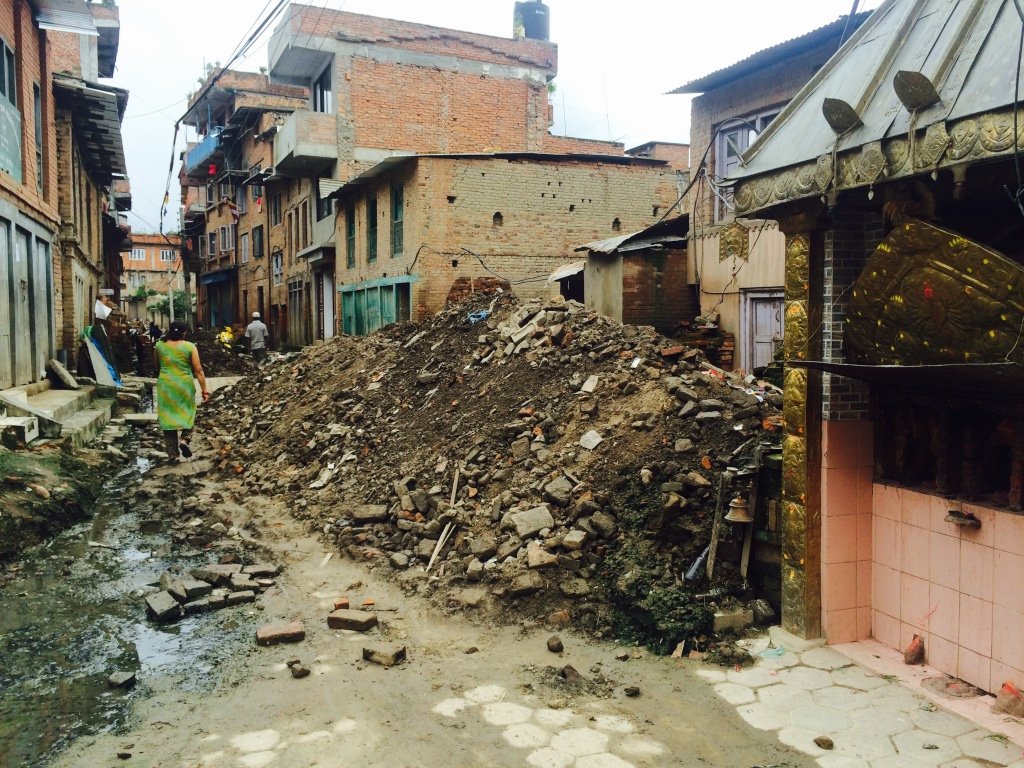
From the main road, it looked like only a few houses were damaged. But upon parking our motorcycle and walking inside a courtyard, we saw that many more had been reduced to rubble. With the monsoon rains, the rubble has flattened on the roads. Locals have put pieces of bricks together to make a makeshift path for pedestrians as no vehicle can pass through.
As we were walking, I saw this young woman, about my age, with a shovel in her hand, shoveling debris of a completely ruined house, and an older woman, probably her mother looking on. I was getting ready to take a picture, when her relatives from the shop on the opposite side, called out in Newari, "daughter, look over here, someone is taking a picture of you! Smile!". At this cheerful gesture, I struck a conversation with the family. I asked them how they were doing. They said they were all alive and safe, but their houses were gone. Right next to the shop was a tin dome temporary shelter, similar to the one that the Chaudhary Group was distributing. I tried to see if the dome had any logos of NGOs, INGOs, but didn't see any. The family had built the dome on their own, with their own money. Relief has not reached them, at least not yet, even after three months of the earthquake. They told me that they heard that the neighboring villages had received relief materials and shelters, but they didn't get any.
Finally they asked, "will you provide us some relief? Anything would help." Embarrassed by their innocent and hopeful question, we had to answer that we did not have anything to give at the moment, but these pictures we've would help us know what they need. They agreed that if their story was shared, their families would receive some attention, some care.
A few steps over, we saw men and women scraping mud from bricks and rebuilding on what is left of their house (See picture building on what is left"). They were merely stacking fallen bricks on leftover walls, aware of the questionable sustainability in case of another aftershock or earthquake.
People have taken it upon themselves to clean, pick up and get back up on their feet. And why not, they can't hope for help forever. But any help would be of great help.
![Rubble lines the streets]()
Rubble lines the streets
![Share on Twitter]()
![Share on Facebook]()