By Sarah Allen | Communications Associate
Nearly three years after an earthquake devastated Nepal, your contributions continue to make a meaningful impact. Although the initial shock is long past, the recovery process carries on.
Over the past two years, BRAC’s work in Nepal has transitioned from meeting immediate response needs such as water, shelter, and medical response to building resilience in affected communities. Through programs that invest in the livelihoods of community members and integrate disaster preparedness components, BRAC aims to strengthen communities’ capabilities to withstand future shocks.
So far, BRAC programs in Nepal have:
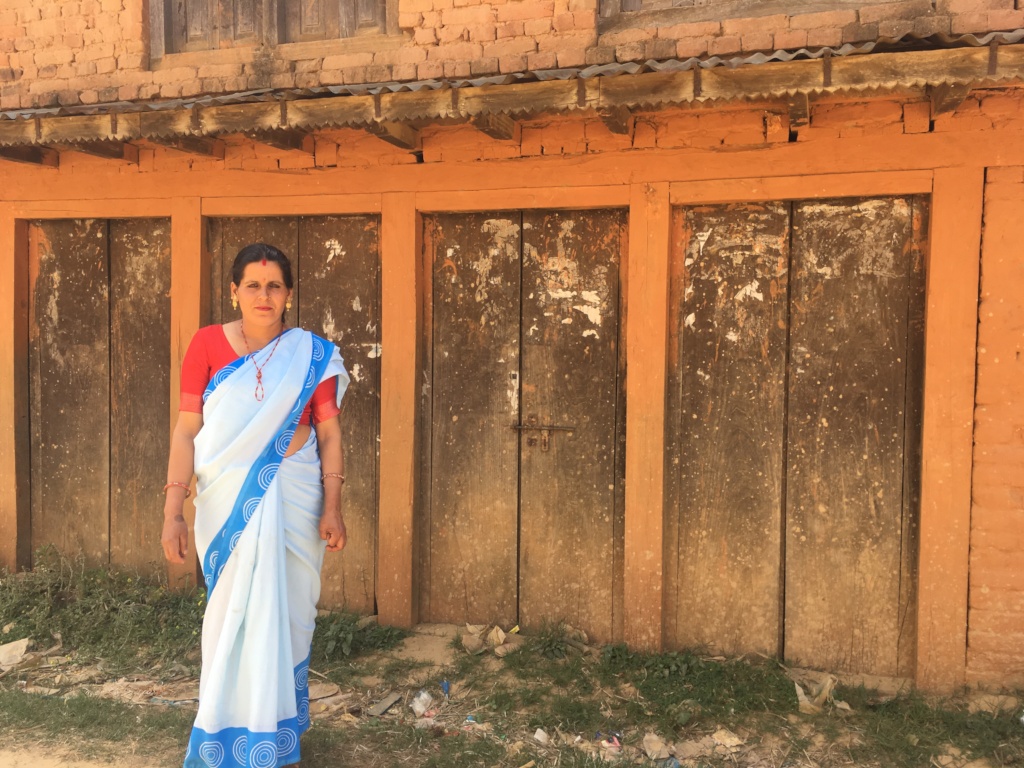
One such community health worker is Kalika. A single mother who separated from her husband 13 years ago, Kalika participated in BRAC community health worker trainings and learned how to deliver primary healthcare services to households in Shyampati, Nepal.
Through her training, not only has Kalika provided herself with a sustainable livelihood that allows her to support her family, but she has also come to be seen as a respected leader in her village.
“I am honoured to be a community health worker because everyone in my community knows me and they know that I can help them with their health-related queries,” says Kalika.
With these new skills, Kalika provides her community with primary healthcare services, playing a crucial role in the rehabilitation of her village.
Kalika’s work is particularly important during the monsoon season, when her community faces an epidemic of diarrheal diseases. In the past, when families suffered from diarrheal diseases, they would be forced to walk long distances to stores that sold expensive packet oral solutions. In Nepal, these critical treatments never reach nearly half of all children under five.
Now, thanks to her training, Kalika teaches others how to make oral rehydration solution at home – with one pinch of salt, one fist full of sugar, and a half-liter of water.
“Today, I can proudly say that all 81 households under my coverage know how to make oral rehydration solution at home,” says Kalika. She ensures that patients in her community receive timely and affordable care.
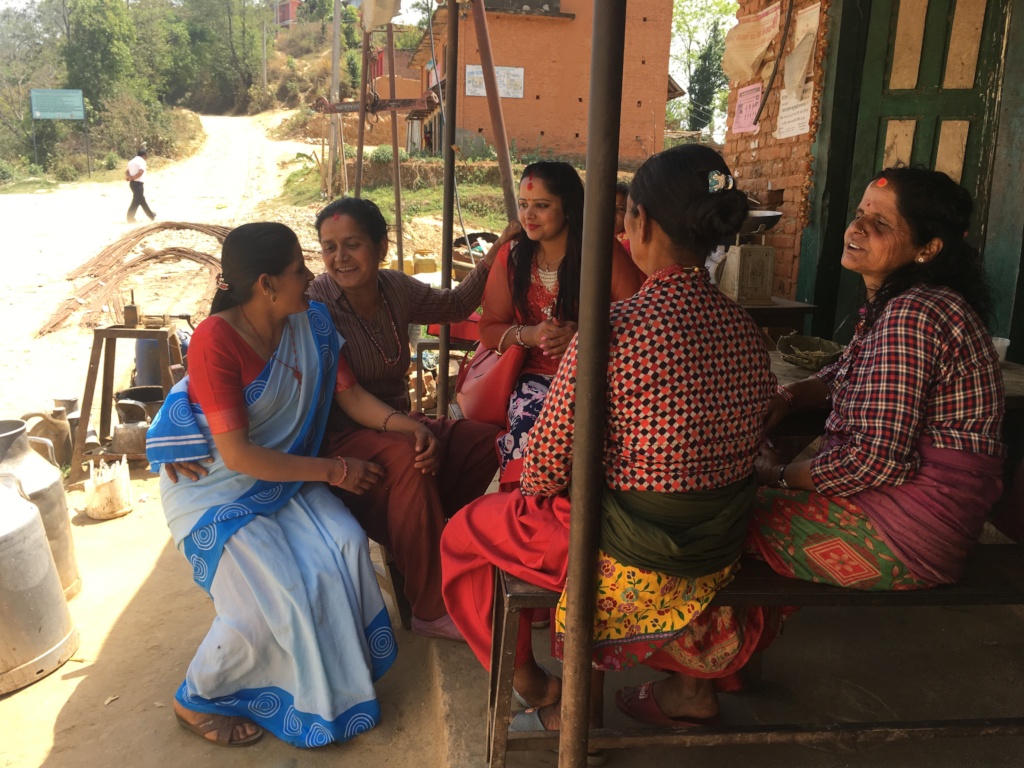
Kalika has also learned to care for pregnant mothers, newborns, and children. She runs mothers’ groups and conducts monthly meetings to discuss health issues. In a country where a third of pregnant women never receive prenatal care of any kind and nearly half of all births are not attended by skilled health staff, Kalika is a trusted source in her village for maternal and child healthcare.
“I am called in immediately when an infant is born underweight in the village. Once, I stayed with a mother and monitored her baby for days,” she says with pride. “Today, the baby is healthy with a normal weight.”
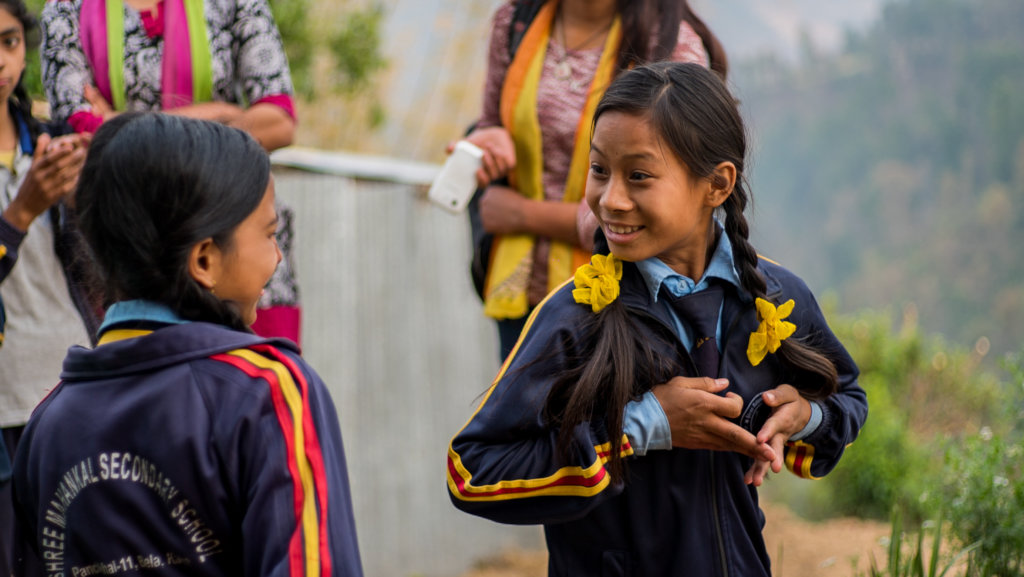
Kalika is one of more than twenty women in the region that BRAC has trained as community health workers. BRAC continues to train community health workers, empower adolescent girls, and provide livelihoods and skill trainings for youth.
In the coming year, BRAC plans to expand its programs by providing livelihood training for 100 adolescent girls and agriculture and livestock training for 110 farmers.
Thanks to your contributions, we will continue to work with the communities most affected by the earthquake to recover. Nepal still has a long road of recovery ahead of it, but the resilience of people like Kalika reminds us that there is hope.
Links:
Project reports on GlobalGiving are posted directly to globalgiving.org by Project Leaders as they are completed, generally every 3-4 months. To protect the integrity of these documents, GlobalGiving does not alter them; therefore you may find some language or formatting issues.
If you donate to this project or have donated to this project, you can receive an email when this project posts a report. You can also subscribe for reports without donating.