Project Report
| Jul 10, 2026
Community Mental health support for Rural communit
By Henry Okumu | Project Leader
Building Community Resilience and Reducing Mental Health Stigma
Reducing stigma remains one of the most important goals of our mental health program in Tororo District. Fear of discrimination often prevents people from discussing emotional challenges or seeking professional support, leaving many individuals to struggle alone.
Throughout this reporting period, our team engaged community leaders, youth groups, women's savings groups, and faith-based organizations in conversations about compassion, inclusion, and mental well-being. Testimonies from community members who had successfully managed mental health challenges inspired others to seek support without fear or shame.
Community dialogues emphasized that recovery is possible when individuals receive timely care, family support, and acceptance from their communities. Local leaders committed themselves to promoting respectful language and reducing discrimination against individuals living with mental health conditions.
These activities strengthened community solidarity and encouraged families to become active supporters of those experiencing emotional distress. Participants expressed greater confidence in discussing mental health openly and seeking assistance when needed.
With continued donor support, we aim to expand these anti-stigma campaigns, strengthen referral systems, and improve mental health outcomes for thousands of vulnerable people living in rural communities across Tororo District, Eastern Uganda.
ScienceDirect +1
![Share on Twitter]()
![Share on Facebook]()
Jul 9, 2026
Community Mental health support for Rural communit
By Henry Okumu | Project Leader
Strengthening Mental Health Through Primary Health Care
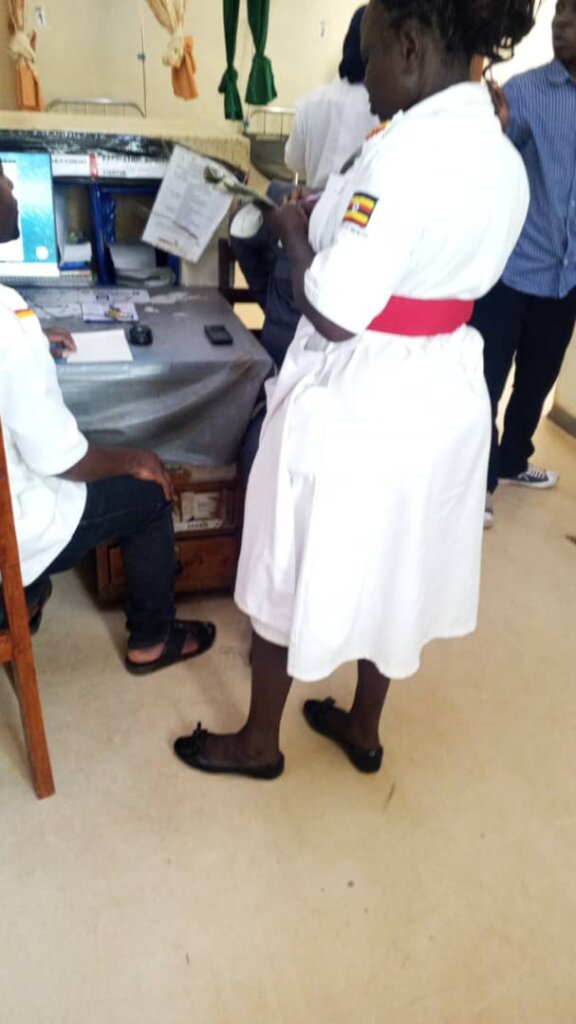
Access to quality mental health care remains a major challenge for rural families in Tororo District. During this reporting period, our initiative promoted stronger collaboration between community members and local health facilities to improve access to mental health services.
Community sensitization encouraged individuals experiencing prolonged sadness, anxiety, substance misuse, or emotional distress to seek medical care rather than suffer in silence. Village Health Teams assisted in identifying vulnerable individuals and referring them to nearby health centers for assessment and treatment.
Our project also supported discussions with local healthcare workers on the importance of integrating mental health into routine primary healthcare services. Community members were educated about the availability of treatment and the importance of adhering to prescribed care plans.
As a result, more residents became aware that mental health conditions are treatable and that seeking professional help is a sign of strength rather than weakness. Early referrals have the potential to reduce severe illness, improve recovery, and strengthen overall community well-being.
Ongoing collaboration with health facilities will continue improving access to essential mental health services for underserved rural populations.
![Share on Twitter]()
![Share on Facebook]()
Jul 9, 2026
Community Mental health support for Rural communit
By Henry Okumu | Project Leader
Community Counseling and Psychosocial Support
This quarter, we strengthened access to community-based counseling services for vulnerable individuals in rural Tororo District. Many residents face emotional distress due to poverty, unemployment, family conflict, domestic violence, crop failures, and the loss of loved ones. Unfortunately, professional mental health services remain limited in rural areas.
Our trained community volunteers and partner counselors conducted confidential counseling sessions, providing emotional support and helping individuals develop healthy coping strategies. Special attention was given to women, youth, caregivers, and older adults experiencing prolonged stress and anxiety.
Support groups were also established where participants could openly discuss their experiences, encourage one another, and build stronger social connections. These group meetings reduced feelings of loneliness and increased hope among participants.
Several individuals who initially struggled with severe emotional distress reported improved well-being after receiving regular counseling and follow-up visits. Families also noted better communication and reduced conflict at home.
These achievements demonstrate that community-based psychosocial support can significantly improve mental well-being even in resource-limited settings. Continued investment will help expand these life-changing services to more villages throughout Tororo District.
![Share on Twitter]()
![Share on Facebook]()