By Sudeep Duwal | Project Leader
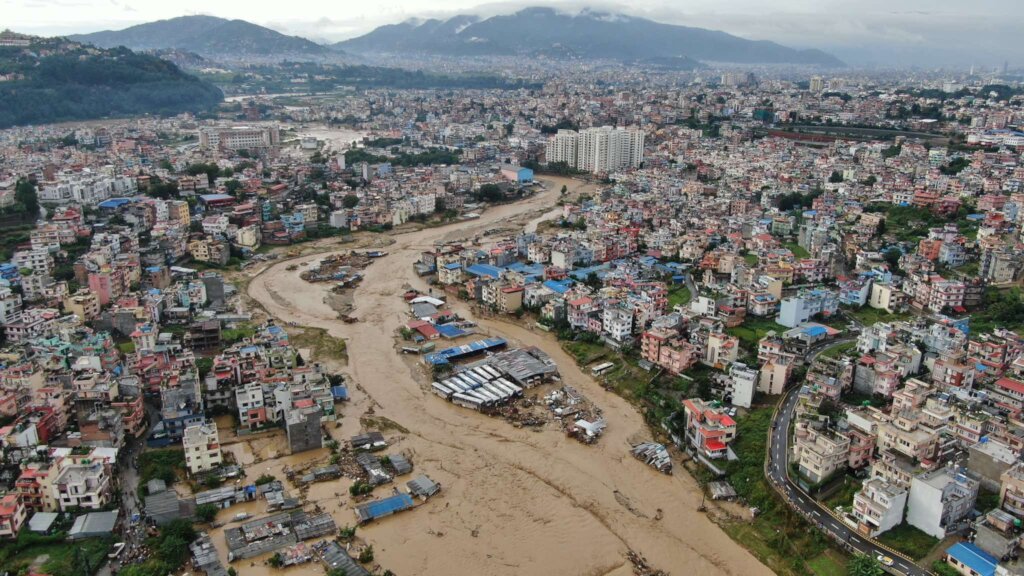
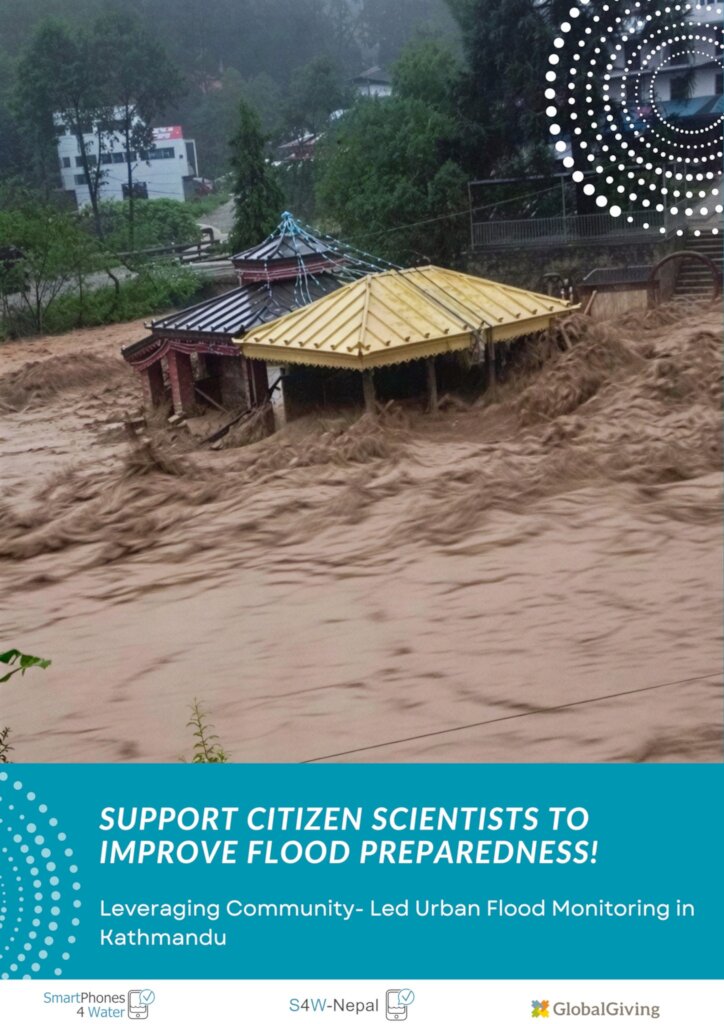
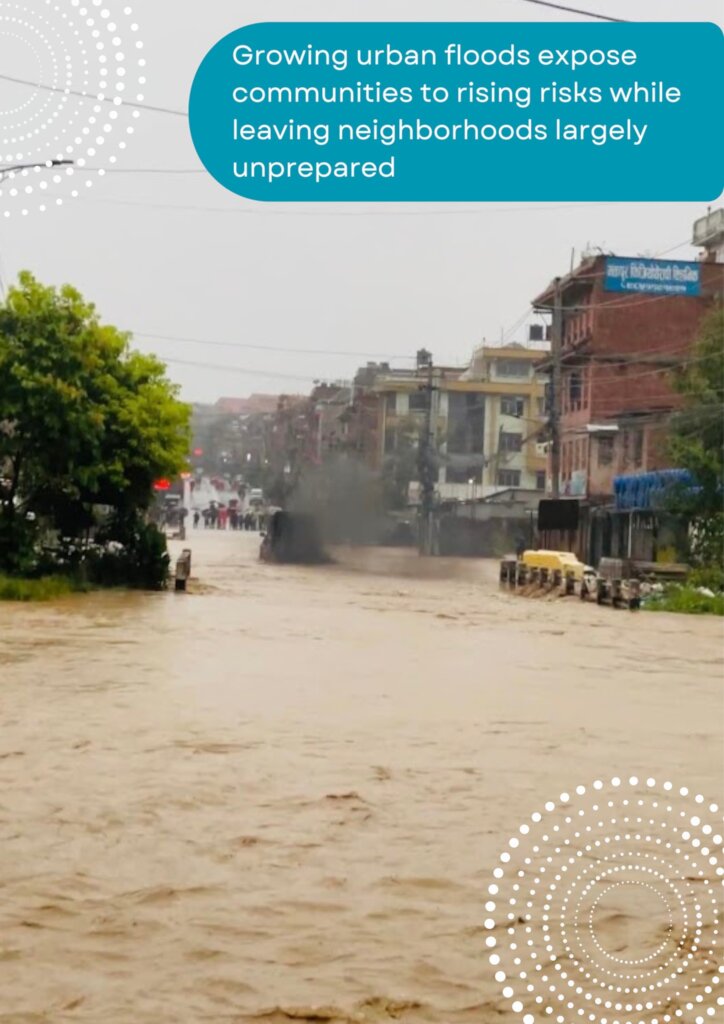
Every monsoon, the same question ripples through neighbourhoods along Kathmandu's rivers: how bad will it get this year? Your support is helping communities find better answers — before the water rises.
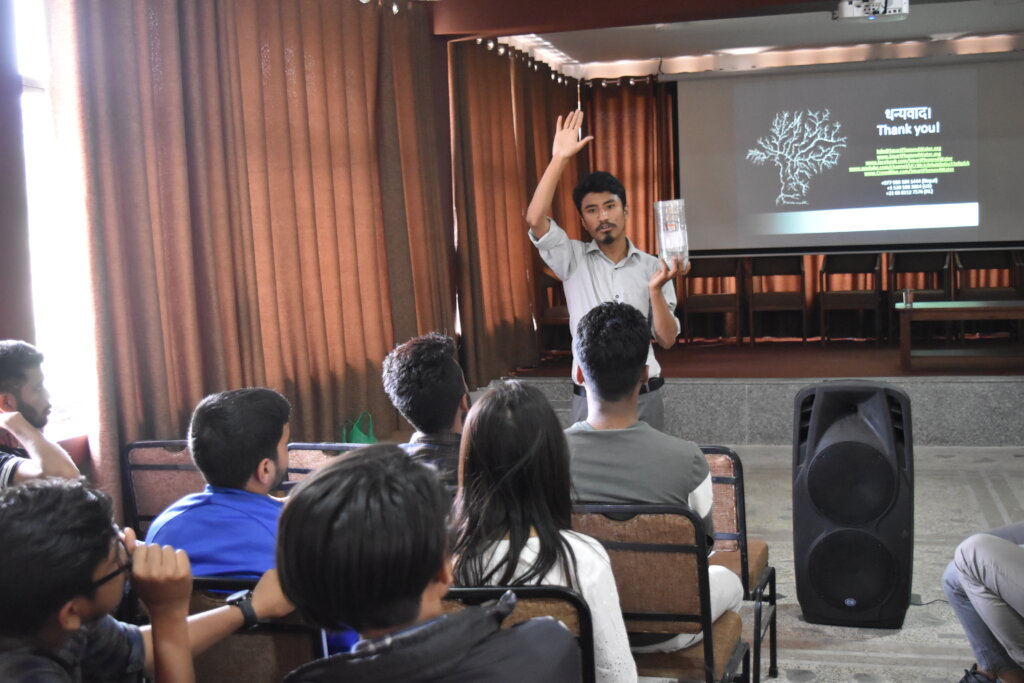
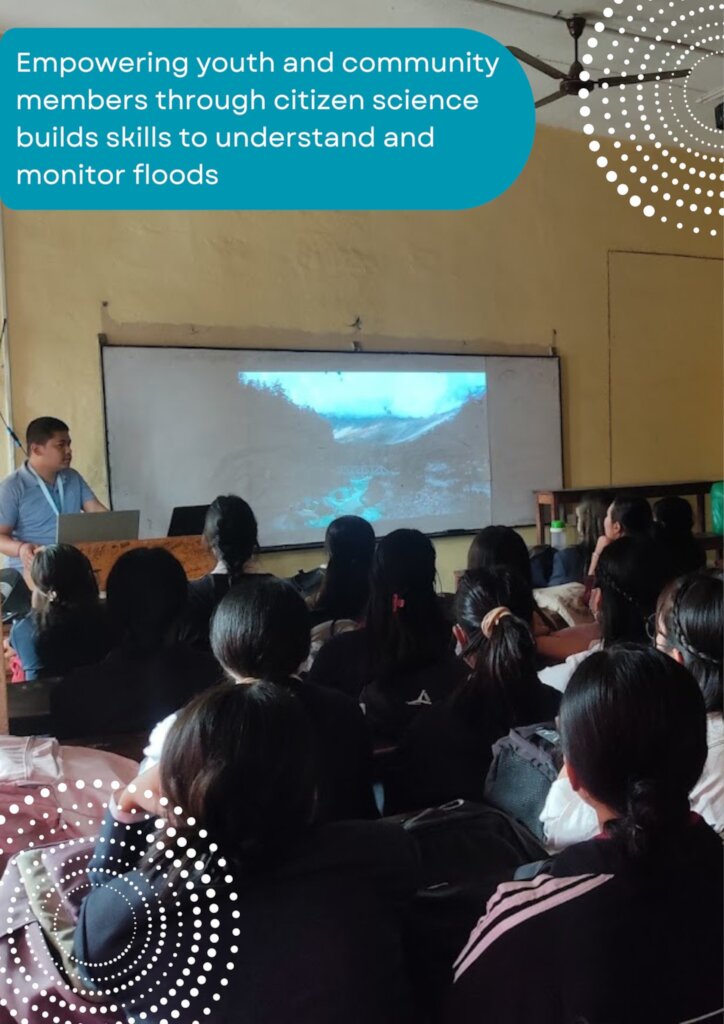
We began where change starts — with people. Our team conducted outreach and awareness sessions reaching approximately 92 students and young professionals. These sessions helped local communities understand the importance of hydro-meteorological data and flood risk, and sparked something important: people wanted to be part of the solution.
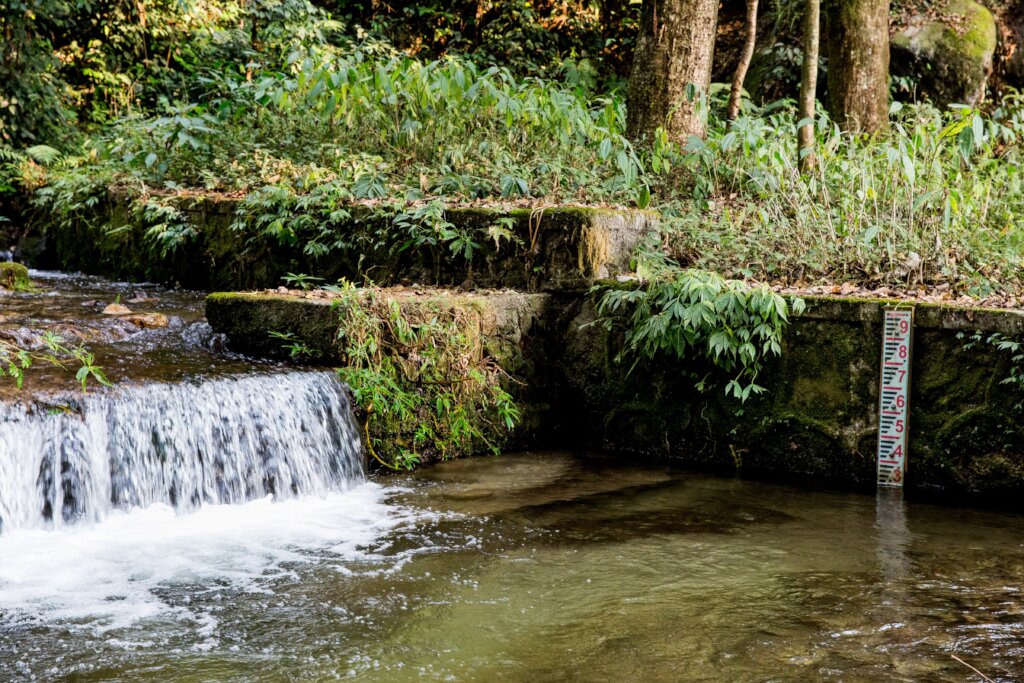
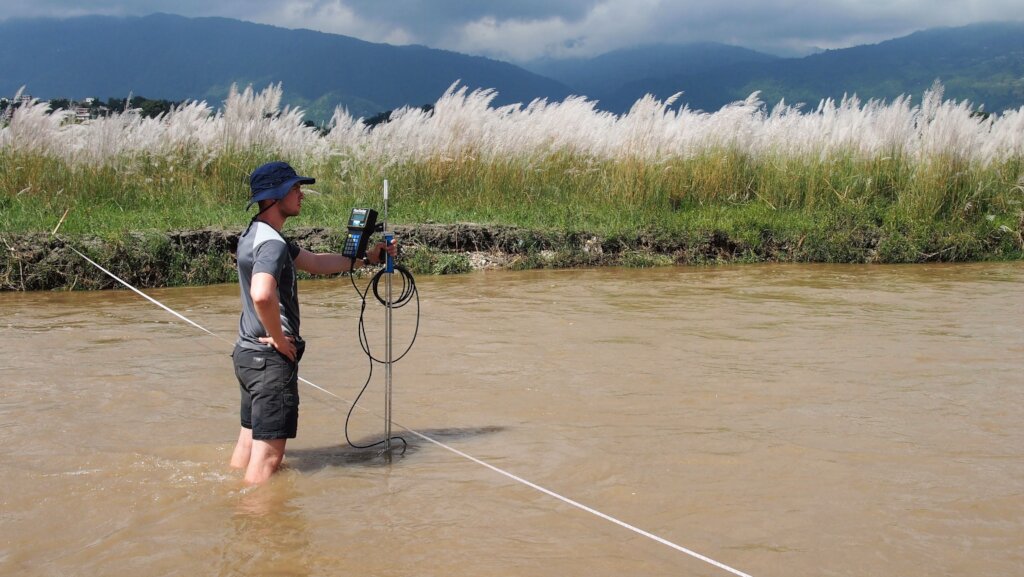
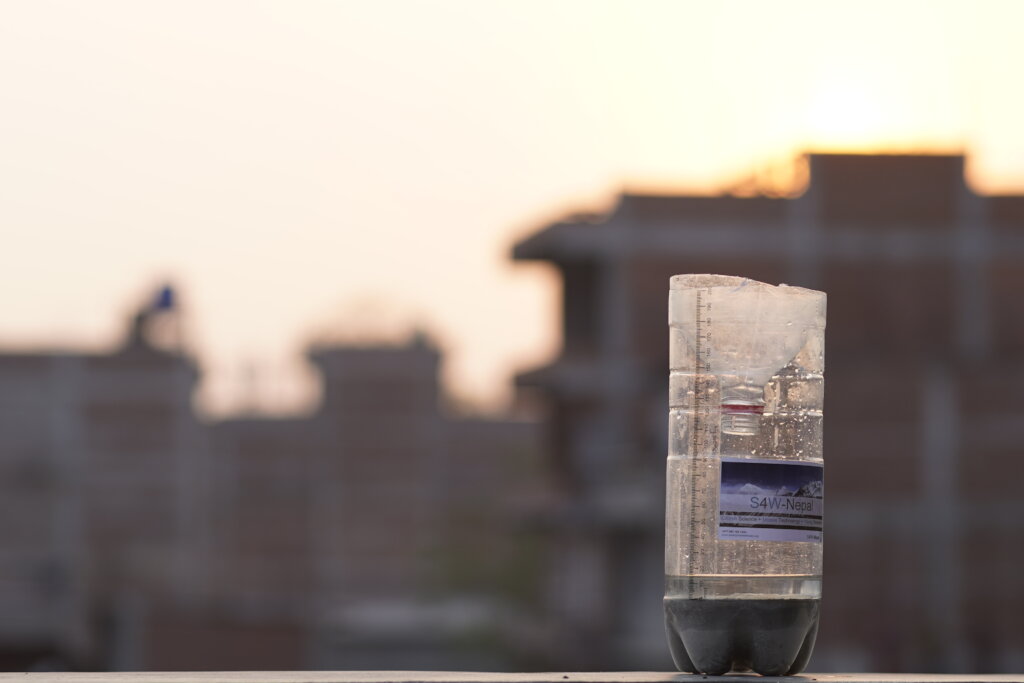
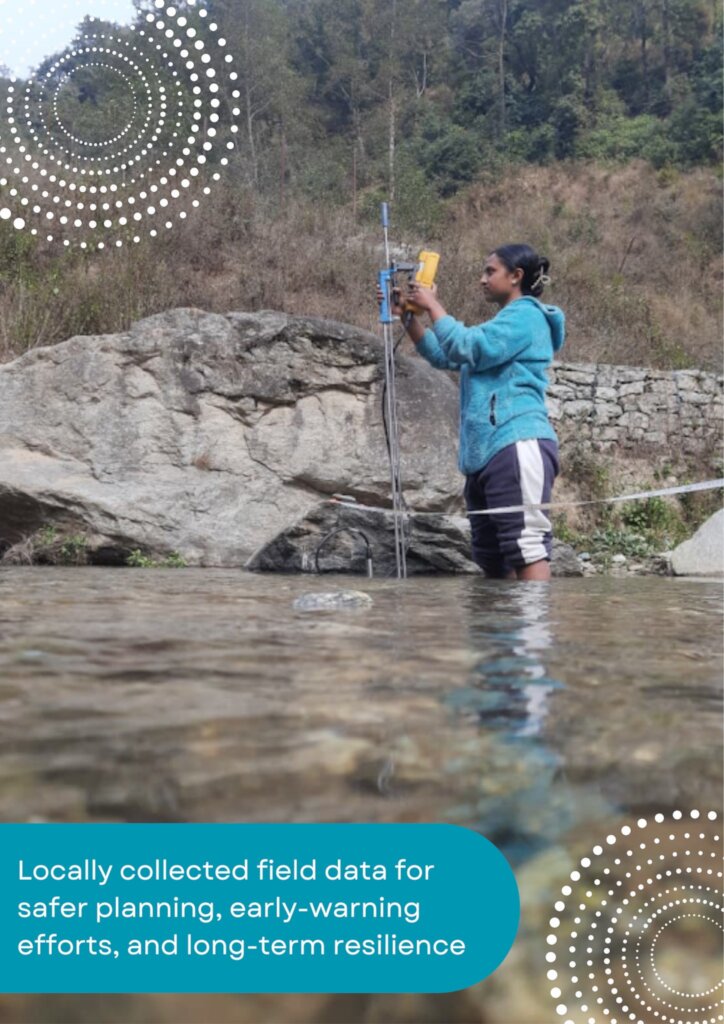
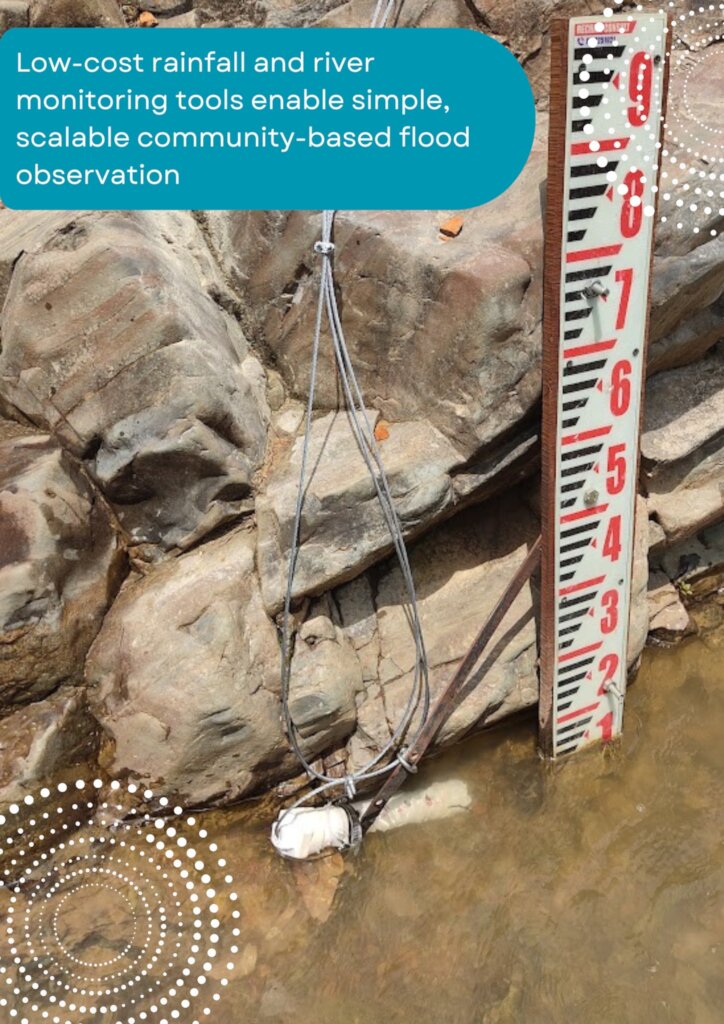
That energy helped us build something real. Thanks to your contributions, we established a community-based flood monitoring network across the two most flood-affected watersheds in the Kathmandu Valley — the Nakkhu and the Hanumante. The network combines citizen science observations of water level gauges, rain gauges, and discharge measurement at upstream, midstream, and downstream locations along both rivers.
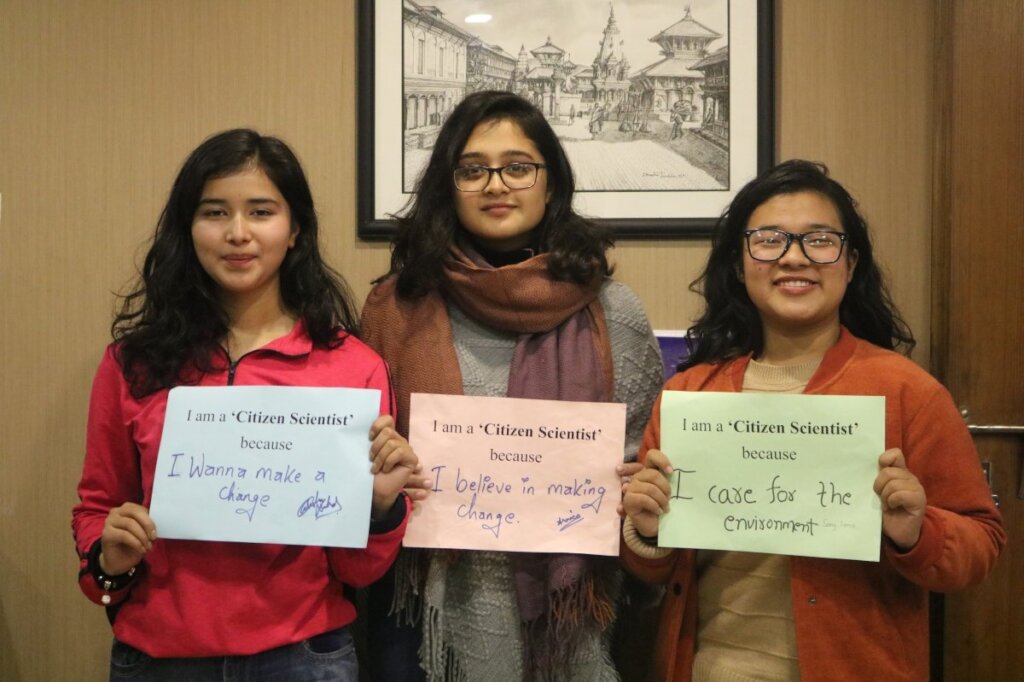
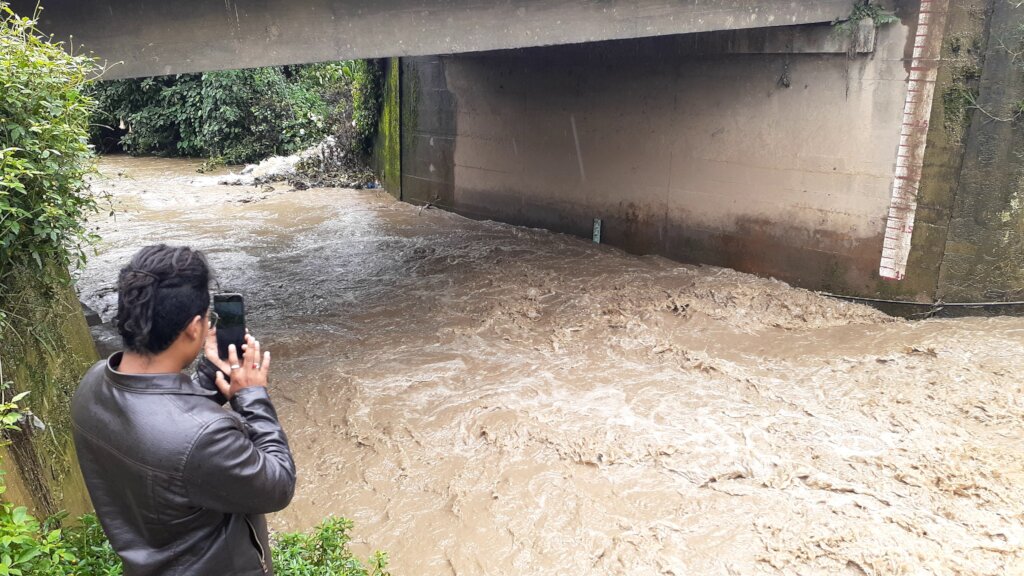
In this campaign 23 citizen scientists were involved in the Nakkhu and Hanumante, these citizen scientists — records water levels, flood extents, geotagged photos, real-time updates. These 23 people are not just observers — they are the monitoring network.
Young researchers turned that data into insight. Using hydraulic modelling tools, they are mapping which areas flood first, how deep the water gets, and how much warning time communities might have. The Nakkhu watershed model is already calibrated, with flood hotspot maps taking shape. This is locally-generated flood intelligence — built from the ground up.
Now, we are bringing these findings to decision-makers. We are engaging local government bodies and community stakeholders to ensure this data shapes real planning and early warning action — not just research reports.
To go further, we need your continued support. Funding will allow us to install additional sensors in currently unmonitored locations, cover logistics for field operations, and hold dedicated workshops bringing citizen scientists, technical teams, and local authorities together. Every contribution helps keep this community-led system alive — and gives Kathmandu's most flood-vulnerable neighbourhoods a fighting chance.
Links:
Project reports on GlobalGiving are posted directly to globalgiving.org by Project Leaders as they are completed, generally every 3-4 months. To protect the integrity of these documents, GlobalGiving does not alter them; therefore you may find some language or formatting issues.
If you donate to this project or have donated to this project, you can receive an email when this project posts a report. You can also subscribe for reports without donating.



Support this important cause by creating a personalized fundraising page.
Start a Fundraiser