![Women Leading Community Conservation]()
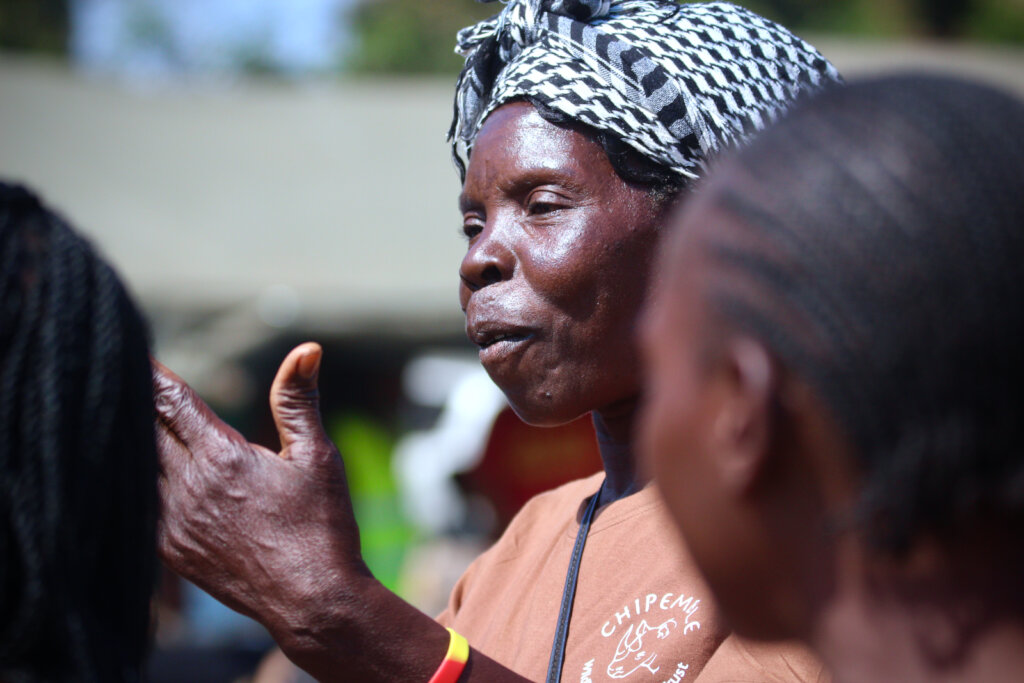
Women Leading Community Conservation
Dear Friends and Supporters,
This quarter unfolded beneath the longawaited rains, a welcome relief after months of heat and dryness across the Luangwa Valley. The land responded with gratitude, riverbeds filled again, wildlife moved more freely in refreshed habitats, and community gardens briefly flourished as the first green shoots pushed through moist soil. The rains continue to remind us of nature’s generosity and its power to renew hope.
However, this season also brought a difficult truth. The same rains that nourish our landscape have brought flooding that heavily affected the communities we serve. In several villages, intense downpours washed away crops that families rely on for food and income. Some homes were damaged or collapsed, leaving families displaced or needing urgent assistance. Rising water cut off footpaths and small roads, making it harder for children to reach school and for our educators to access remote communities. In some cases, schools had to close temporarily because there was simply no safe way to get to them.
These challenges tested the resilience of our communities, yet they also revealed enormous strength. Neighbours helped rebuild homes, shared food where they could, and worked together to open paths and reconnect villages. Through every obstacle, the spirit of unity remained strong.
As we share updates from across our programmes, we hold both truths of this season in mind, the gift of the rains and the hardship they have brought, and the unwavering determination of our communities to keep moving forward.
Introduction
This quarter unfolded with longawaited rains that brought both relief and challenge to the Luangwa Valley. While the land flourished with new growth, the same heavy rains caused flooding that washed away crops, damaged homes, and limited access to schools. In many areas, rising waters cut off paths and made travel unsafe, affecting daily routines for families and learners.
Yet through these difficulties, our communities showed remarkable resilience. Parents, teachers, youth, and local leaders worked together to keep learning and conservation activities moving forward. Their determination reflects the heart of our work, where community strength and shared responsibility guide every milestone.
Conservation Education in Schools
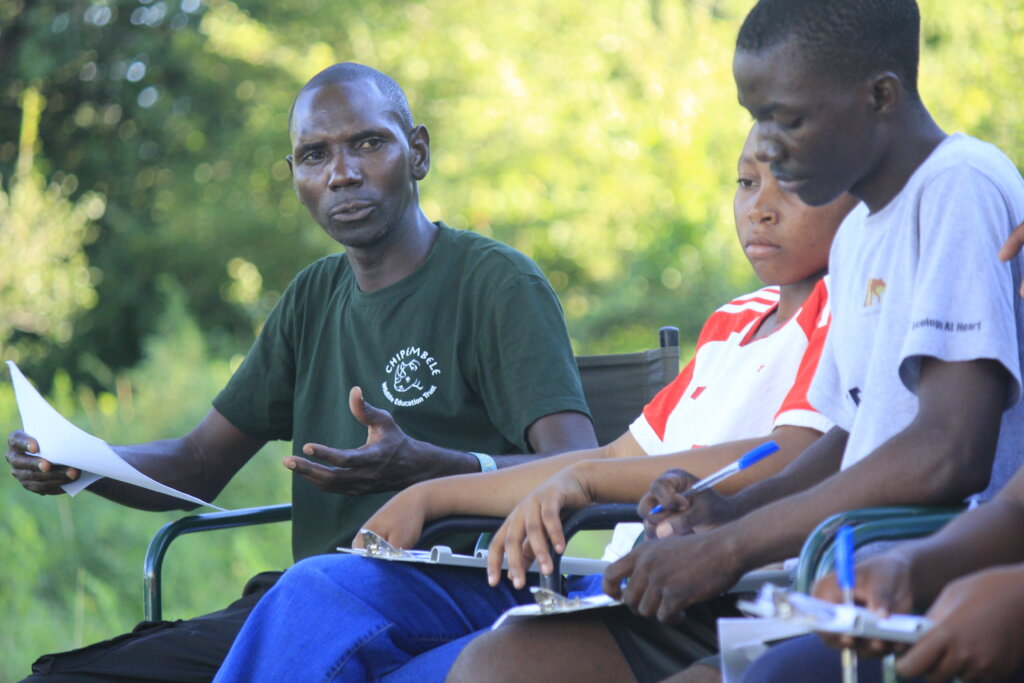
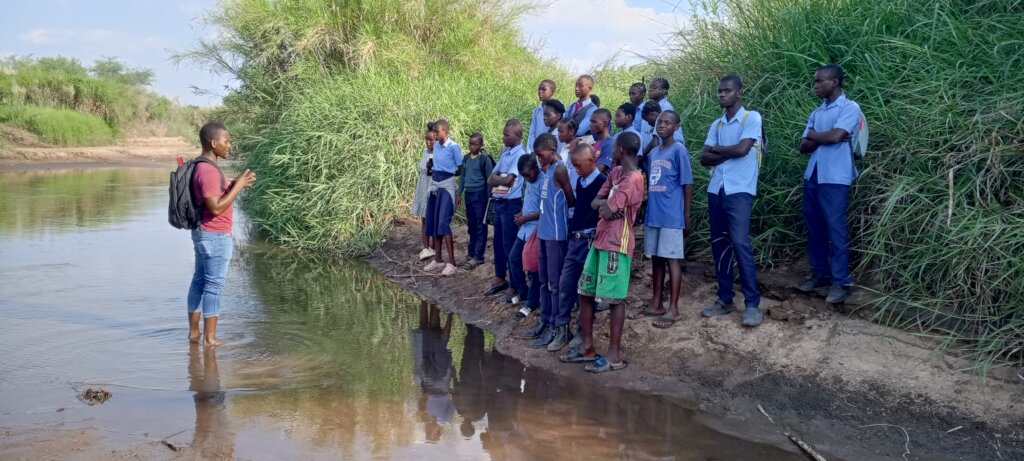
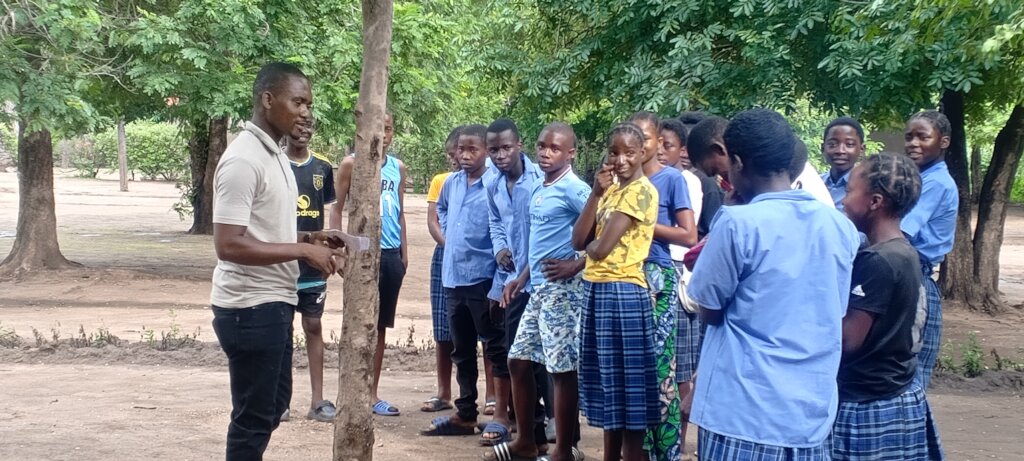
Despite interrupted schedules and difficult access, Conservation Clubs across more than 30 rural schools continued inspiring young learners. Educators adapted where needed, combining classes or shifting session times to ensure students could participate when conditions allowed. Weekly lessons helped children stay connected to conservation topics that matter deeply in their lives, including wildlife behaviour, coexistence, and environmental pride.
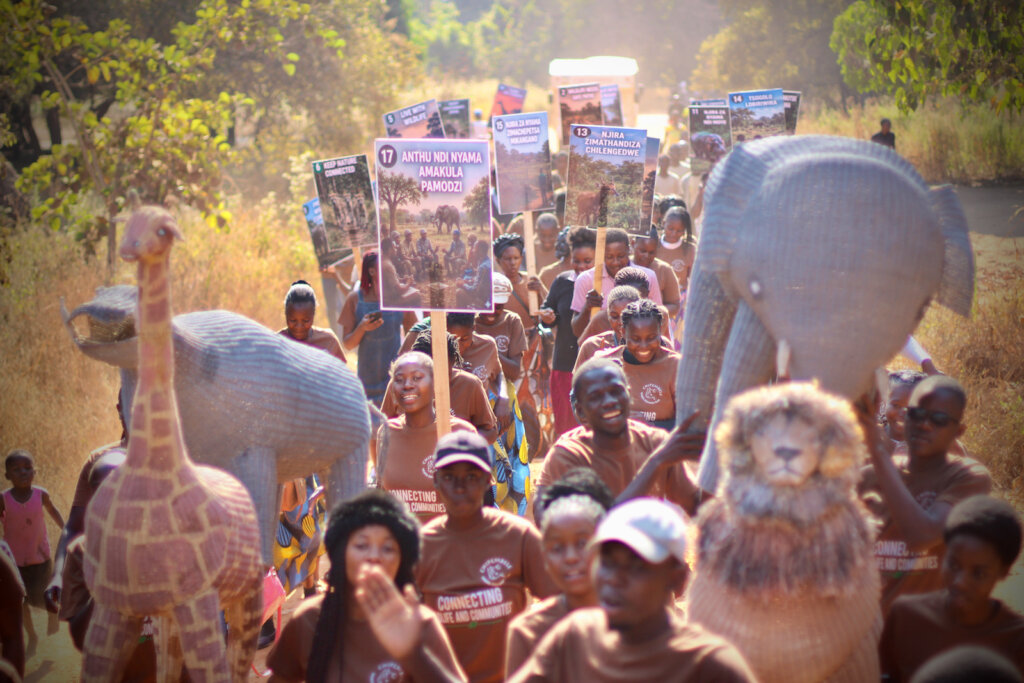
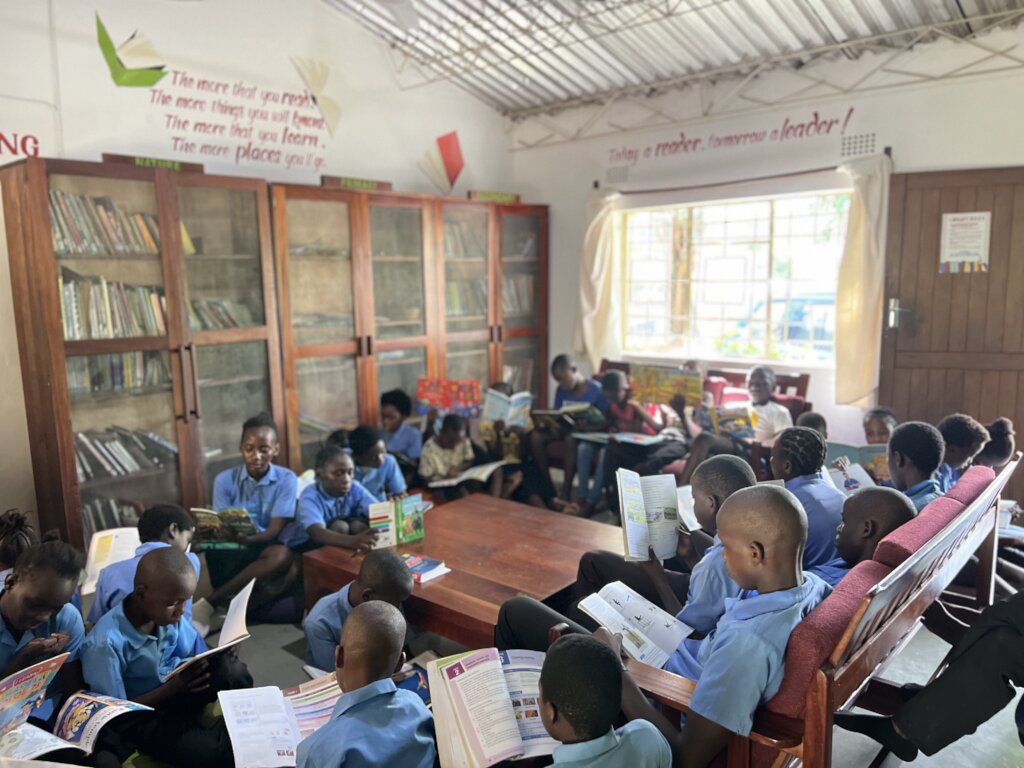
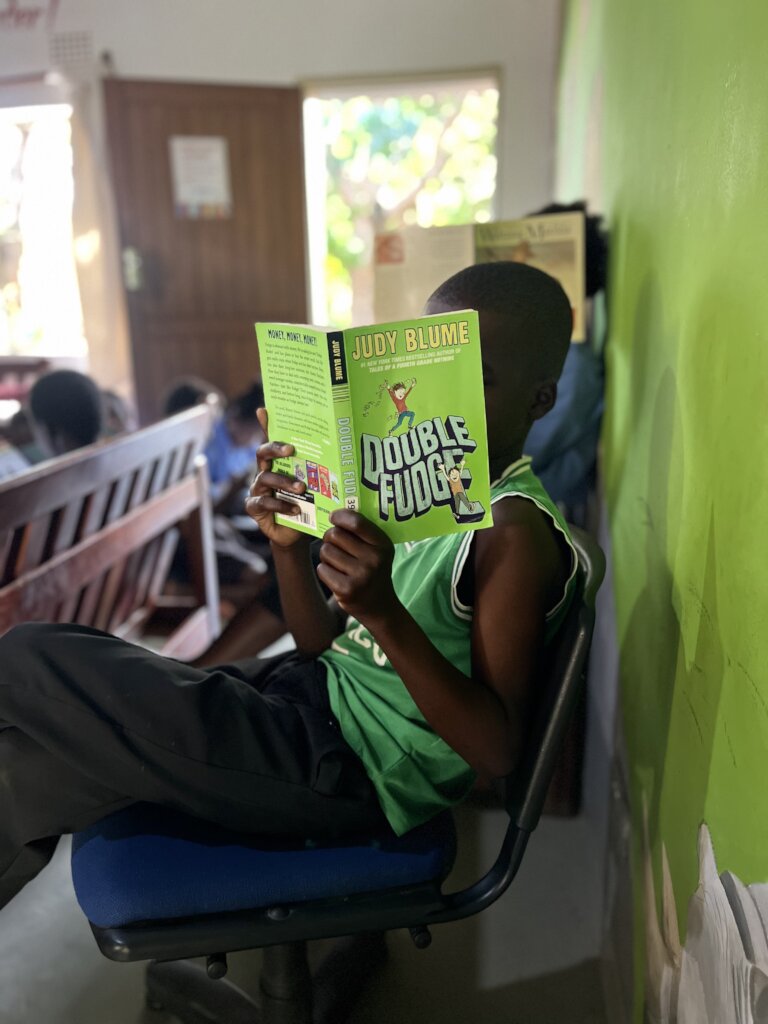
Schoolwide programmes such as assemblies and campaigns are also planned for this academic period, extending conservation messages to thousands more students. Learning resources like Kalata Magazine and The Habitat library continued to support reading and environmental awareness for those able to reach them.
Community Conservation Education
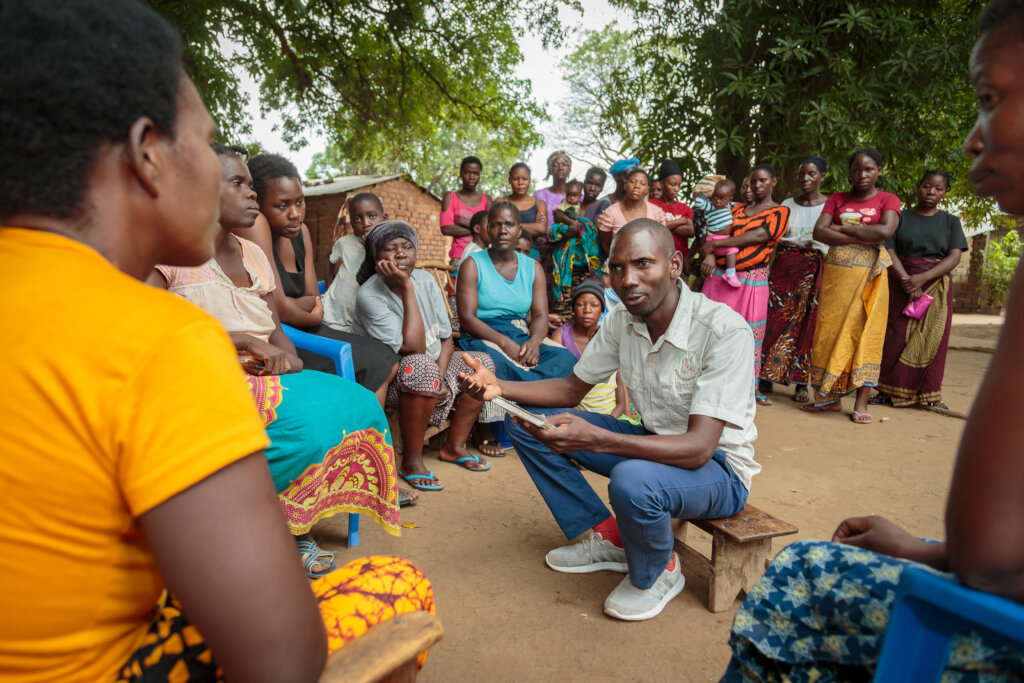
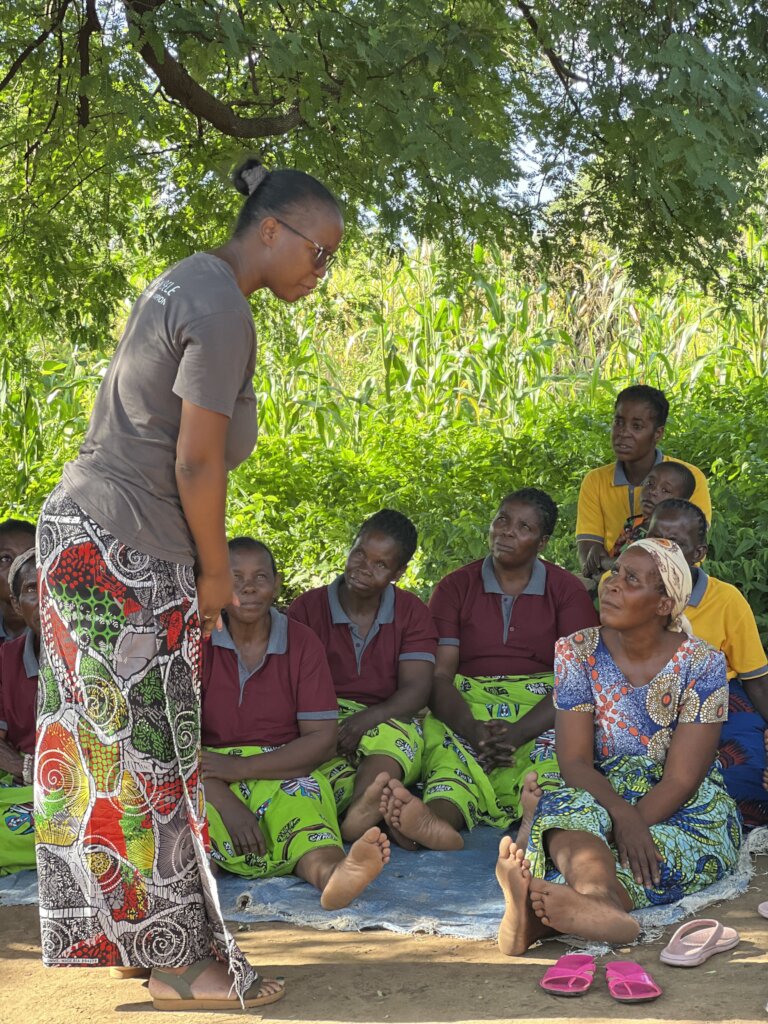
Across 60 villages, community educators worked alongside traditional leaders to deliver conservation lessons whenever access was possible. With wildlife moving closer to settlements during the rainy season, households relied heavily on guidance about safety, tracking, and conflict mitigation.
Our Hub and Spoke approach continued to strengthen local leadership. Even when weather prevented our team from reaching remote communities, villagebased groups kept conservation efforts active through peerled meetings and rapidresponse communication.
Conservation Livelihoods Development
This quarter, our livelihoods work focused on monitoring demonstration plots throughout the rainy season. These plots provided valuable insight into how local crops responded to waterlogged soils and shifting seasonal patterns. This monitoring will guide upcoming agroecology support and strengthen climateresilient farming approaches as communities recover from rainrelated losses.
Youth Leadership & Mentorship
A new cohort of 16 students began the Aspiring Conservation Leaders (ACL) Programme in early March. Carefully selected from across the Valley, they’ve started their orientation and initial learning activities, laying the foundation for a transformative year ahead.
The ACL programme has a strong legacy, with 64 graduates since 2021 and 95% progressing to tertiary education or conservation careers, giving this year’s class powerful footsteps to follow.
Impact in Numbers (This Quarter)
Education
- 1,400 students engaged directly through Conservation Clubs
- 15,000 additional students to benefit from schoolwide conservation programmes (assemblies, campaigns)
Communities
- 1,500 community members directly involved in conservation learning and leadership activities
Scholarships
- 47 educational scholarships awarded so far this year, with the majority going to girls, supporting equal access to opportunity
These numbers reflect the ongoing commitment of families, youth, educators, and local leaders who prioritize learning and conservation even in challenging conditions.
Closing & Appreciation
This quarter reminded us of a simple but powerful truth: Conservation is community.
It lives in the children who continue attending lessons despite raindamaged paths, in the community groups who share knowledge and keep their neighbours safe, and in the young leaders beginning their conservation journeys with determination and hope.
And it lives in you.
Thank you for being part of our community, for supporting conservation education, for standing with families through a difficult rainy season, and for believing in the leadership and potential of the people of the Luangwa Valley.
Your support continues to create impact that is not only visible, but deeply felt.
We look forward to the next quarter with gratitude, determination, and a shared sense of purpose.
![Our Library - Overcapacity but Meaningful Space]()
Our Library - Overcapacity but Meaningful Space
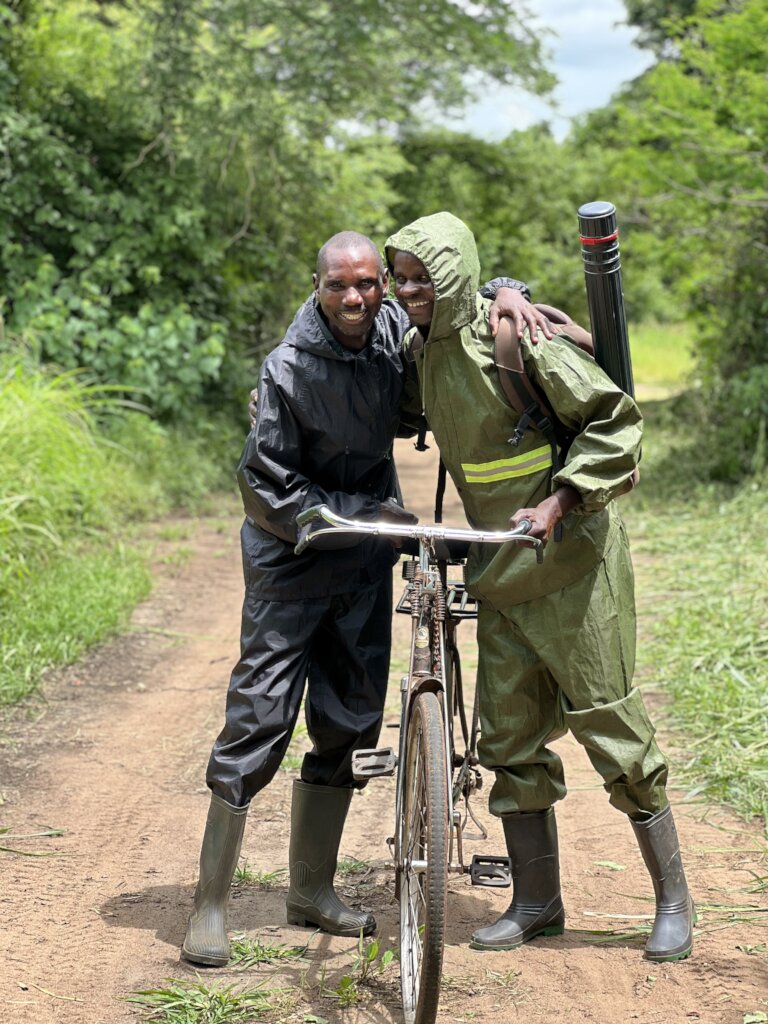
![Rain or Shine - Educators Drive Conservation]()
Rain or Shine - Educators Drive Conservation
![Youth Leadership at the heart of Conservation]()
Youth Leadership at the heart of Conservation
![Rainy Days Mean Reading in Our Library]()
Rainy Days Mean Reading in Our Library
Links:
![Share on Twitter]()
![Share on Facebook]()