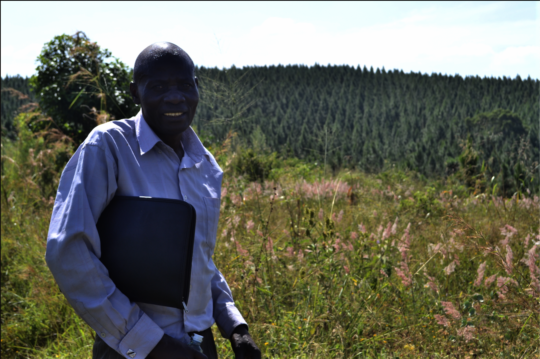
By Mr. Kaganga John | Birding the gap of information
How I wish it were possible for me to hug and kiss everyone! I will surely be united with you in spirit.
I feel so happy about the progress of Kikandwa Environmental Association for whose philosophy I trust in and as community member some what we will always associate with. Congratulations Brothers and sisters for coming this far in your endeavors to develop the rural population through agriculture. I pray there will be a big representation of the members over the world not only singing agriculture but developing strategies that help the most venerable farmer.
We have some wonderful news to share -- thanks to generous gift from the donations to the secretariat team, we met goal for mapping our projects through our Month of Pride campaign! With a generous matching grant from the donor to farmers.
The Kikandwa sub-county is the central region of Uganda which is hilly, dry and rural. Sub-counties are organized into parishes which contain small villages. There may be 50 to 80 villages in a parish. One doesn’t find much about this region in a Google search, but you can get some clues of the challenges faced by looking at the issues of focus of the NGOs serving the region: “fighting the AIDS/HIV epidemic, addressing human rights abuses, and solicitation of funds for children and youth who can’t afford to pay for their educational expenses.
Birding the gap of information
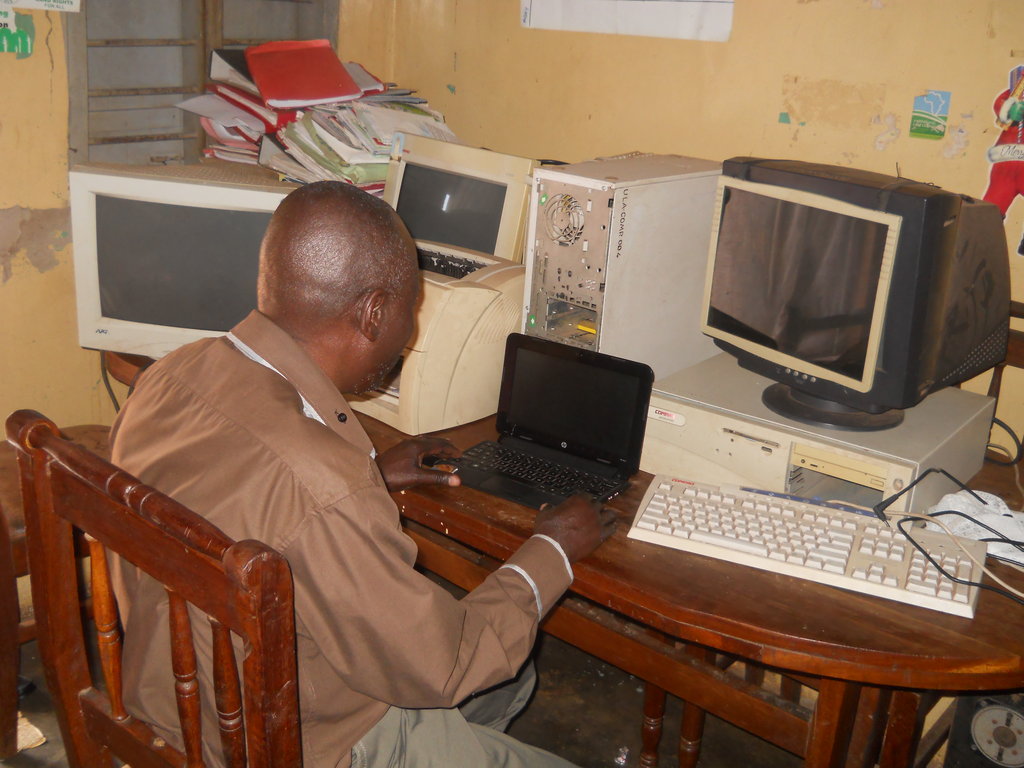
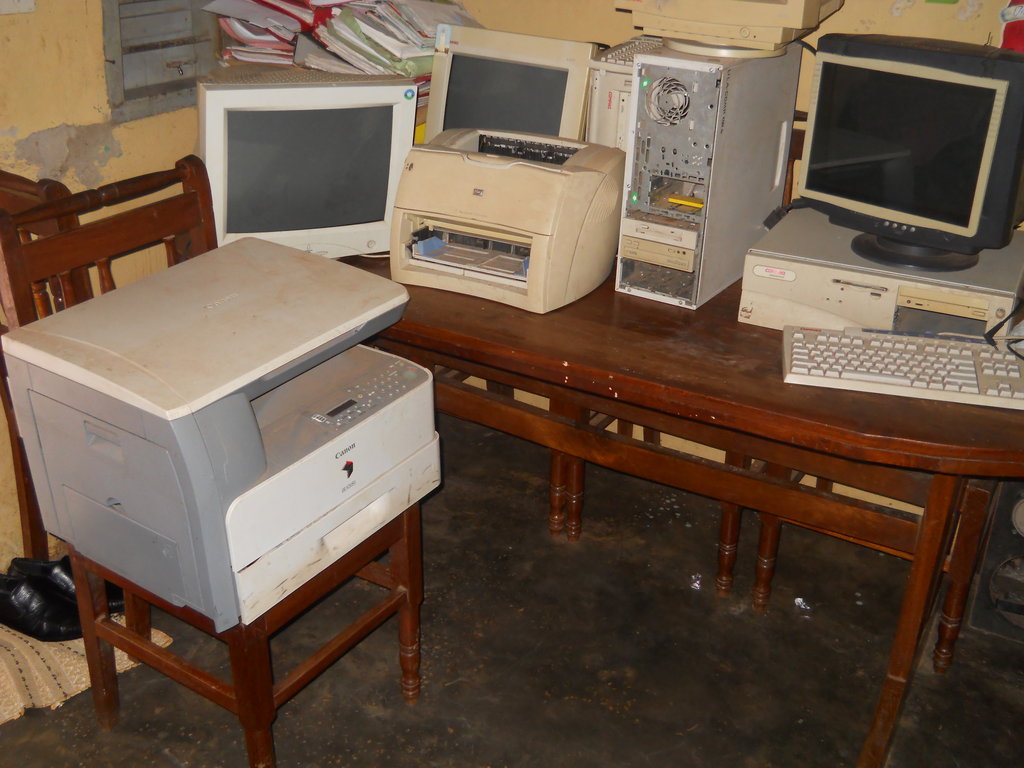
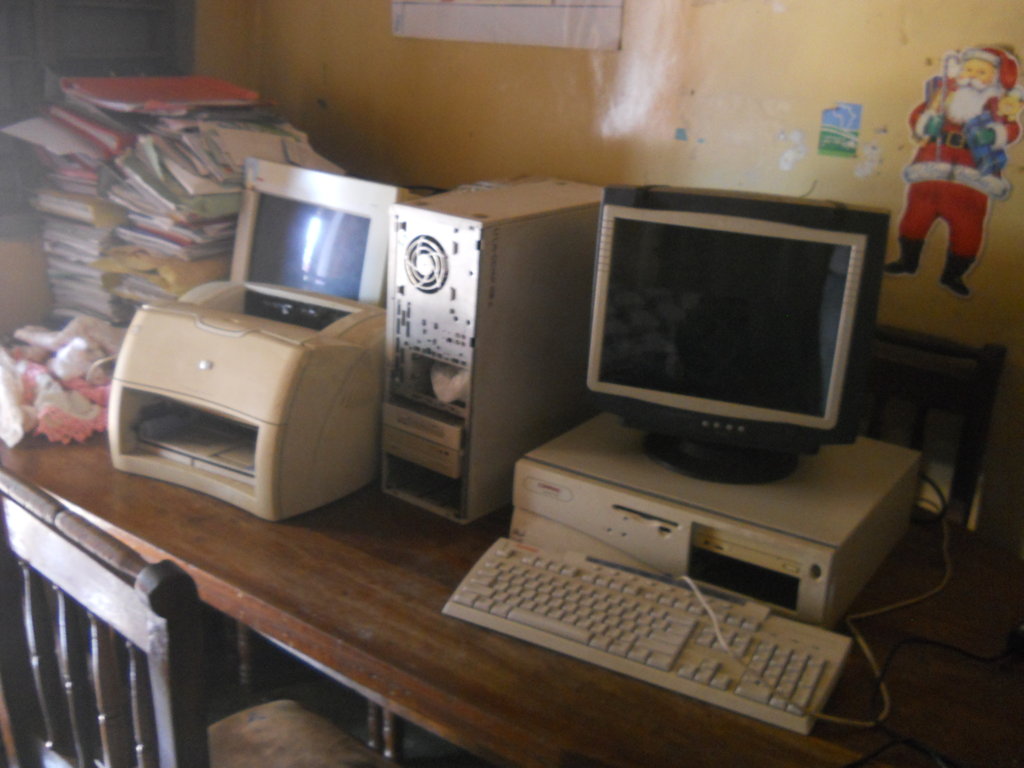
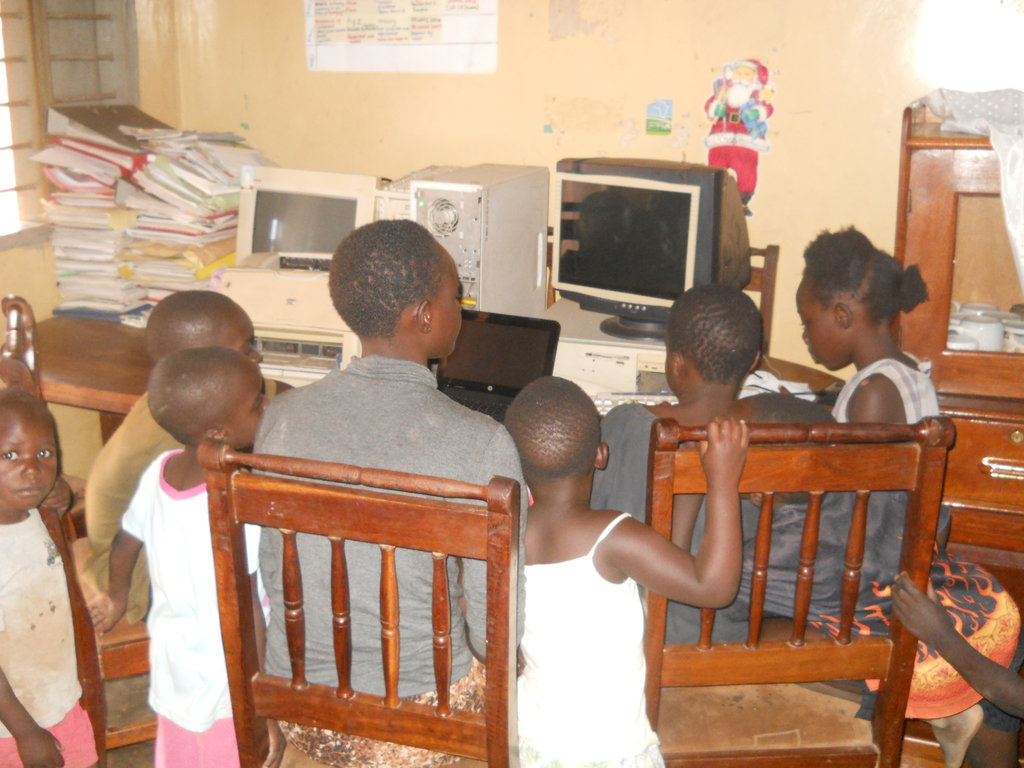
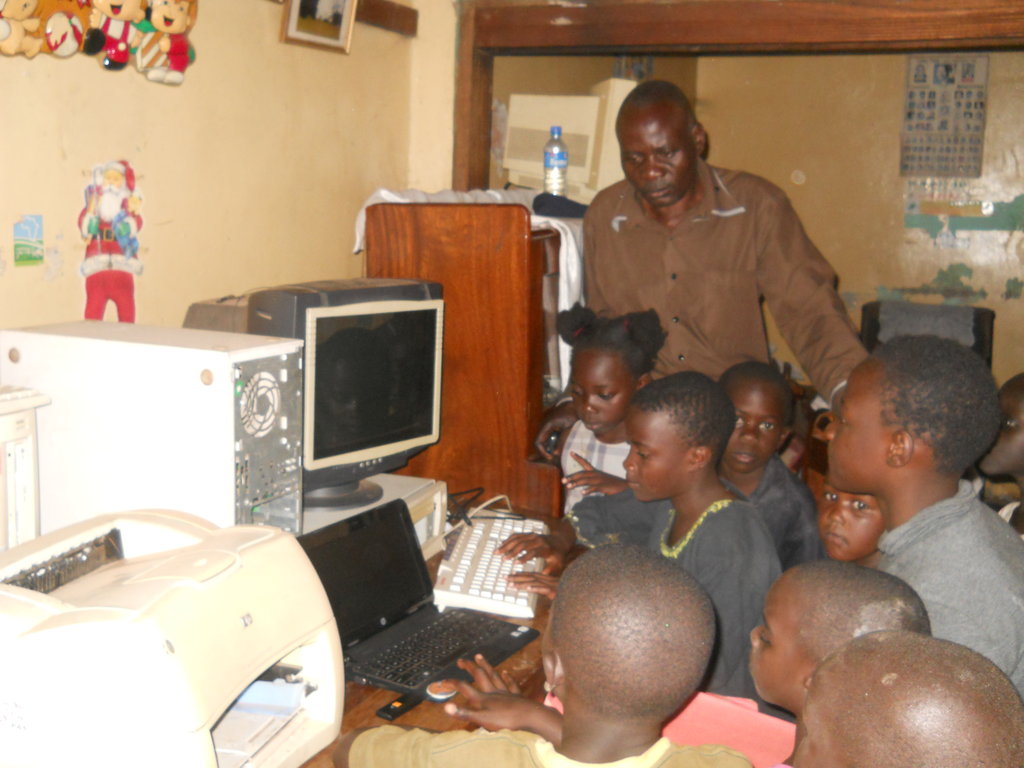
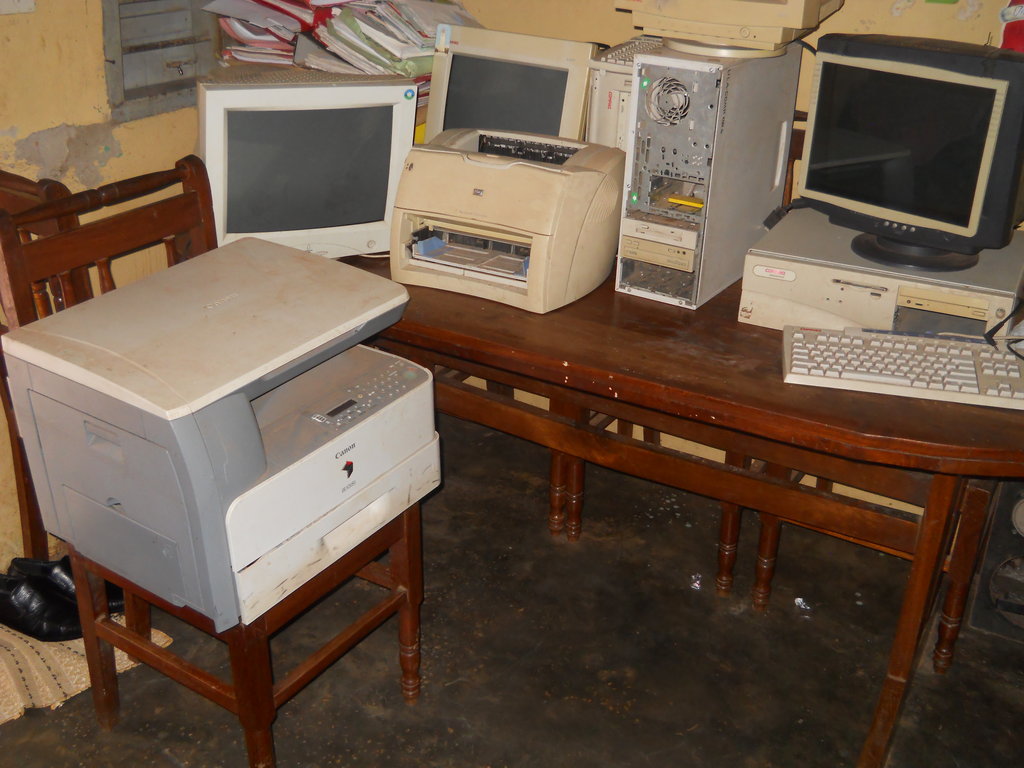
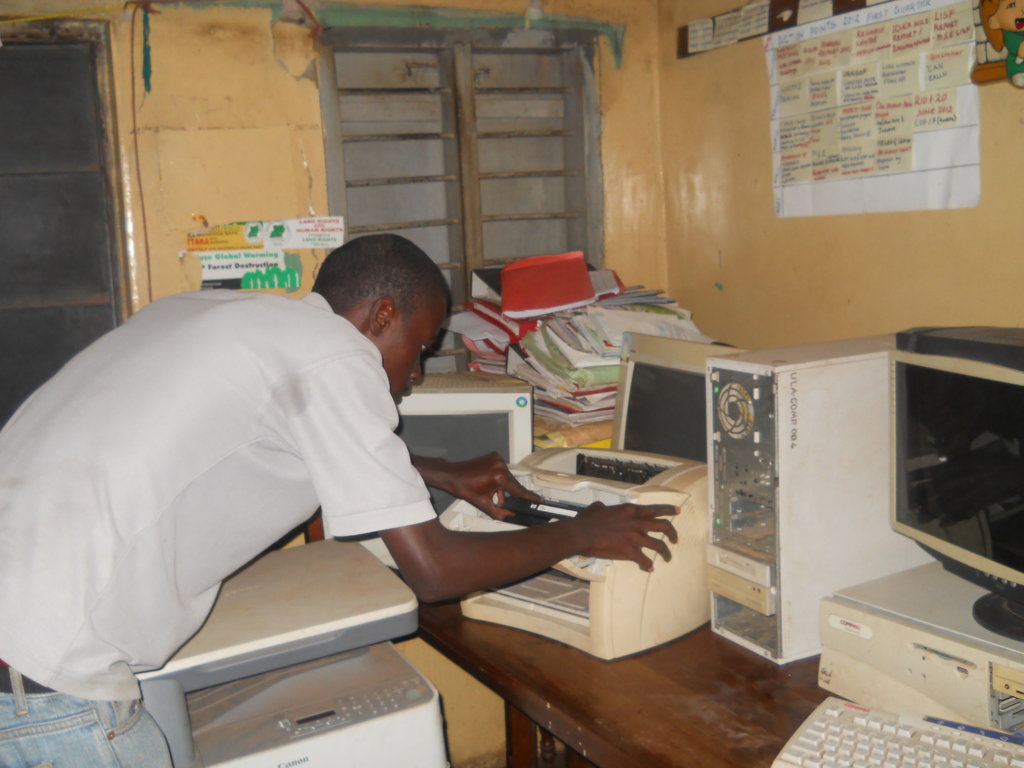
The association used some funding to purchase land and construct a permanent structure in which they established a community innovation resource center with the main objective of managing knowledge on climate change, agriculture and disseminating this knowledge to the community. It is at this resource center that climate change related information is digested by volunteers, translated into local language, and then made available to the community members at no cost. The center also handles information on agriculture and any other relevant information. In addition, the resource center serves as a secretarial point in the trading center offering secretarial services such as printing and photocopying to the community members from a 20 square kilometer region. At this resource center, farmers and community members have had the opportunity to gain some computer literacy and the small piece of land behind the center is used as a space to pilot new agricultural technologies thought about by the farmers. Geofrey Kizito has volunteered at the center for six years and Alex has been there since the beginning, despite having no official relatives in Kikandwa. The resource center receives 7-12 farmers a day, to acquire and seek information on market, pest management, weather focus, new plant spices and where to buy their planting materials. This is achieved through a wider network of farmer to farmer, farmer to NGO, farmer to academicians and farmers to researchers. Farmers are encouraged and trained to use whatsap, facebook as quick means of sharing information that help to promote agriculture and conserve the environment
Promoting sustainable agriculture:
sustainable agriculture is a system of farming based on a process that strives to meet the needs – necessary for an integrated, happy life – of those depending on the farm by developing the available human, physical, financial and natural resources. The sustainable agriculture process ensures focus on the economic, social, cultural, environmental, political and institutional factors required in order to achieve balanced, sustainable livelihoods for present and future generations. It also emphasizes the cross cutting issues affecting the farm family and community. Therefore sustainable agriculture aims at improving the livelihood of the family depending on the farm through processes and strategies that ensure focus is on the four pillars on which it is founded - economic, environmental, socio-cultural, and political-institution.
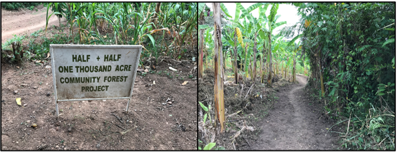
The community members, who have developed policy on conserving natural vegetation standing on their land, they are encouraged to save a quarter to one-half of an acre (if more than that is available) of that vegetation without destruction. The community members are being taught about the importance that natural forests have on the ecosystem. In essence, if more than one person can leave a portion of their land relatively undisturbed in its natural state, the community could end up with a considerable amount of land under natural vegetation. The forests provide shady retreats, medicinal plant products, are good for pollinators, and, of course, are important for wildlife and protection of watersheds. Currently, these preserved plots are fragmented instead of being in one large block; ideally, corridors connecting these plots could enhance wildlife movement. Good practices: These are key points of the innovative practices observed in the field visit; Some of them as:Half +Half =1000 Acres whereby individual farmers are encouraged to keep from ½ Acre of natural forest on their land for conservation purposes, Diversification of farming enterprises at the household level- crops, livestock, forestry, apiculture, etc..Value addition- many farmers try to improve or process the produce such as the lady who processes Amaranthus seeds into flour and other products, Indigenous seed preservation (Seed bank), Establishment of a School to help children who cannot go to the distant schools, Integrating health and the environment, Food security focus
It’s an innovation and creative week of storytelling, it’s our efforts, to be front leaders in telling stories for change that inspire, restore our love in places where we live.
Links:
Project reports on GlobalGiving are posted directly to globalgiving.org by Project Leaders as they are completed, generally every 3-4 months. To protect the integrity of these documents, GlobalGiving does not alter them; therefore you may find some language or formatting issues.
If you donate to this project or have donated to this project, you can receive an email when this project posts a report. You can also subscribe for reports without donating.