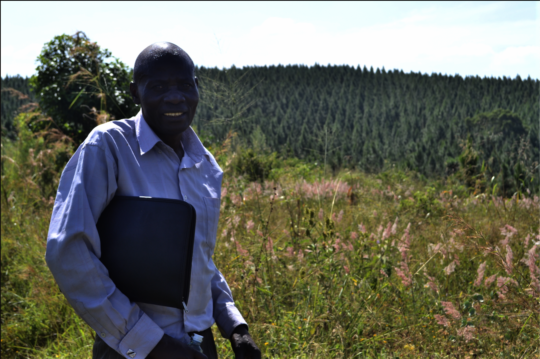
By Mr. Kaganga John | Director Kikandwa Environmental Association
KEA COMMUNITY INVOATION RESOURCE CENTER REPORT APRIL 2014
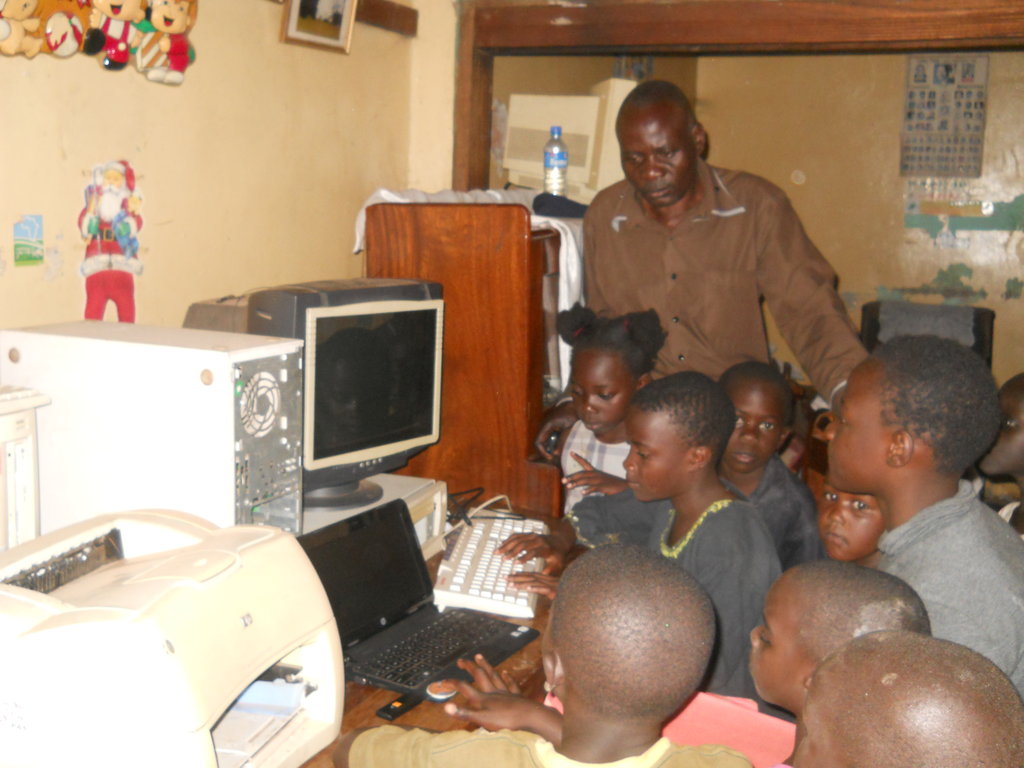
How the Resource Center can make a difference in rural livelihoods since it was launched on November 21st 2013
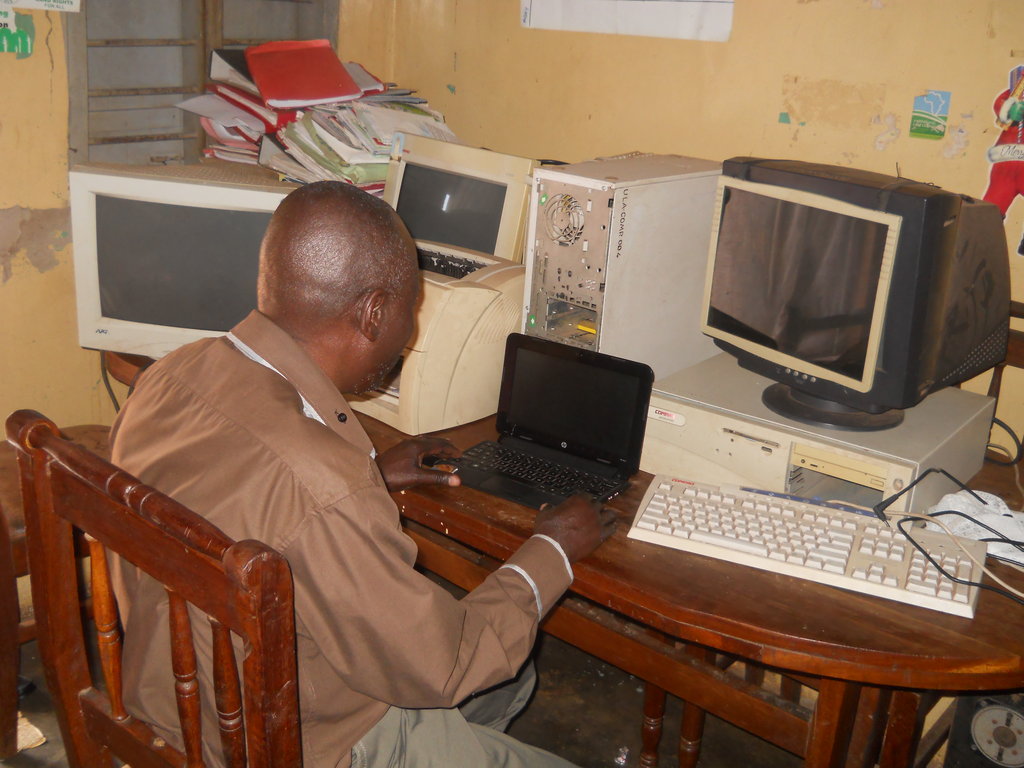
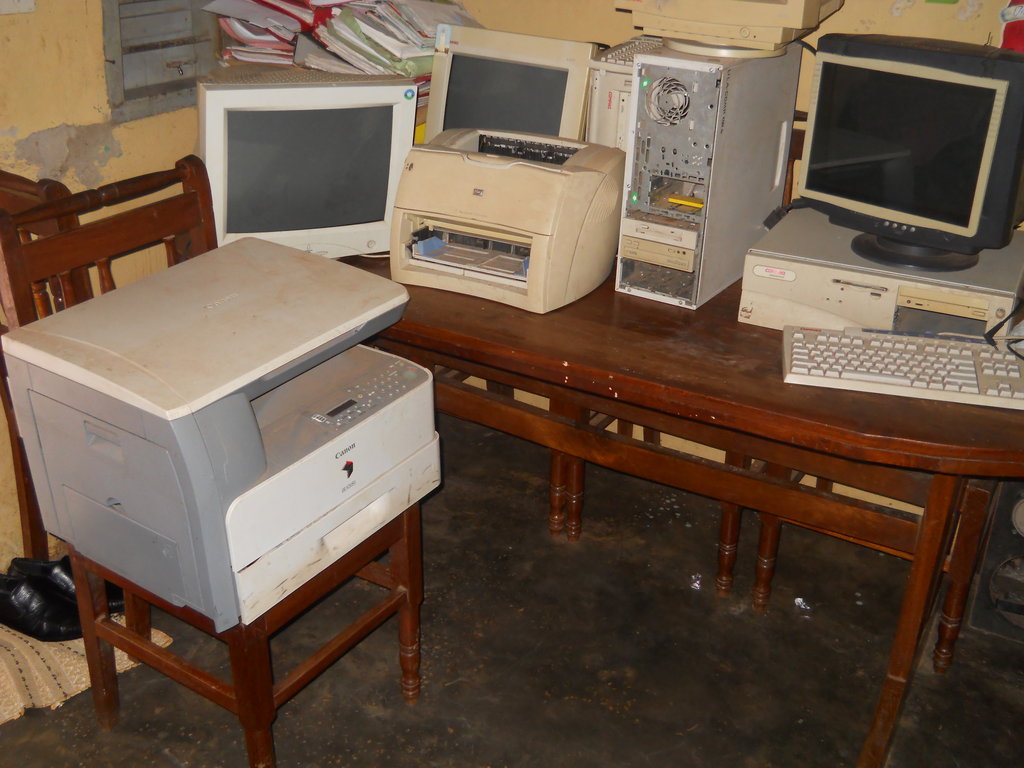
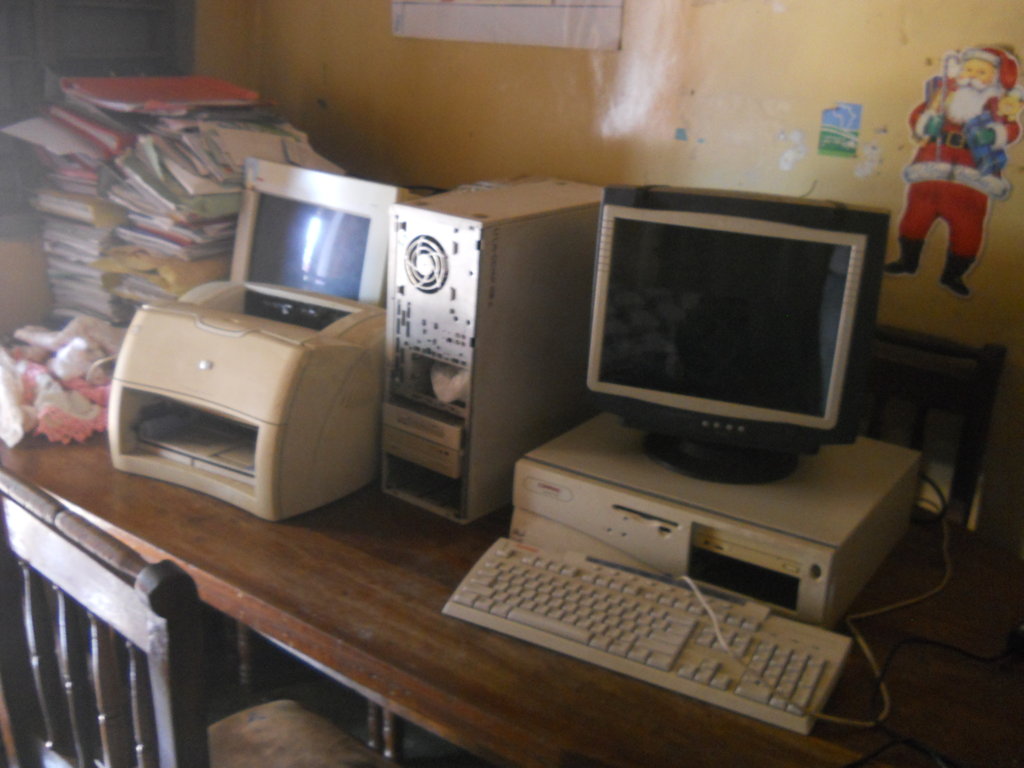
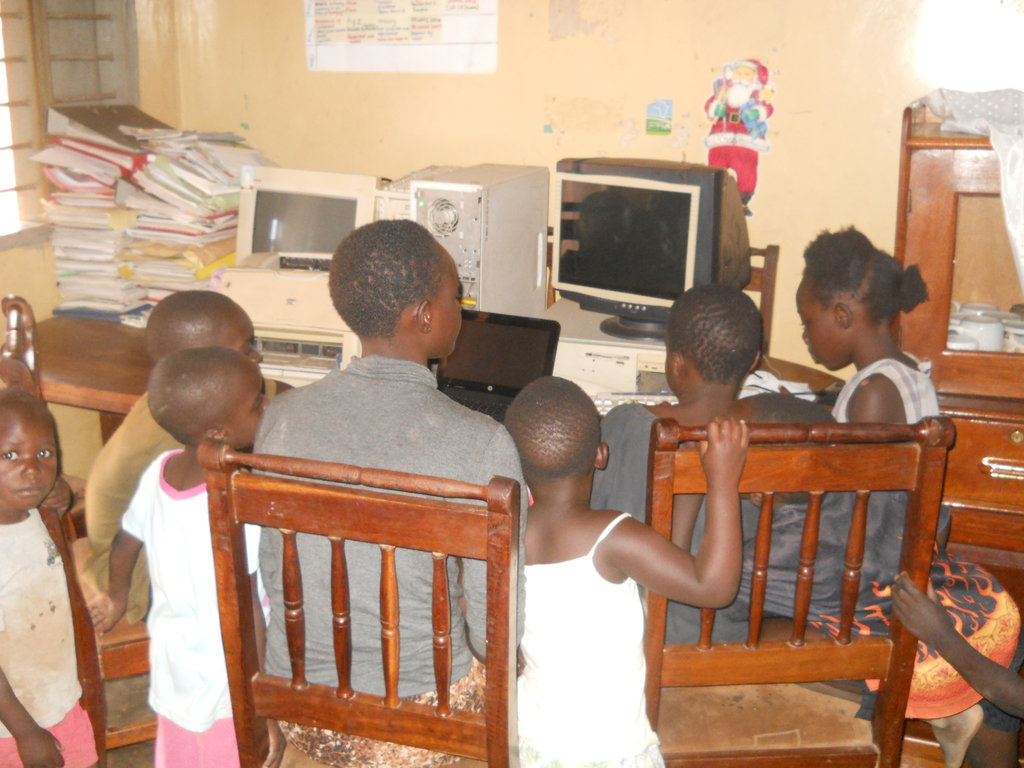
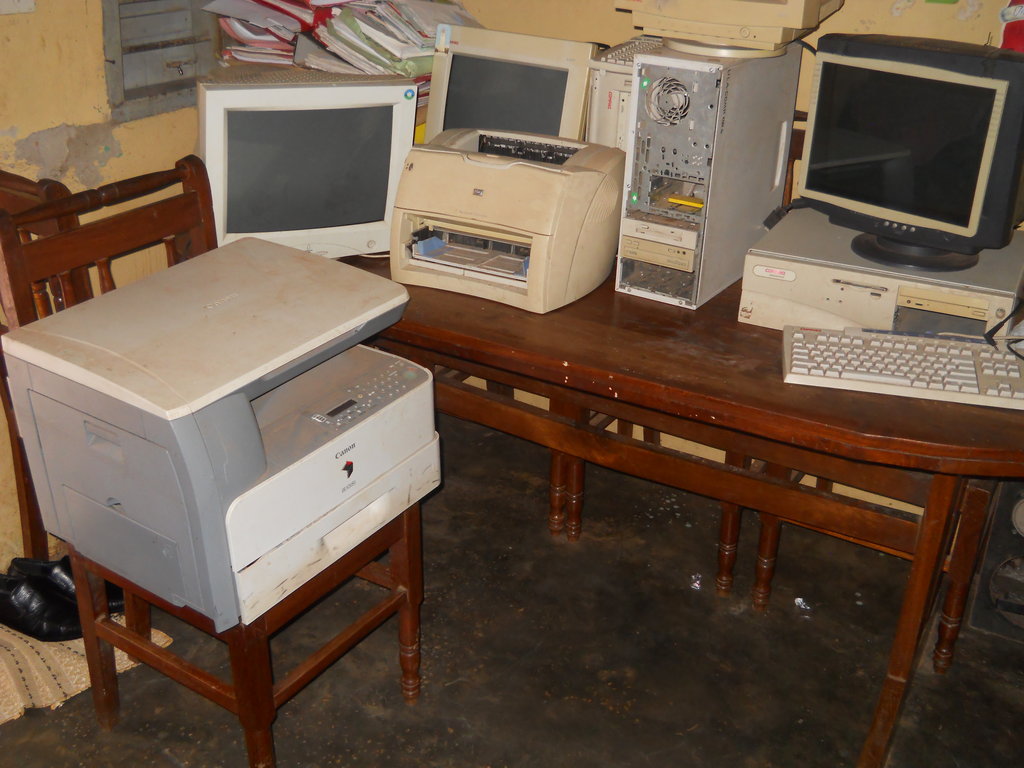
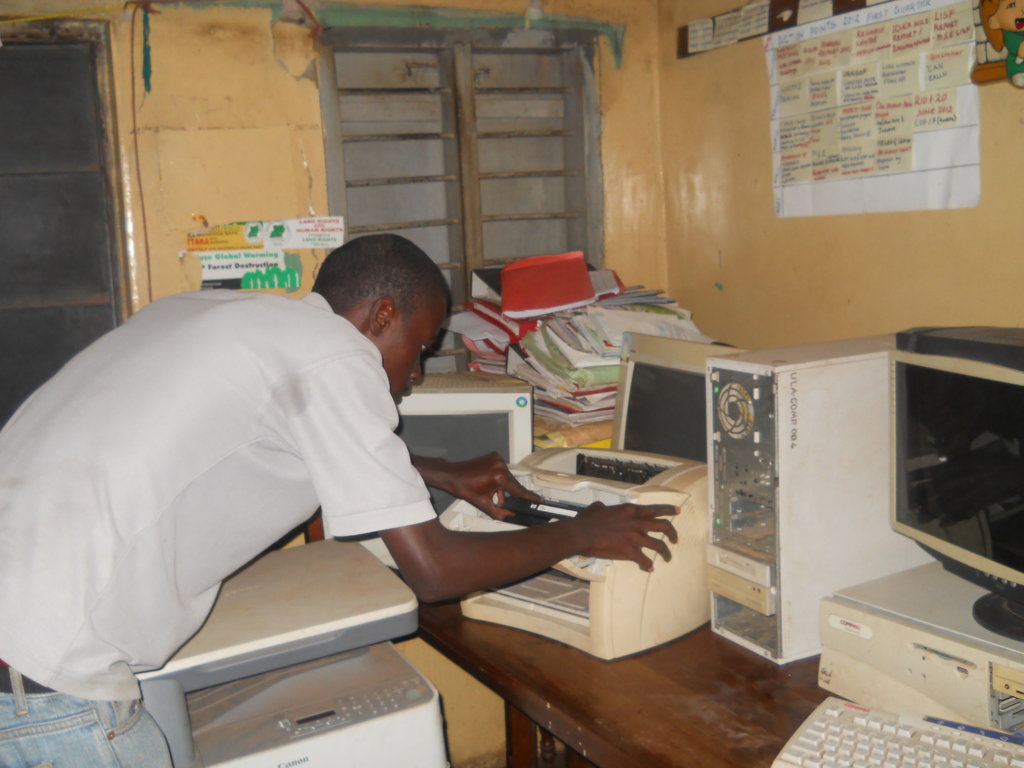
Together with the donors and partners www.globalgiving.org, KEA Community Innovation Resource Center (KEACIRC), we have been able to reach out to the most vulnerable and neglected families in Kikandwa, include orphans. KEACIRC continues to strengthen the existing partnerships so that Resource is full equipped and partners can mutually benefit in the service in the least developed communities using alternative approaches and processes to ICT for sustainable rural development
ICT is important in rural livelihood sector with the majority of the rural population in Kikandwa depending on agriculture. Agriculture faces major challenges of enhancing production in a situation to access to information. The growing demand for agricultural products, however, also offers opportunities for producers to sustain and improve their livelihoods. Information and communication technologies (ICT) play an important role in addressing these challenges and uplifting the livelihoods of the rural poor. (John Kaganga Director Kikandwa Environmental Association)
Opportunities and challenges in rural ICT in Kikandwa.
ICT is faced with the major challenge of increasing rural illiteracy and increasing population to use ICT technologies to address the challenges in agriculture, i.e. marketing, modern farming technologies, soil fertility, and soil and water management to boost the agricultural sector and address climate change. However, the growing demand, including for higher quality products, also offers opportunities for improving the livelihoods of rural communities. New approaches and technical innovations are required to cope with these challenges and to enhance the Livelihoods of the rural population. The role of the resource center to enhance food security and support rural livelihoods is increasingly recognized by KEA that opened up an Informationcenter in Kikandwa. This includes the use of computers, mobile phone, radio although it is a relatively new miracle, the contribution of ICT to agricultural development and poverty alleviation is becoming increasingly available.
Integrating ICT in agriculture
The resource center is a sustainability of small scale farms in Kikandwa that has contributed to farming to reduce the risks and uncertainties, with farmers facing many threats from poor soils, drought, erosion and pests and disease control, especially caterpillars destroyed farmer’s crops, new varieties, new ways to optimize production and regulations for quality control have been linked to farmer innovation to use locally available materials to fight pests, the resource center has linked farmers innovation to end users integrating, researchers and extension workers into processes that enhance productivity .
How the resource center has improved famer market access
Awareness of up-to-date market information on prices for commodities, inputs and consumer trends haveimproved farmers’livelihoods substantially and have impact on their negotiating position. Such information is instrumental in making decisions about future crops and commodities and about the best time and place to sell and buy goods The resource center provides daily market price and links farmers to producers and buyers. This is achieved through networking with all stakeholders involved in agricultural marketing
Capacity-building and empowerment
Communities and farmer organizations havebeen helped through the use of ICTs (resource center) to strengthen their own capacities and better represent their villages when negotiating input and output Prices. The resource centerhas enabled rural communities to interact with other stakeholders, thus reducing exploitation. Ithas widened the perspective of local communities in terms of local and national developments, to open up new business opportunities andhas allowed easier contact with friends and relatives.
Need for resource center and ICT information
It is generally accepted that information to sustain and increase ICT information is spread over different individuals, notably farmers, research institutes, extension services, and non-governmental organisations (NGOs). However, this knowledge is often poorly documented or hard to accessInformation on technologies is predominantly only available in hardcopy form or in stand-alone databases. Data are often incomplete or not compatible with other sources. Local Knowledge on good practices and lessons learned about innovations is generally not captured. Economies of scale can be realized through the use of shared platforms www.globalgiving.org, using common standards. Information should be presented in an appropriate format in order to be effectively used by rural communities. Messages through videos in local languages have proved to be effective. At this point in time, combining old and new media is most successful, such as videos of good practices, rural video coverage, TV and radio broadcasts, which all provide input for local innovation. For example, Mrs. Margret has documented her innovation and broadcasted on television.
Lessons learned and recommendations
The social and political environment within which resourcecenter operate is crucial and supportive to farmers, Awareness-raising, developing functional systems and capacities of stakeholders are processes that require time. General lesson from initiatives implemented with care. Success is not derived automatically from inserting ICT intoisolated, poor communities.
• Converging of ICT tools for communication,
• Increased use of computers to acquire agricultural information in rural communities,
• Cheaper and improved connectivity for rural communities use social networks (Facebook,)
• Increased recognition by resource center is importance in rural development based on lessons learnt, ICT can help realize the full potential of rural farmers and improve rural livelihoods: based on the training at the resource center and in the field. ICT should be integrated into agricultural as lead to support framers learning and exchange of information at various levels local and sub-county, linking rural communities with universities, research agencies through intermediary organisations, since the use of ICT in agriculture is still a new and rapidly changing area, there is a need to raise awareness among local leaders, and the international donor community on the potential.
Conclusion
Life in a rural area and users of ICT have reached primary goal of acquiring ICT skills. about 67% of the project users consider their household income to be average, This indicate that the majority of users are located in rural areas and belong to the poor families, in line with the ’ key objective of poverty alleviation working more with grassroots organizations and to increase the ICT skills focusing on communication and information access in rural areas.
Of the age groups reveals that many ICT users are between 21 and 40 years old. This is not surprising, since agriculture projects target the active workforce in Kikandwa. The figures also indicate that 70% of the users are female while 30% are male. This is an issue of concern given that the majority of the rural poor are women playing a central role in agriculture. Illiteracy and heavy workloads are among awareness 60%the factors that inhibit women from participating. Cultural attitudes also preventwomen from attending meetings or visiting rural access points.
Our 2014 Plan of Action is community capacity building! In it we show you how together we can help break the cycle of hunger, poverty and land degradation using ICT:. This year, using the ICT technology approach we are helping to reach venerable farming communities – Kasjjere and Kimanya Village whose stories are alarming. The donation will help hungry people in need, make a sustainable profit, while restoring and protecting the natural resources of our communities
Please share our plan of fundraising September –December 2014 with your friends, family and colleagues who may be interested in helping rural farmers out of poverty. Also, we invite you to graduation ceremony were students at the resource center will be graduating with certificate in computer at KEA Community Innovation Resource Center.
Project reports on GlobalGiving are posted directly to globalgiving.org by Project Leaders as they are completed, generally every 3-4 months. To protect the integrity of these documents, GlobalGiving does not alter them; therefore you may find some language or formatting issues.
If you donate to this project or have donated to this project, you can receive an email when this project posts a report. You can also subscribe for reports without donating.