By Kaganga John | Executive Director
Looking back to move forward
https://www.globalgiving.org/projects/community-innovation-resource-centre/
On behalf of Kikandwa Environmenta Association (KEA) , families in Uganda, staff, can I express my sincere ‘thank you’ for your support in 2017, KEA has been not only my passion but my mission for the past years and I am truly inspired by all that we have accomplished, YOU!! (international partners) have assisted our community to grow in ways I never thought I could, simply (and not so simply), by realizing all the little ways that you and I can actually step by step change situations we want to see change!
2017, was a year of transition – and new beginnings, for both the world as well as us here at Kikandwa community. We’ve seen so many catastrophic events take place, threats , needless violence, and more – reinforcing the need for us all to come together and do more to help one another allowing us to assist families in some of the poorest community to provide a better future for themselves and their children.
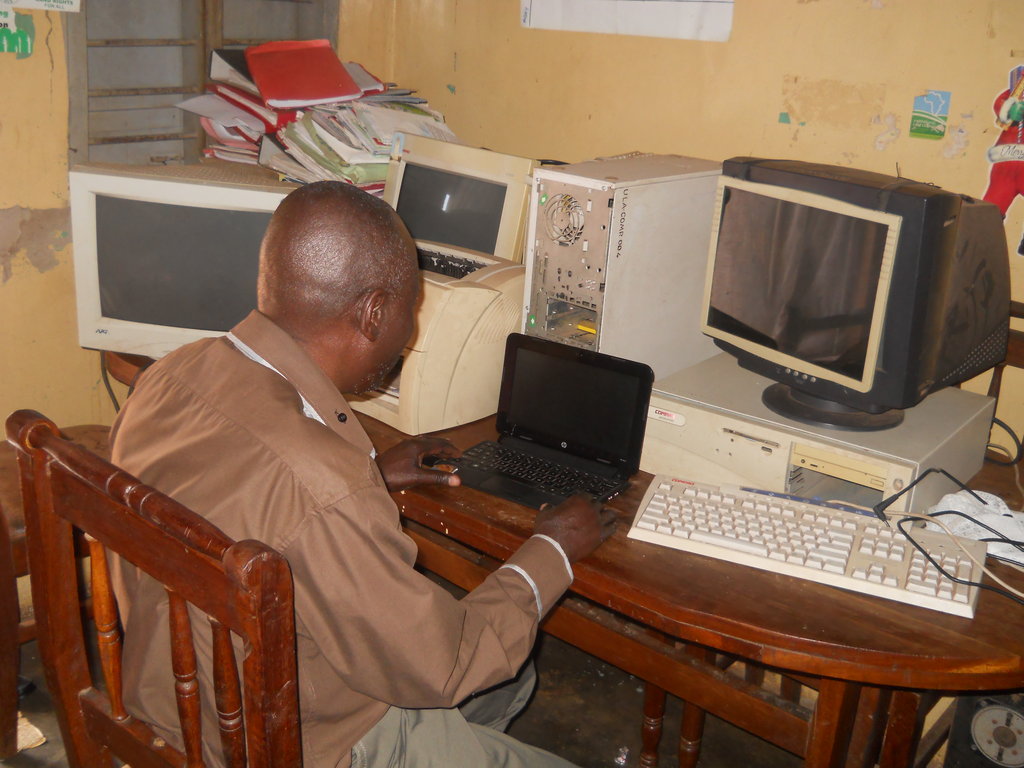
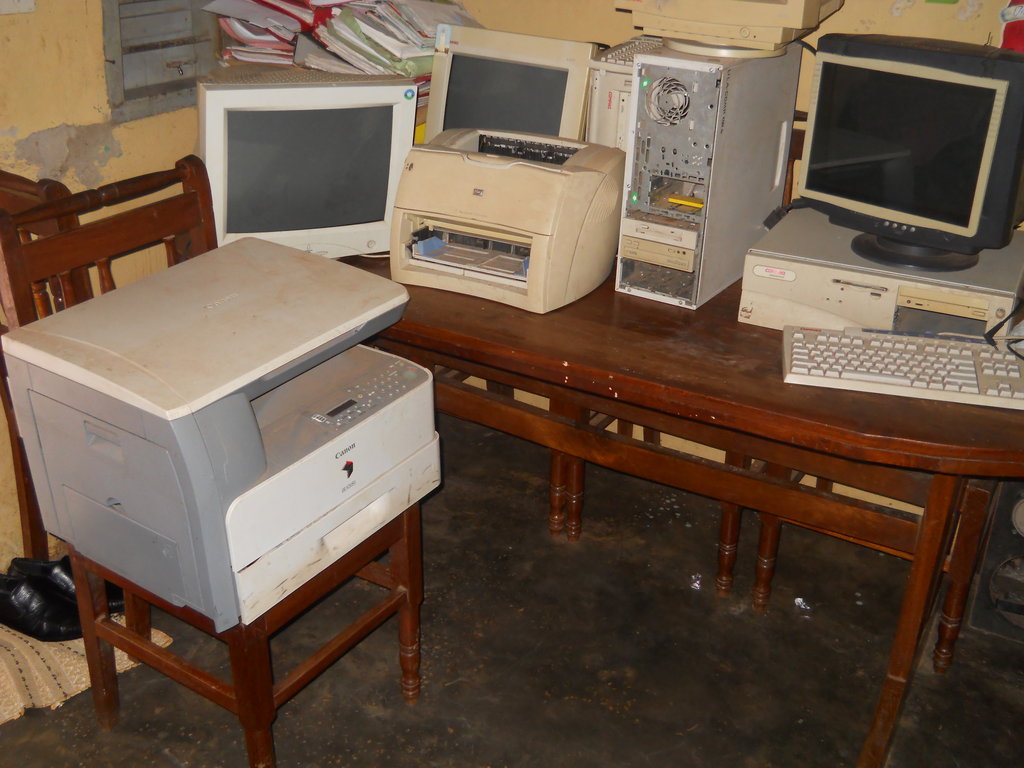
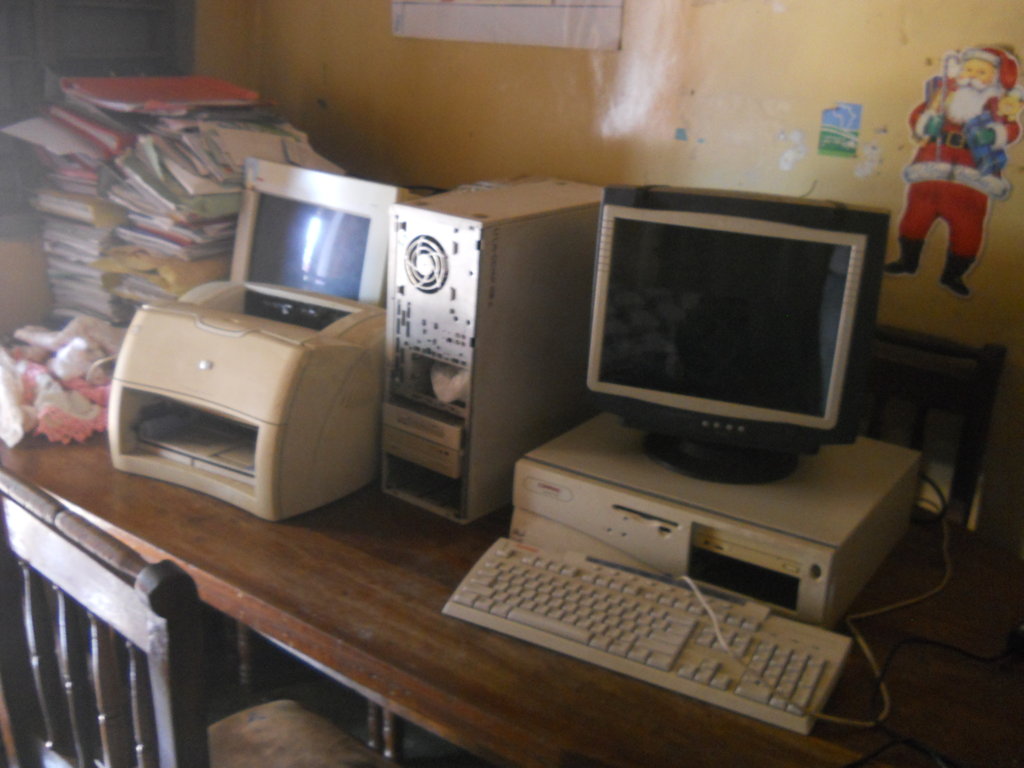
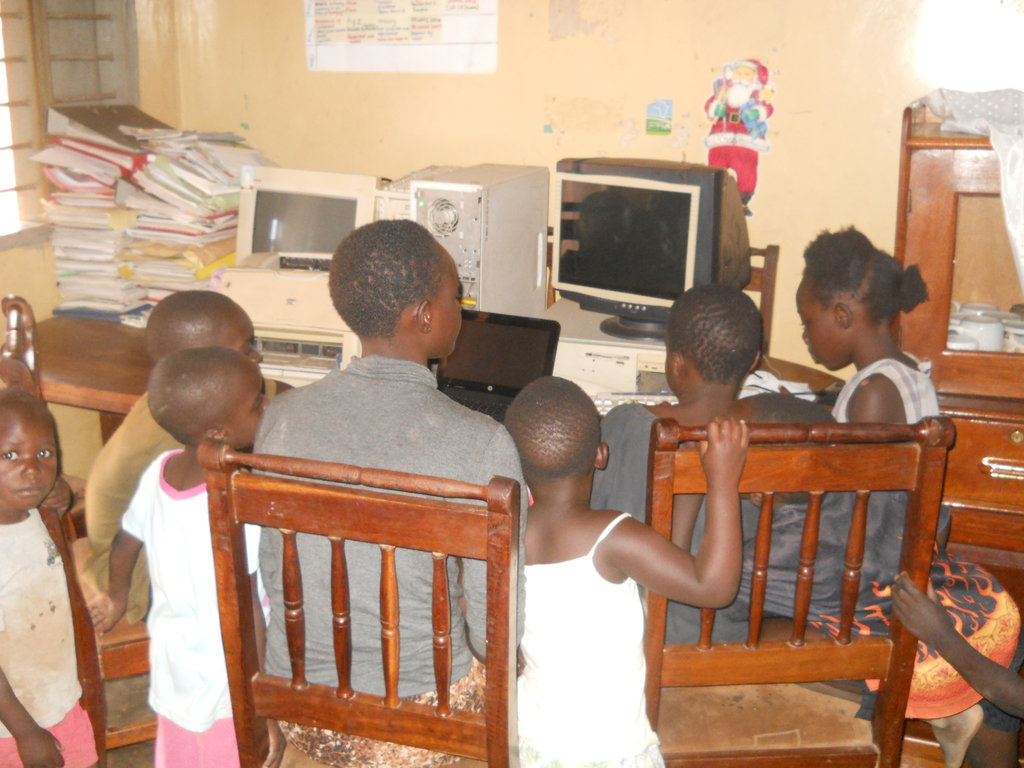
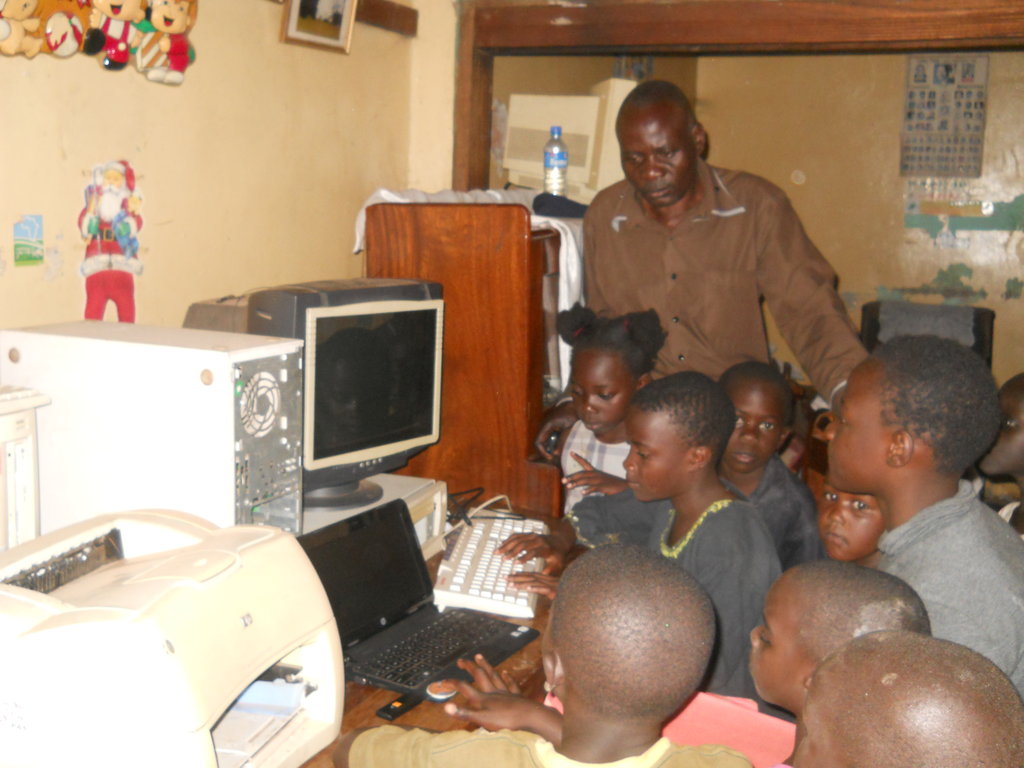
Thanks to your support, we have been able to help small-scale farming households across the communities to grow a wide variety of new, better quality crops on their land, this was achieved through farmer training, farmer to farmer visits and use of community library at Kikandwa community Innovation Resource center.
We have assisted farm families to produce goods that they can sell to earn an income, and have helped farming families to earn more than they did in the past through trainings. Communities witnessed the worst food crisis in generations during first quarter 2017 (January-May). This provided a sharp reminder that many challenges remain however. We are committed to tackling these challenges, and with your support will do so with new vigor and dedication, in 2018.
This growth has been a result of reflection, consultations and discussions by individuals and organizational. Our adequate words to thank our partners who have always stood willing to support the organisation in its road to self-reliance. The contribution support the work of the organisation is based on a spirit of volunteerism through www.globalgiving.org . Our international Volunteers scattered in all corners of the world give in resources both in various ways, be it time, social and financial terms. RWI is indeed very grateful for their work
Indeed is very appreciative for the support of The Million Person Project for funding my trip to Bonni cop23, If there is anything at all that we have achieved in years, it is no other than the efforts to publicize and representing KEA to the international community.
Much thanks to my host family in Germany, to care of me, feeding, transportation, bedding, and we had a lot of fun around home and Bonni. The family introduced me to many friends in Germany guided my stay and loved me so much
Community Development
The process of community development has been facilitated on aspirations of the organization to contribute to an inclusive world and the improvement of the livelihoods of the people in community outlined in the plan achievements and adjustments based on key issues arising from various learning processes within the programme in the past, most important on development issues challenging in improving livelihoods of the rural women and children directly support to individuals, We hope to invest more in organizational strengthening and Institutional development support to programme nurturing growth and development.
Sustainable development can only be achieved through the process of empowerment and capacity building/development of all stakeholders that are involved. This ensures a participatory development process and leads to need-driven development rather than demand driven development.
The organisation has undergone a deep reflection and analysis of its core purpose and mode of operation. Quite a number of issues emerged from the critical self-assessment that will guide its strategic plan for instance the organisation documents and policies need to be reviewed and updated,Integrating cross cutting areas of HIV/AIDS, environment, and not forgetting gender issues which does not seem too strengthened by not leaving men behind with the goal of improving the standards of living for their standards of living.
2018 Plan will focus on the following major focal areas: Ensuring Food security, increasing peoples’ incomes through sustainable agribusiness; Organisational Strengthening and Institutional Development; Preventive and curative health for development; promotion of human Rights and Good Governance Strategies; and Promote the value of working together to assist the needy in our communities. Gender and HIV/AIDS will be mainstreamed in all programs to disseminate skills in sustainable agriculture practices and technologies: Agro forestry; modern crop and animal management; environmental protection; appropriate technology; management of small IGAs and food processing and preservation.
With support from international, national and community donors, the organization has focused on projects in the sectors of agriculture, animal husbandry, water and sanitation, medical care, environmental protection, care and the protection and support of orphans and widows. It’s never assumed would be easy going blown down by the wind it has up to this time stood firm to stand challenges.
SCHOOL OF HOPE
We thank individual friends for the good work you do for us to keep our orphanage children in school, The school as given a chance to vulnerable from poor families to access formal and informal education especially to the girl child. The power in that is monumental and not to be underestimated, especially now more than ever!
KEA Green Hill Educational Centre (KEA GHEC) was established in 2004 with a purpose of addressing low education levels in the Kasejjere village. Before the establishment of the school, the nearest primary school was at a distance of seven kilometers; young kids had to travel a distance of 14 km a day to access the nearest school. KEA GHEC reduced the distance for children to walk to school thus making education more accessible. KEA Green Hill Education Center has helped educate orphans and other vulnerable children (OVCS) and also provide socio-economic support to the OVCs and their guardians/community members so as to have improved education standards and a better Quality of life. These are children who have lost their parents due to HIV/Aids and have no hope for a better future!
Since our inception 2004, we had accomplished a lot until now. Our school has been shut down by district authorities for lack of permanent structures. This has affected our moral and the community at large. Our earlier vision of enabling children acquire better education and provide sustainable benefits for the present future generation of the country has been cut short. Our mission of providing quality education to the pupils and preach the importance and management of the environment and natural resources is now dwindling after our closure.
That’s ambitious. This Is Why We Need Your Help. Even a modest gift can go a long way. For example, $75 donation can help buy dump-proof material, a bag of cement, a truck of sand and a 5 ton truck of aggregate stones. This will be huge for us as we don’t want our young children to walk the daunting journey again while looking for a primary school.
All donations go directly to building the structures of the school since the foundation was already completed. Your gift will have tremendous impact on the lives of the school children to help them to have the skills, vision and motivation to change their lives. Thank you for partnering with us to help our children.The school has helped over 1000 underprivileged children in our community to have a chance to, more importantly, develop confidence of the children; to feel wanted and to develop dreams for their future, dreams that have included becoming engineers, accountants, doctors and politicians
Bringing Water close to the Communities of Kasejjere village.
Every day in rural communities and poor urban centers throughout Uganda, hundreds of people suffer from lack of access to clean, safe water. Women and girls especially bear the burden of walking miles at a time to collect water from streams and ponds - full of water-borne diseases that are making them and their families sick. Illness from drinking dirty water and the time lost fetching it robs entire communities of their futures.
Hope is put on hold in over half of the developing world's primary schools without access to water and sanitation.
Providing reliable and safe water source unlocked potential through Rural Women Initiative-Uganda (www.rwi-uganda.org), with partnership with The Pollination Project (www.pollinationproject.org) ,halfway solved this burden and returning time for study and income generating work. Every good thing was made possible to access to safe water being available everyday year after year. Sadly though, the increase promise of safe water has been broken many times due to financial fixed budgets. A water project, like the new well in Kasejjere, can transform a child's life and the whole community https://l.facebook.com/l.php?u=https%3A%2F%2Fthepollinationproject.org%2Fgrants-awarded%2Fnakitto-betty-community-water-and-sanitation-hygiene-project-2015-impact-grant
Environment Conservation
Kikandwa Environmental Association KEA, implemented the Tree Planting Project in selected villages of Kiakandwa sub-county. During the financial year 2017/2018, KEA planted over 10,000 indigenous, fruit and improved tree seedlings with the main focus on mitigating effects of climate change in the region. Main objective of the project was favorable environment for community livelihood realized within the selected communities of Kikandwa Sub County. The mission has not stopped at planting trees, at grassroots, but conserving small forest patches from half to five acres per household to regenerate naturally into forest patches. The innovation has lead to sustainable agriculture, food security, soil erosion control, increase biodiversity, protect habitat and wildlife and has improved peoples livelihood.
Institutional Capacity Building
KEA has worked with community partners, to deliver good services to the beneficiaries. Currently KEA is facilitating and training women groups Rural Women Initiative -members engage in socio-economic development through Community trainings. Trains individuals to identify their talents given resources to come out of poverty e.g., income generating activities have been reached and supported through capacity building training. As a result, beneficiaries have the opportunity to get quick service through CBOs. Through Self Help Groups (SHG) women who have been empowered with a number of ideas in hand craft making, agriculture, road water harvest from where they work hard and earn income to provide their house hold with basic needs and food. This has greatly provided food security where 44.9% of the households are able to have three meals and 51.3% two meals a day. This improvement in feeding has directly impacted the children in the SHG members household.
Access to information
Other manifestation of poverty include malnutrition, high morbidity and infant mortality, low household income, poor housing and poor general living conditions, few livelihood opportunities, social exclusion, and lack of access to information and to social and other public services. Poor households are not able to deal with problems of poverty on their own because of structures and conditions within society and the economy. In rural areas, poverty is particular rly associated with lack of productive assets, locally known as ‘capital health and disease are the most frequently cited causes of poverty in Uganda’s Participatory Poverty Assessment reports, but ill health and disease are also recognized as consequences of poverty. Lack of access to quality health and education services, poor nutritional practices and limited nutritional choices, lack of information, lack of resources to take action, the impact of HIV/AIDS, and continuing high fertility and high population growth rates particularly in subcounty are all inter-dependent contributing factors in this cycle of poverty. Limited access to land ranks second among the most frequently cited causes of poverty. Amongst the poor and most vulnerable sectors of the population, land ownership is decreasing significantly as a result of problems linked to large families, evictions, internal migration, and gender inequities. And where land is available, lack of access to markets, low market prices, the impact of pests and disease, and vulnerability to drought and other extreme climatic conditions are highlighted as key factors leading to poverty
For women, the lack of control over productive resources remains one of the root causes of poverty. Although women are responsible for the vast majority of agricultural production in Kikandwa, it is the male head of household who controls land ownership, the crops and livestock produced from women’s labour, and the financial gains from a market sales and women often have little or no say in household decision-making. This situation is even worse in widow/orphan headed households. These households are often even more impoverished because in-laws take over the land and assets when a husband dies.
This year, has been a time of transition – and new beginnings, for both the community as well as Rural Women Initiative –Uganda (CBO). We’ve seen so many catastrophic events take place, threats against human rights, needless violence, and more – reinforcing the need for us all to come together and do more to help one another. Amidst the difficulties, our programs and the people we serve remain our primary focus, and we continue to make real strides in the fight against poverty. Here’s a look back at some of the amazing things we achieved this year.
Many friends share information on sexually abused children as recognized by World of Children, an organization that improves the lives of vulnerable children by funding and elevating the most effective change-makers for children
To ensure that we’re learning and growing, we shall continue sharing RWI-Uganda program models and accomplishments at the meetings, Conference, workshops, trainings that present developing of RWI-Uganda that measures the vulnerability to issues such as economic, social, and health of our partners.
Special thank you to all of you for being here with us along the way. I am very excited about KEA- future and am more committed than ever to our mission. In these uncertain times, let’s pour out more LOVE and come together, and blaze forward to providing education, water, beekeeping project and treatment to all. We’re encouraging radical acts of love, that is positivity, commitment and real impact that builds bridges not walls between all of us receive a grant that will allow them to reach more children in need.
Peace and love,
John Kaganga
Links:
Project reports on GlobalGiving are posted directly to globalgiving.org by Project Leaders as they are completed, generally every 3-4 months. To protect the integrity of these documents, GlobalGiving does not alter them; therefore you may find some language or formatting issues.
If you donate to this project or have donated to this project, you can receive an email when this project posts a report. You can also subscribe for reports without donating.