By Arup Bhuniya | Asst. Project coordinator
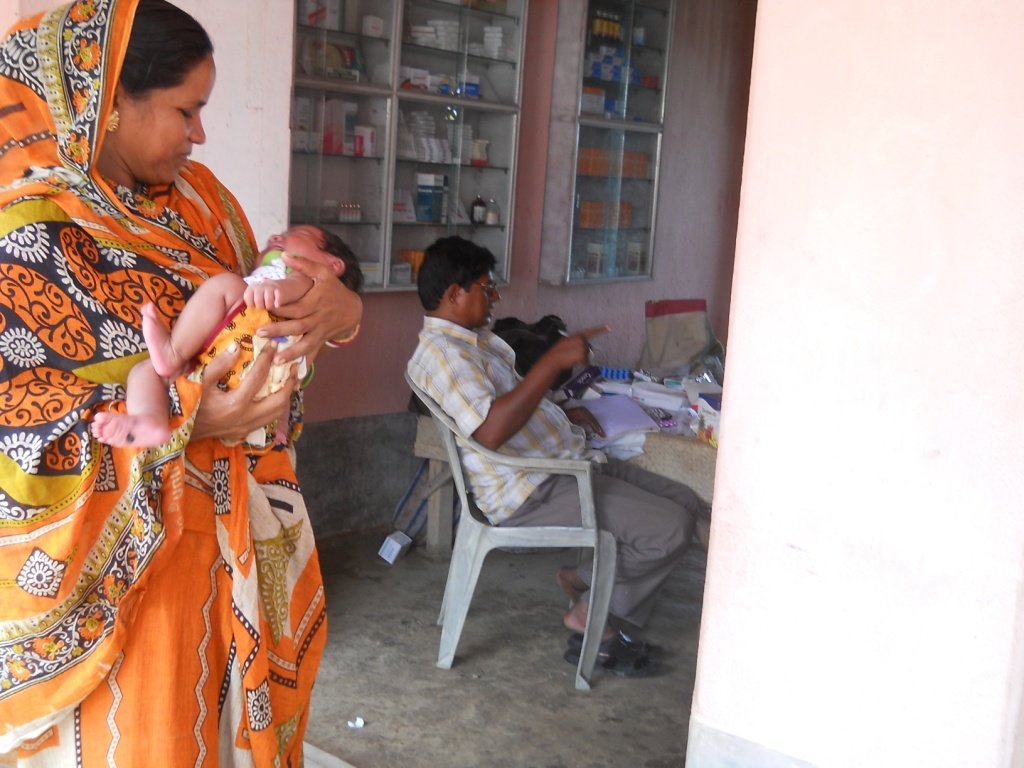
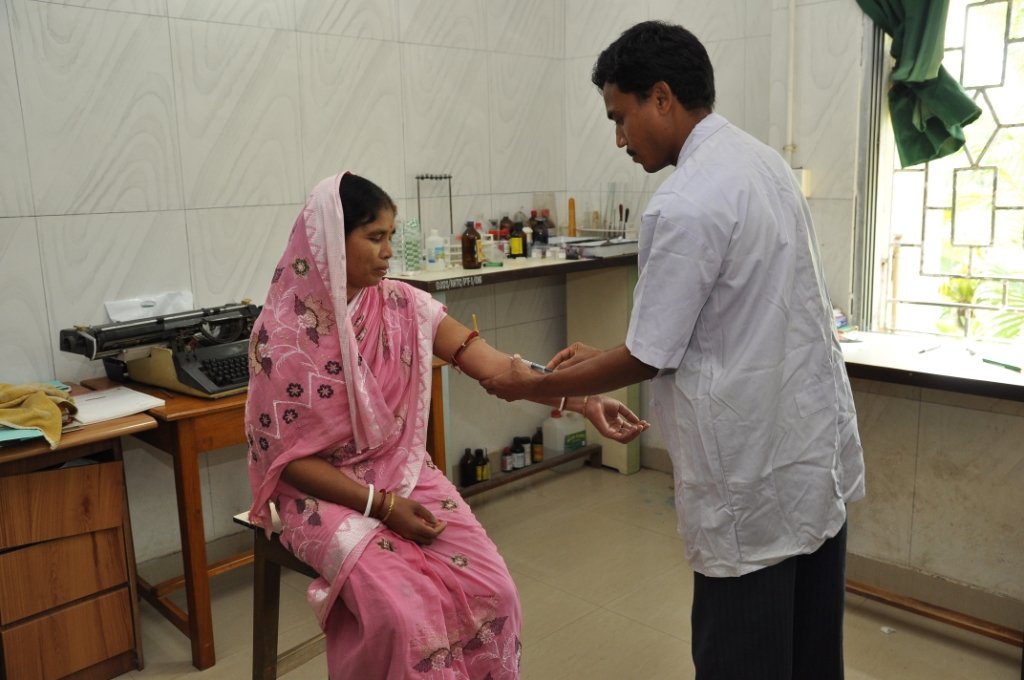
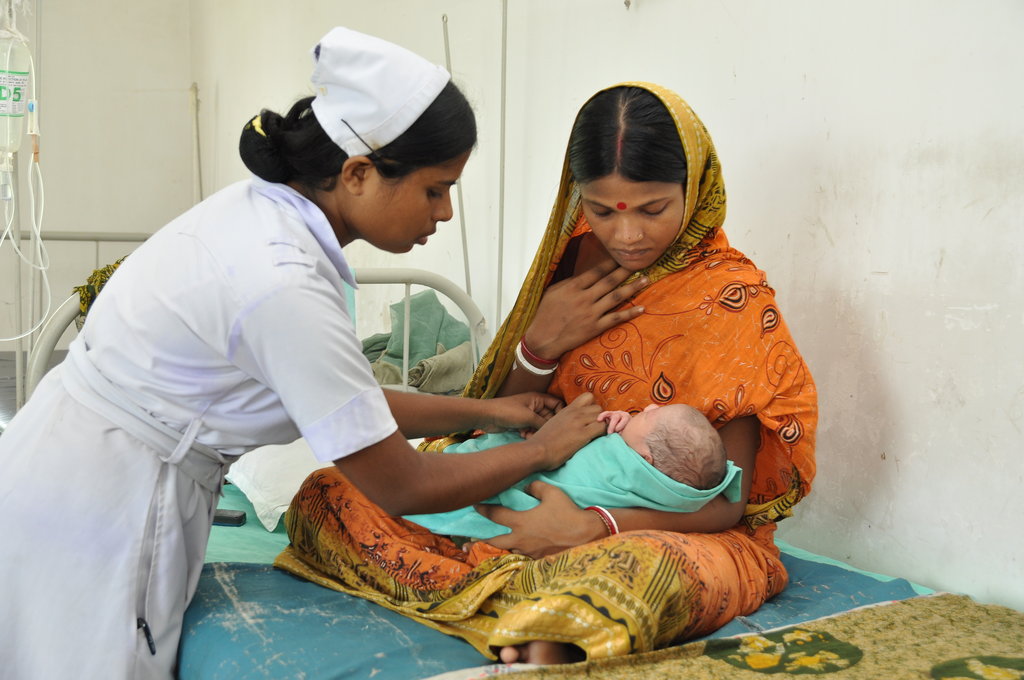
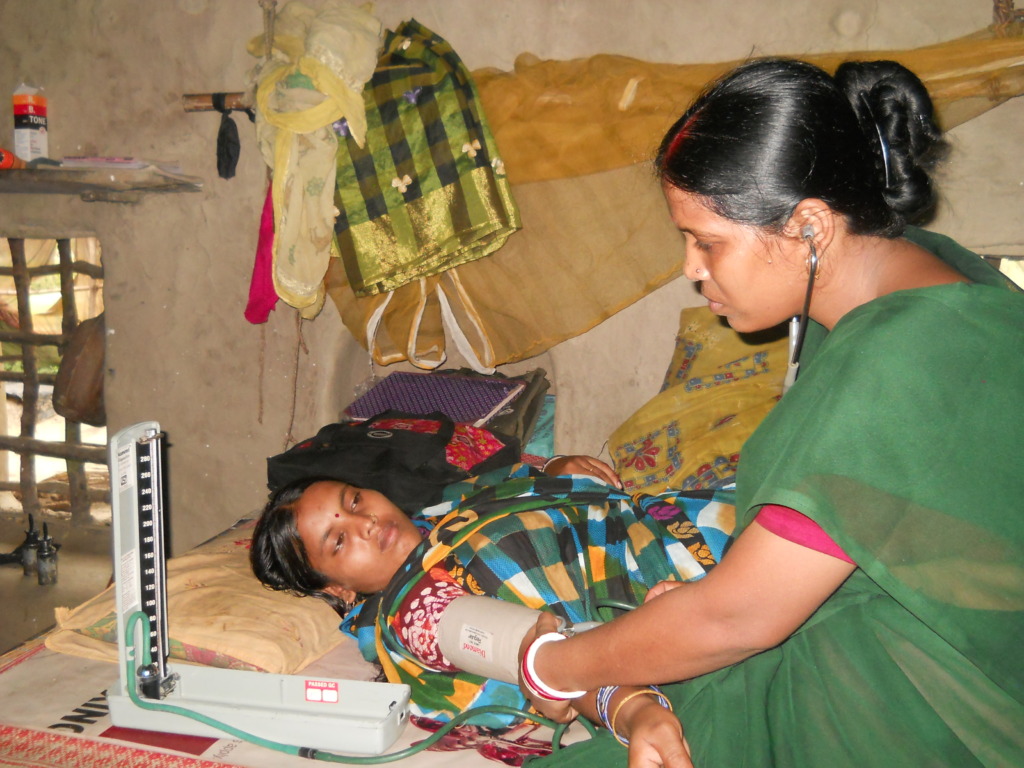
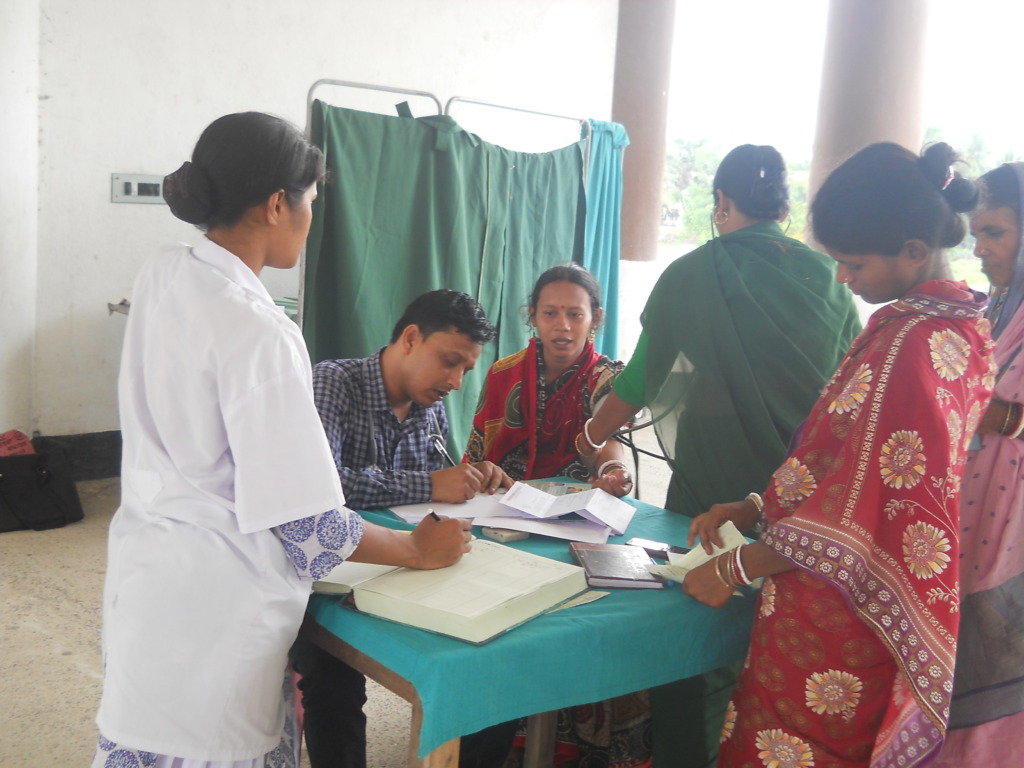
Through home visits pregnant women have been identified by the health workers and enlisted in the register knowing the facts like; last menstruation period (LMP), no. of pregnancy and other family information. The pregnant women and her family members were counseled and advised for antenatal cares (ANC), USG, blood tests, its necessity, risk factors not taking antenatal cares and institutional delivery. The pregnant women were checked up at intervals and issued one mother card containing the issues of pregnancy cares, necessary food intake, rest, child care, immunization etc. The type of services that have been provided during ANC checkup were; weight & height measurement, hemoglobin & albumin test, blood pressure, fungal height, informing of expected date of delivery (EDD), issuing folic acid & calcium, checkingbabies movement, tetanus toxoid etc. They are checked every month and after six months of pregnancy at fifteen days interval. The pregnant women in the high risk and malnourished category are primarily identified by the health workers also supervisors and are referred to health centre for doctor’s checkup and taking necessary measures. The family members of the pregnant women were also advised for making necessary arrangements for shifting pregnant women to health centre for labour, well in advance of EDD. The lactating mothers are also provided cares up to 45 days of delivery and the concern areas are; breast feeding, child immunization, issuing iron & calcium tablets, complication(s) of mother or baby if any, doctor’s checkup, hygienic practices etc.
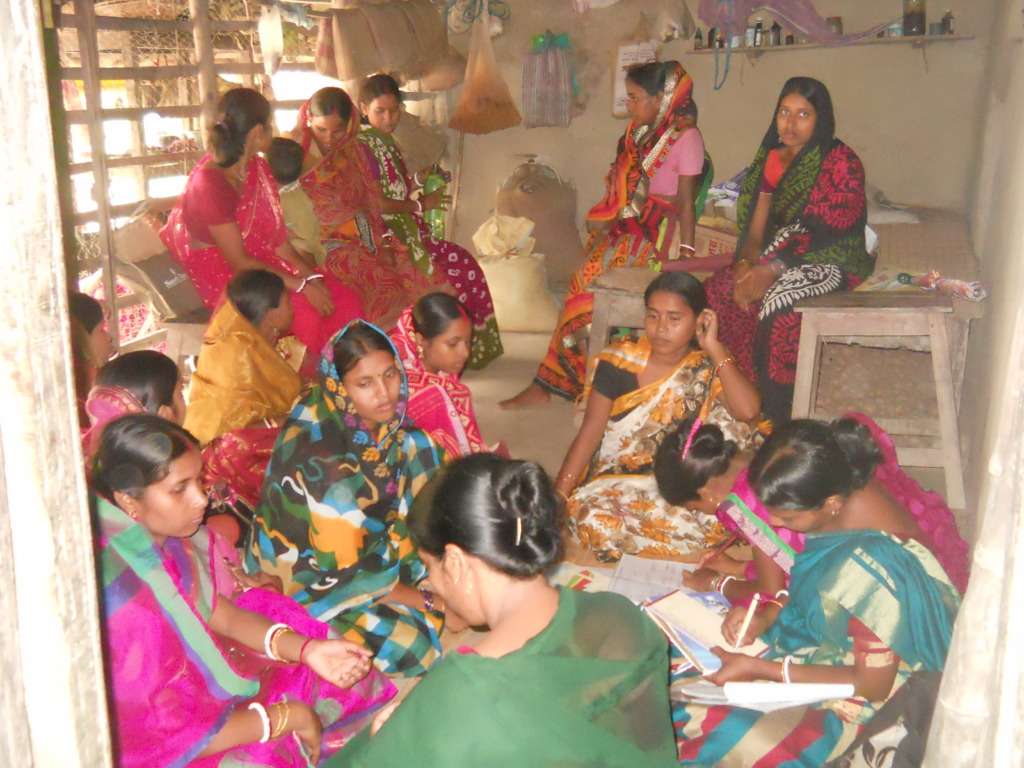
During the reporting quarter, 109 meetings with the mothers conducted with 1338 participants. The issues discussed were; nutrition, child care, immunization & its schedule, growth monitoring, hygienic practices, hand washing, antenatal & postnatal cares, necessity of consuming iron & calcium tablets, hemoglobin & routine blood tests during pregnancy, Government schemes like Ayusmati & Janani Suraksha Yojana (JSY), ways & means of water pollution, maintaining safe water chain etc.
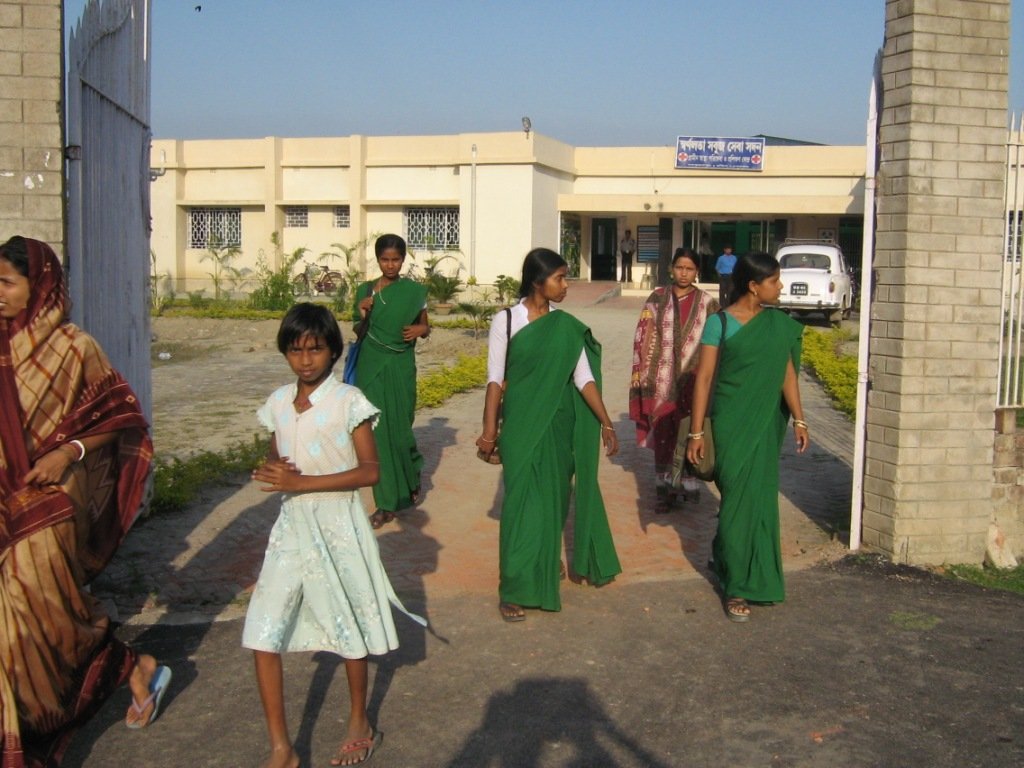
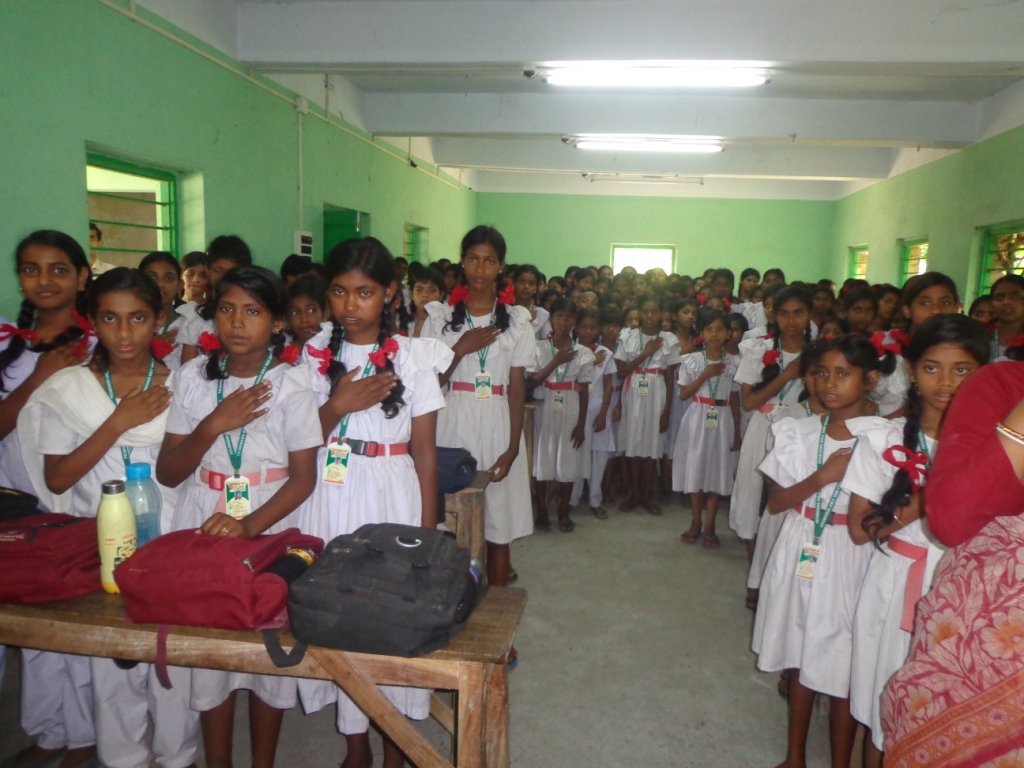
Twenty six (26) meetings with 295 adolescent girls held. The topics covered were; adolescent health & menstrual hygiene, use of sanitary napkin, use of toilet, hand washing, maintaining personal cleanliness, dos & don’ts during menstrual period, what is the ill effect of early marriage. It is fact that; the adolescent girls are made aware about the issues and many of them are maintaining up to their possible extent.
Three (3) awareness programmes conducted at the community level in which 224 participants attended. The nature of participants was; Panchayat representative, ICDS teacher, SHG members, adolescent girls, ANM, ASHA worker and other villagers. Major issues discussed were; Use of toilet, hand washing, means of water pollution, maintaining hygiene etc. The Swastha Sathi insurance scheme of State Government elaborated in details i.e. eligibility criteria for availing the benefit through this insurance scheme, authority of issuing Swastha Sathi card, amount of insurance coverage, time period, the norms & procedure getting the facility etc. As on 30th June 2017 total 110 patients have been covered through Swastha Sathi. As of now, Sabuj Sangha is working with 93207 populations in 24 villages of four (4) GPs. Project team plans to organized more number of awareness programmes in following quarters.
Project reports on GlobalGiving are posted directly to globalgiving.org by Project Leaders as they are completed, generally every 3-4 months. To protect the integrity of these documents, GlobalGiving does not alter them; therefore you may find some language or formatting issues.
If you donate to this project or have donated to this project, you can receive an email when this project posts a report. You can also subscribe for reports without donating.