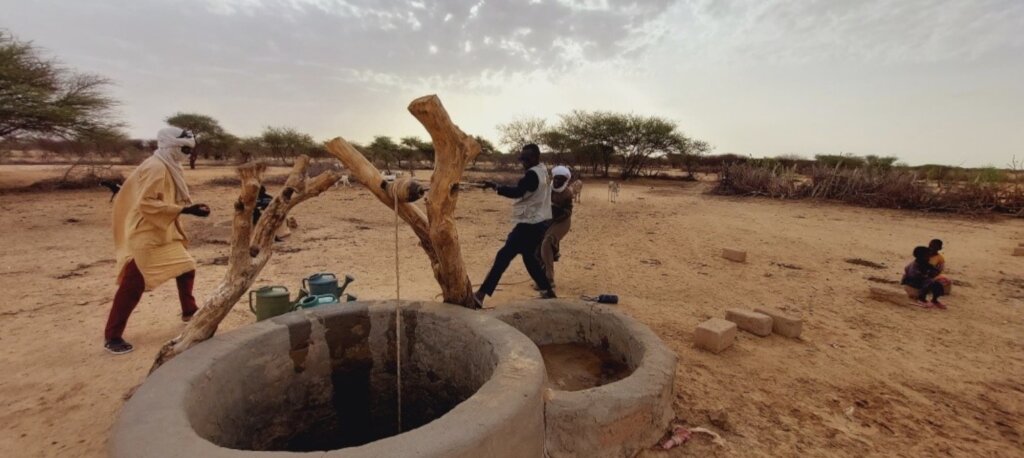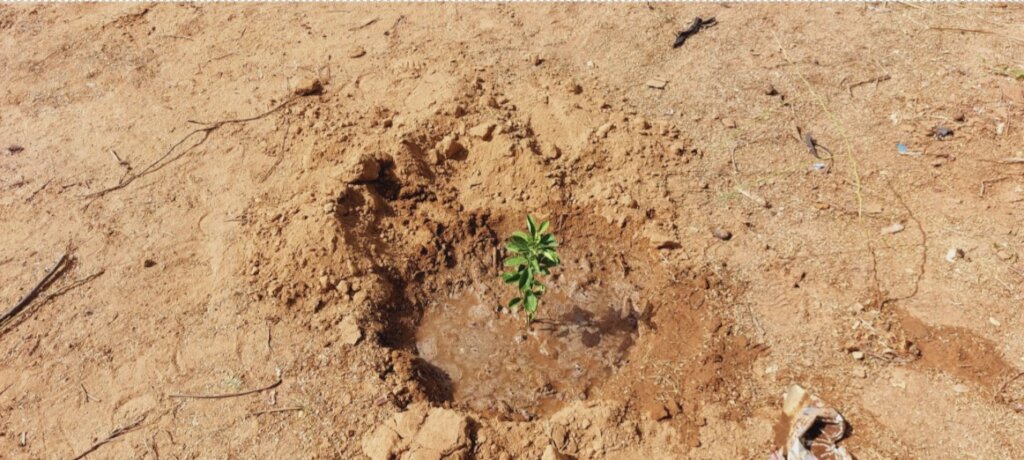
In Niger's arid Sahel, extreme drought and erratic rainfall threaten rural food security and access to clean water. Desert communities lack fresh produce and safe drinking water, causing malnutrition and school absenteeism. RAIN installs community wells and drip-irrigated market gardens to secure year-round food and water. These gardens nourish thousands of children and generate surplus income for local women, transforming climate vulnerability into lasting health and resilience.
With 80% of Niger covered by the Sahara Desert, climate change has accelerated droughts, dried up water sources, and degraded farmland. Rural families and nomadic students often subsist on minimal diets lacking essential nutrients. Without clean water and sustainable food systems, communities face severe health risks, and children are pulled from classrooms because of hunger or the daily burden of hauling water over long distances.
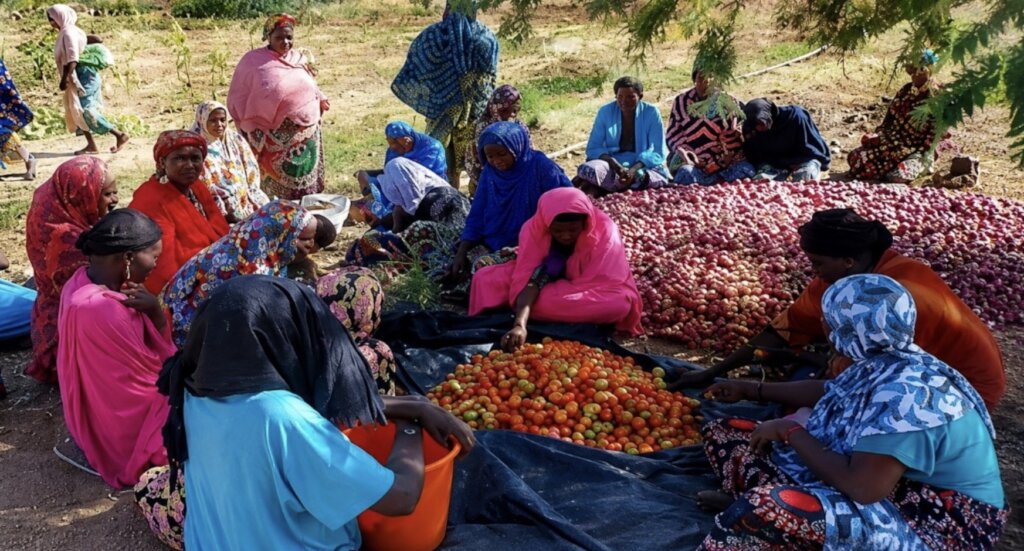
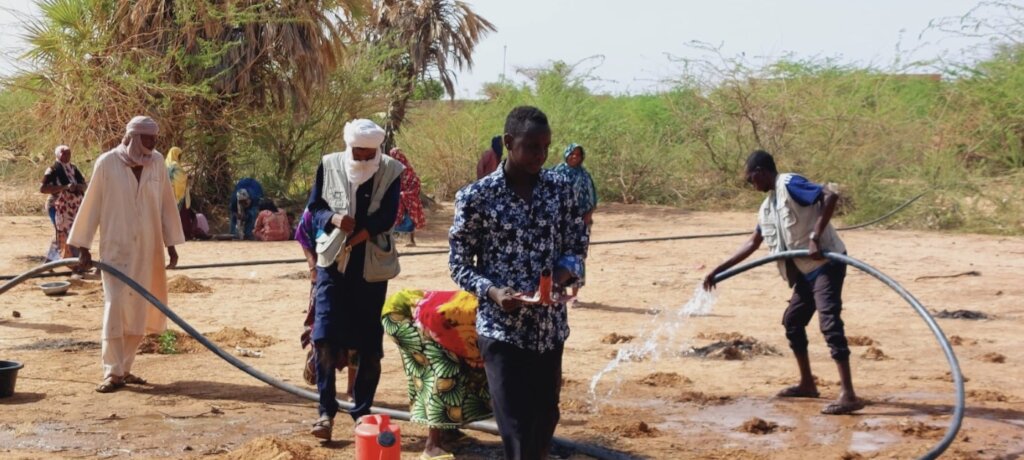
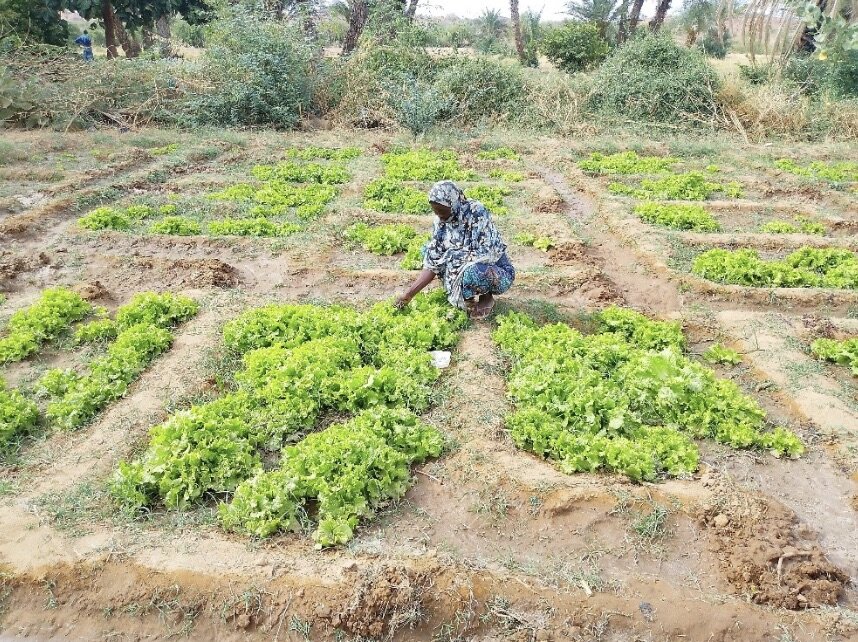
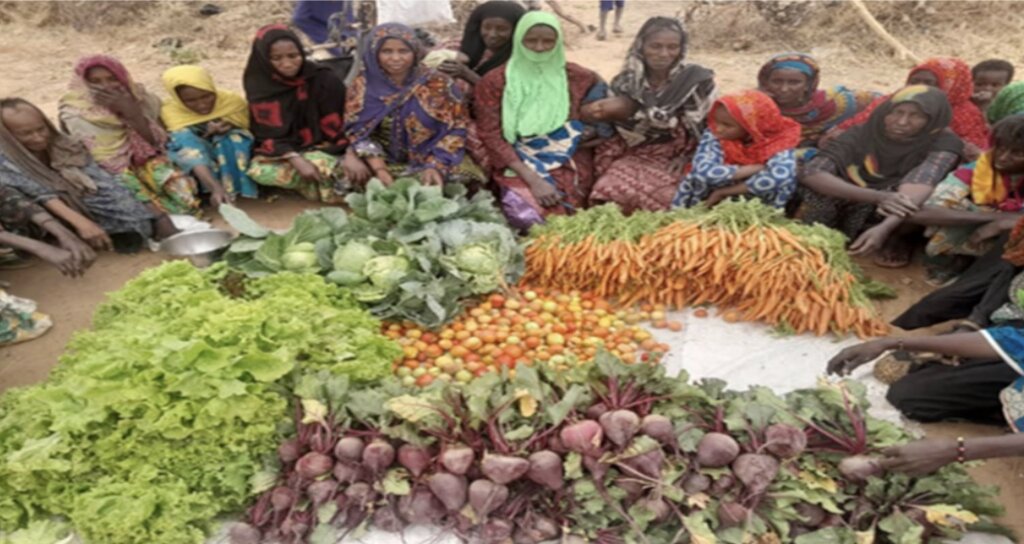
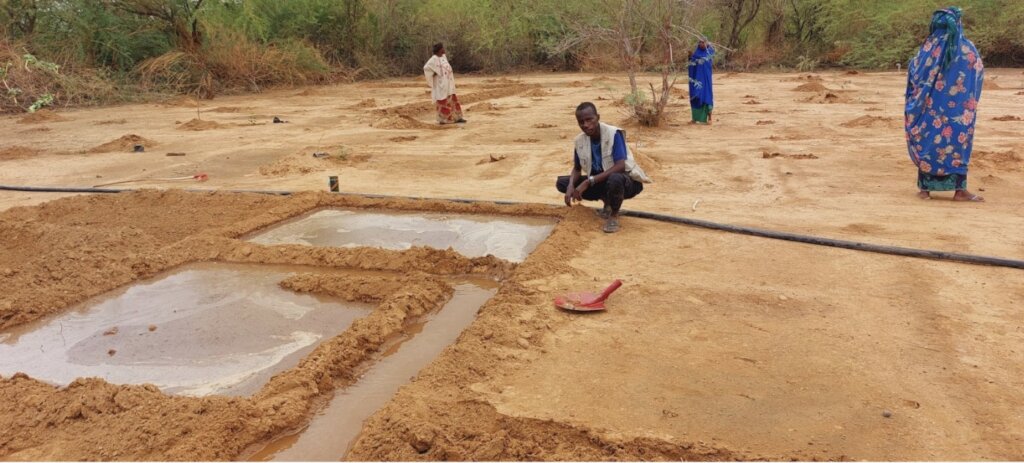
RAIN constructs community wells and expands drip-irrigated gardens, training local management committees in organic farming, soil conservation, and water management. Gardens produce diverse crops-including vegetables and fruit trees-that supply nutritious daily school lunches and household meals. Women farmers sell surplus harvests locally to generate income and cover well maintenance.
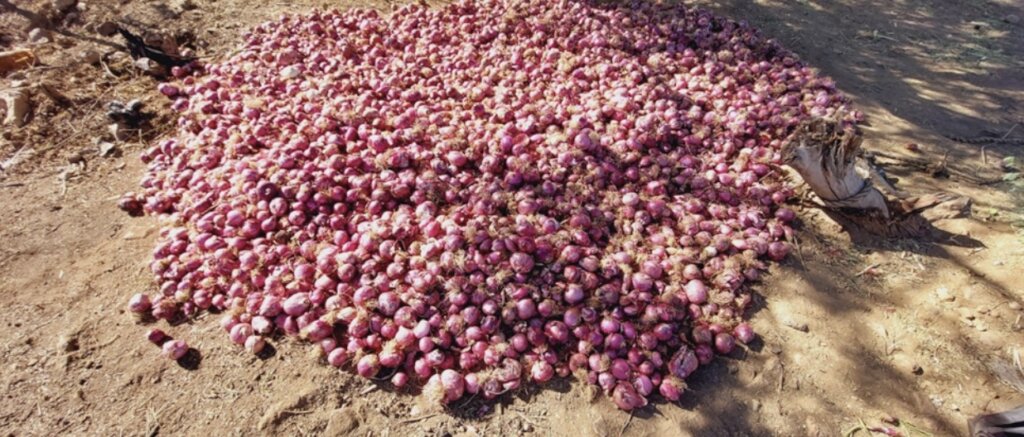
Over 4,000 community members gain year-round access to clean water, and RAIN gardens produce more than 4 metric tons of nutritious produce in 2025. Access to clean water and reliable food increases primary school attendance, improves child nutrition, and equips partner communities with the tools to withstand extreme weather shocks.


Support this important cause by creating a personalized fundraising page.
Start a Fundraiser