By Heather McKay | Executive Director
Dear Friends,
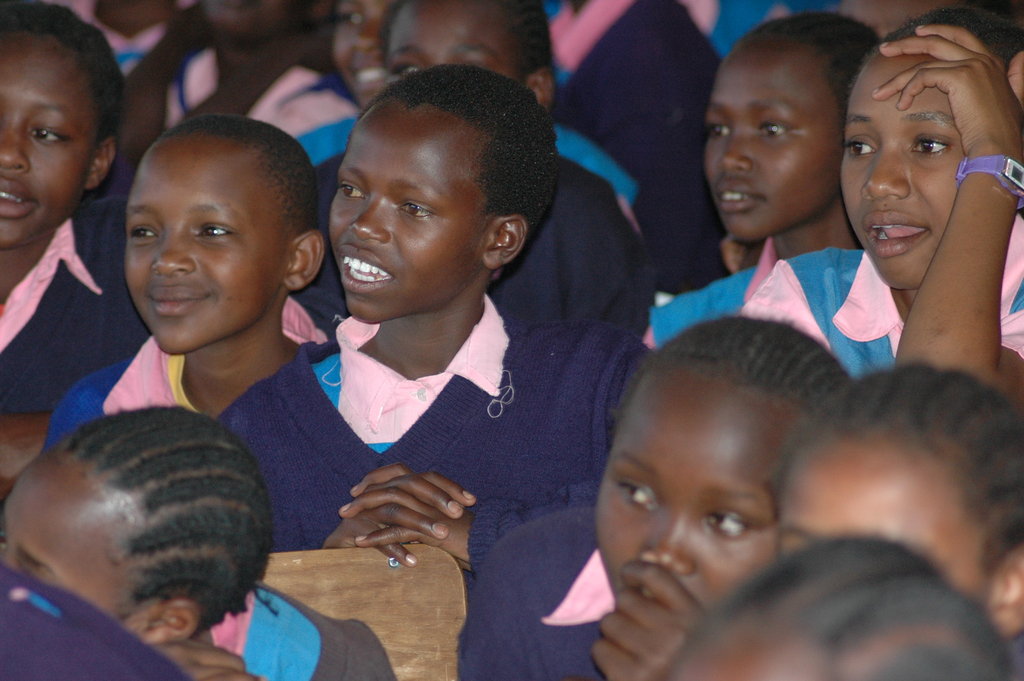
After a very celebratory end of the year, MGEF staff and students have been busy settling into 2017. While our scholarship students are focusing on the new school year, MGEF staff continue to manage, organize and implement MGEF’s Scholarship Program, Life Skills Workshops and Women’s Business Training Workshops.
Scholarship Program
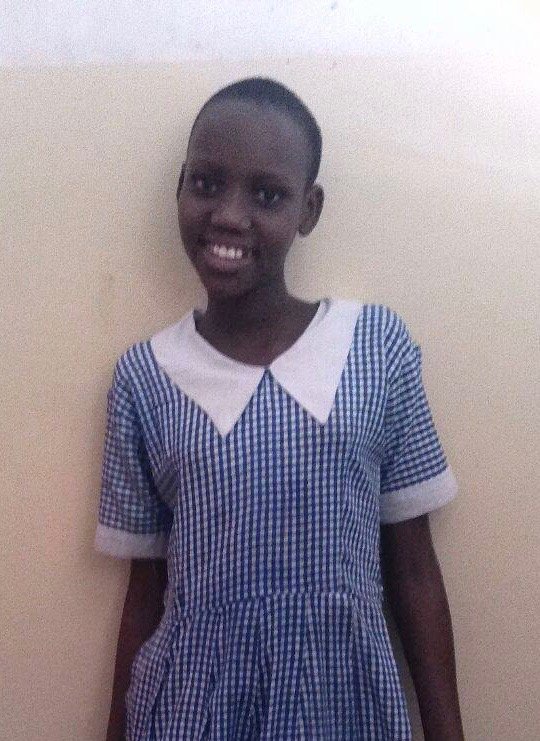
At the beginning of 2017, 12 girls (seven primary and five secondary) from various divisions of Kajiado County, were brought to us by MGEF’s local Board Members or mothers and fathers in search of rescue and assistance to attend school. Each with their own story, either of poverty or a father, uncle or brother planning to marry her off due to financial burdens. In the Maasai community, an unmarried girl is considered a financial burden to an already struggling family and the dowry of two or more cows often becomes a short-term answer.
The addition of 12 new girls brings our roster up to 127 scholarship students, 46 primary, 35 secondary, 28 post-secondary and 18 waiting acceptances to a post-secondary school to start in late spring or early fall.
During my trip to attend the mentoring workshop this past December, I held one-on-one meetings with each student to discuss their dreams and goals and how to achieve them. I was very impressed to see that our students realize that they have a say in their future and are aspiring to reach higher and higher in their goals. One secondary student wants to be a neurosurgeon, another a pilot and one little ten year old girl, who is very good in math, dreams of becoming an engineer. The students, buoyed by their recent interactions with our first doctor and soon to be lawyer, are ever more inspired to work hard and dream high.
Life Skills Workshops
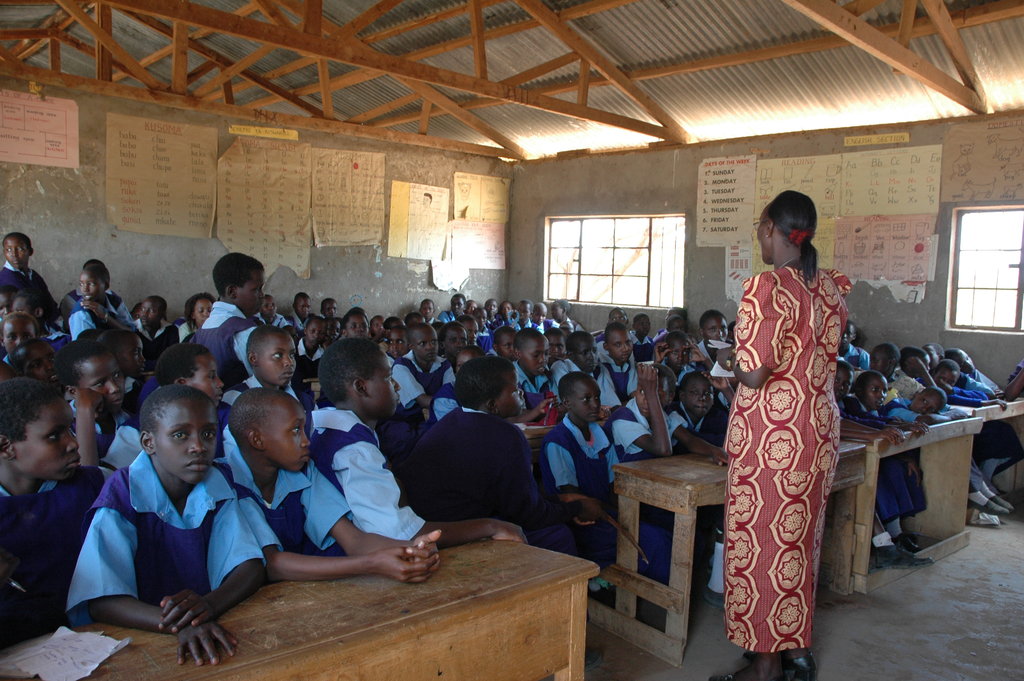
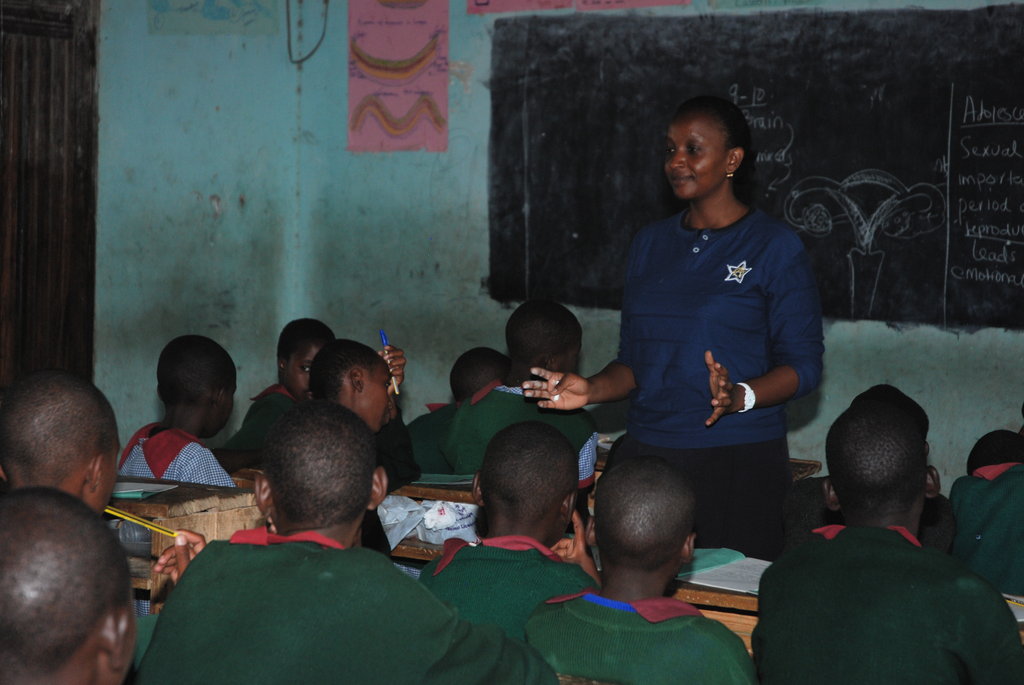
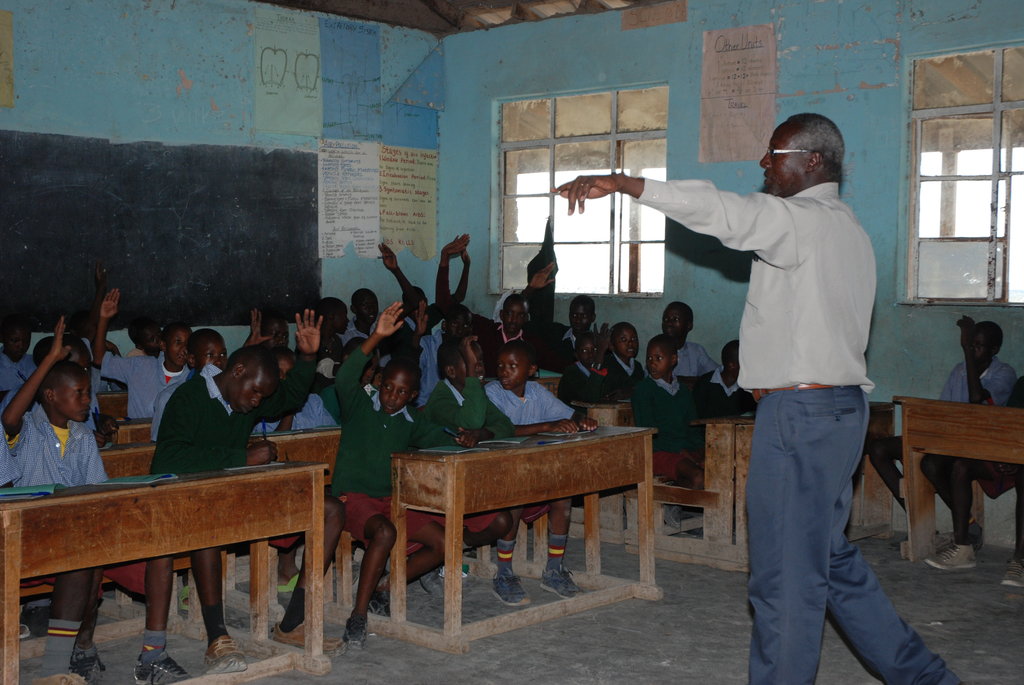
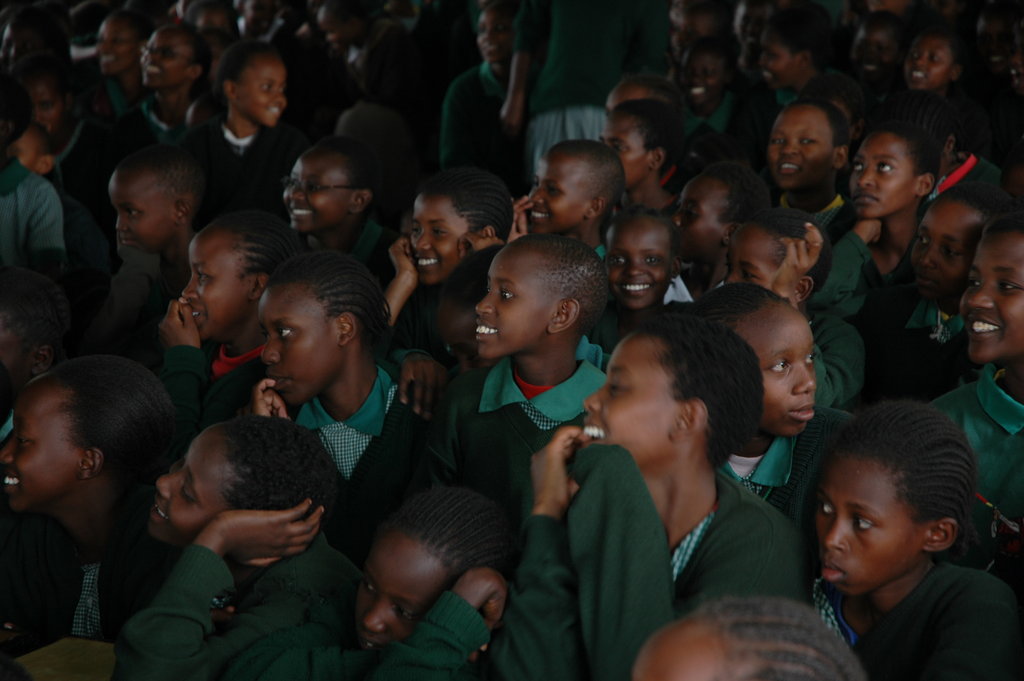
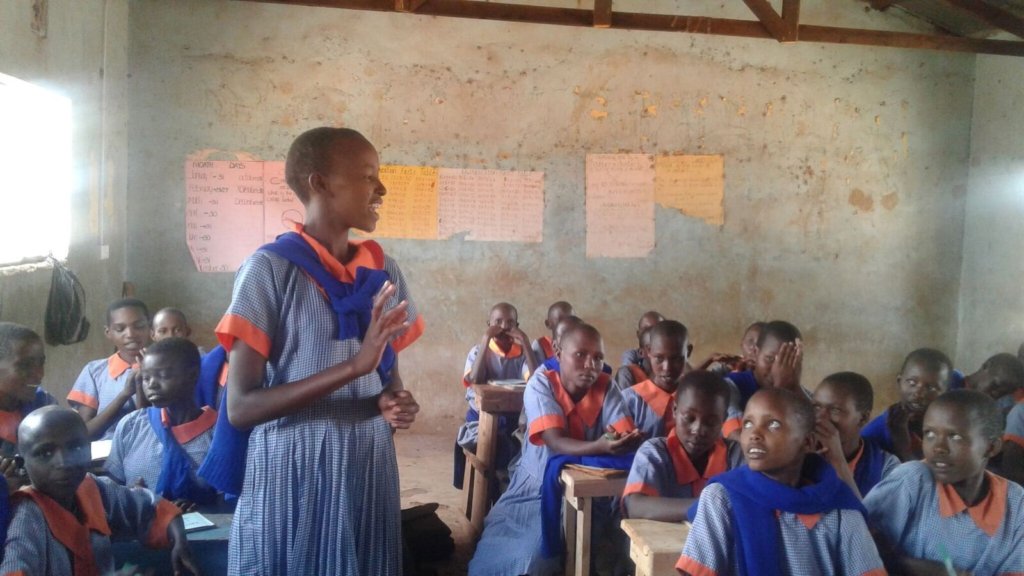
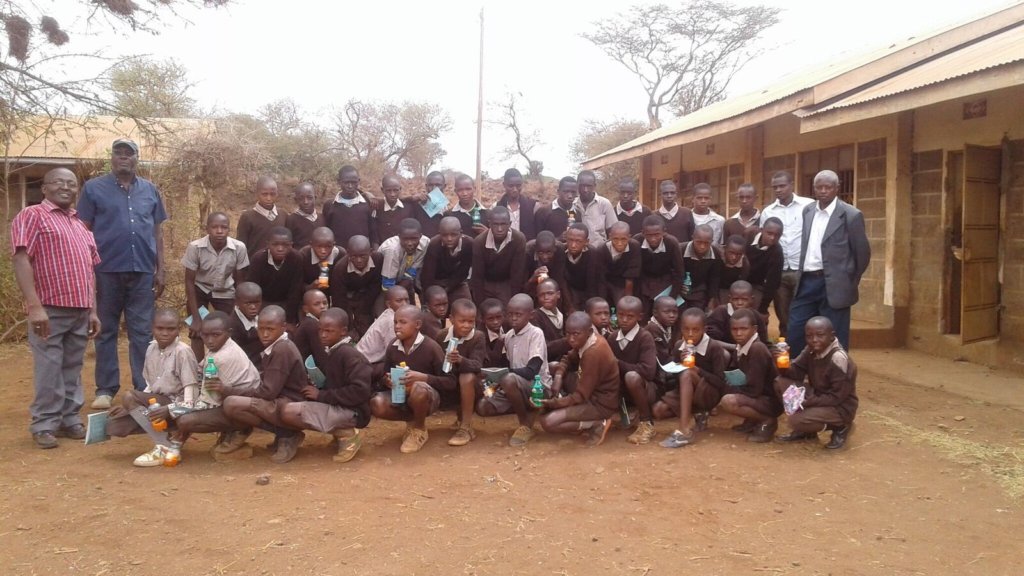
MGEF was fortunate to receive a grant to conduct 14 Life Skills Workshops (LSWs) for girl and boys and eight LSWs for elders and mothers in 2017. The LSWs for girls and boys, ages 10 and older, are held in primary schools throughout Kajiado County. These workshops are conducted at the same time at each location, but in separate classrooms. The participants are taught how pregnancy occurs, how HIV is spread, and how to prevent these outcomes. They learn about the harmful effects of female genital cutting (FGC), including increased maternal and infant mortality. Girls learn about the reproductive system, which will help them take control over their bodies and their lives. The boys’ workshops also address gender equality and their role as Maasai men to end violence against women. Workshop participants are informed about the “rights of a child” under Kenya’s Children’s Act, including the right to an education and the benefits of education, and that marriage under the age of 16 and circumcision of girls is illegal in Kenya.
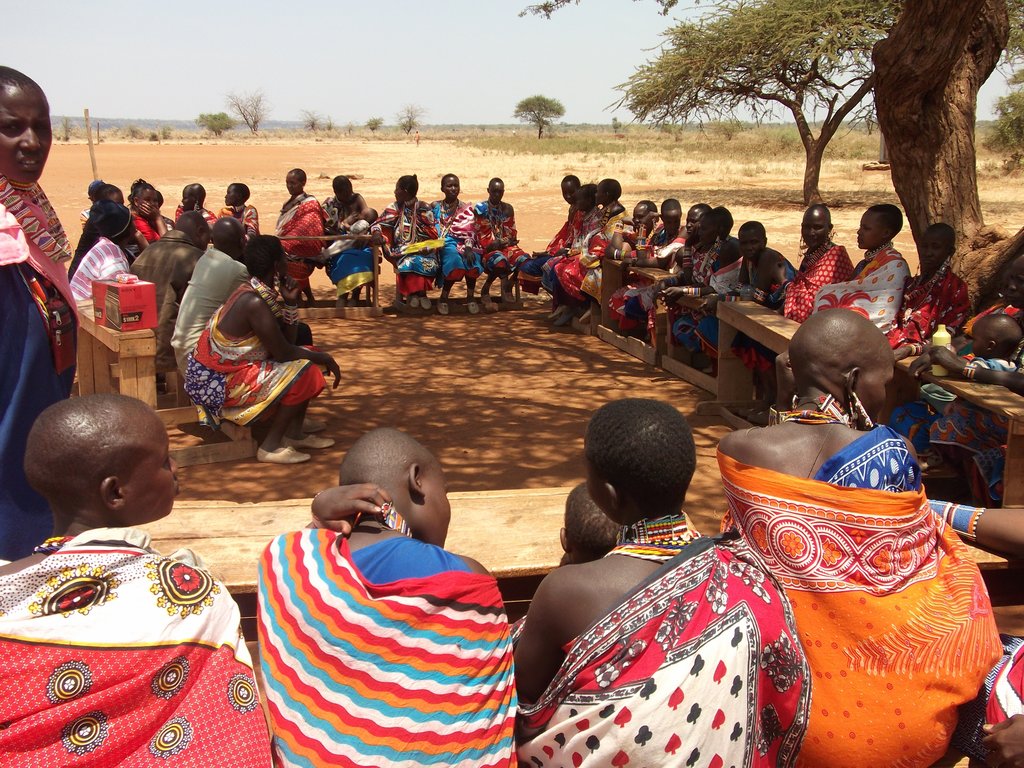
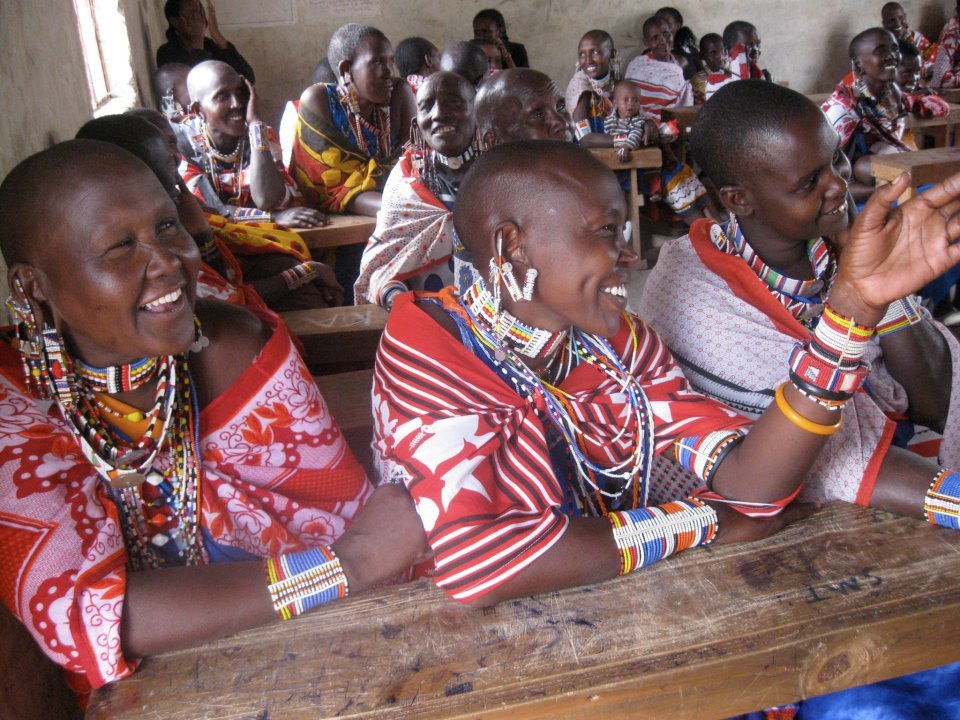
The LSWs for elders and mothers (men and women) address the same topics as those covered in the workshops for girls and boys, as well as emphasizing the greater economic benefits of educating daughters (versus the dowry received from her marriage). The workshops encourage mothers and fathers to teach sex education, and to prevent teen pregnancy and the spread of HIV by dispelling age-old beliefs. They embolden mothers to explain the facts of life to their daughters and provide supervision once they reach puberty, a new role, which is historically taboo in the Maasai culture. The workshops for men include Chiefs and elders who can be particularly influential in changing cultural attitudes in the Maasai community.
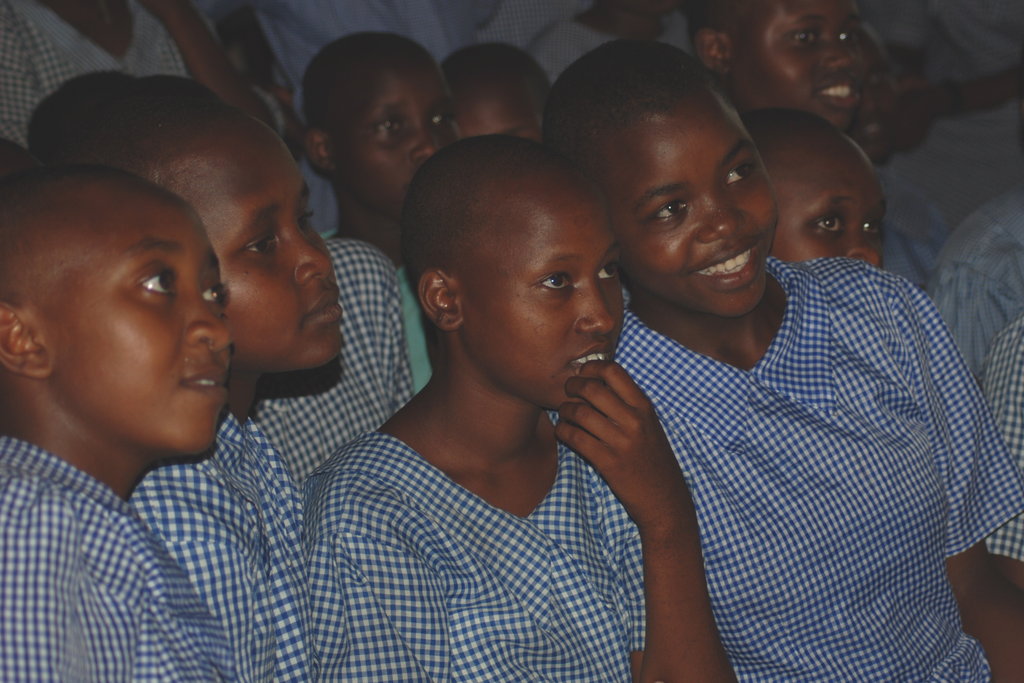
In March, MGEF staff conducted seven of the LSWs for boy and girls in the Loitokitok area of Kenya, located very near the Tanzania border. A total of 350 girls and 379 boys, who are in primary school, attended these workshops. The students are given a questionnaire at the beginning of the workshop and then another at the end to see what they have learned and to help us monitor and evaluate this program. The results were very positive. But we know a continuous effort is required because it is hard to change long-standing traditions against the education of girls amongst many cultures and the Maasai are no different. It takes consistency, patience and understanding of the culture, which is why our staff in Kajiado, who are themselves Maasai, are so vital to our success.
MGEF Women’s Business Training Workshops
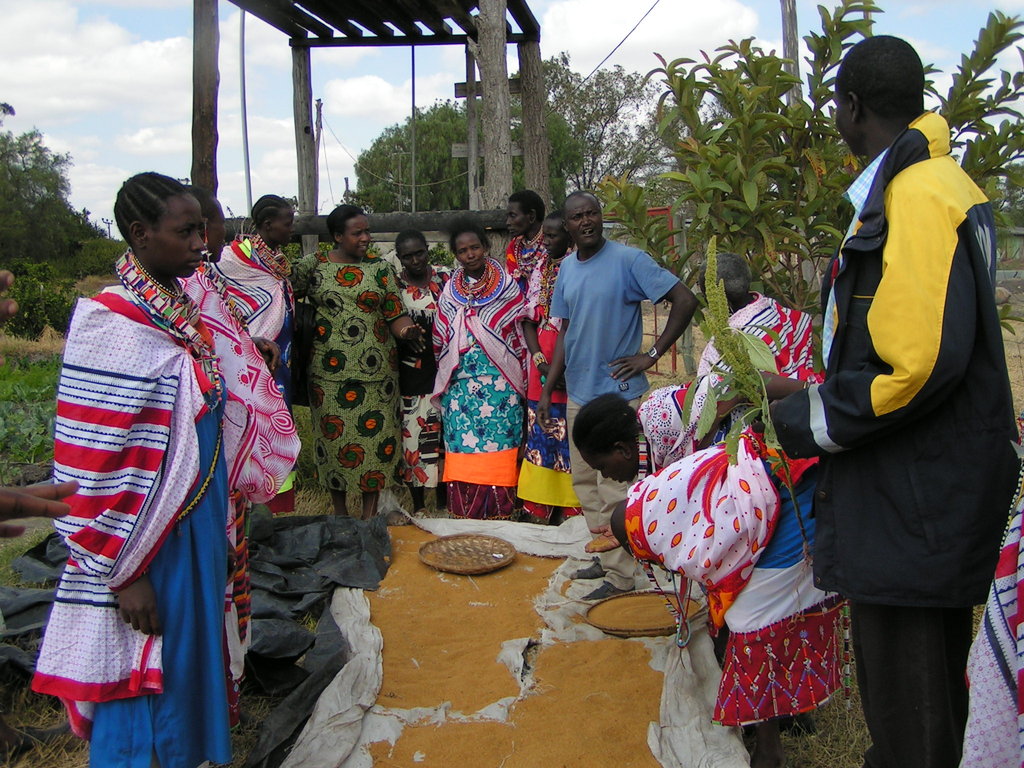
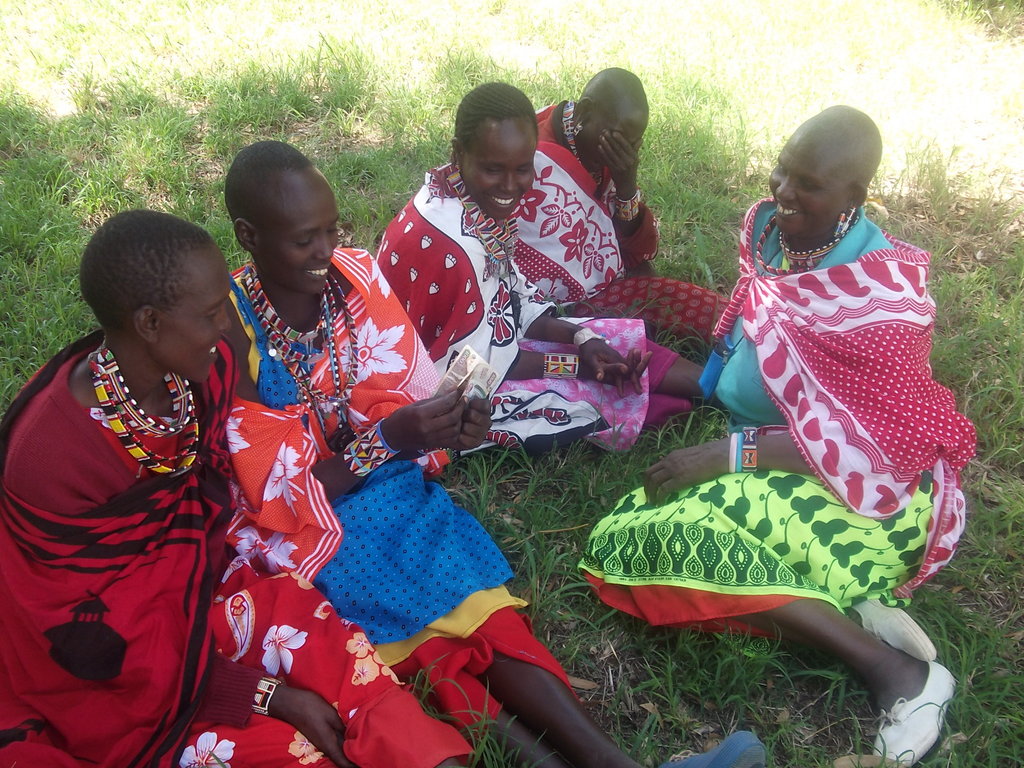
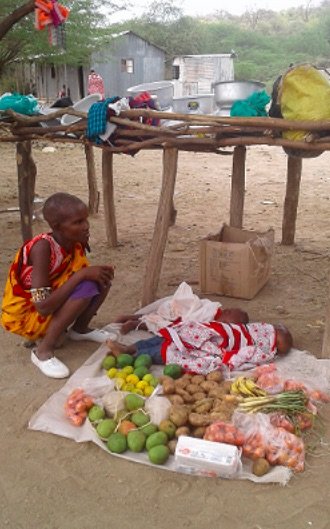
In September 2016, MGEF’s Women’s Business Training (WBT) Program enabled 30 women, our ninth cohort of participants, to work together to start six new businesses, thanks to new seed grants provided to continue this long-standing program. At the end of 2016, when participants had reached their three month mark, all of the women were still in business and able to contribute to the group’s joint savings account each month. The workshop was held in Esonorua, where a very long drought has put extreme pressures on the community. Usually these women would suffer as their husbands and sons move further away in search of water for their cattle, leaving them with very little to survive on. MGEF-Kajiado’s recent report on the Esonorua WBT states that the participants are extremely proud of the fact that they were able to feed their children and even pay some bills with money they had earned. One woman was able to pay secondary school fees for her two children. At the two-week WBT follow-up meeting with the facilitator, one woman was very distraught because her child was sick and she did not have the money to get to the hospital, which was 15 kilometers away. The other participants wanted to help but had just started their businesses and had no money. But three months later, they all were not so helpless. To the participants, this is actually an amazing dream come true, to have some financial control over their lives and the lives of their children. Margaret, Program Manager, at our MGEF Kajiado office, facilitates the WBT workshop and has scheduled the six month follow up for early April. We look forward to a positive report.
MGEF is excited to conduct its tenth WBT cohort of 30 women in the summer 2017. Since we started the WBT program in April 2013, 270 Maasai women have attended MGEFs workshops, and 249 are still active businesswomen, some after nearly four years—a 92% success rate! Our workshops increase the confidence of these Maasai women, and the businesses they start benefit not only their extended families but also the broader Maasai community.
MGEF looks forward to a very busy and successful year of scholars and workshops. We thank everyone for their support in this journey to achieve our mission to improve the literacy, health and economic well being of Maasai women and their families in Kenya through the education of girls and their communities.
With gratitude
Heather
Project reports on GlobalGiving are posted directly to globalgiving.org by Project Leaders as they are completed, generally every 3-4 months. To protect the integrity of these documents, GlobalGiving does not alter them; therefore you may find some language or formatting issues.
If you donate to this project or have donated to this project, you can receive an email when this project posts a report. You can also subscribe for reports without donating.



Support this important cause by creating a personalized fundraising page.
Start a Fundraiser