By Heather McKay | Executive Director
Dear Friends,
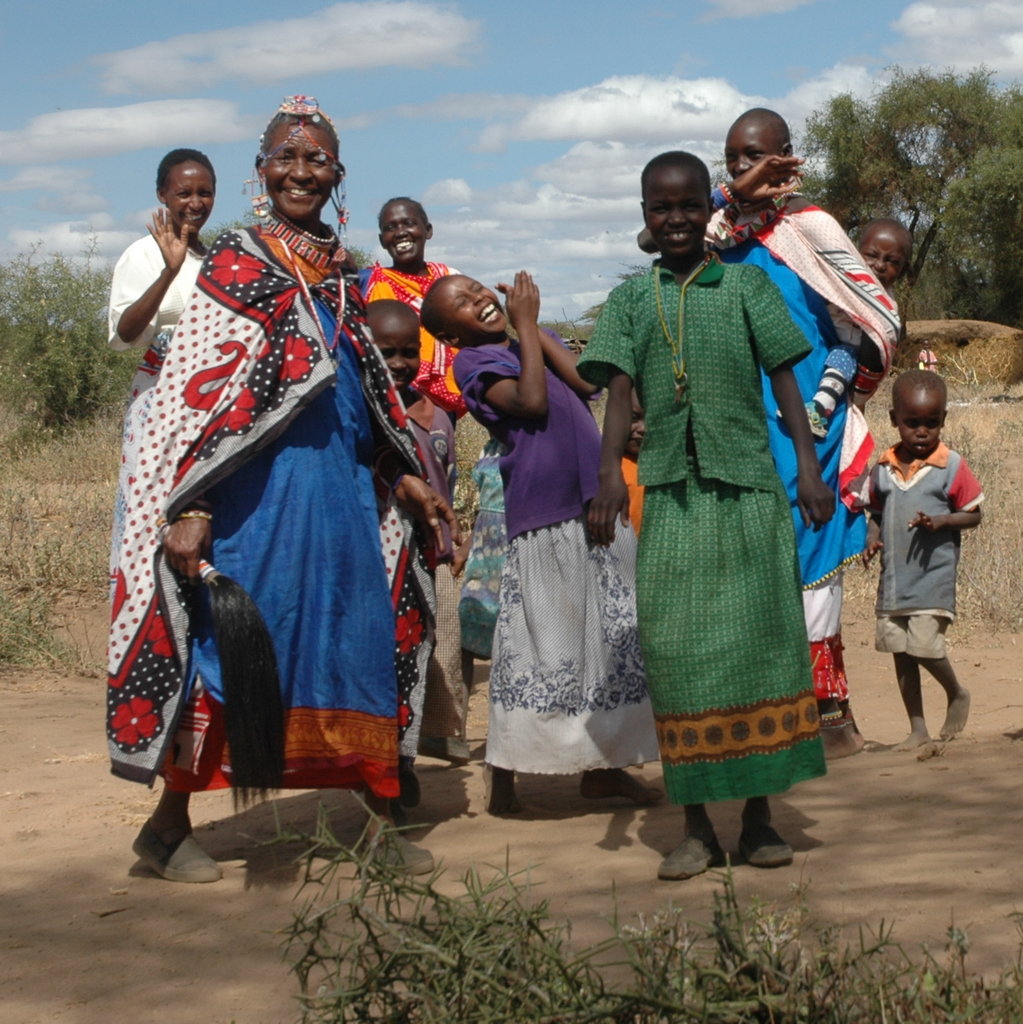
In the middle of August this year, Chief Felix was driving along a very dusty rural dirt road, when he saw a little girl tending to a few goats on the side of the road. His first thought was, “it’s a school day, she should be in school.” He decided to stop the car and speak with her. Her name was Blessing, and she was 10 years old. She came from a family of six children, of which only two had attended school (and only the first grade). Chief Felix decided to visit Blessing’s home to find out why the children were not attending school, and found that both of her parents were illiterate and did not see the value of an education. The family struggled to put food on the table, and the job of attending the goats had been given to Blessing. Blessing told Chief Felix that she wanted to attend school like all the other children in their small village.
The chief is a friend of MGEF and, in fact, his family has donated 3 acres of land to us. He informed Lucy, Managing Director of the MGEF-Kajiado office in Kenya, about Blessing’s plight. After performing a home visit (which is standard for all of our applicants to ensure all our scholarships go to girls in real need of assistance), MGEF decided to award Blessing a scholarship for Term 3, which started just a couple of weeks later. At the end of August 2025, Blessing walked into a classroom for the first time in her life and began her academic journey. It will not be an easy one, as she only speaks Maa (the traditional language of the Maasai) and the school will be speaking in Swahili and English. Blessing is so excited to start learning and happy to be like the other children.
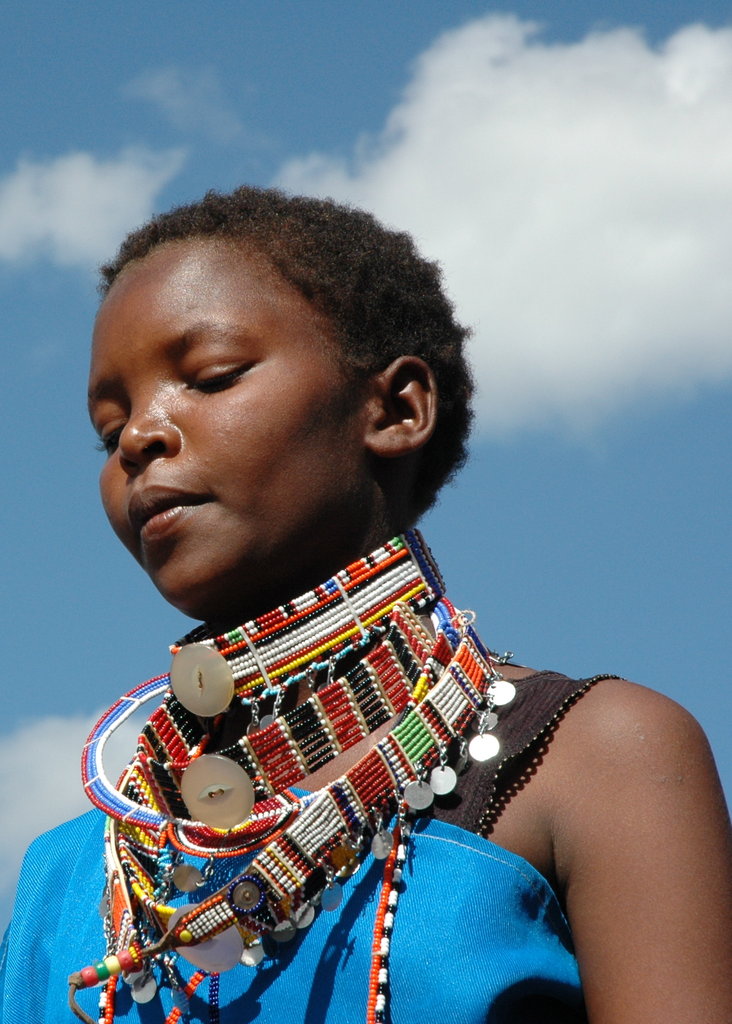
Blessing is an example of exactly why MGEF was started 25 years ago by our founder, Barbara Lee Shaw: to give a young Maasai girl the opportunity to take control of her life, for her own well-being and for the benefit of her local community, all made possible through education.
Scholarship Program
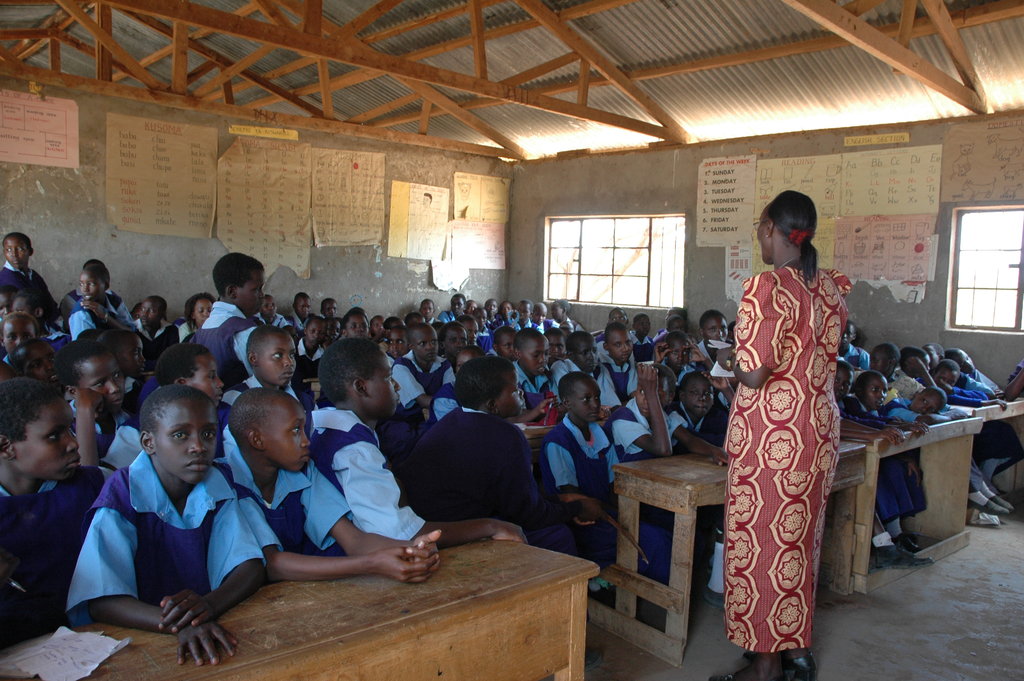
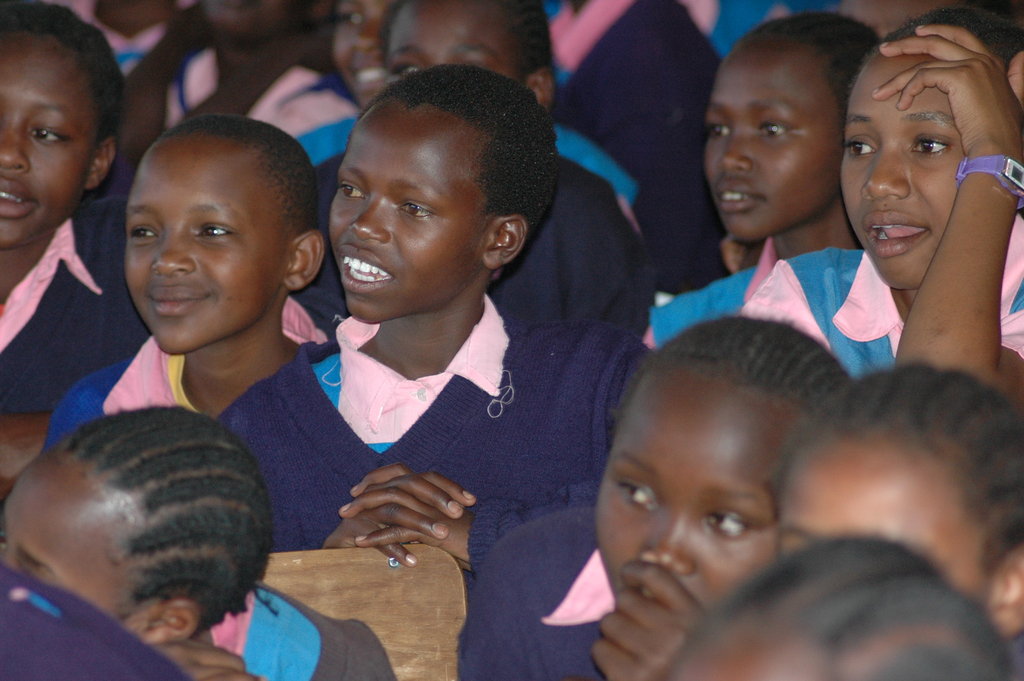
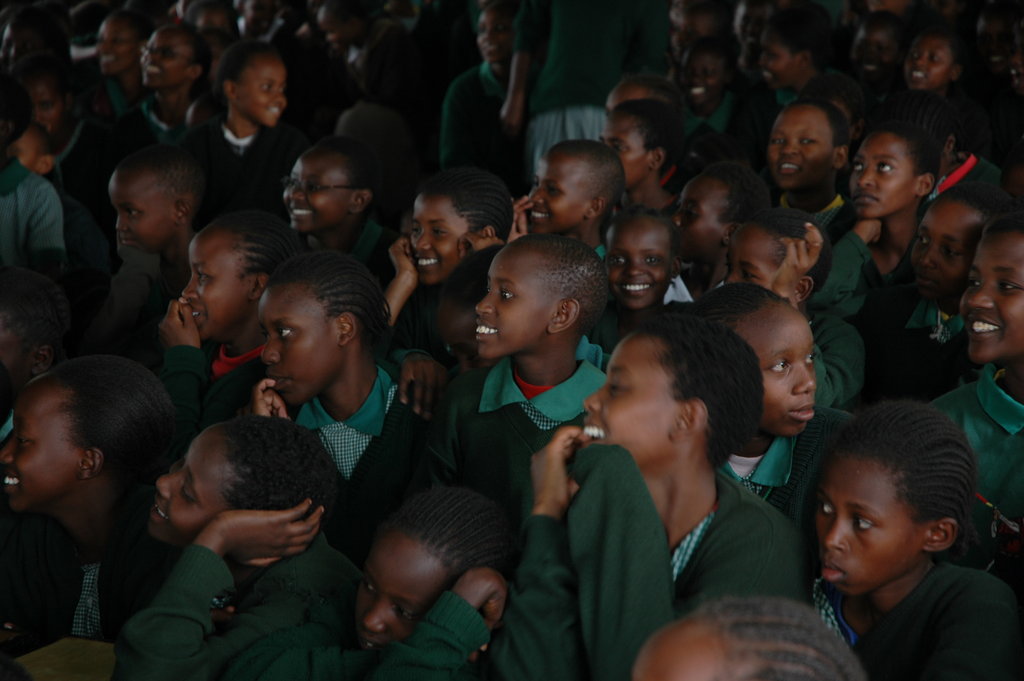
MGEF was busy in August; in addition to getting Blessing enrolled in school, MGEF has a total of 173 active students – 25 primary, 26 junior secondary, 59 secondary, 3 vocational, an unprecedented 57 post-secondary and 3 pending post-secondary applying to schools, who were all returning for Term 3.
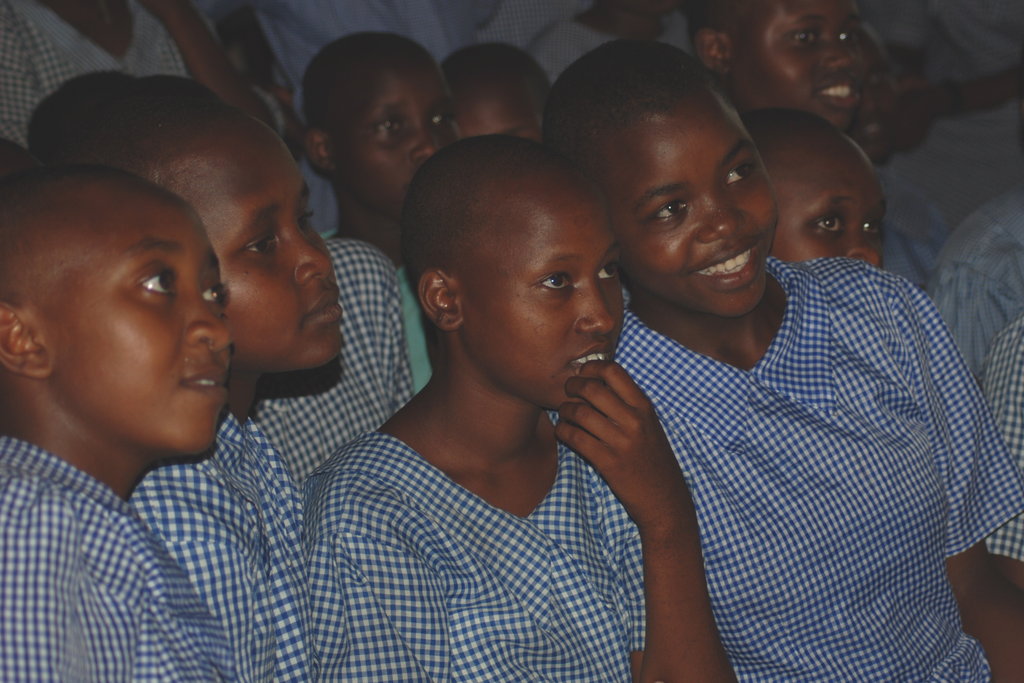
At the end of Term 3, we will be celebrating 15 new high school graduates and 11 students graduating from Junior secondary and heading into high school. We are very proud of the accomplishments of each student; whether they are graduating first grade or receiving their degree, all are setting a trail for other girls in their communities.
Women’s Business Training (WBT)
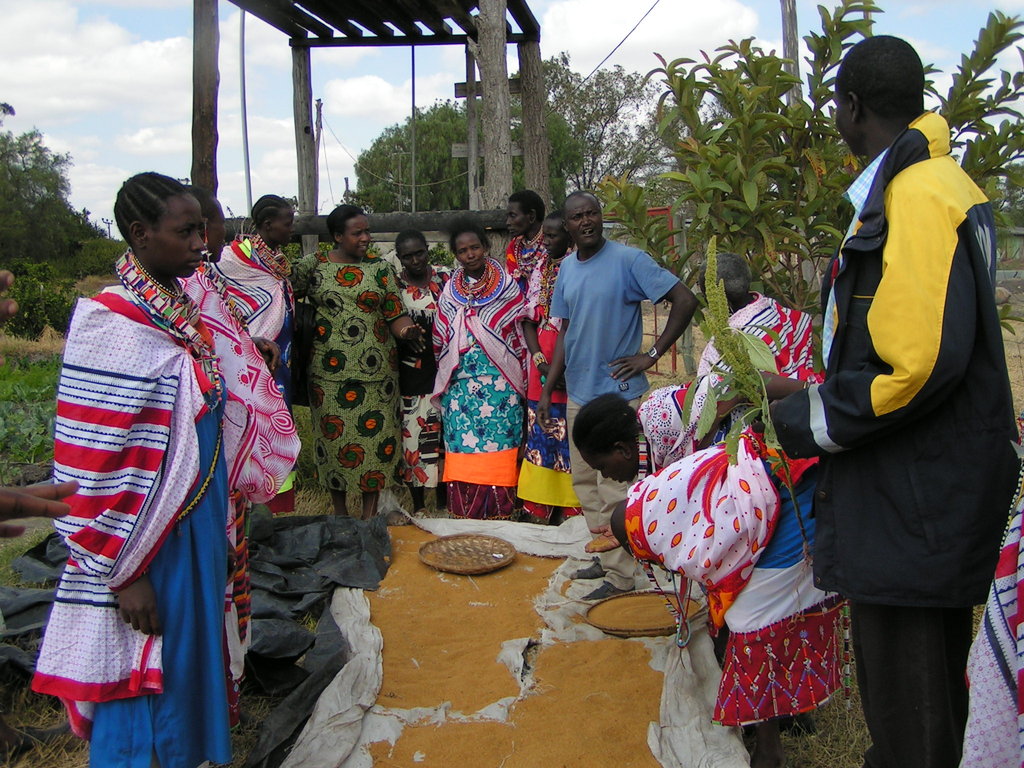
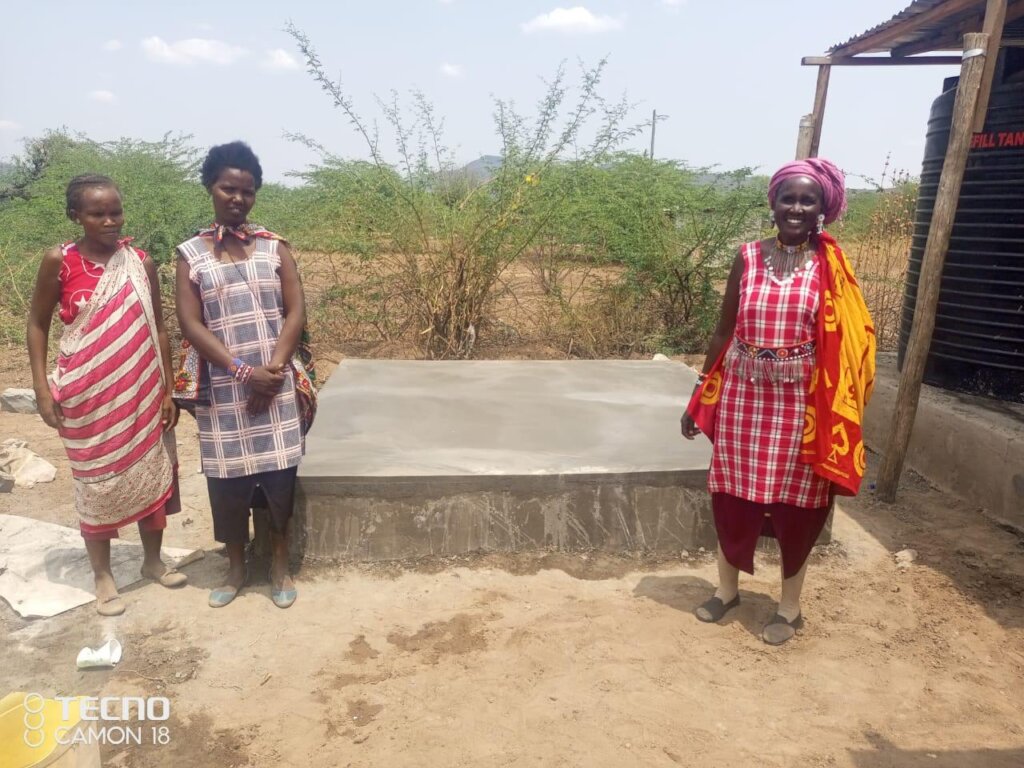
Last February, MGEF helped one of our WBT cohorts to construct a platform and purchase two water tanks to start a new business. This was a much-needed commodity for the area, as it suffers from severe drought. They were donated a third tank last May by the governor of Kajiado, though they needed to build the platform for the tank. MGEF helped them with the cost of the platform, and they are now in full operation and thriving.
Life Skills Workshop (LSW)
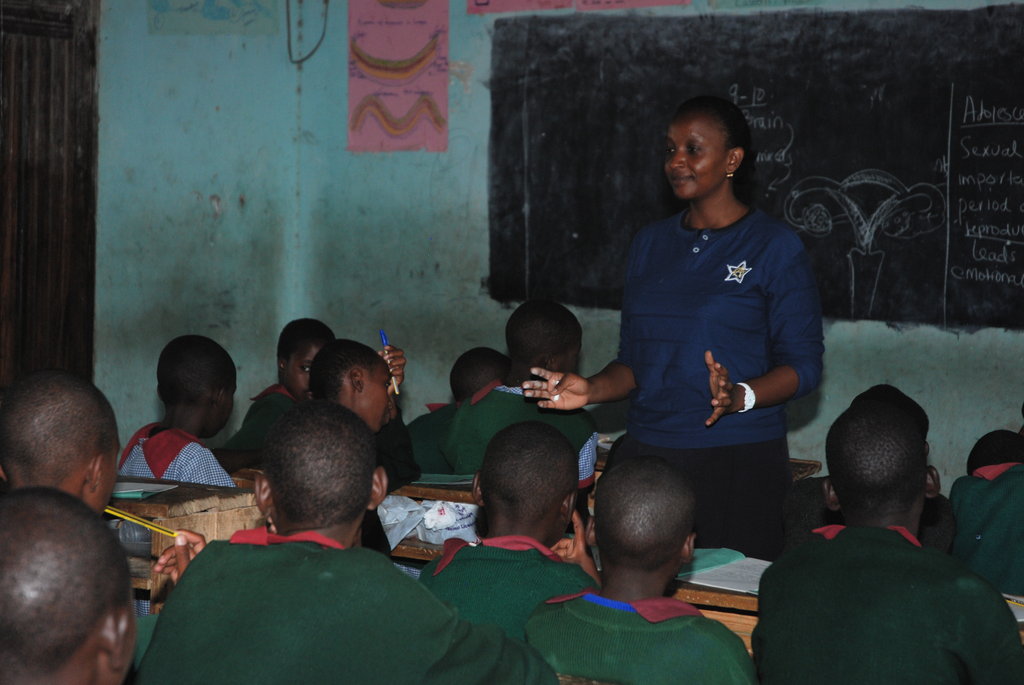
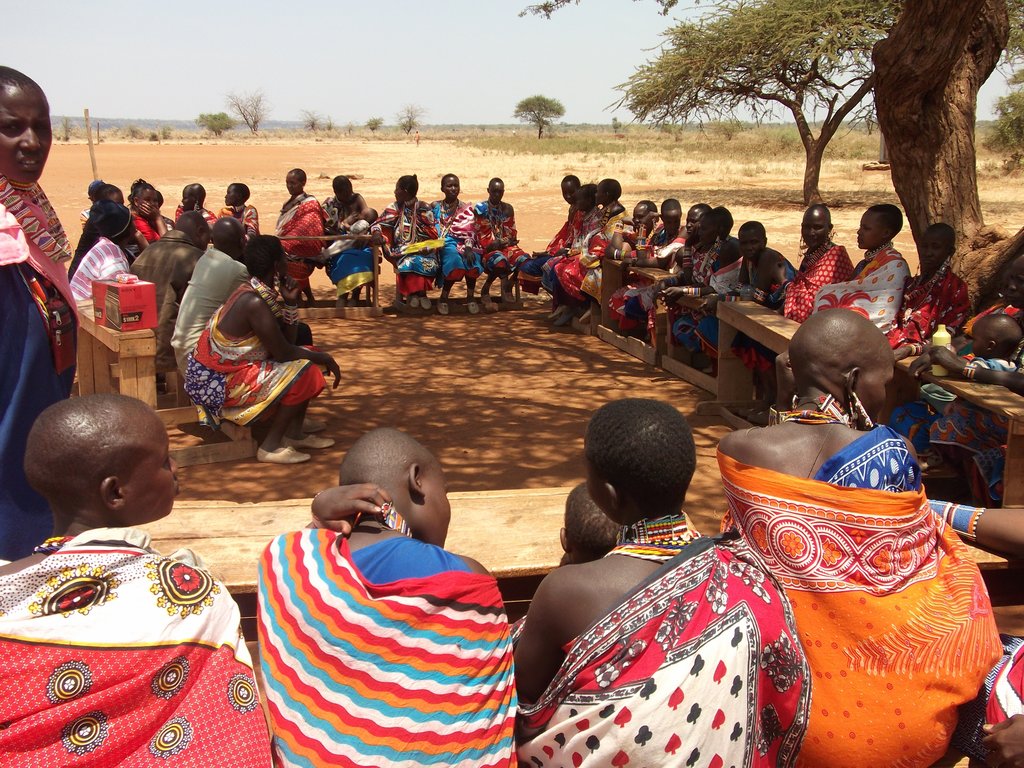
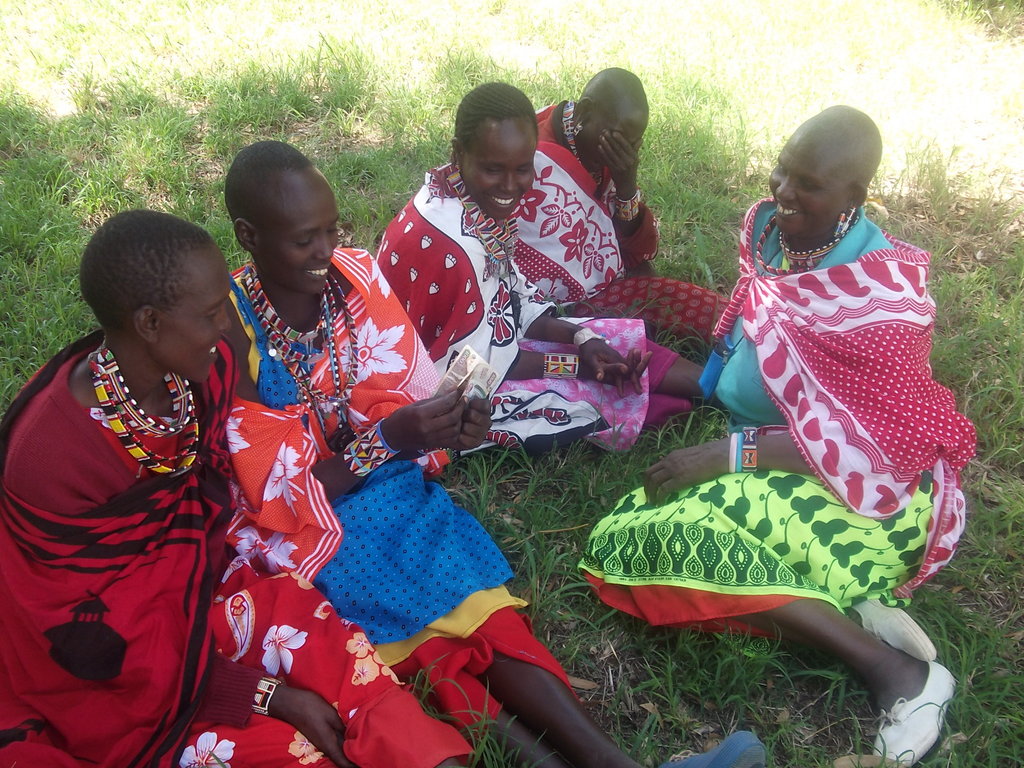
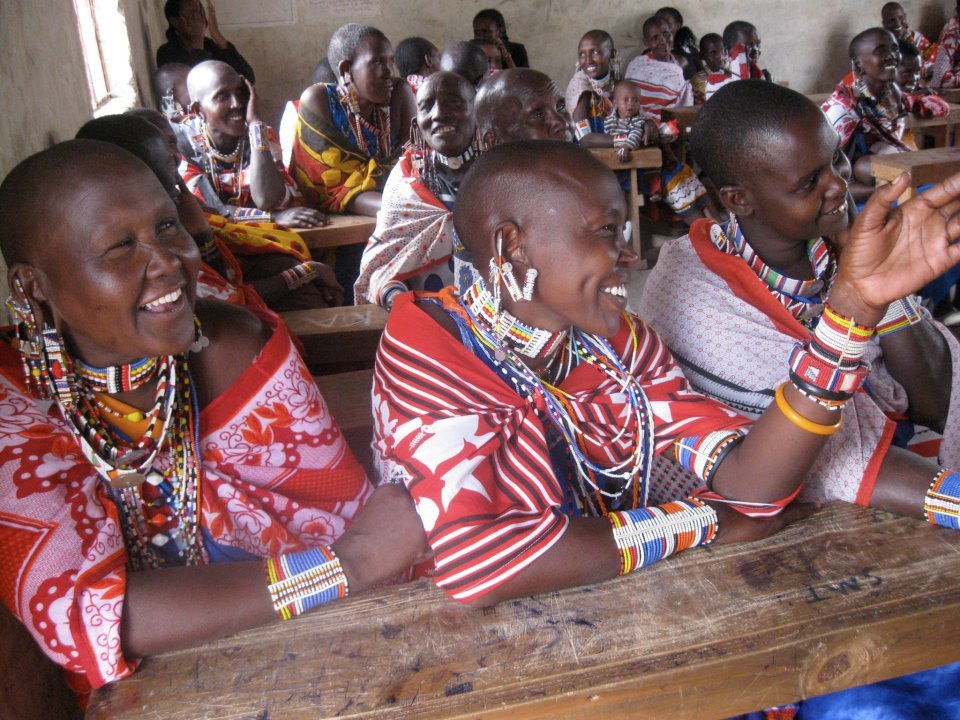
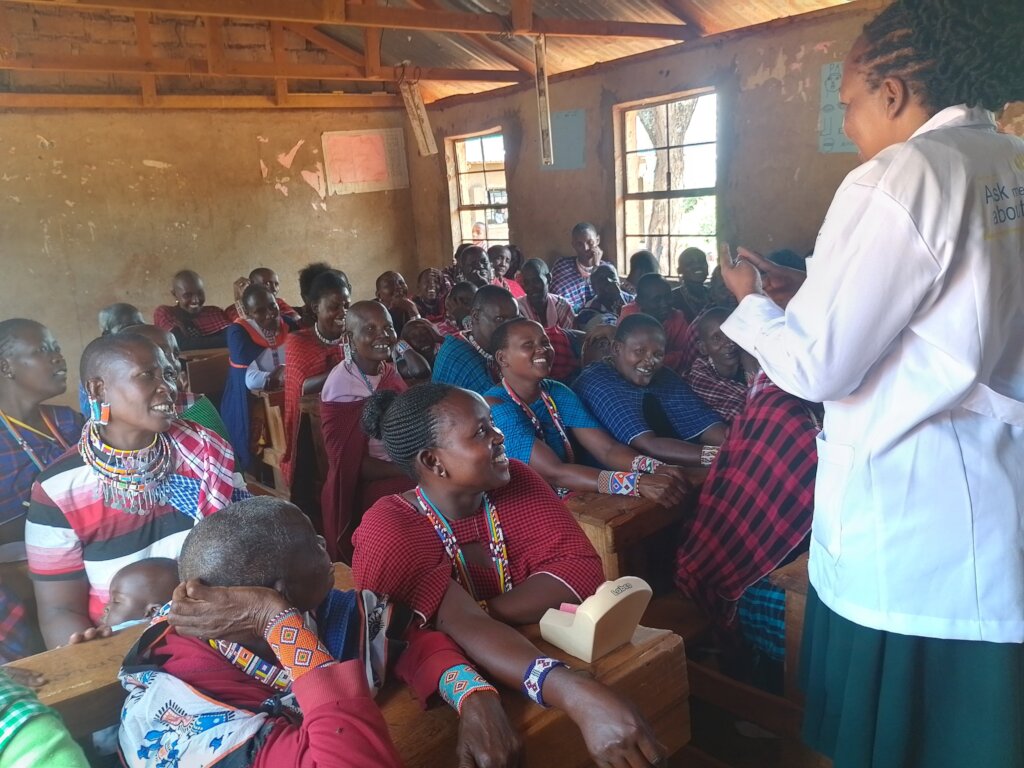
MGEF was fortunate to be able to hold seven LSWs for adults since our last update. The workshops were well attended. The women and men are split up in order to discuss topics they might not otherwise feel comfortable talking about. On the women’s side, there was much discussion about being involved with their daughters when adolescence begins. This is not the custom in their culture: in Maasailand, once the girl has her period, she is considered a woman and no longer a child in need of guidance. The mothers were encouraged to help their daughters navigate both the physical and mental changes they are going through. The discussion also included the topics of preventing teen pregnancy, female genital cutting, HIV and early marriage. They were also encouraged to be involved with their children’s education and school. The importance of protecting their land was also discussed. Since 2013, wives are required to sign deeds of sale of the property, now they must become more involved in the decision.
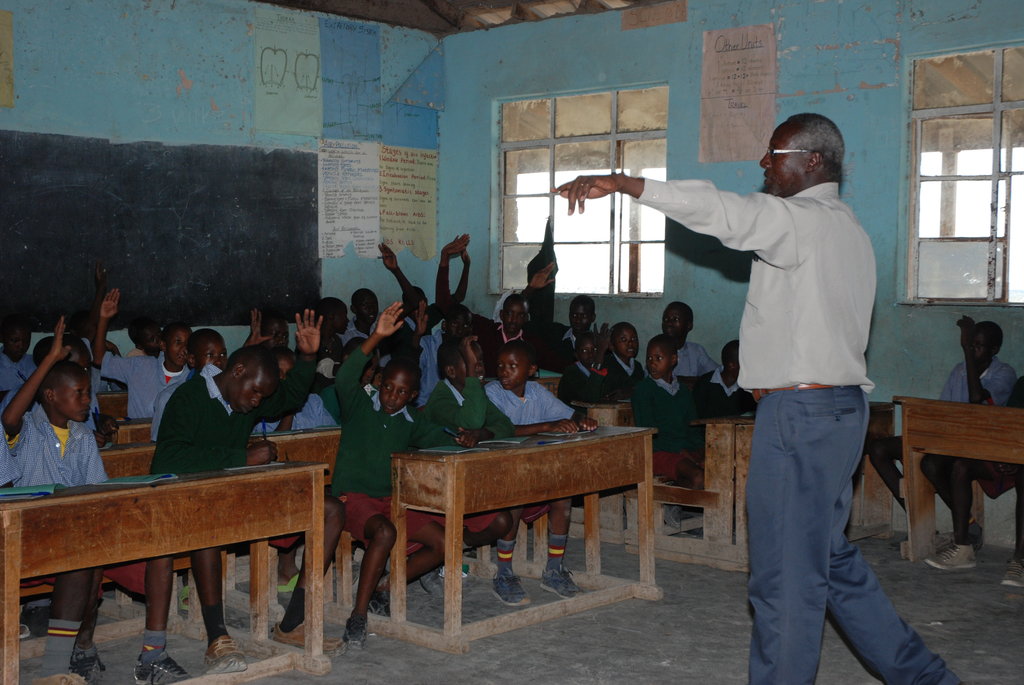
On the men’s side, particular emphasis was placed on the importance of an education. This included topics of available assistance as well as the traditions that prevent children – and especially girls – from attending school. The facilitator also went through the rights of a child including education, health, and the right to be protected from violence and child abuse. There has been progress in all of these areas, but still there is much work to do.
At the end of the separate sessions, the men and women get together to further discuss topics. These discussions can often become a little lively. The issue of the rights of children – such as early marriage and education – were discussed at length. At one workshop, the facilitator used the example of one of our students, who was from the area. She was about to graduate high school, and her father married her off against her will. MGEF was asked to get involved so she could return to school. Going through the correct law enforcement channels, she was able to leave the unwanted marriage and return to school. Now that she has a degree, she has become a productive and important part of her community. With their independence, these young women are changing oppressive old traditions. Their families and communities see that with an education, their value is immeasurable, and certainly far surpasses that of a dowry.
The discussions at all seven workshops ended with how to move forward and change the traditions and issues that will help the Maasai community thrive. One of the answers is the education of all of their children.
We could not do what we do without the support of all of you. Thank you for helping these girls and young women reach their dreams.
Project reports on GlobalGiving are posted directly to globalgiving.org by Project Leaders as they are completed, generally every 3-4 months. To protect the integrity of these documents, GlobalGiving does not alter them; therefore you may find some language or formatting issues.
If you donate to this project or have donated to this project, you can receive an email when this project posts a report. You can also subscribe for reports without donating.



Support this important cause by creating a personalized fundraising page.
Start a Fundraiser