By Heather McKay | Executive Director
Dear friends,
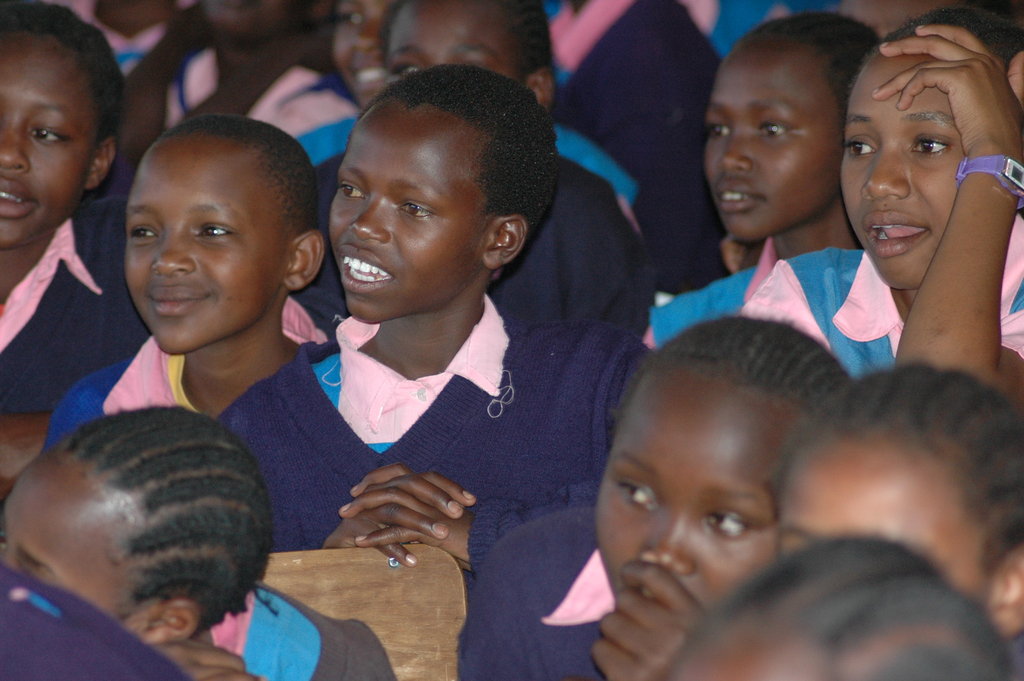
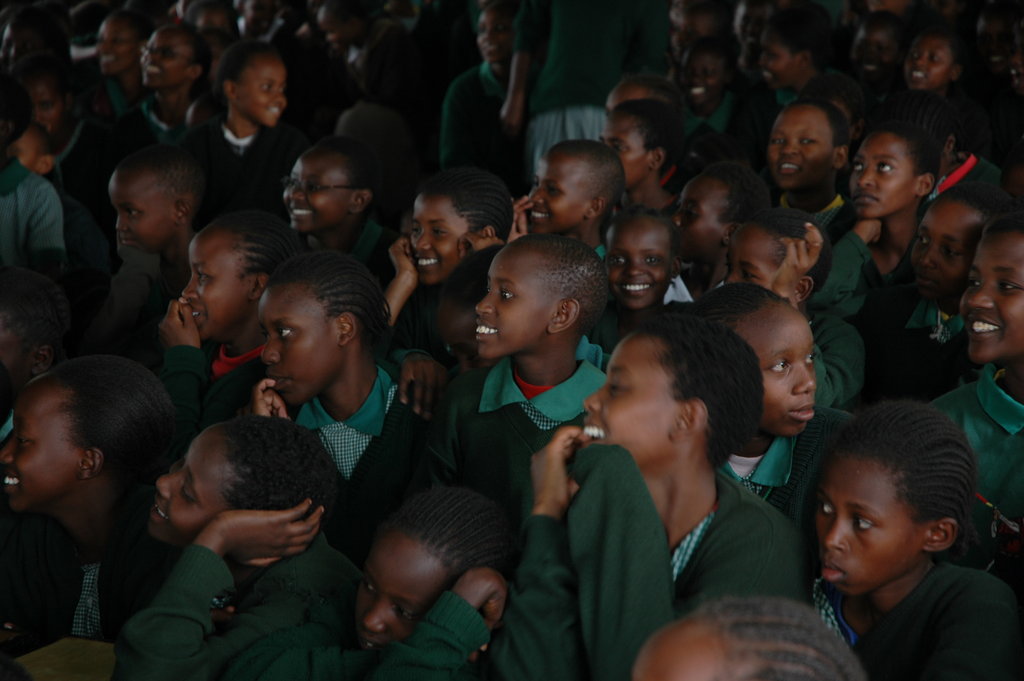
MGEF’s students returned to school for Term 3 at the beginning of September. This is the last term of the school year. The students will start their winter break at the end of October. The very long winter break (just over 2 months) is a time when the staff and alumnae must be diligent and keep in touch with students, because when the girls are home, old beliefs and traditions that can harm them often come into play.
Mentoring Workshop and Annual Parent Meeting
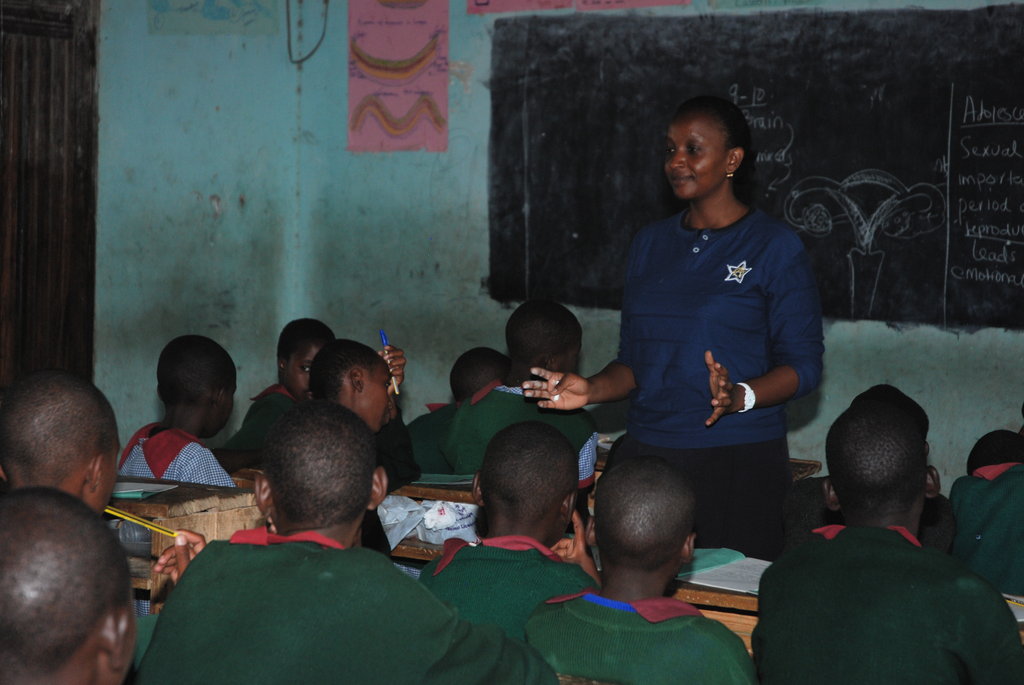
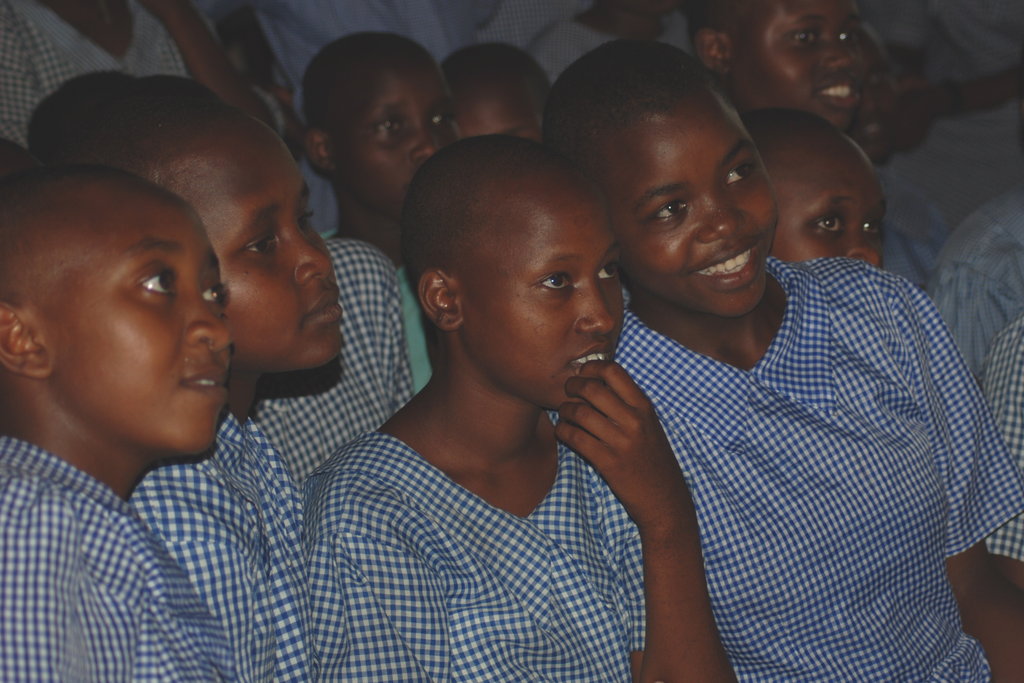
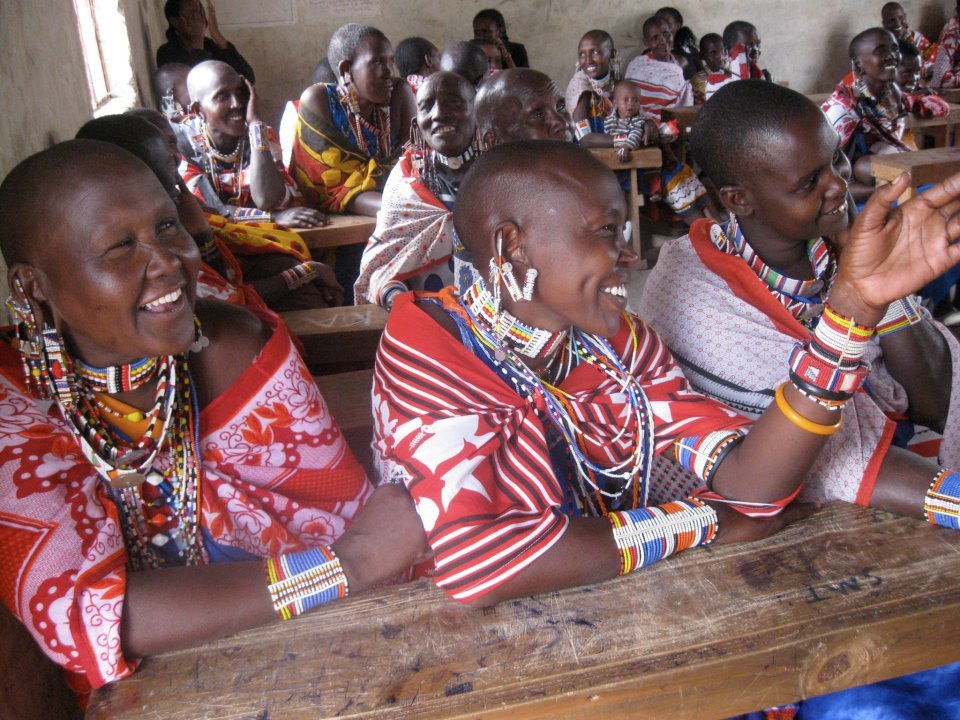
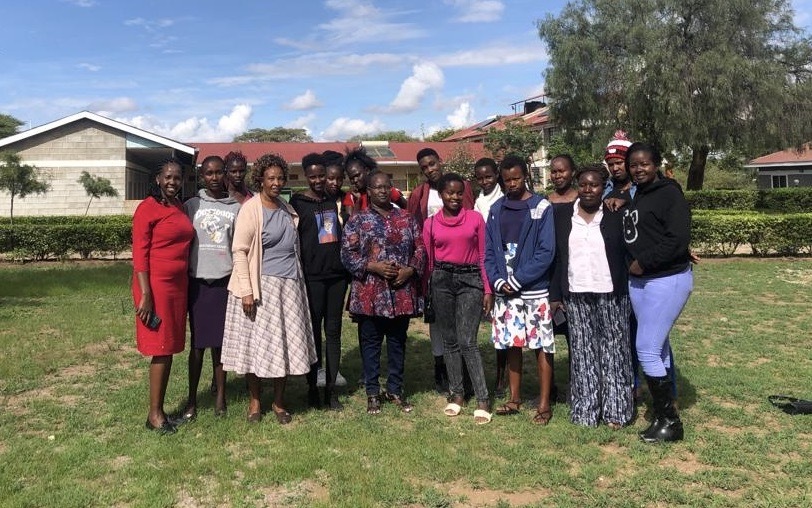
The risks our students can face at home is one impetus for our annual Mentoring Workshop and Annual Parent Meeting. Both of these meetings are held in the middle of the winter break to remind the students and their parents to keep focused on their goal of an education. MGEF’s Mentoring Workshop and Annual Parent Meeting are now facilitated completely by our own alumnae. A wide range of topics are discussed such as how to stick to your goals in school, protect yourself from forced marriage and female genital cutting, and promote personal hygiene and health. This is a safe place for every student to ask questions and know she will receive an educated answer with no judgement. Now that MGEF has graduates in many different professions, the younger students are also able to have one-on-one discussions with their older MGEF sisters about their chosen careers and what they actually involve.
This year, our Mentoring Workshop will also include one day devoted to medical education and screening. This day of mentoring was instituted last year by MGEF’s alumna physician, Doctor Gloria. Gloria facilitates the event with the help of many other MGEF alumnae who are nurses. Once again, this is a place where the students often open up about medical issues they are too embarrassed or afraid to tell others about.
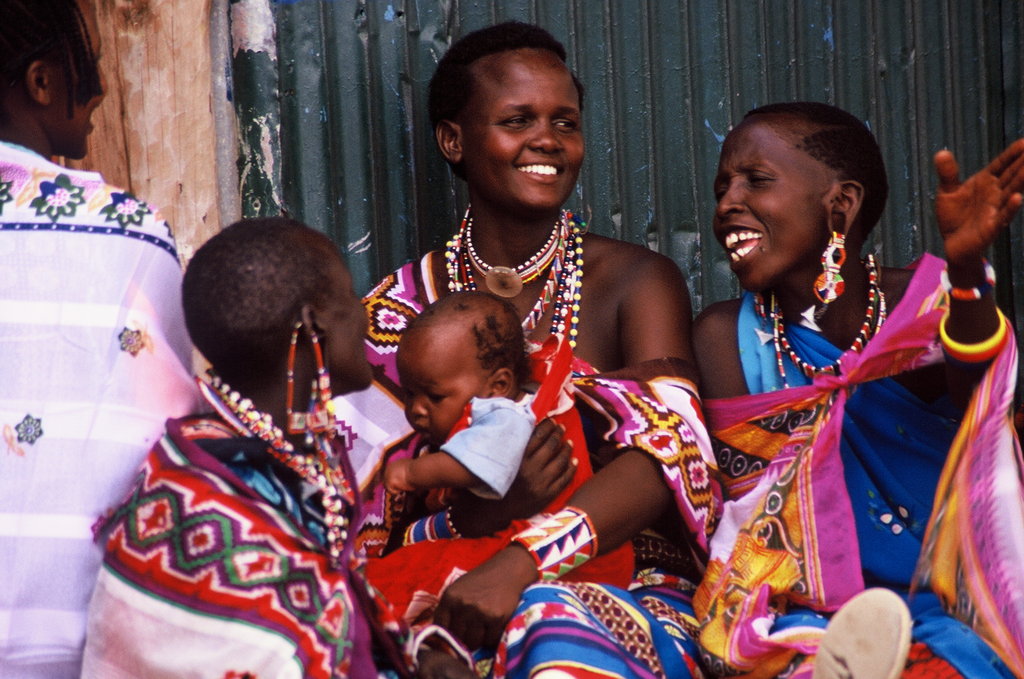
The Annual Parent Meeting takes place immediately after the Mentoring Workshop (on the third day). Parents and families of the students come for lunch to celebrate graduations. At this event, MGEF staff and alumnae hear directly from the parents about issues they are facing in their communities. Every year, the attendees look forward to this event and the sisterhood, celebrations and discussions focused on their Maasai girls.
Scholarships
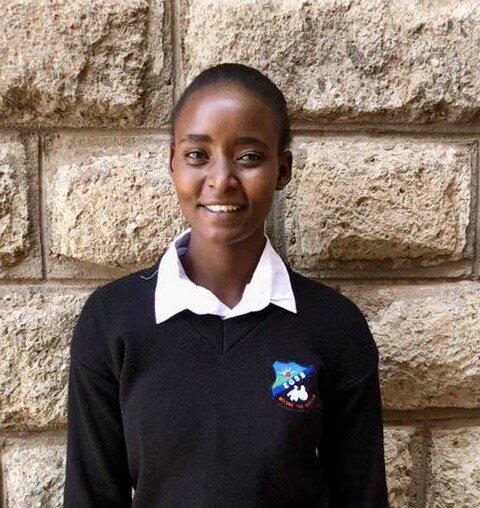
MGEF started Term 3 with a large roster of 151 students – 42 primary and 51 secondary, 2 vocational, 53 post-secondary and 3 pending post-secondary who are waiting for acceptance to institutions of higher learning. After MGEF’s 2nd Annual Career Day workshop last May, an unprecedented number of secondary school graduates,12 out of 15, were accepted to various post-secondary schools and were in class by September. On Career Day, the secondary school students get help from MGEF alumnae and MGEF-Kajiado staff to pick a career based not only on their passions, but also their strengths academically. Then they are assisted in choosing the schools to apply to and the application process.
Life Skills Workshops
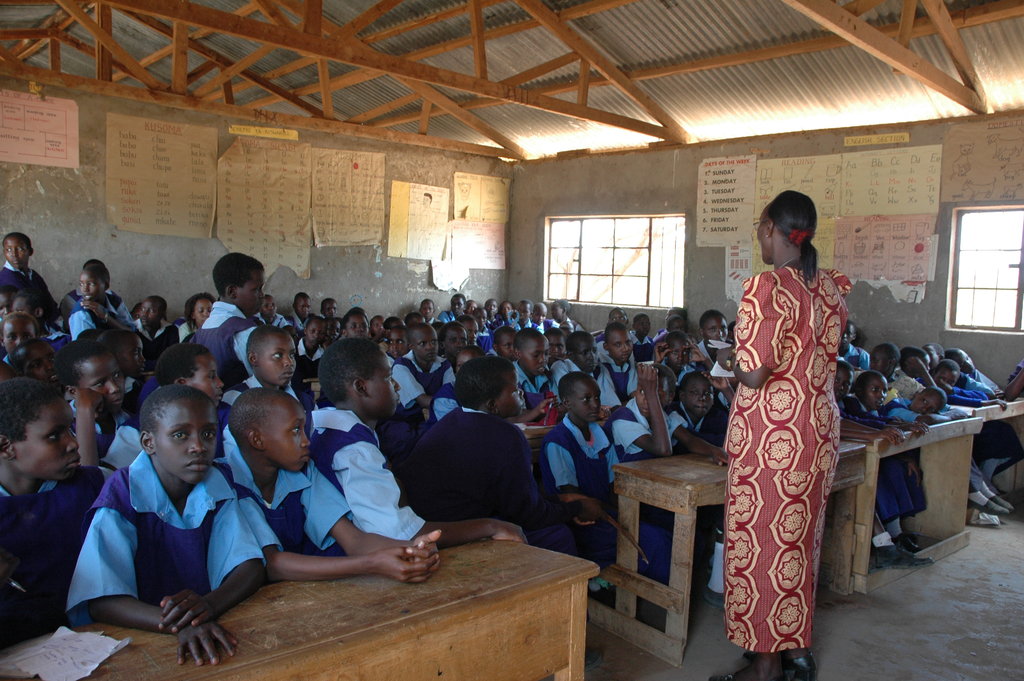
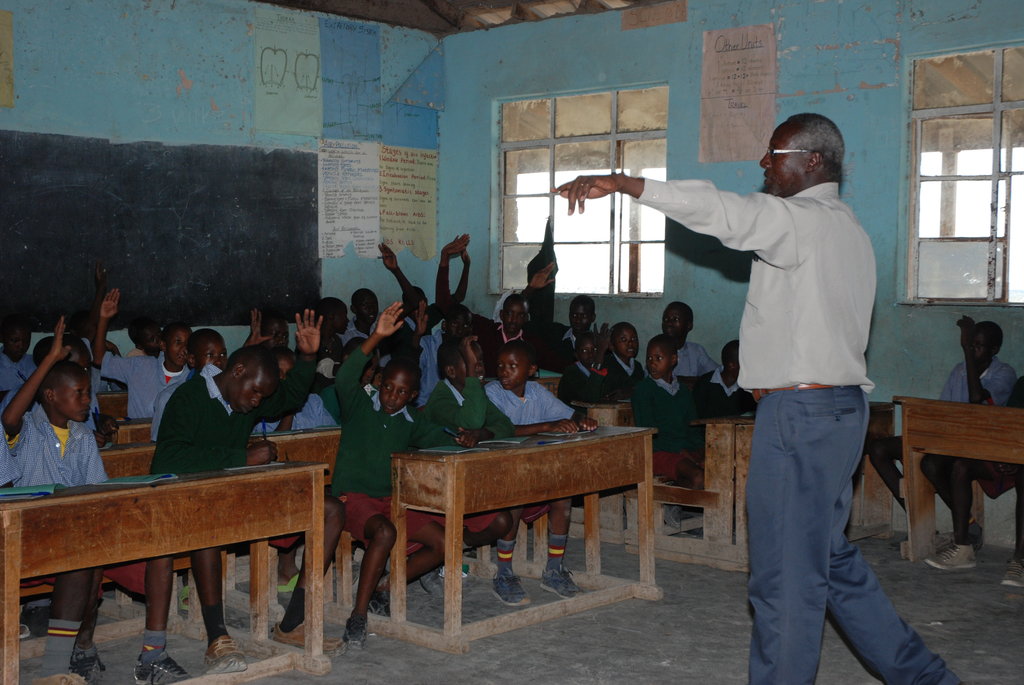
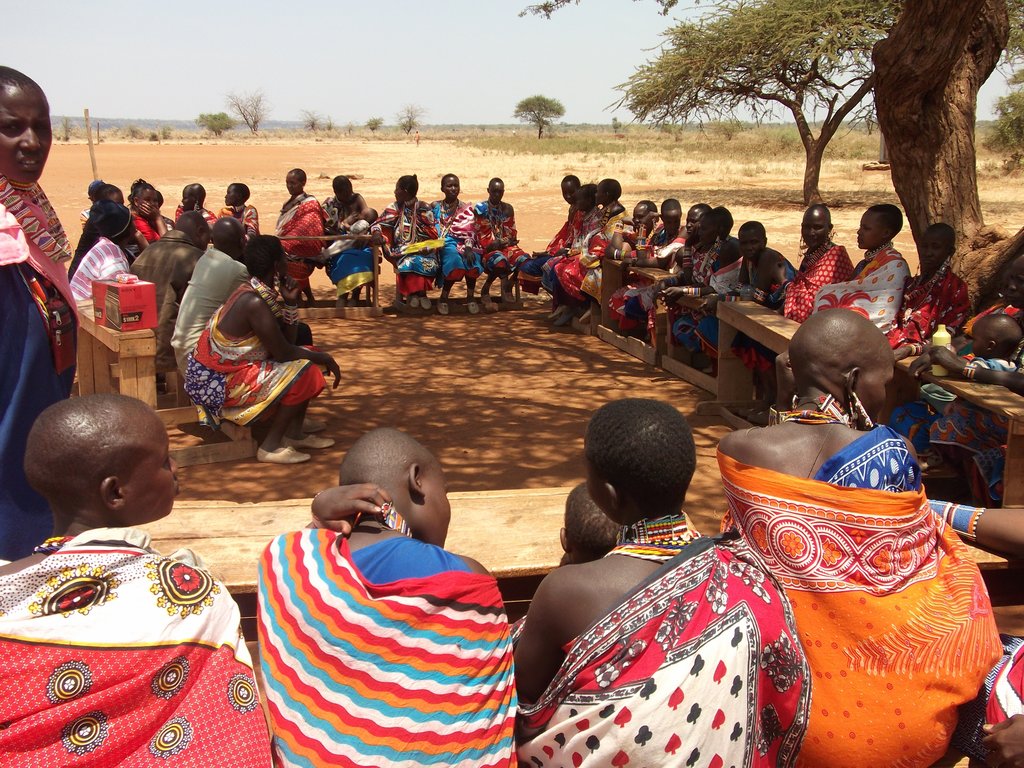
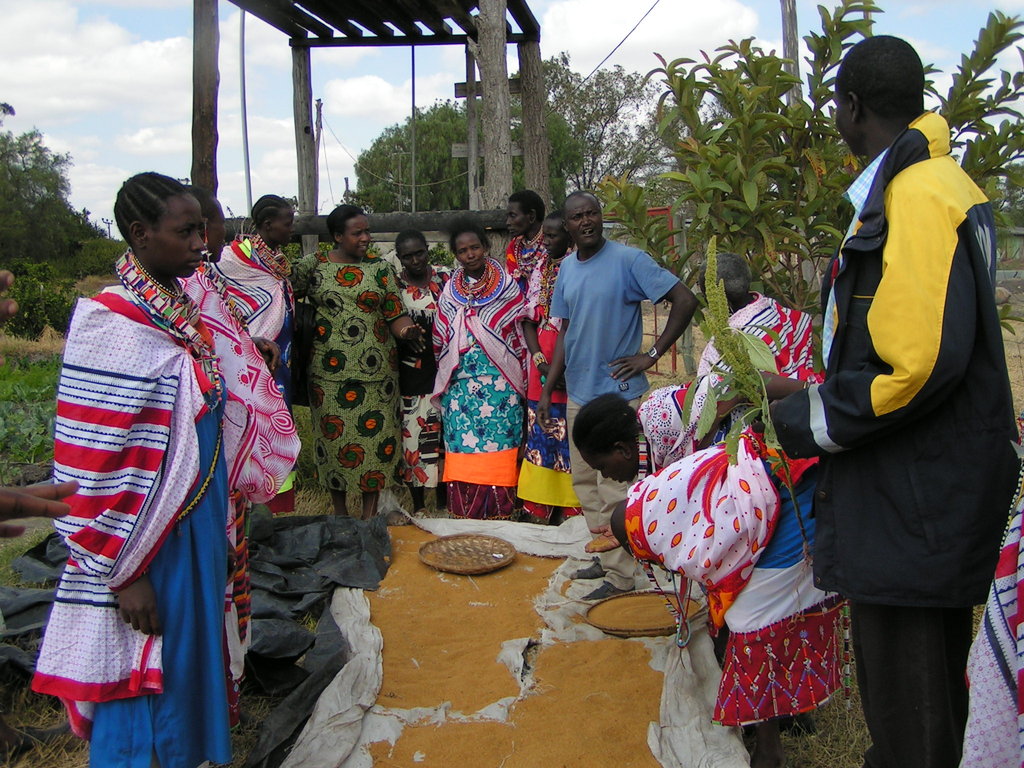
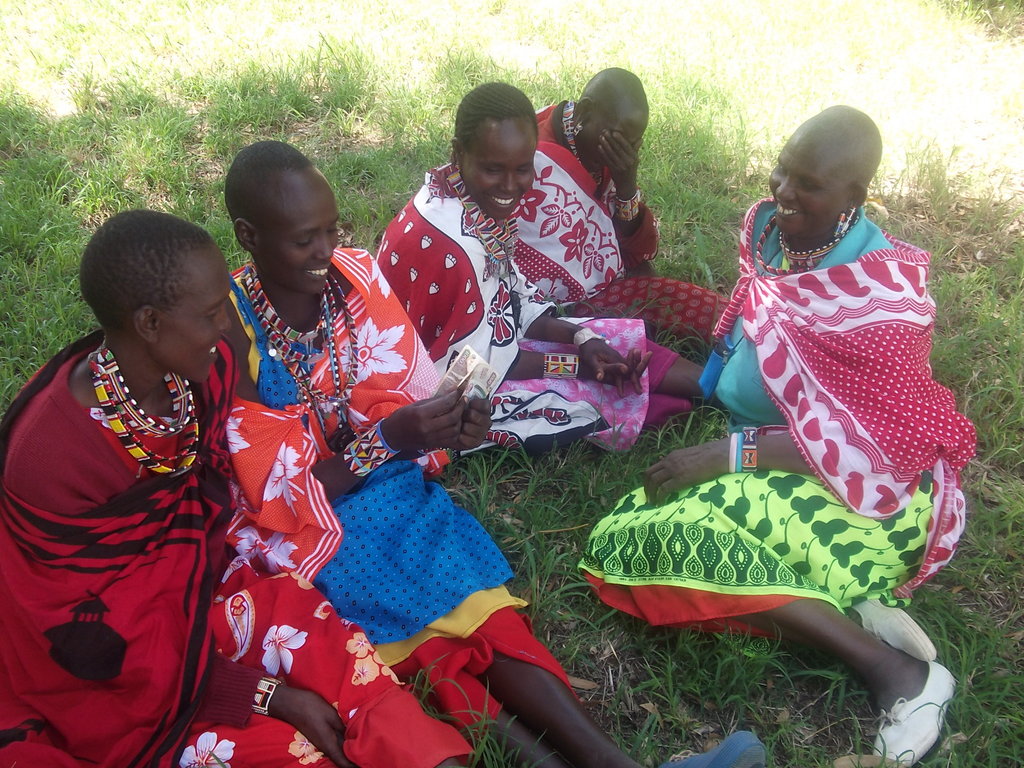
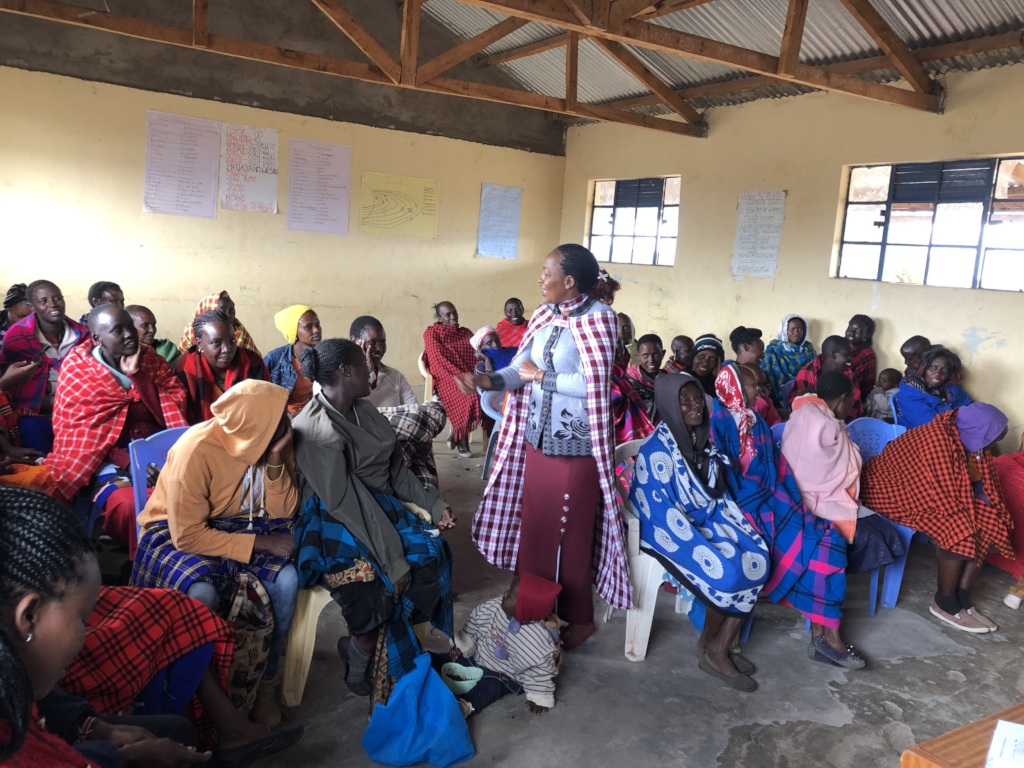
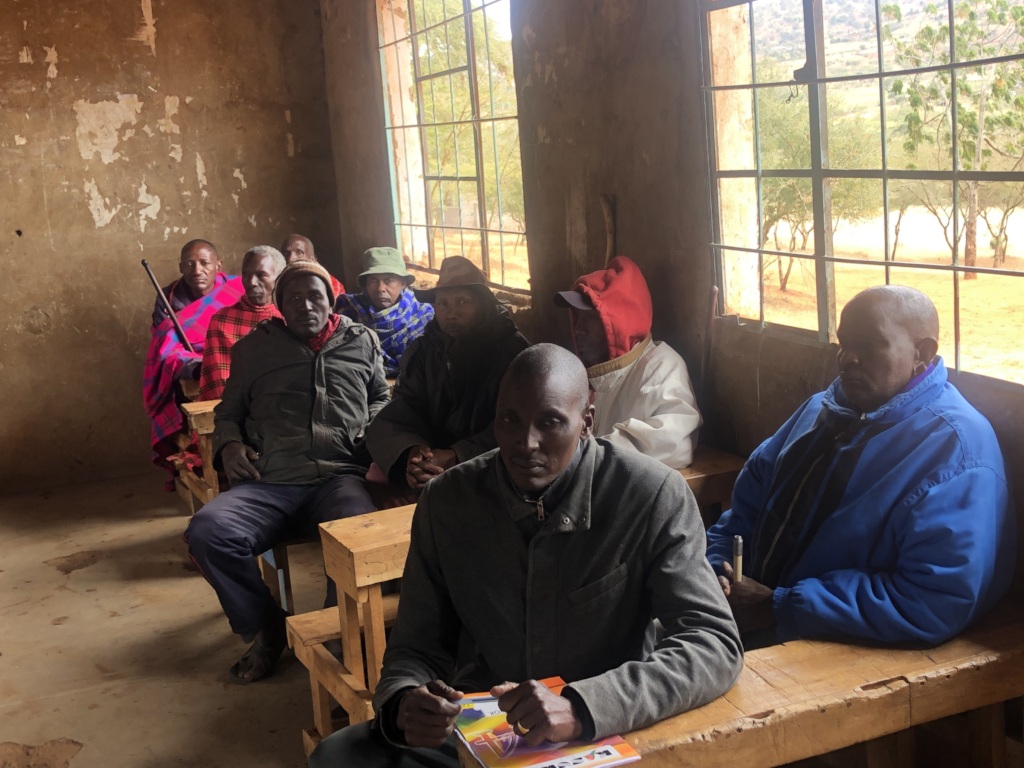
As reported in the MGEF 2023 Spring Update, we were able to conduct many Life Skills Workshops (LSWs) for boys and girls last February in the Central Division of Kajiado County. This past August we returned to the Central Division to conduct seven LSWs for Elders. At these workshops, we speak with the Maasai adults. At the beginning of the workshops, the women and men are separated. Women facilitate the women’s group and men the men’s group. This allows them to speak more freely, especially the women. At the end of the LSW, the two groups come together to discuss the issues that have been raised as one community. The facilitators’ selected title for these seven workshops was “Let’s Talk”. Topics discussed included women’s roles in the family, benefits of educating both boys and girls, land issues, reproductive health, management (or mismanagement) of their children’s schools, and how parents need to become involved in supporting their children’s education.
The sessions usually start with nurses in both groups, who speak about healthy reproductive practices and answer any medical questions brought up. After the medical session, the two groups move on to social and family topics.
In the women’s session, the facilitators asked the attendees to describe their typical day. The women spoke not just about daily chores, such as cleaning, fetching water and cooking, but also about small jobs or businesses they run to help bring in money to the family. The facilitators were surprised to hear from many of the women that their husbands were doing nothing. Additionally, due to the drought, there are very little livestock left to sell. Therefore, they were surviving on the small income that the mothers were making yet still living in severe poverty. This led to the discussion of their role and standing in the community. Many women are now the only financial support in the family, yet the man still has the last say on all family matters. On the men’s side, there were few who said that men and women should work together as equals. Most still felt a woman is subservient and should have no say in family matters. This became a lively discussion when the two groups were together, with some improvement as the men started to understand that women have become much more financially involved and therefore should have more say in family and community decisions.
The LSWs showed that both men and women have become more pro-education for both girls and boys, though their involvement at the schools is minimal. If there is any involvement, it is mostly done by the mothers. The lack of parental involvement has made some teachers very lax in their teaching, and also led to mismanagement of money and donated goods. These issues have diminished the quality of their children’s education. When the two groups came together, the facilitators helped the parents understand not only the importance of becoming involved at their children’s schools, but how to become more proactive with their children’s education. Even though most of the LSW attendees are illiterate, they began to understand that they could be more involved with the election of a school’s Board of Management and demand more accountability in the uses of funds.
The selling of land has become a big issue among the Maasai community. Land is truly their most valuable economic resource, especially as development begins to spread to more rural areas. Since many are uneducated, they are easy targets for people taking advantage and paying them far less than the land is worth. The facilitators impressed upon the group that they should hold onto their land unless it is an absolute emergency. They suggested the leasing of land instead for a steady income or other ways to make financial use of their property.
The workshops were very successful with many agreeing that change must happen in the Maasai community in order to address the issues of severe poverty.
The Importance of Education
Due to ongoing drought in areas where the Maasai live in Kenya, which has increased poverty tremendously, we still see so many girls who are not allowed to go to school. This may be because their parents or their grandparents feel they should resort to early marriage to get a dowry and to survive by having one less mouth to feed. For others, this may simply be because they cannot afford to send their children to school. Fortunately, more and more Maasai understand the importance of an education for both boys and girls and they are dedicated to educating their children. It is encouraging to see the trend improve though we still have much work to do to help Maasai girls reach their dreams through education.
Thank you so much for your support.
Project reports on GlobalGiving are posted directly to globalgiving.org by Project Leaders as they are completed, generally every 3-4 months. To protect the integrity of these documents, GlobalGiving does not alter them; therefore you may find some language or formatting issues.
If you donate to this project or have donated to this project, you can receive an email when this project posts a report. You can also subscribe for reports without donating.



Support this important cause by creating a personalized fundraising page.
Start a Fundraiser