By Heather McKay | Executive Director
Dear Friends,
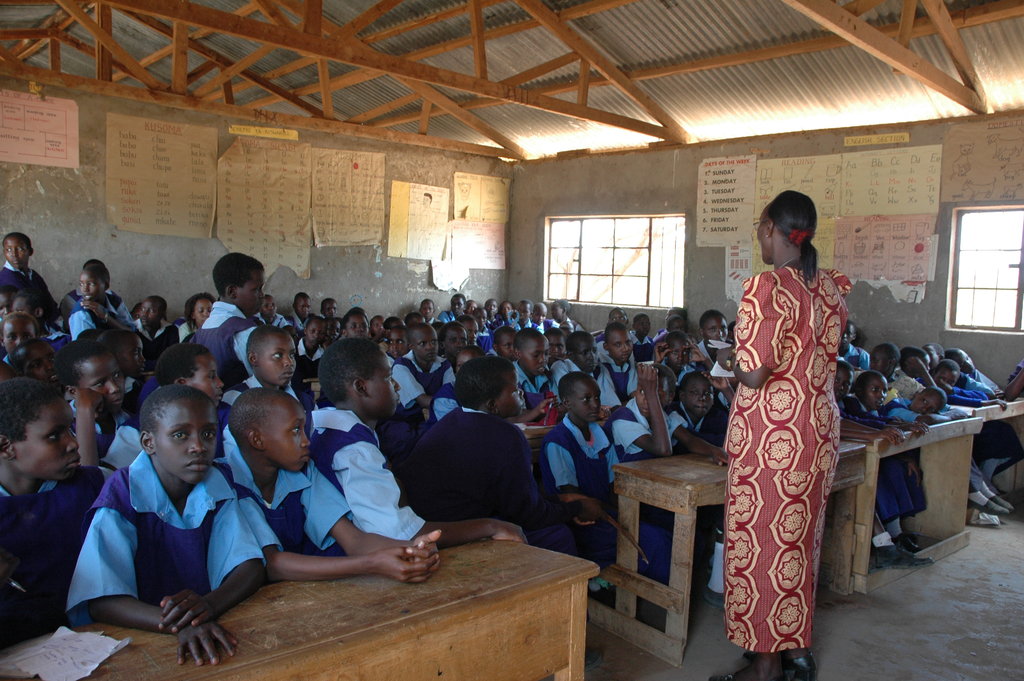
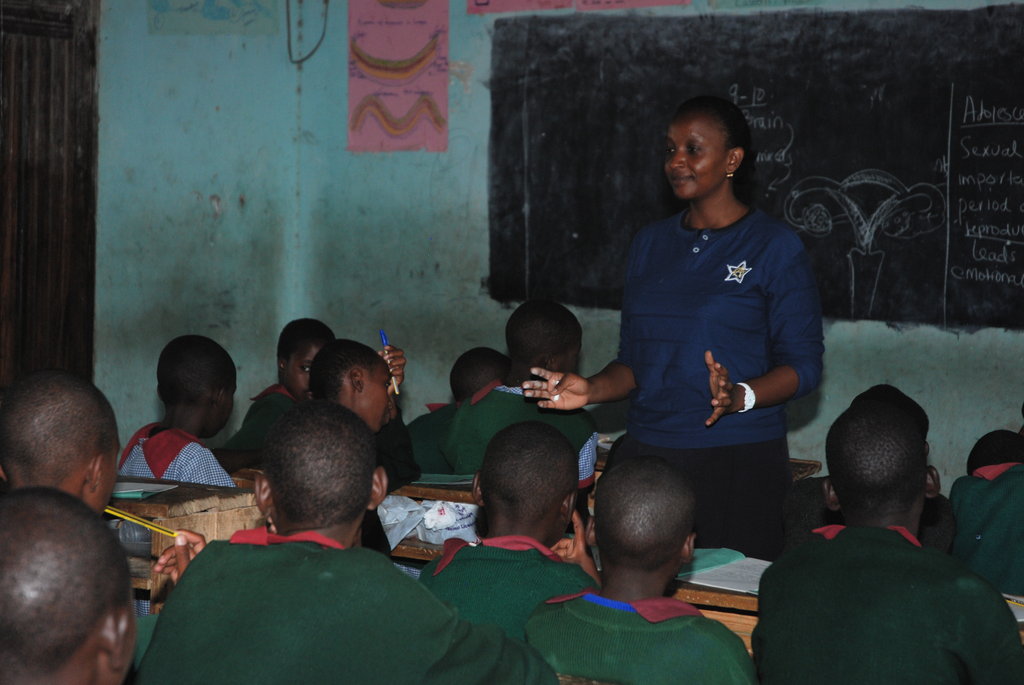
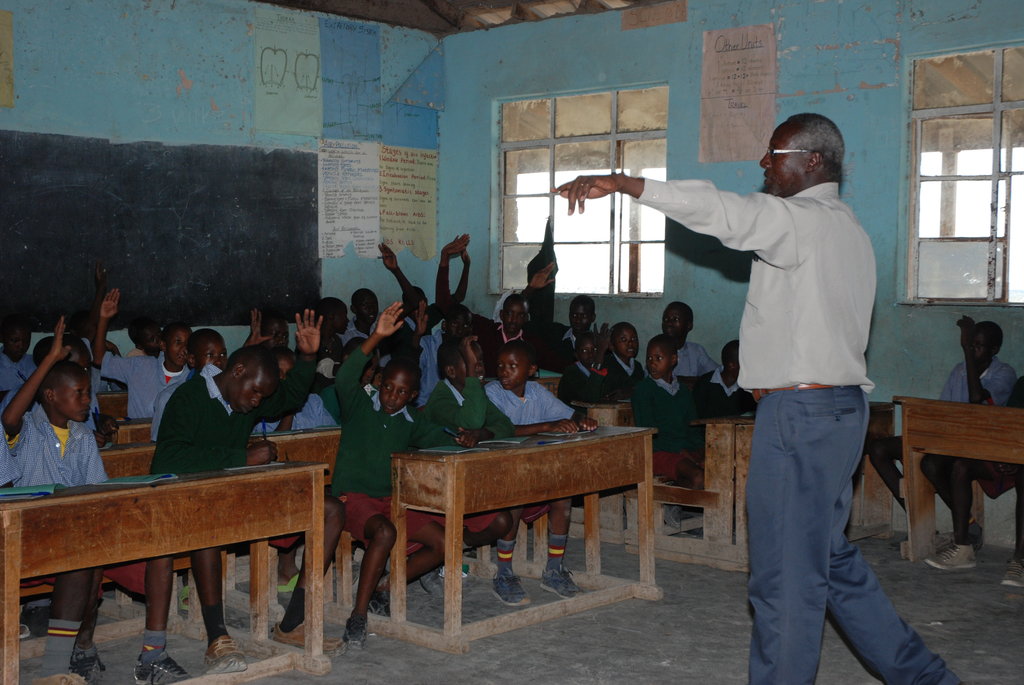
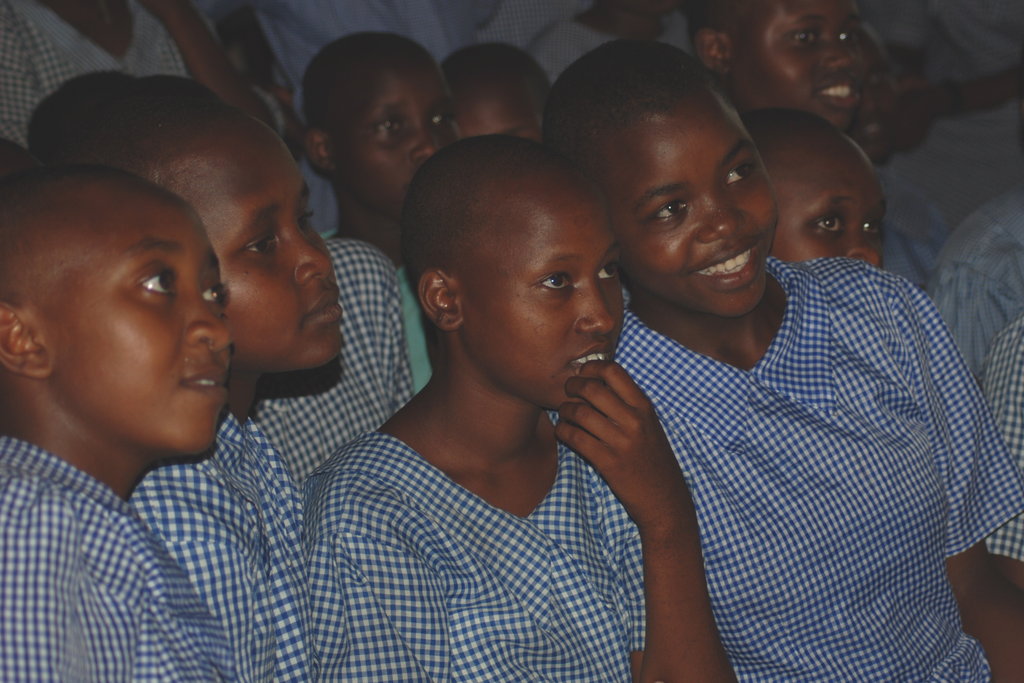
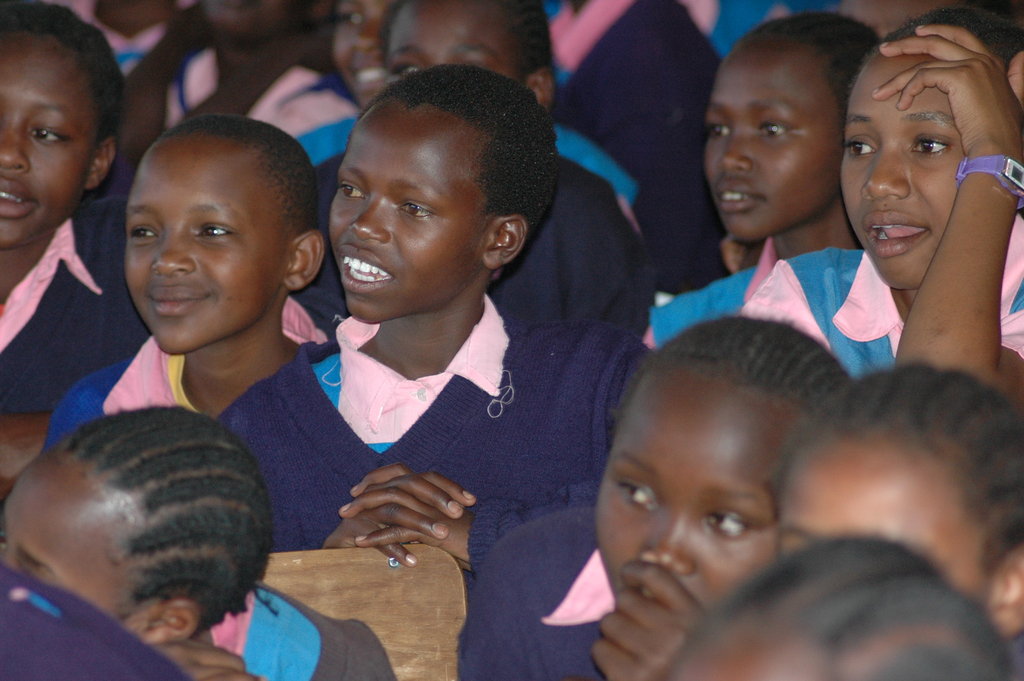
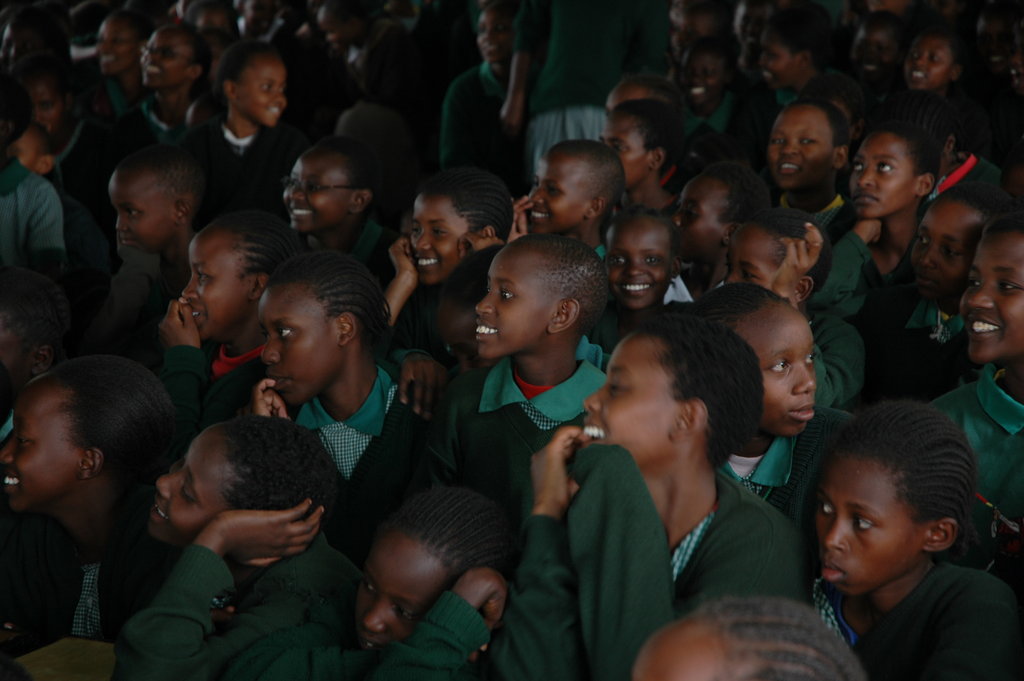
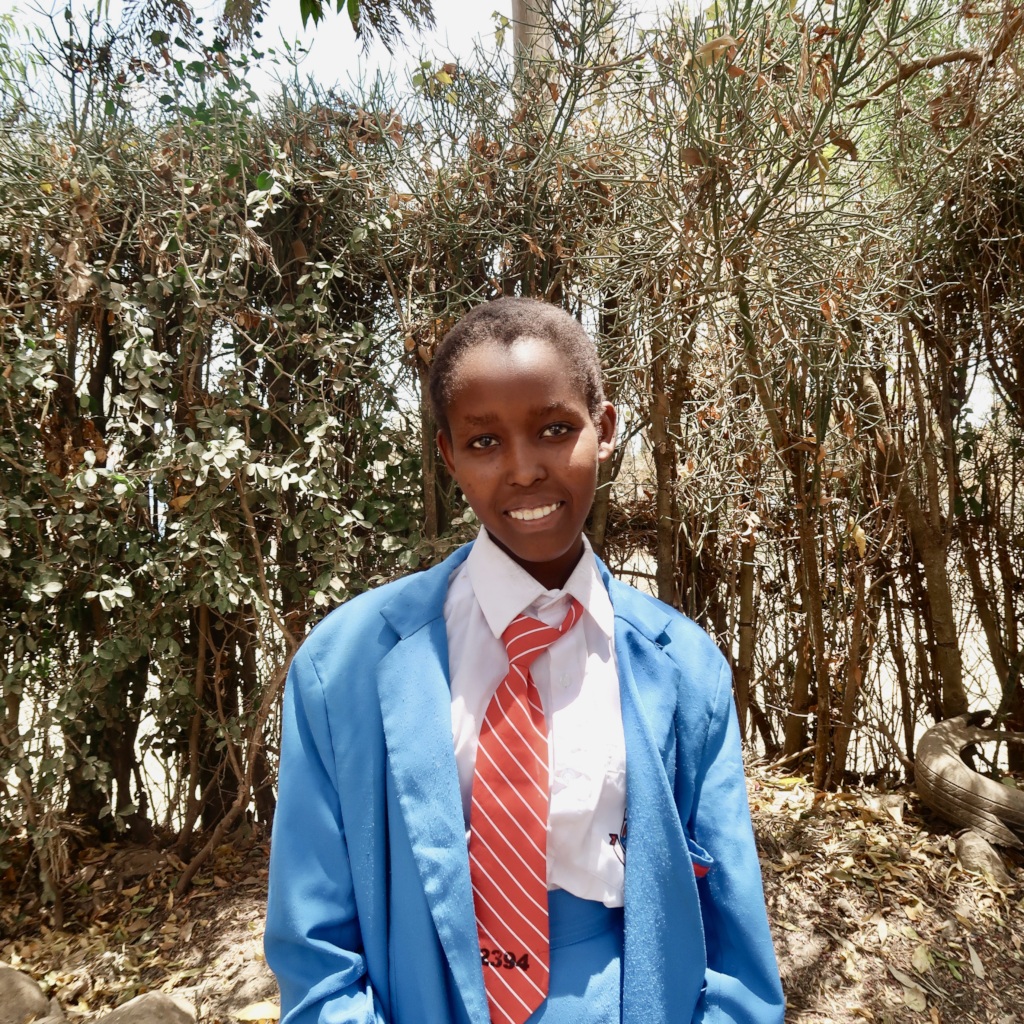
What a wonderful 10 days I just spent in Kenya. Due to COVID, it had been too long since my last visit. I spent my time visiting many students. Most were familiar faces, but there were also a few new students added to the roster last May who I was enthusiastic to meet. I arrived the week that primary and secondary students were returning to school for Term 3, and the office was teeming with students and parents picking up supplies and headed to their last term of the year.
At this moment, MGEF has 149 active students on its roster: 54 primary, 44 secondary, 41 post-secondary and 10 students awaiting acceptance to post-secondary institutions. This December we will have much to celebrate as 11 students will graduate from primary school and 13 from secondary school. Many of these graduates are the first in their families to complete secondary if not primary school. We are so proud of each and every one of them as they accomplish each goal and move on to the next chapter in their education.
Parents and teachers alike are bracing for a potential change in the Kenyan school system. In 2017, Kenya introduced the Competency Based Curriculum (CBC) to replace the education system that had been in place for 32 years. The target date to implement this new system is January 2023. The CBC is a 2-6-3-3 system, which means two years in preschool, six years in primary, three in junior secondary and three in secondary school. The current system is 8-4-4, eight years in primary, four in secondary and four in post-secondary. The new system creates great challenges for placement of the junior secondary students and the hiring of additional teachers. Many primary schools are scrambling to build a separate area, or building, to create a junior secondary school separate from the primary school. There are also stand-alone junior secondary schools quickly being built. Many see the change as creating chaos and are not sure that spending money and creating upheaval are necessary. The CBC rationale given in 2017 was that Kenya was not keeping up with the rest of the world in education. But now, many are hopeful that the new president of Kenya, William Ruto, will revoke this change.
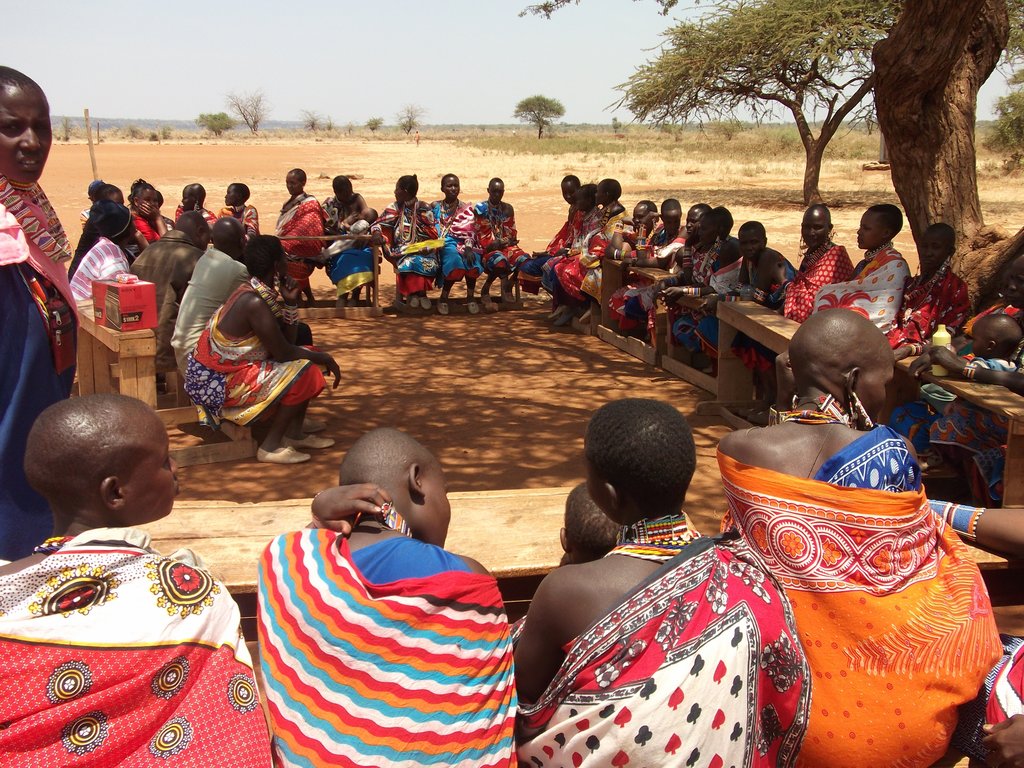
Unfortunately, the two-year drought in Kenya’s Kajiado County is relentless. While I was there, the winds picked up and the sky became grey a few times, yet it just would not rain. The Maasai are desperate as they see their cows becoming skinny and weak, which causes their milk to dry up. Some are able buy hay from vendors to feed their cows, but at approximately $3 a bale, most cannot afford to buy enough to keep their cows alive. This has added to the desperation of parents who realize the value of educating their daughters, but simply cannot afford to send them to school. Many come to the MGEF-Kajiado office in hopes of resolving this problem. They admit that if they cannot get a scholarship for their daughter, they have no choice but to marry her off, simply for survival reasons. They cannot afford to feed her.
The economic hardships resulting from the drought and years of COVID impacts prompted MGEF to add 17 new students to its roster for Term 1 of 2022, which began in May. We will add eight more new students in January 2023. This is a small drop in the bucket compared to the number of hopeful applications we receive weekly, but each girl we take will make a huge difference in the Maasai community and their families. This change is evident in the four post-secondary graduates MGEF celebrated this year. Three women received degrees in business, two of whom were immediately employed. One woman received a degree in animal nutrition and has returned home to help in her community.
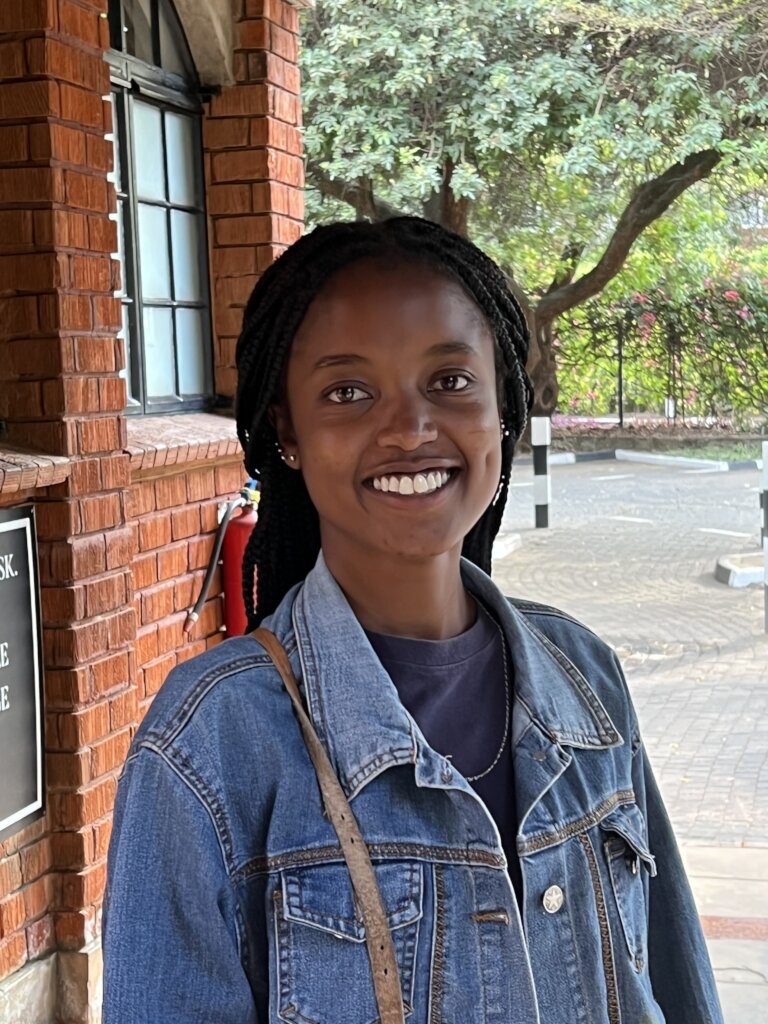
I spent two amazing days meeting with MGEF’s post-secondary students in Nairobi. They were an incredible group, all very confident and totally immersed in their studies. They shared many ideas about giving back to their communities and their young Maasai sisters. One of our students participates in a university-organized group that supplies sanitary napkins to girls in rural areas who have no access to these products. Others plan to help facilitate our Mentoring Workshops because they know the younger students look up to them and benefit from learning about their own experiences.
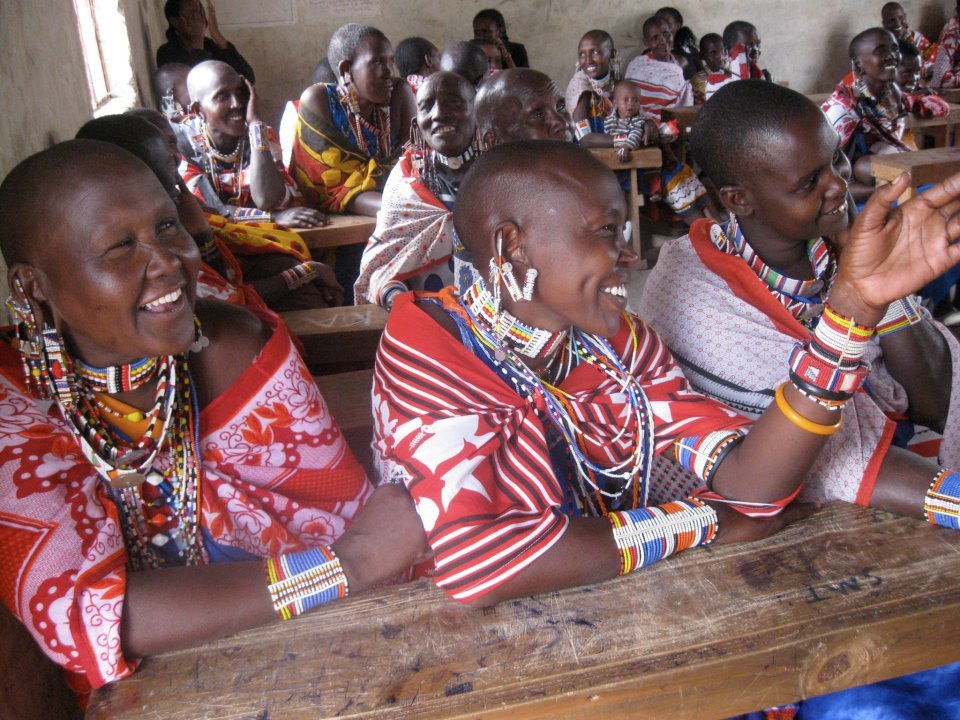
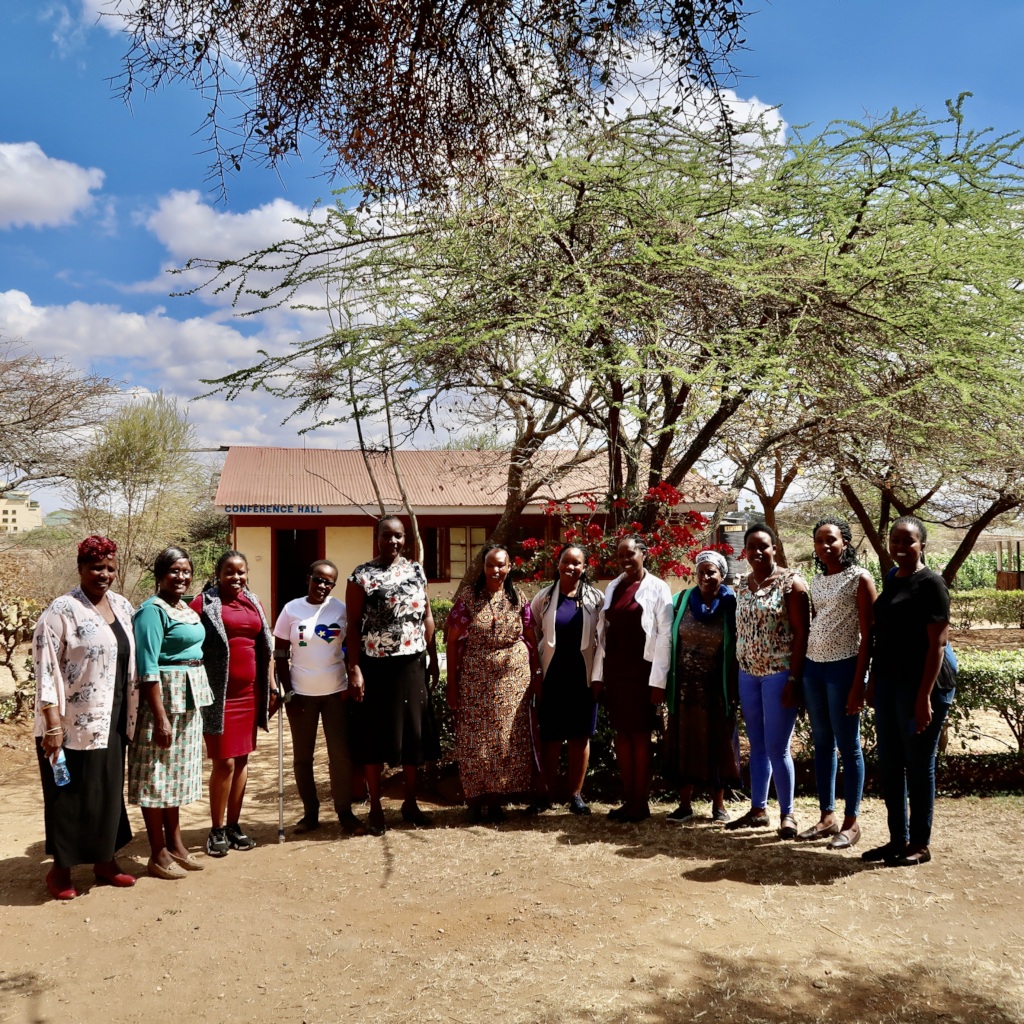
During my trip, I attended an MGEF-Kajiado board meeting. The MGEF-Kajiado organization has a board of 16 Maasai women, half of whom are MGEF alumnae. It was so exciting to watch our MGEF alumnae board members take the reins, giving the older board members confidence that when it is time for them to retire, MGEF-Kajiado will be in good hands. Each of the alumnae members were on top of the latest educational changes including new government scholarships that many of our students may qualify for. With 13 students graduating from secondary school this December, their knowledge and mentorship will be invaluable. The alumnae members also gathered together after the meeting to catch up with each other and come up with new ideas for giving back. Now that COVID is somewhat under control, they are eager to get back into their charity work.
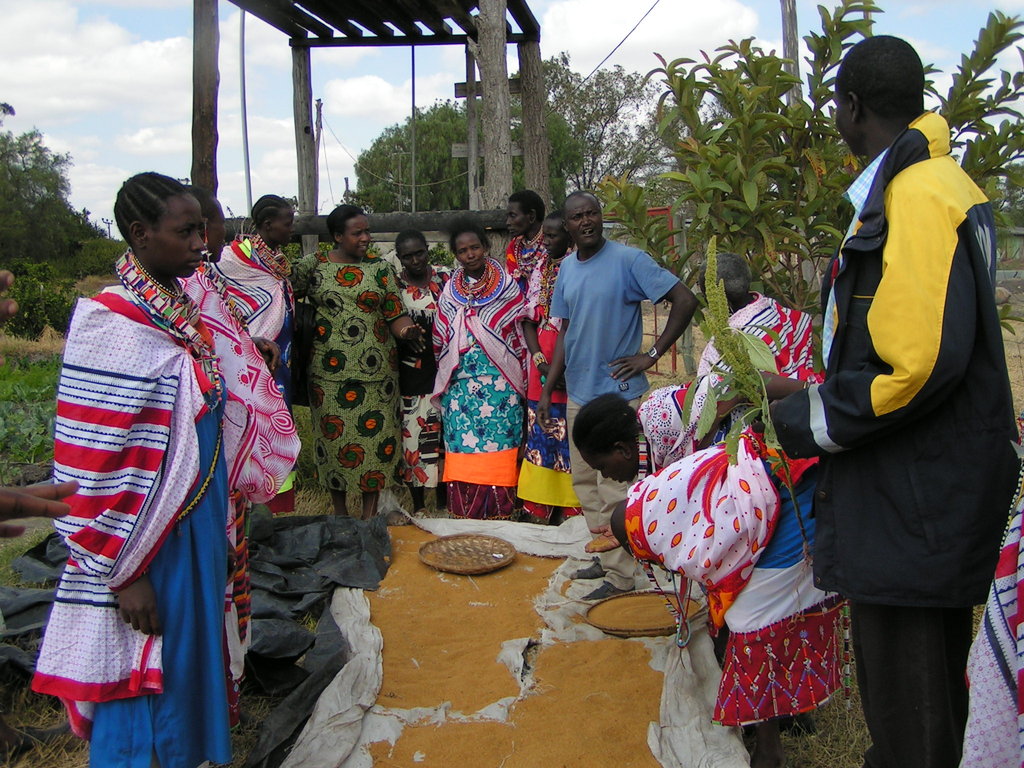
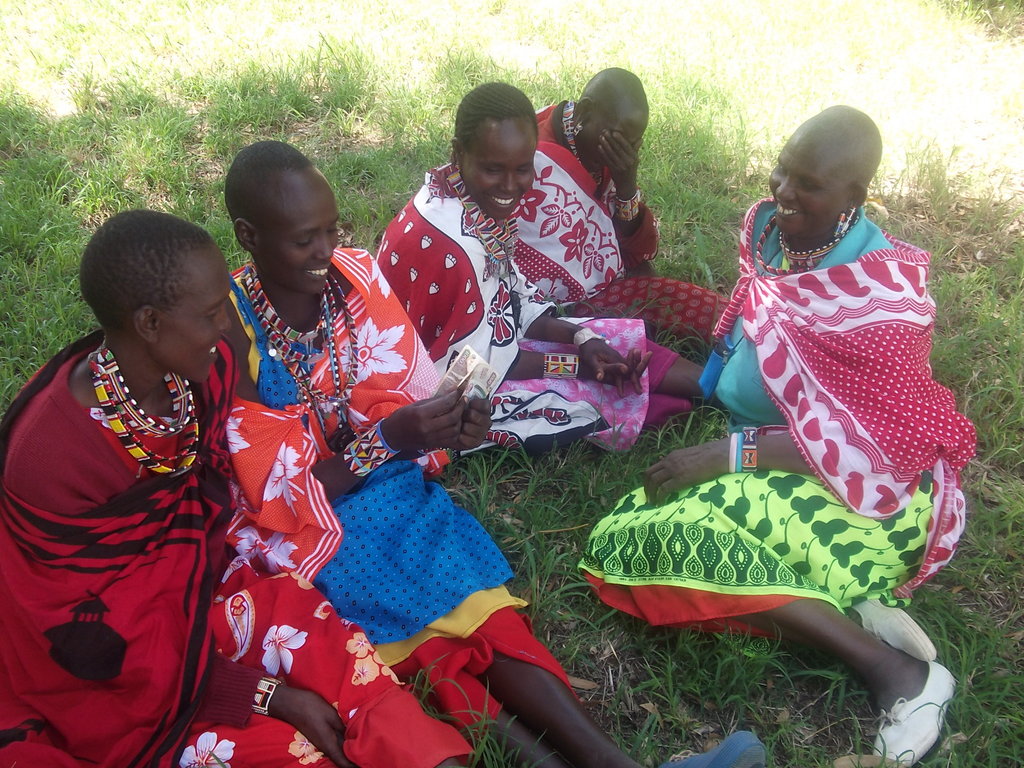
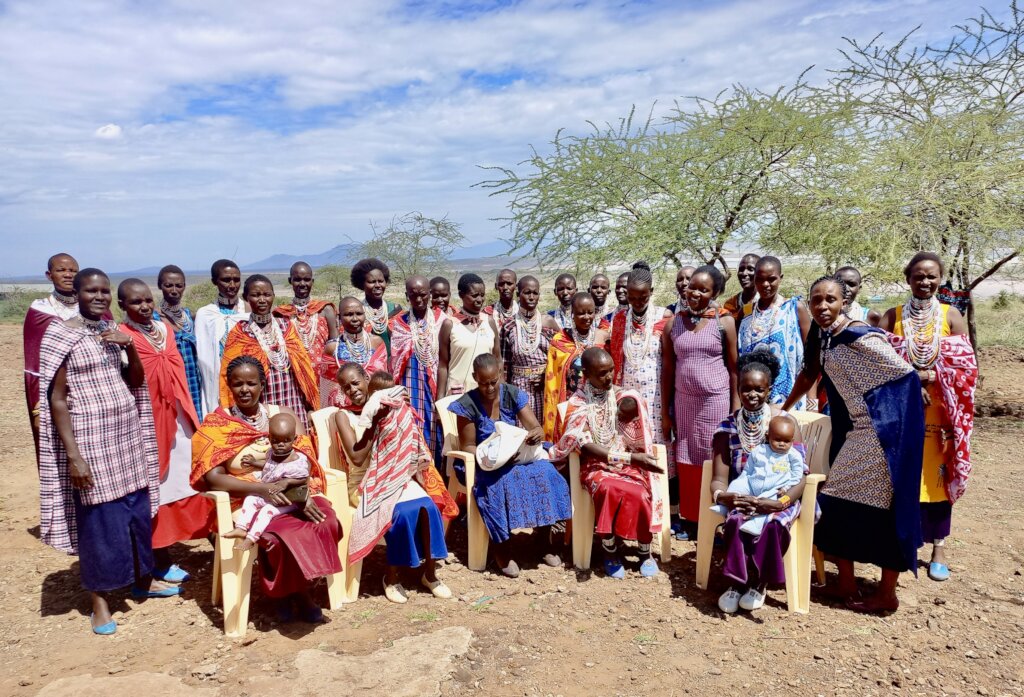
During the board meeting, MGEF alumna and board member Esther, who conducted our Women’s Business Training (WBT) workshop this past June, gave an update on how the new businesswomen are faring. As stated above, the drought has weighed heavily on the Maasai, but the women’s businesses have managed to keep going. They are able to sustain their businesses and bring in much-needed income to help their families through these tough times.
It is such an inspiration to watch our students work so hard to achieve their dreams of an education and create a better life for their families and community. It is also very heartwarming to see our post-secondary students and alumnae so enthusiastic and proactive in giving back to their MGEF sisters and their communities. Many are the first in the families to experience self-reliance and financial independence and feel it is their duty to help other Maasai girls and woman reach their potential.
Thank you for all that you do to help these girls and young woman change their lives.
Project reports on GlobalGiving are posted directly to globalgiving.org by Project Leaders as they are completed, generally every 3-4 months. To protect the integrity of these documents, GlobalGiving does not alter them; therefore you may find some language or formatting issues.
If you donate to this project or have donated to this project, you can receive an email when this project posts a report. You can also subscribe for reports without donating.



Support this important cause by creating a personalized fundraising page.
Start a Fundraiser