By Heather McKay | Executive Director
Hello Friends,
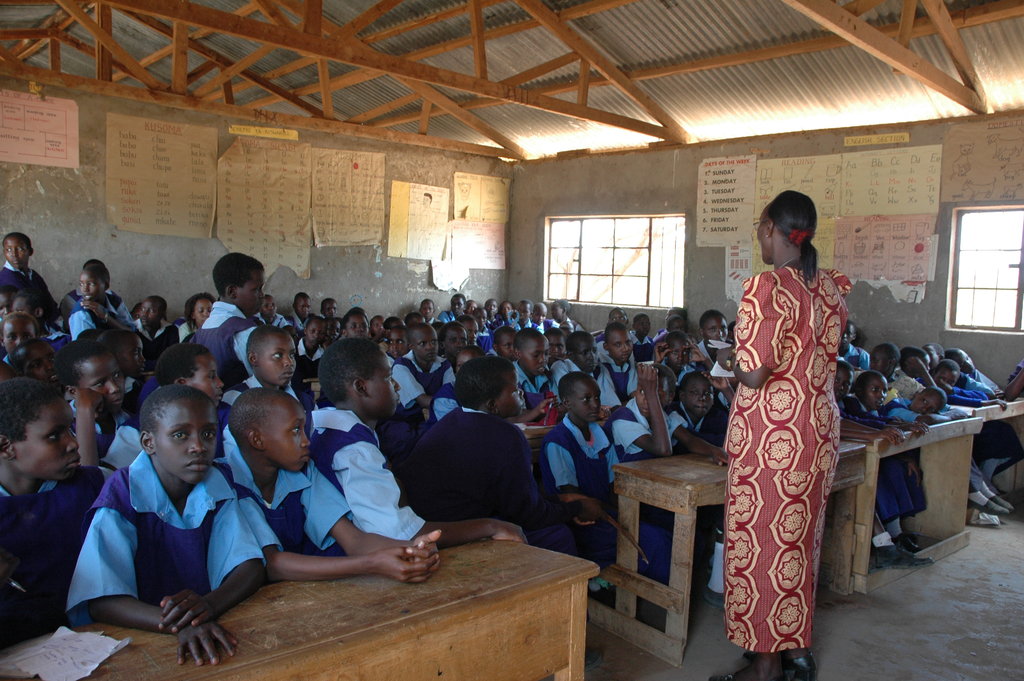
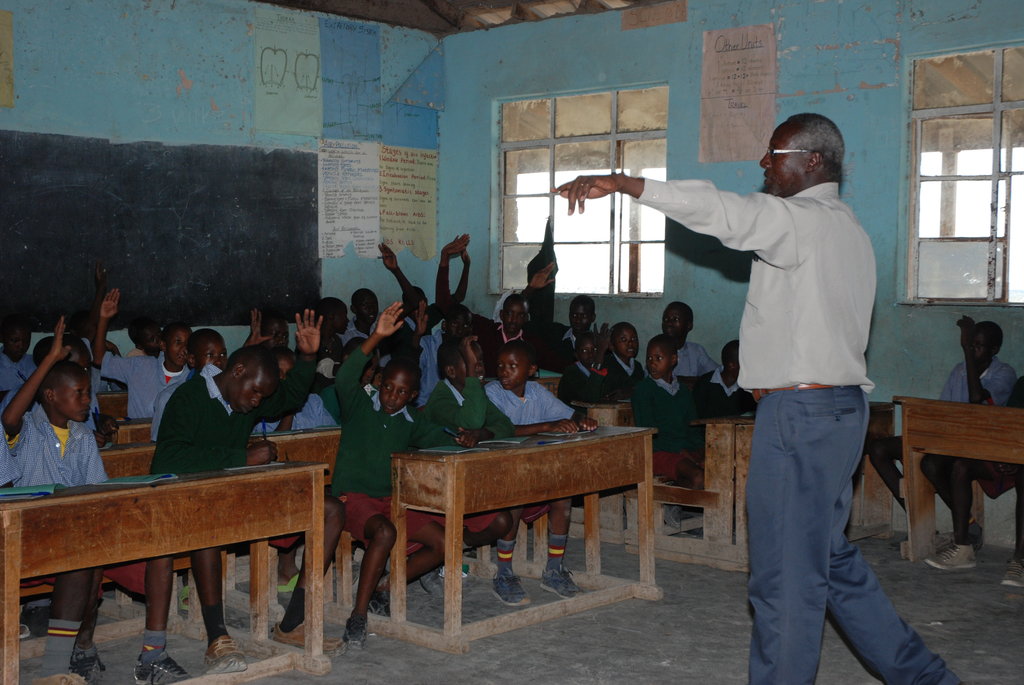
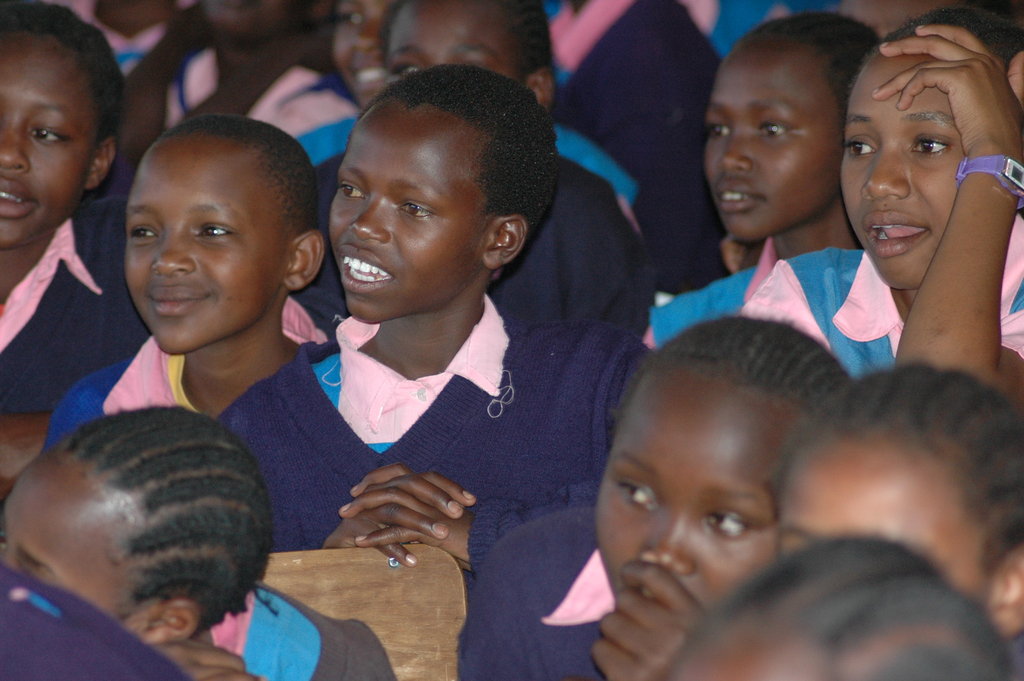
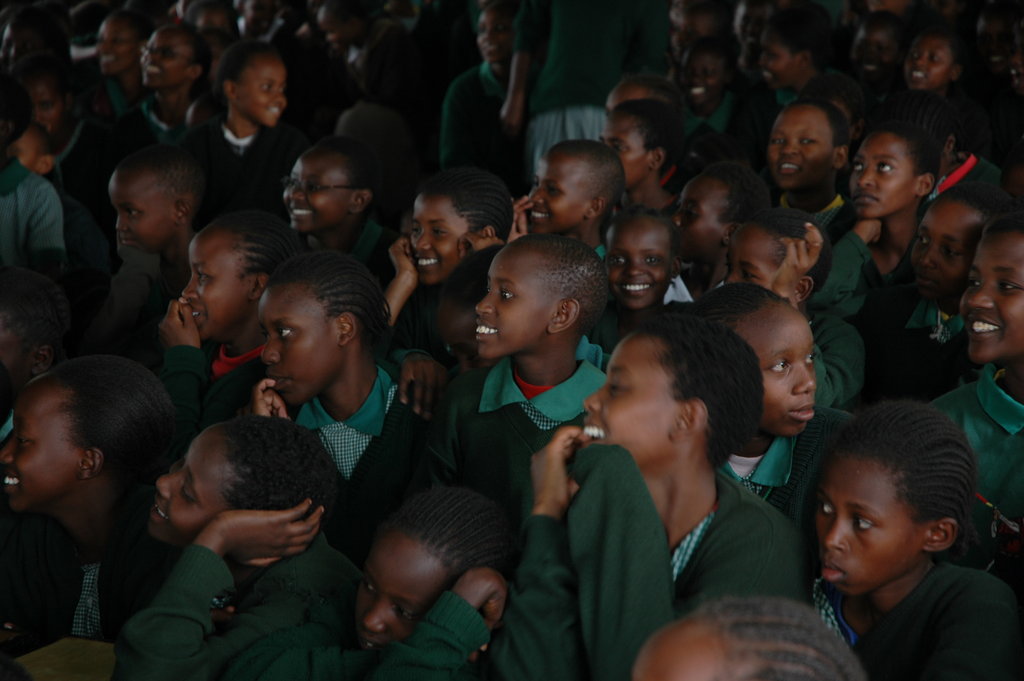
As always, it is a busy fall at the Maasai Girls Education Fund (MGEF), with 131 students active the last term of the 2018 school year. We have 50 primary, 35 secondary and 40 post-secondary scholarship recipients, with six more pending acceptance to post-secondary institutions. Just this September, MGEF had an unprecedented eight new students start colleges and universities.
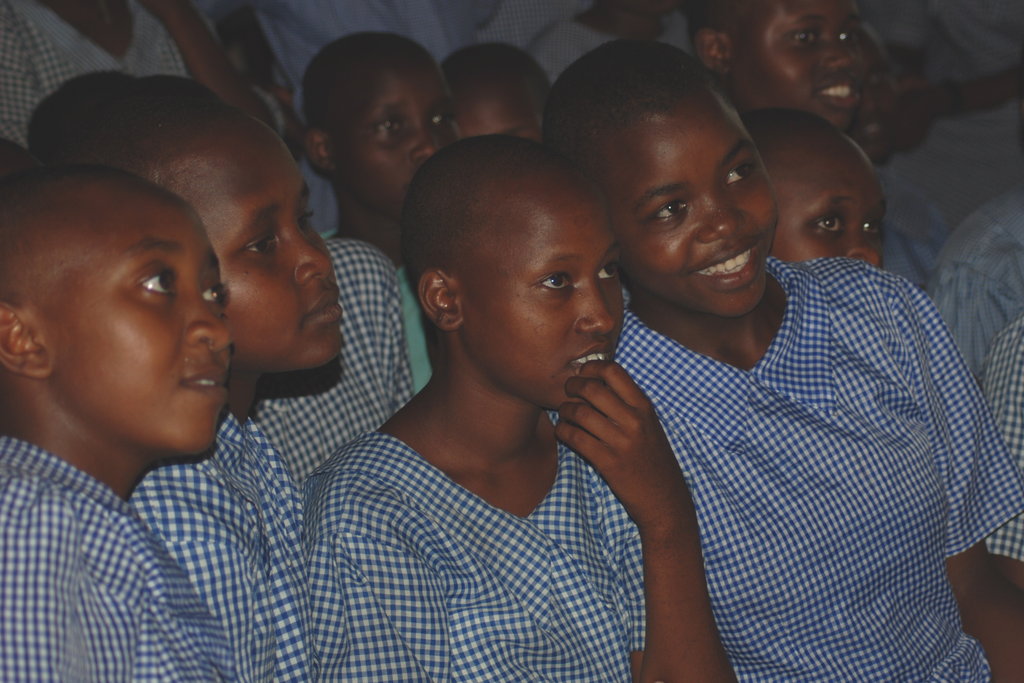
I thought it would be interesting to share with you the stories of three MGEF scholars in different stages of their education: Valerie, who is about to graduate in December with a Degree in Business; Florence, who is a new MGEF scholar in secondary school; and Regina, who is a primary school student who has been with MGEF since the beginning of her education eight years ago. All three are amazing young women whose education and courage will help break the cycle of poverty, change traditional Maasai attitudes towards girls and women, and counter the still persistent practices of female genital cutting (FGC) and early marriage in the Maasai community in Kajiado County, Kenya.
Valerie
Valerie has been an MGEF scholar since 2011 when she started Form 1. She is an excellent and ambitious student who will graduate this December with a Degree in Business. Valerie and her sister had a rough start as children. Their father neglected the little girls, and even had their mother sent to jail and the girls to an orphanage to avoid the responsibility of supporting his family. A neighbor helped Valerie’s mother get released from jail, upon which she immediately set out to find and reclaim her two little girls. With the assistance of the Department of Children’s Services in Nairobi, they were eventually found and released to their mother. With their father still denying his responsibility, Valerie’s mother and the two little girls were on their own. Valerie’s mother washed clothes and made a meager living. She was able to send the girls to public primary school because there were no school fees, but she struggled to pay for their uniforms, shoes and supplies. Once Valerie was in secondary school, however, her mother was no longer able to pay for her education, so her mother came to MGEF for assistance. Since joining MGEF, Valerie has been a very impressive student in both secondary and post-secondary school. She has consistently stellar reviews from her internships, and is very proud of her accomplishments. MGEF is also very proud of her! This December Valerie will join the ranks of the many MGEF alumnae who, with hard work and often with the help of a very determined and strong mother, have overcome enormous obstacles to obtain their dreams of an education.
Florence
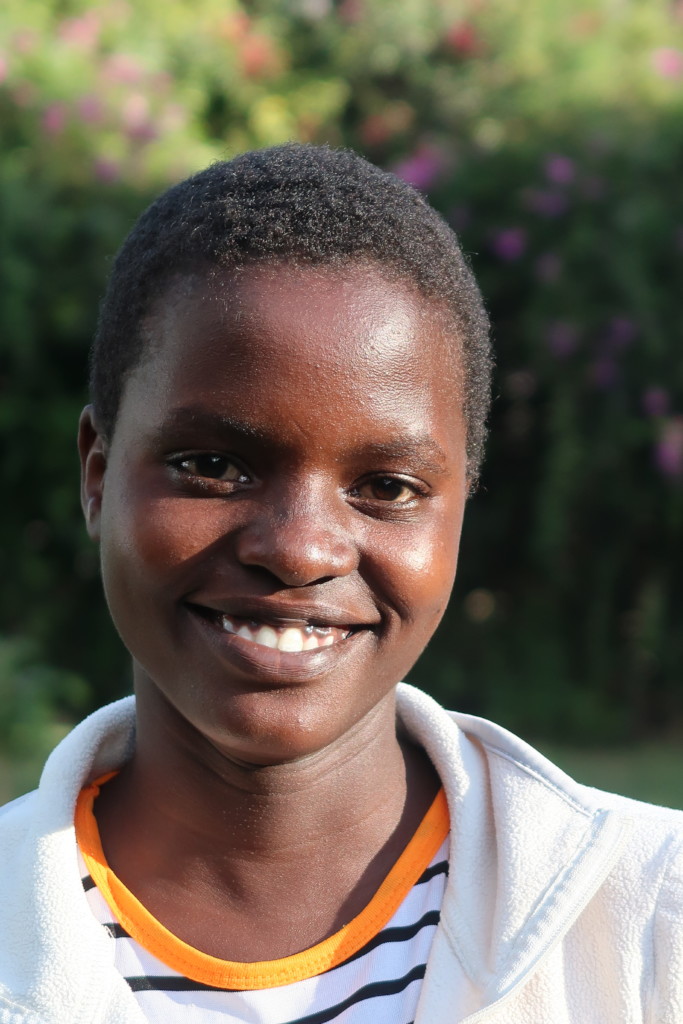
When I am in Kenya, I often meet girls who come to the office to fill out applications for scholarships. Almost all of the applicants tug at my heart, which in June 2018 was the case with a girl named Florence. Florence comes from a very large family; her father has five wives and 35 children. Because Florence’s mother was not favored by her husband, Florence was not well liked by her father either. Although she and her half-sister both did very well in primary school and had been accepted to good secondary schools, her father preferred her half sister and would only pay her school fees—not Florence’s. He further began arrangements for Florence to marry a much older man. Having learned of this, the local chief—one of a growing number of female chiefs in the Maasai community—arrived literally during the marriage negotiation to rescue Florence from impending forced marriage. Florence was brought to the chief’s house, where rescued girls often find temporary refuge. However, after several months, the chief was desperate to find a scholarship for her as her house was overfull with rescued girls. Having heard of MGEF, the chief brought Florence to the MGEF Kajiado office, and Florence was accepted into our Scholarship Program. Florence’s story is one that reminds us that the need for our support is sometimes less financial than it is cultural. Florence has now started secondary school, and she is flourishing.
Regina
Before becoming an MGEF scholar in 2010, Regina’s fate was to be that of a typical young Maasai girl in Kenya—FGC and early marriage instead of an education. Born to a polygamist father with two wives and 12 children, she and her family were very much steeped in old cultural traditions. Her father did not believe in educating girls, and Regina was never allowed to attend school at all. He saw his daughters as a source of wealth through the dowry of livestock that they would bring.
Regina was a very ambitious child, who very much wanted to go to school, and she ran away several times because she wanted an education. Finally, her father threatened to throw both her and her mother out if she ran away again. Further, her mother learned that he also planned to marry Regina off to a man who had already married one of her older stepsisters. The stepsister had escaped that marriage, and Regina was being offered in her stead to repay the dowry her father had already received from the man for the older sister. On December 9, 2009, just before Regina was to be circumcised over the Christmas holiday and married off, Regina’s mother lied to her husband, telling him Regina was ill and must be taken to the doctor. Instead she brought her to the MGEF Kajiado office and filled out a scholarship application.
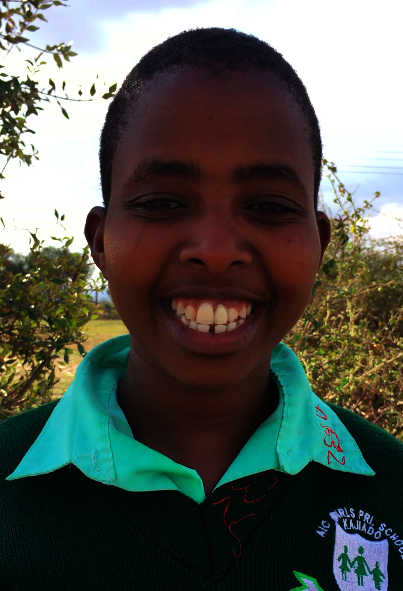
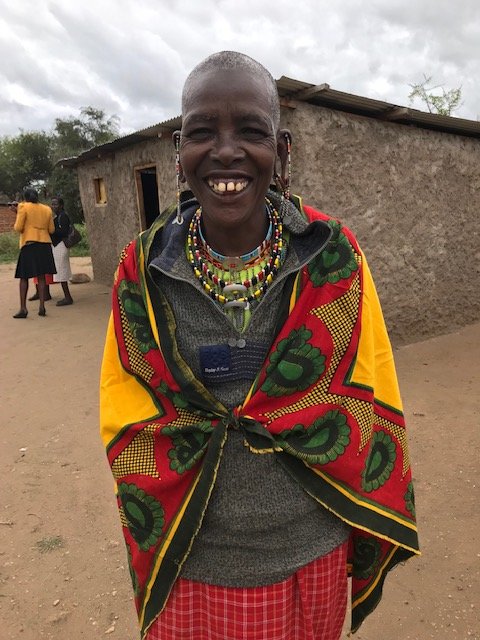
In the office Regina’s mother told Regina’s story, and MGEF immediately accepted her. She started Class 1 that January of 2010. Regina, now 20, is in Class 8, and is a real joy, with an always-ready flash of a smile. When I visited her mother at her boma, I took photographs to take back to Regina, who was overwhelmed to see pictures of her mother. The resemblance between Regina and her mother is not only physical. They share a warmth, an open heart and that quick smile, too. Once again, a girl’s determination, hard work and desire for an education was supported by the courage of a determined, strong mother. Regina is reaching her dreams.
The Maasai Culture
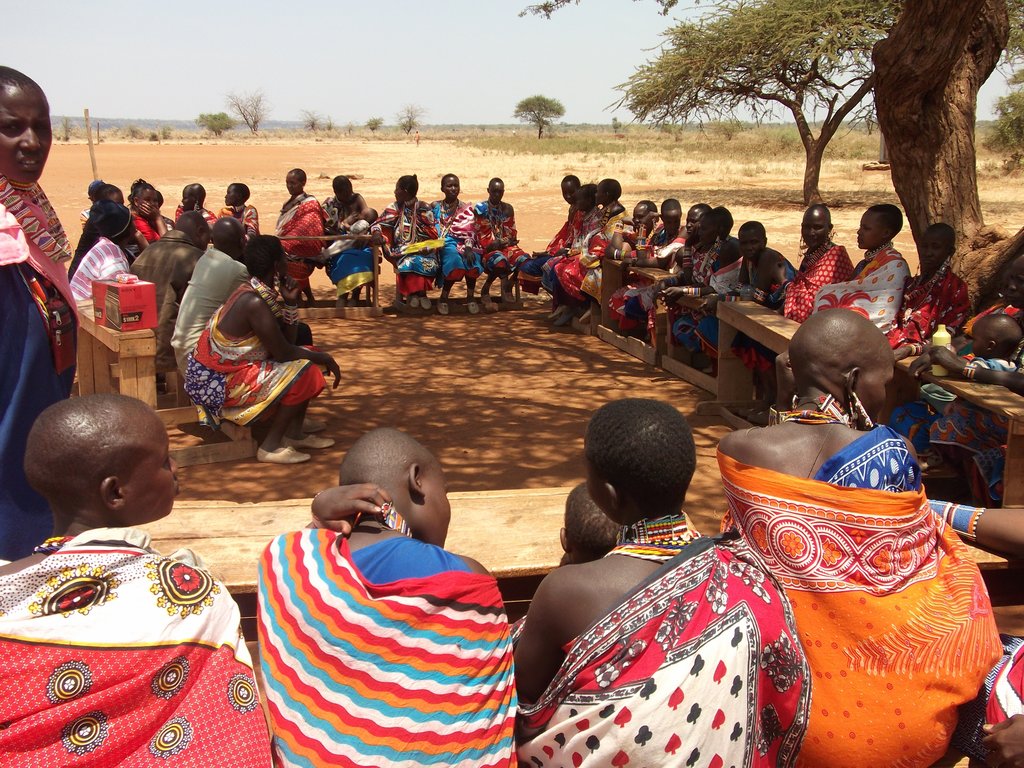
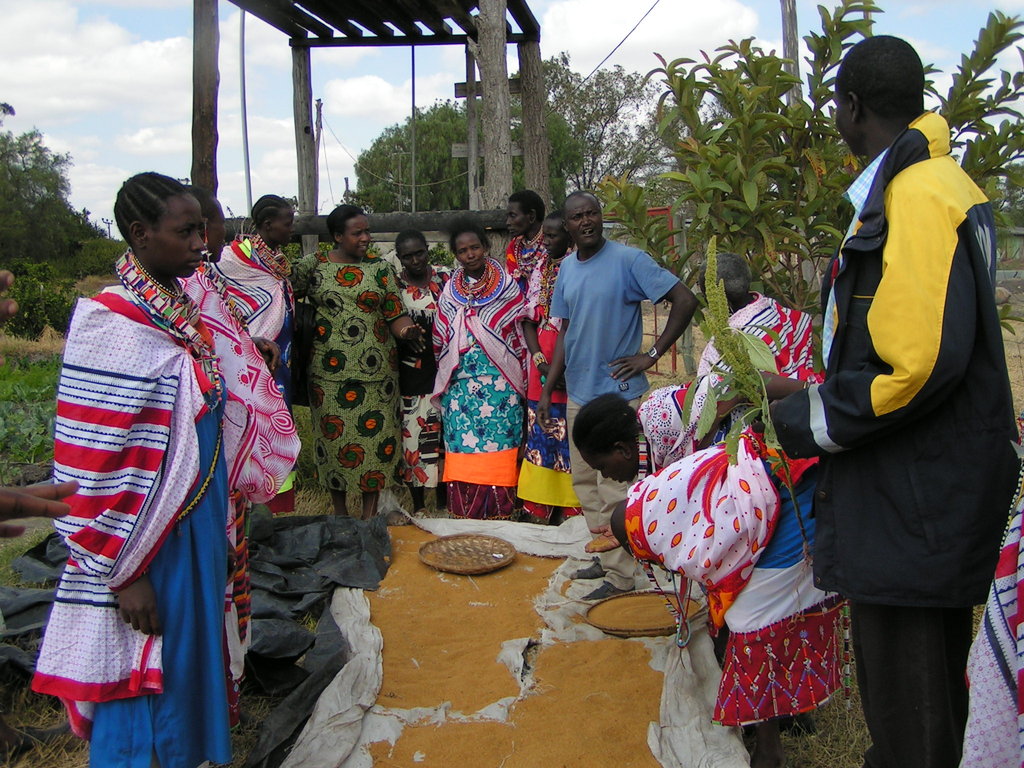
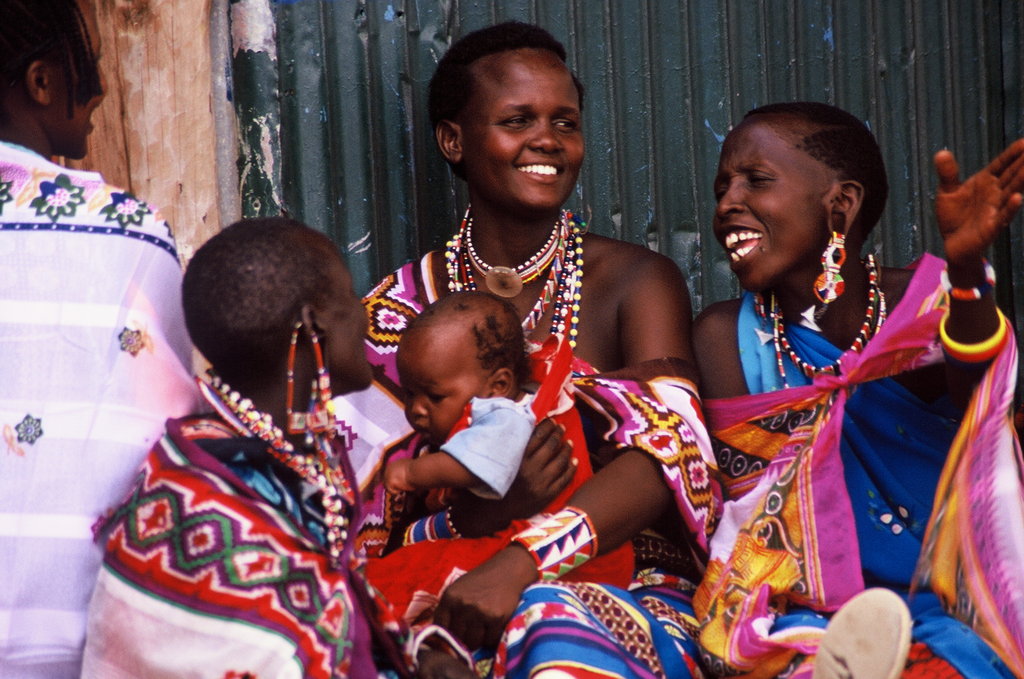
The Maasai are an incredible tribe of people—gentle, polite, patient. Many of their traditions are colorful and beautiful, but there are a few, such as early marriage and FGC, that not only endanger the life of a girl, but also perpetuate the cycle of poverty. With the world around them changing rapidly, their way of life is threatened more now than ever. Their survival depends on education of both boys and girls. MGEF has seen much progress in the almost two decades since our founder Barbara Shaw met the first little Maasai girl who changed both of their lives, but forced marriage is still one of the most common obstacles to a Maasai girl’s education and future. Many fathers and brothers do not want to spend any of their money on educating girls. This is particularly true if the girl is a daughter of a lower level wife and not favored by the father or brother who own or stand to inherit the family’s land and animals. To these men, the size of their herd is a show of wealth and standing in the community. Selling off a few cows to educate a girl is too often outweighed by their appearance of prosperity.
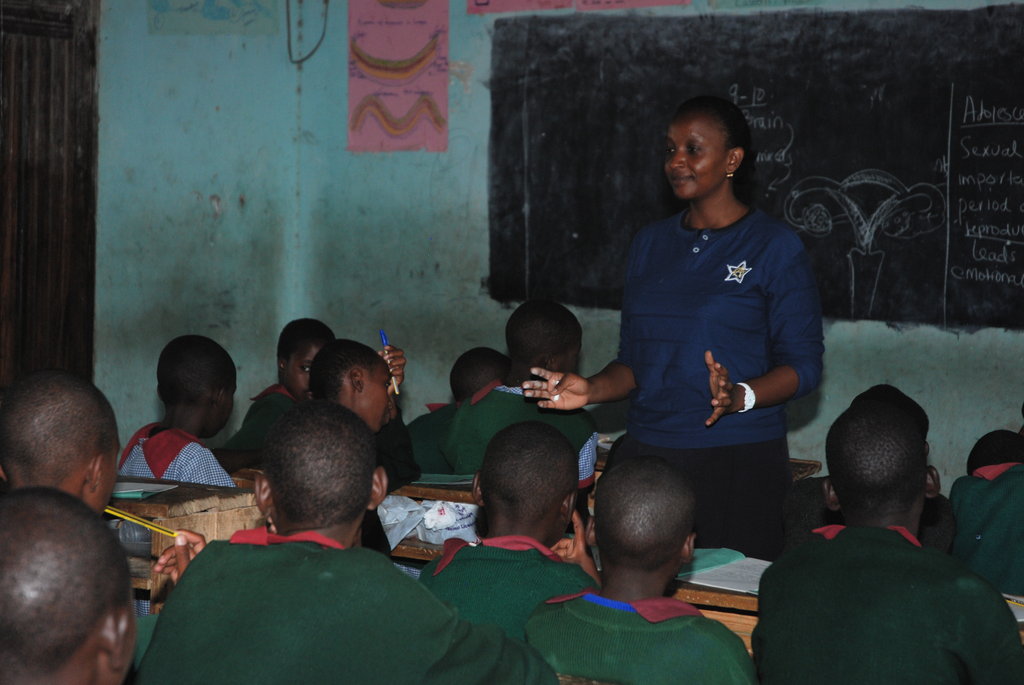
Our alumnae and scholarship students are by far the best and most important advocates for education there is. When they return home as nurses, teachers, lawyers and doctors and help their communities and families, they are living proof of the power of education to effect positive change. Even before they receive their degrees, just the fact of being literate renders them invaluable, as they are often the only members of their families that can read.
It is through your support that we are able to give these determined and courageous Maasai girls a chance to grow and achieve their dreams, which in turn helps their entire community survive in a far different world than their ancestors or even their parents knew. Thank you for your support.
With gratitude,
Heather McKay
Project reports on GlobalGiving are posted directly to globalgiving.org by Project Leaders as they are completed, generally every 3-4 months. To protect the integrity of these documents, GlobalGiving does not alter them; therefore you may find some language or formatting issues.
If you donate to this project or have donated to this project, you can receive an email when this project posts a report. You can also subscribe for reports without donating.



Support this important cause by creating a personalized fundraising page.
Start a Fundraiser