By Bahaludin | Director
Thank you so much for your donation to IDRAP work on Coral Reef Rehabilitation in South East Province in eastern part of Indonesia. Your generosity means everything to us and to the community we serve. We know you have a lot of choices when it comes to donating, and we are so grateful that you chose to donate to our cause. We promise to be responsible stewards of both your donation and your trust.
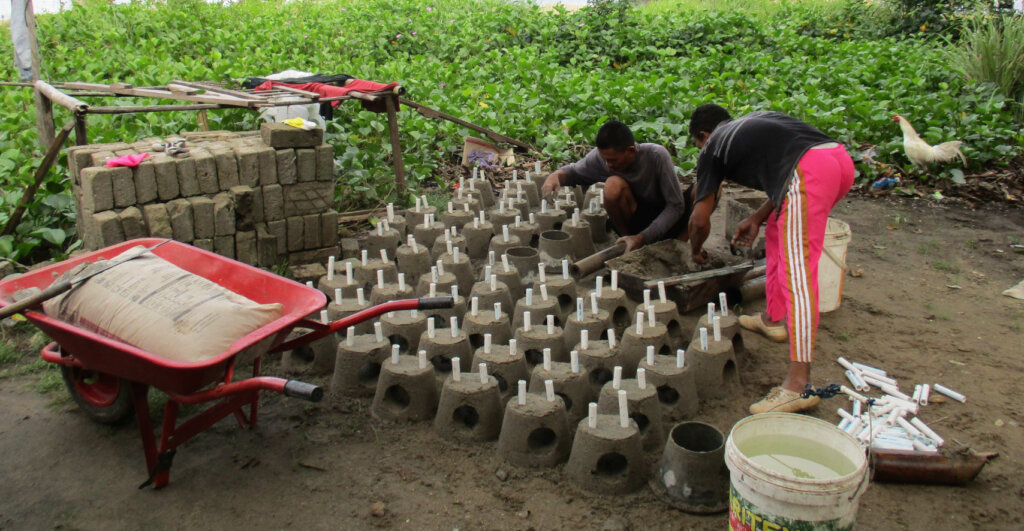
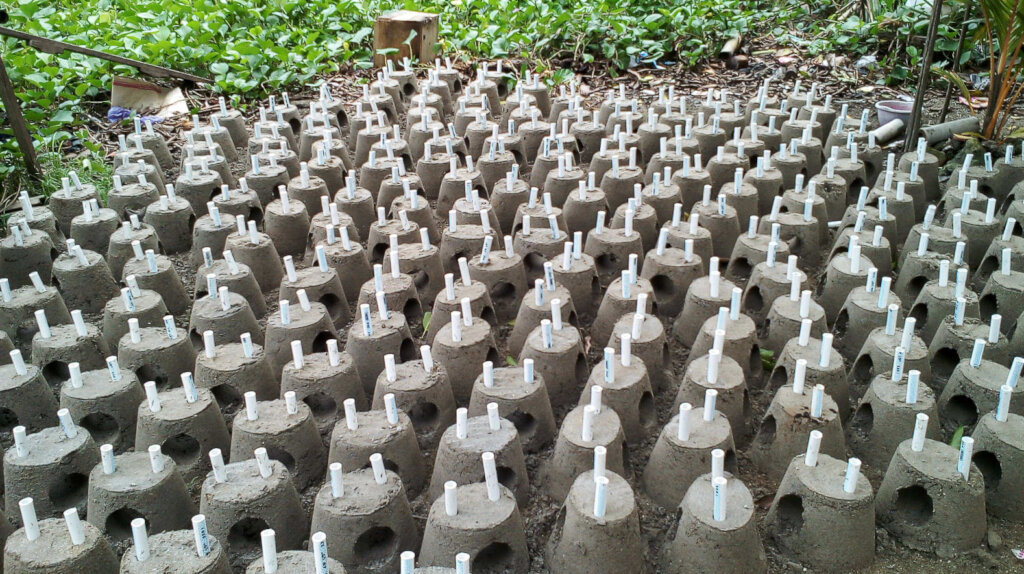
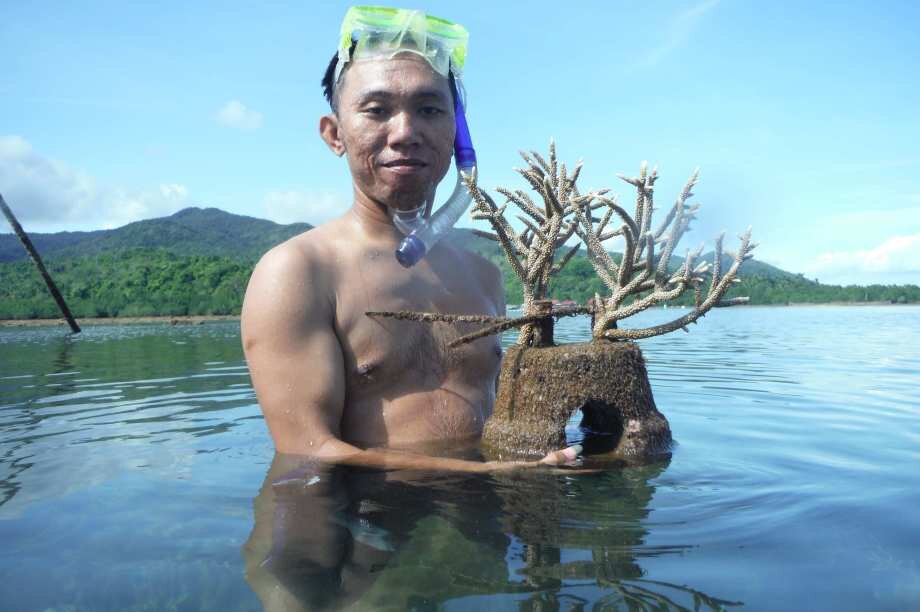
During this four-month period, the field activity carried out by IDRAP together with the community was constructing artificial coral in the form of cast concrete made from a mixture of sand, cement, gravel and cast iron. As a shaping medium, IDRAP utilized plastic waste (such as used buckets) to create an ideal shape that is resistant to sea currents when placed on the seabed. This artificial coral media is designed with a hole in the middle to become a home (shelter) for coral fish. While on the top, two ½ inch pipes are inserted to be a place to tie the planted coral seedlings. So that each artificial coral media will accommodate 2 coral seedlings that will be placed in locations where the coral has been damaged. It is expected that within 6-10 months, the coral seedlings will have been growing.
In the construction of artificial coral reefs that also serve as a medium for planting coral seedlings, IDRAP collaborates with 20 local fishers. IDRAP provides manufactured materials such as cement and cast iron, while the community provides sand, gravel and labor as their contribution. The construction work of artificial coral reefs was carried out for 10 working days, and produced 200 pieces of artificial corals that had been embedded with two pieces of ½ inch pipes in each artificial coral. These artificial corals are still drying in the hot sun to get better results and in order to be more resistant when placed on the seabed. To eliminate the smell of cement, this artificial coral media will be soaked in seawater for three months so that when placed on the seabed it will attract coral fish to come and live (take shelter). It is estimated that in the next four months, these artificial corals can be placed in damaged coral locations to accelerate coral rehabilitation.
“This is my first experience in coral planting activities. I just learned from IDRAP through this program that coral can be planted and grow. This is an extraordinary experience for me and I am very enthusiastic to see the results later." Adi, local fisherman in Southeast Sulawesi.
Thank you all for your support. We are all improving the future of the ocean, especially coral reefs as providers of nutrition not only for local communities but also for the world. Preserving coral reefs for present and future generations.
Project reports on GlobalGiving are posted directly to globalgiving.org by Project Leaders as they are completed, generally every 3-4 months. To protect the integrity of these documents, GlobalGiving does not alter them; therefore you may find some language or formatting issues.
If you donate to this project or have donated to this project, you can receive an email when this project posts a report. You can also subscribe for reports without donating.



Support this important cause by creating a personalized fundraising page.
Start a Fundraiser