By Lindsay Mattison | Executive Director
Dear friends,
There is a cholera crisis in Haiti.
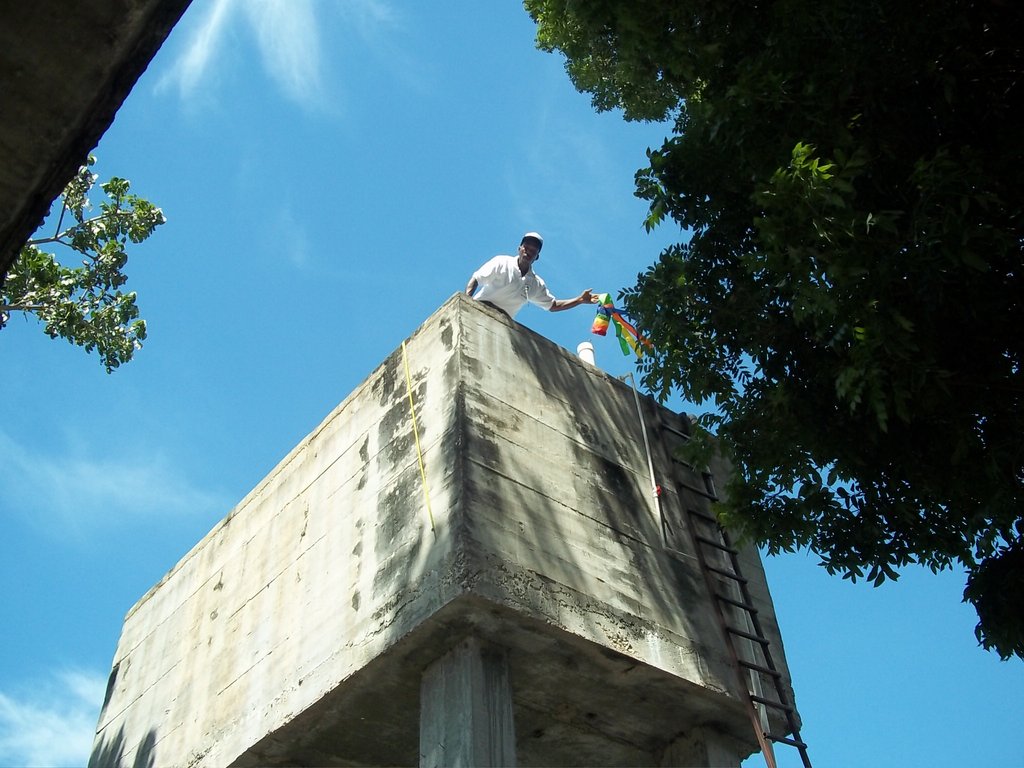
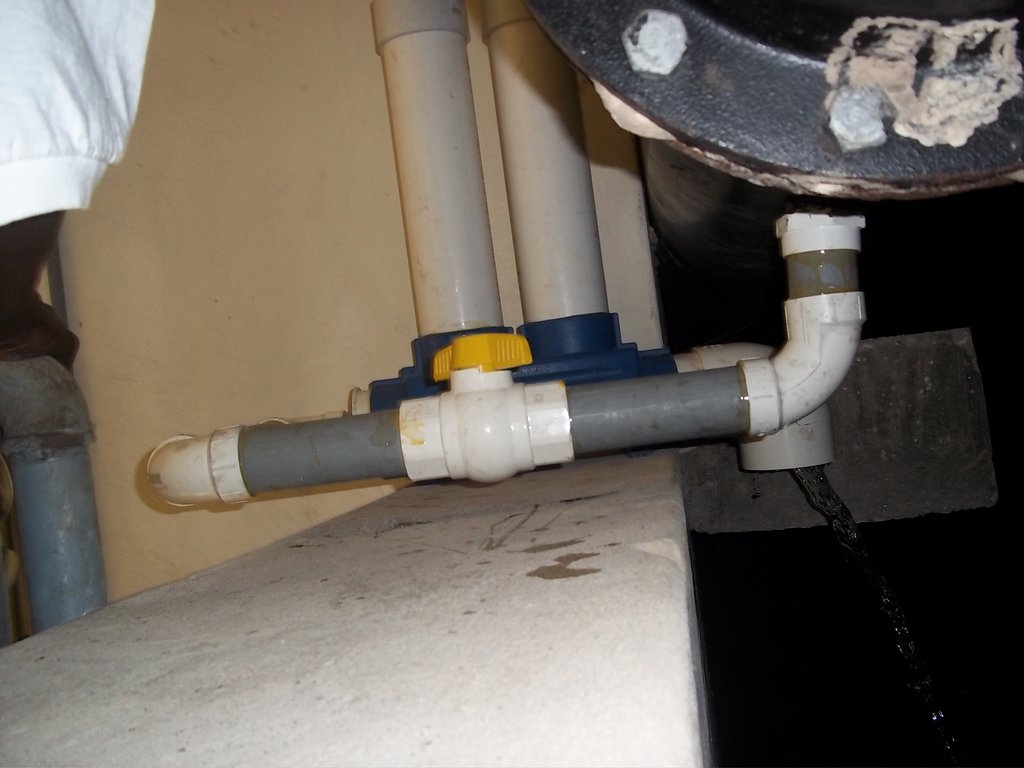
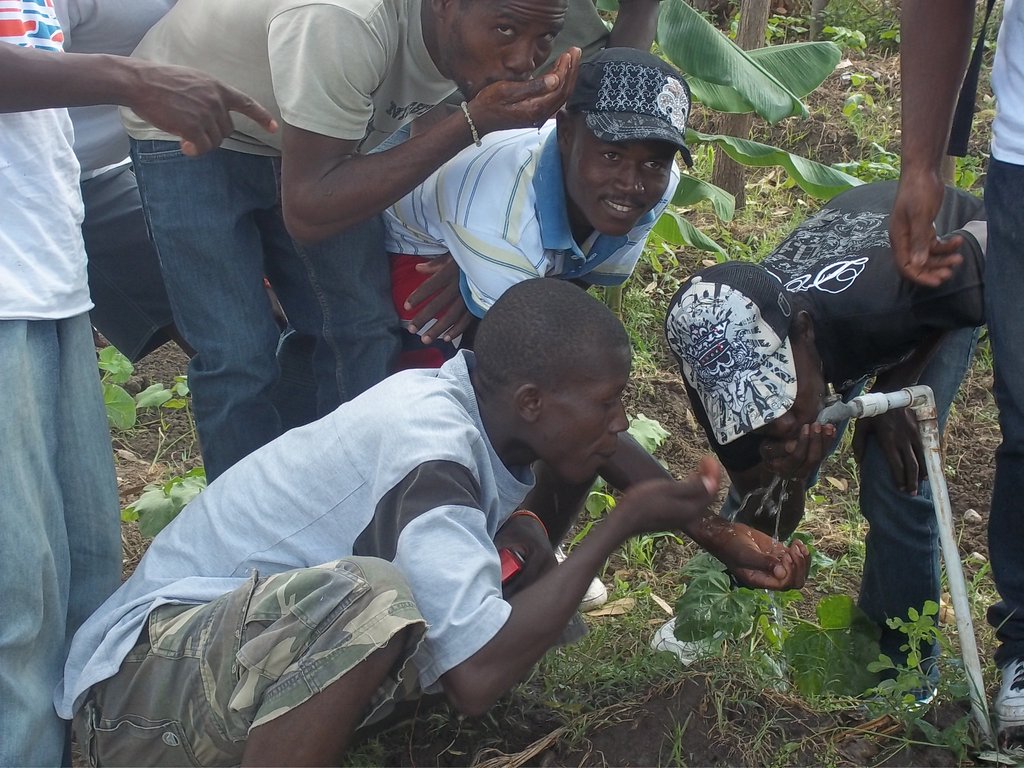
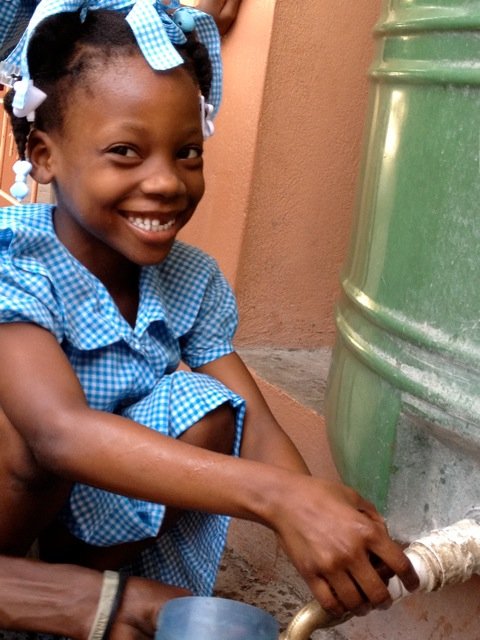
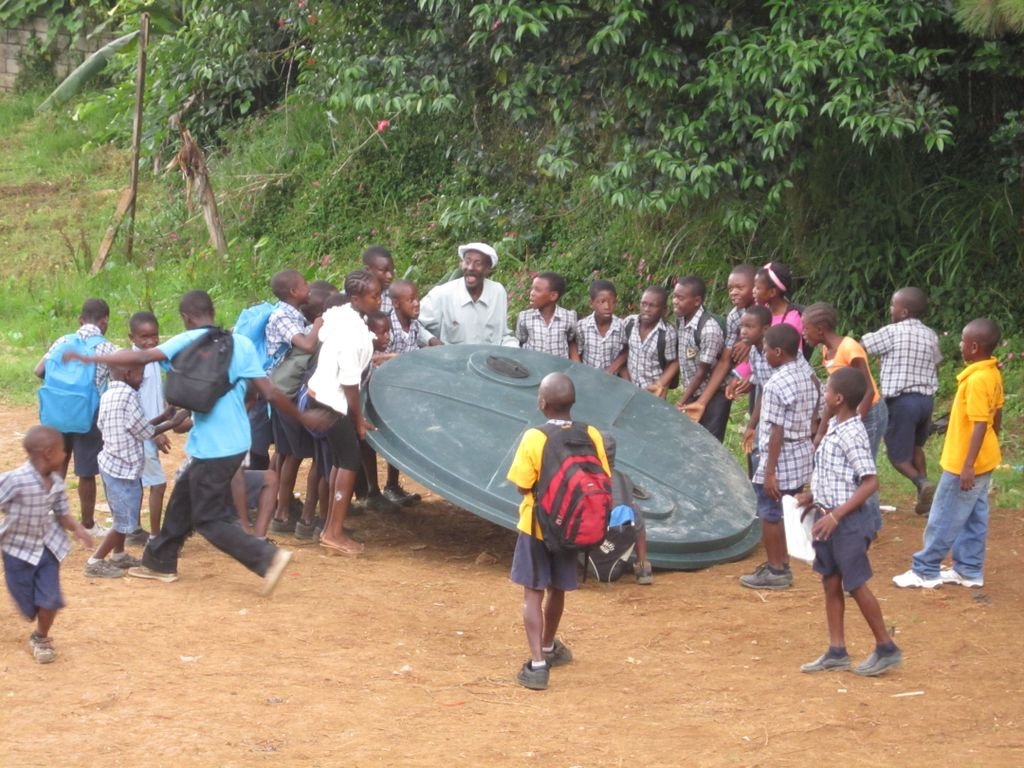
We will spend $120,000 to install new chlorinators and water tanks, distribute chlorine tablets and take our plumbers to towns outside Port-au-Prince.
The epidemic started 60 miles north of Port-au-Prince in the area of St. Mark where 100,000 refugees are camped in tents. International Action is working to confine the epidemic to the Artibonite region by installing chlorinators in several towns. The Haitian government is trying to restrict travel by refugees infected by cholera.
However, each day a few infected families make it through the government blockade, aiming to return to Port-au-Prince where friends and doctors and hospitals exist.
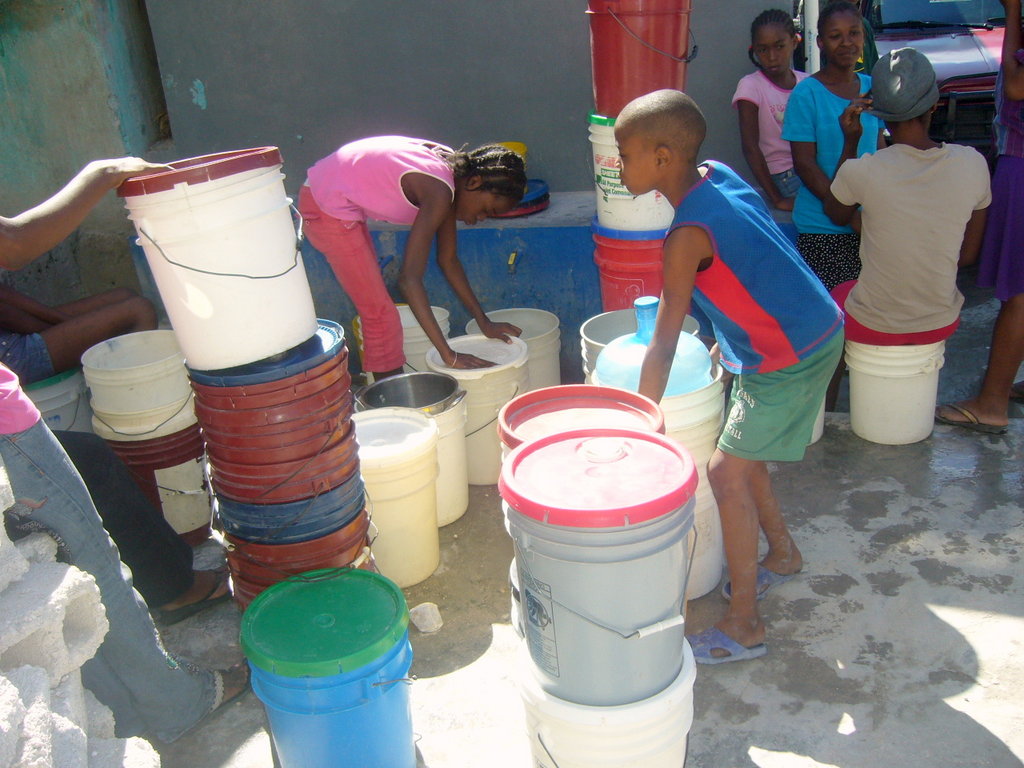
As a result more than 1.3 million survivors of the earthquake of January 12 are in danger. These people are jammed into tents in camps around Port-au-Prince with no sewers and very little access to clean water.
Cholera is the worst of waterborne diseases. “It travels with the speed of lightening and can kill a person in four hours,” says Haitian camp leader Jean Michel Maxmillien. “So of course we are all on edge”.
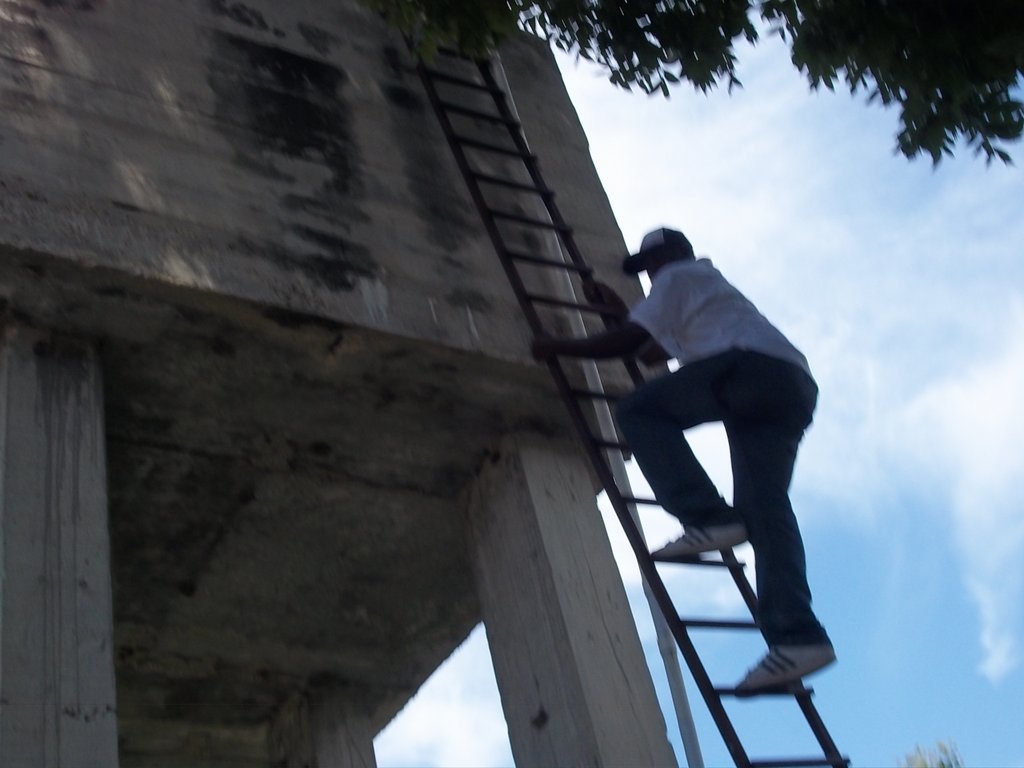
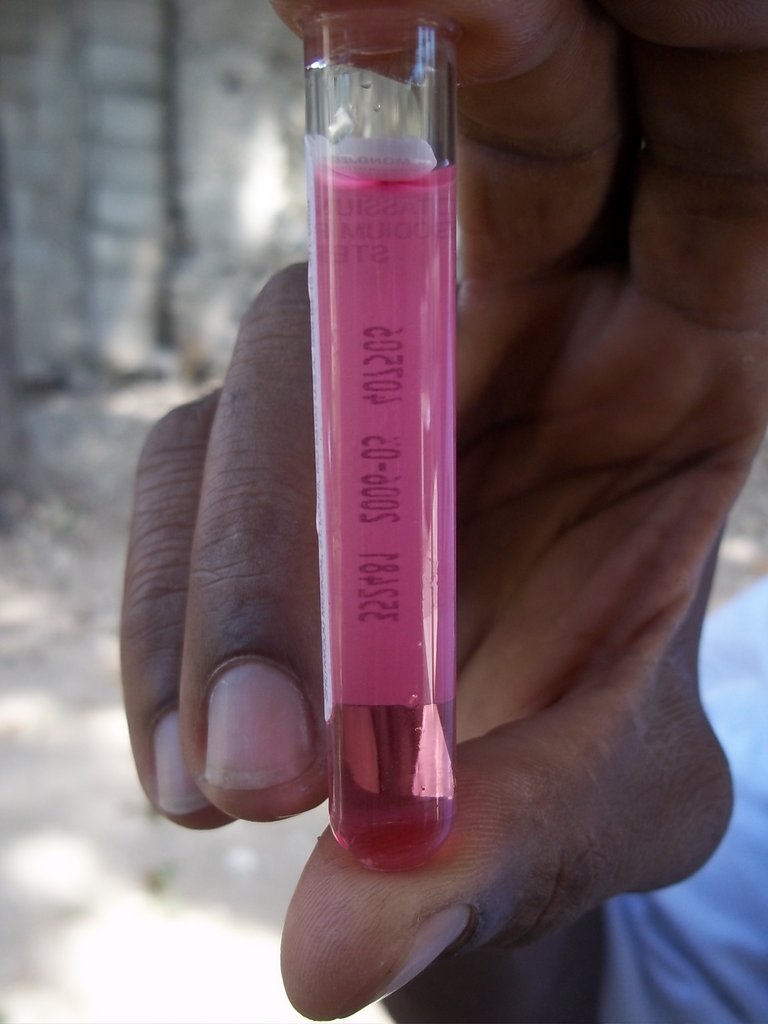
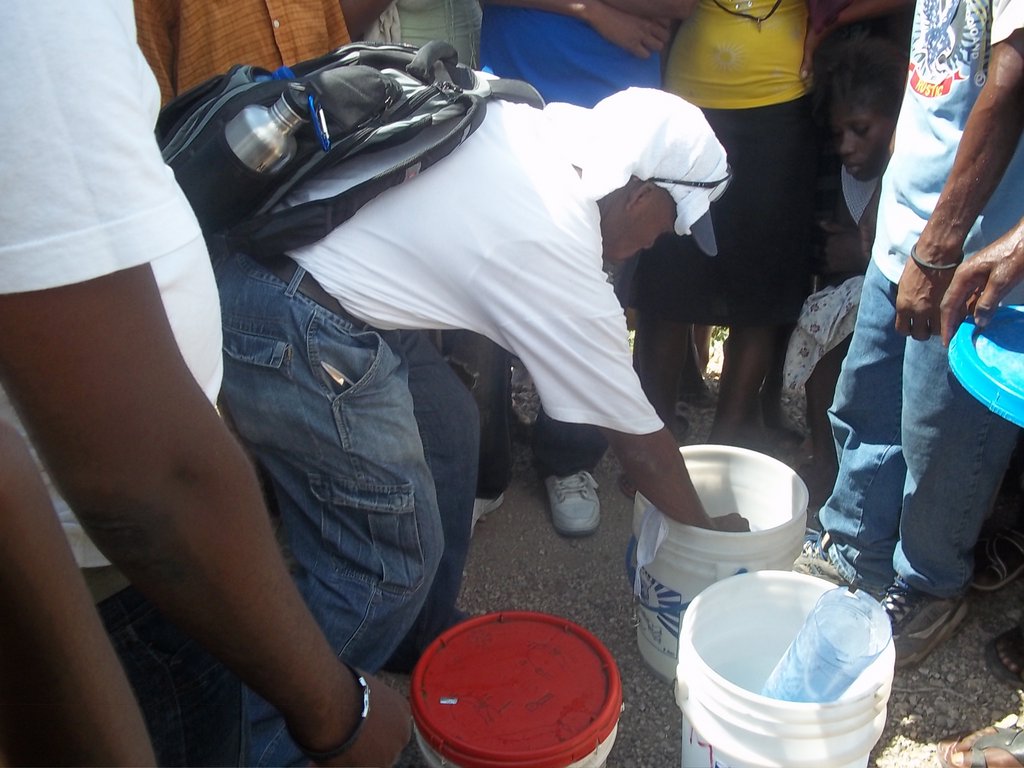
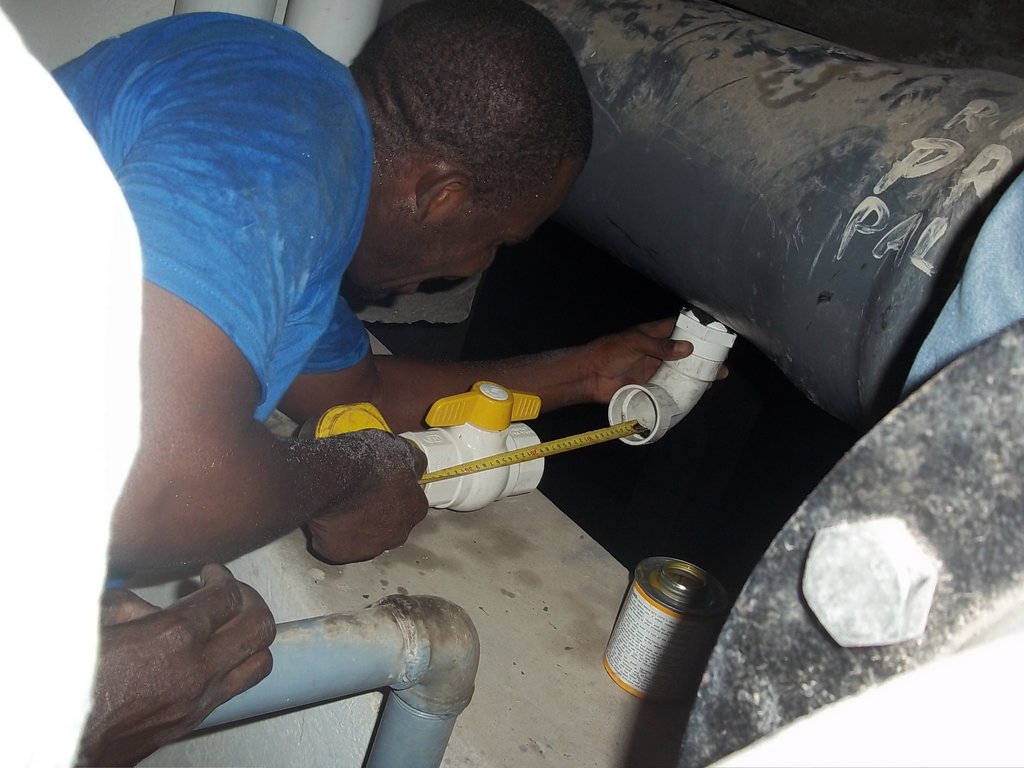
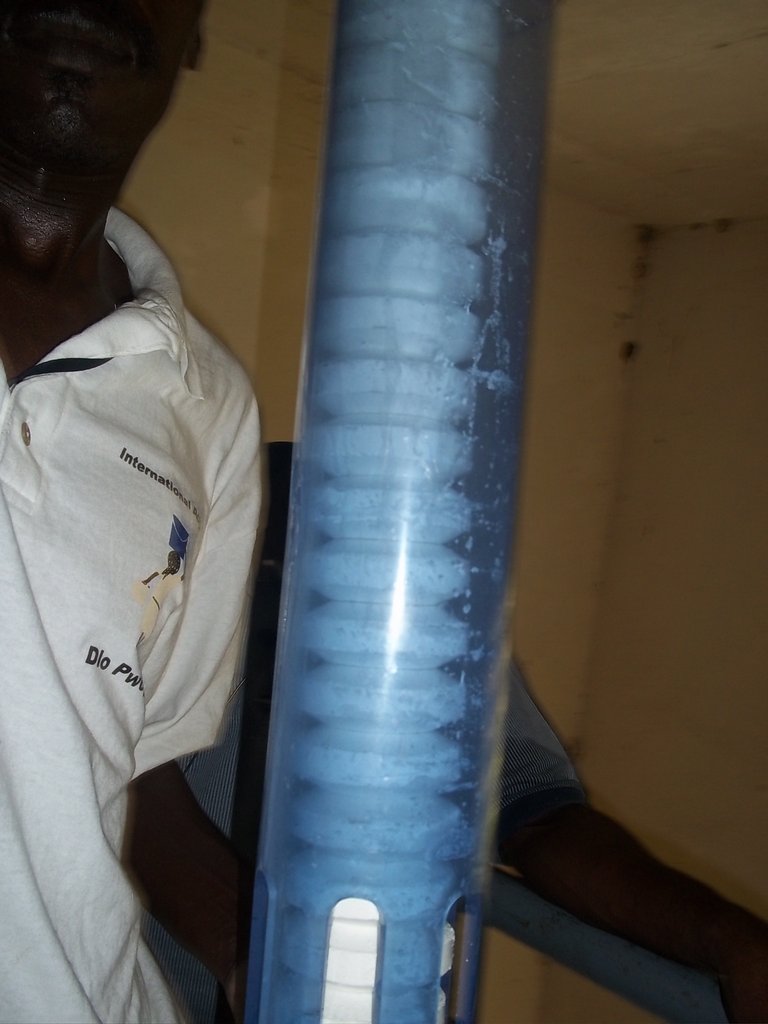
Led by Wesley Laine of International Action and Dalebrun Esther begin_of_the_skype_highlighting end_of_the_skype_highlighting of our partner group in Haiti – Dlo Pwop – 10 staff are installing chlorine systems, distributing chlorine tablets, and testing water to end the cholera epidemic. The Haitian water agency – DINEPA – asked for our help and joined our campaign in St. Mark and the Artibonite province. We also have 40 chlorine sites in Port-au-Prince serving clean water to 400,000 Haitians.
We need your help immediately to stop the epidemic. A gift of $250 will cover staff travel and enable them to install a chlorinator. $500 will pay for chlorine for 5 towns. $50,000 will enable Dalebrun to hire local plumbers in St. Mark, rent a small storage area and begin to protect the large Artibonite region.
We are counting on you!
Lindsay Mattison
Director
Project reports on GlobalGiving are posted directly to globalgiving.org by Project Leaders as they are completed, generally every 3-4 months. To protect the integrity of these documents, GlobalGiving does not alter them; therefore you may find some language or formatting issues.
If you donate to this project or have donated to this project, you can receive an email when this project posts a report. You can also subscribe for reports without donating.