By Jane Berry | Business Development & research
As Simon and I make our way back to Zambia for our June visit, we're doing our best to follow the adage: Act local, think global. Can a tiny organisation like ColaLife 'think global'? Yes, we can.... but first: acting local.
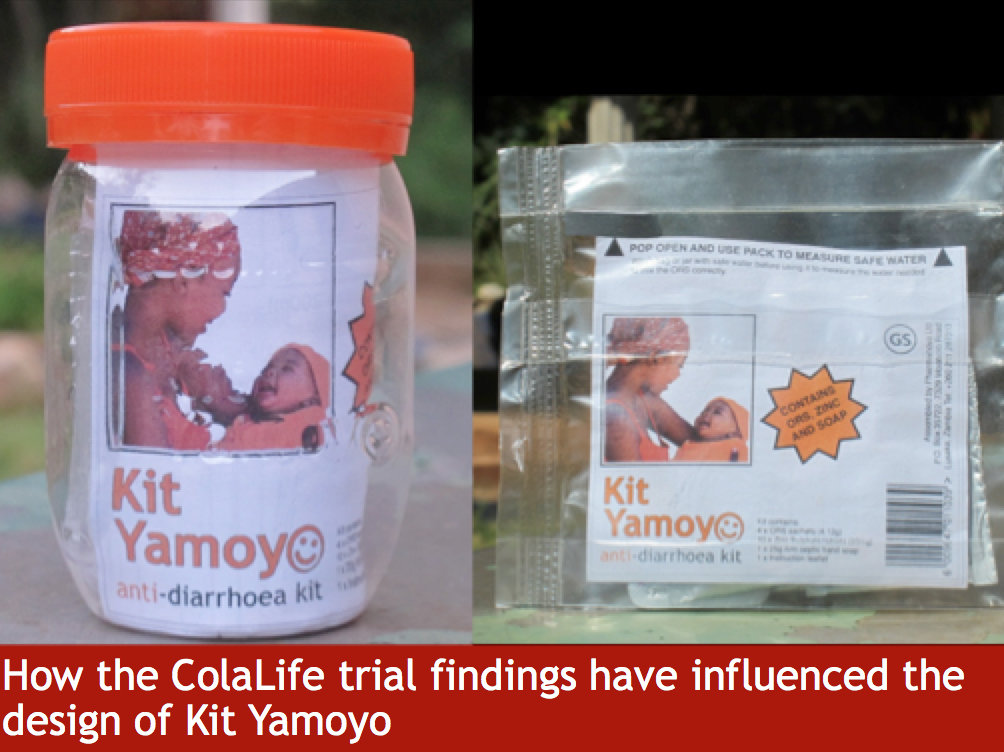
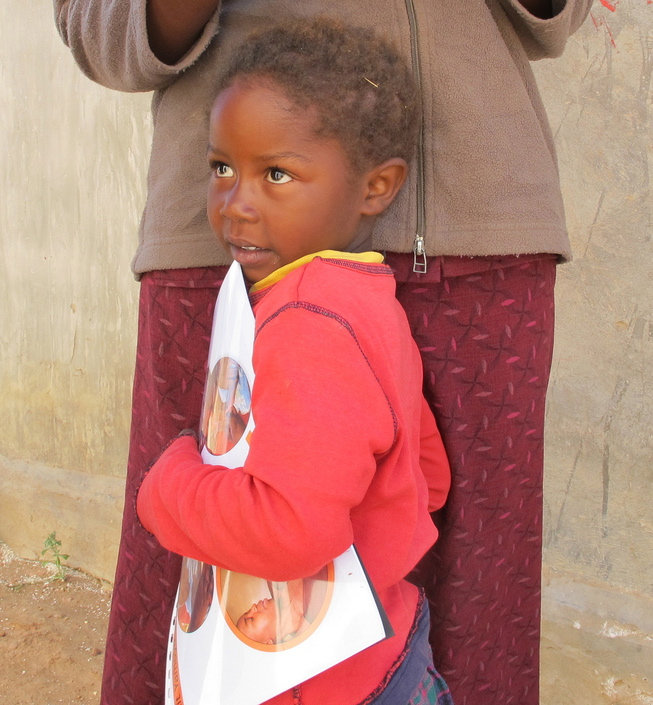
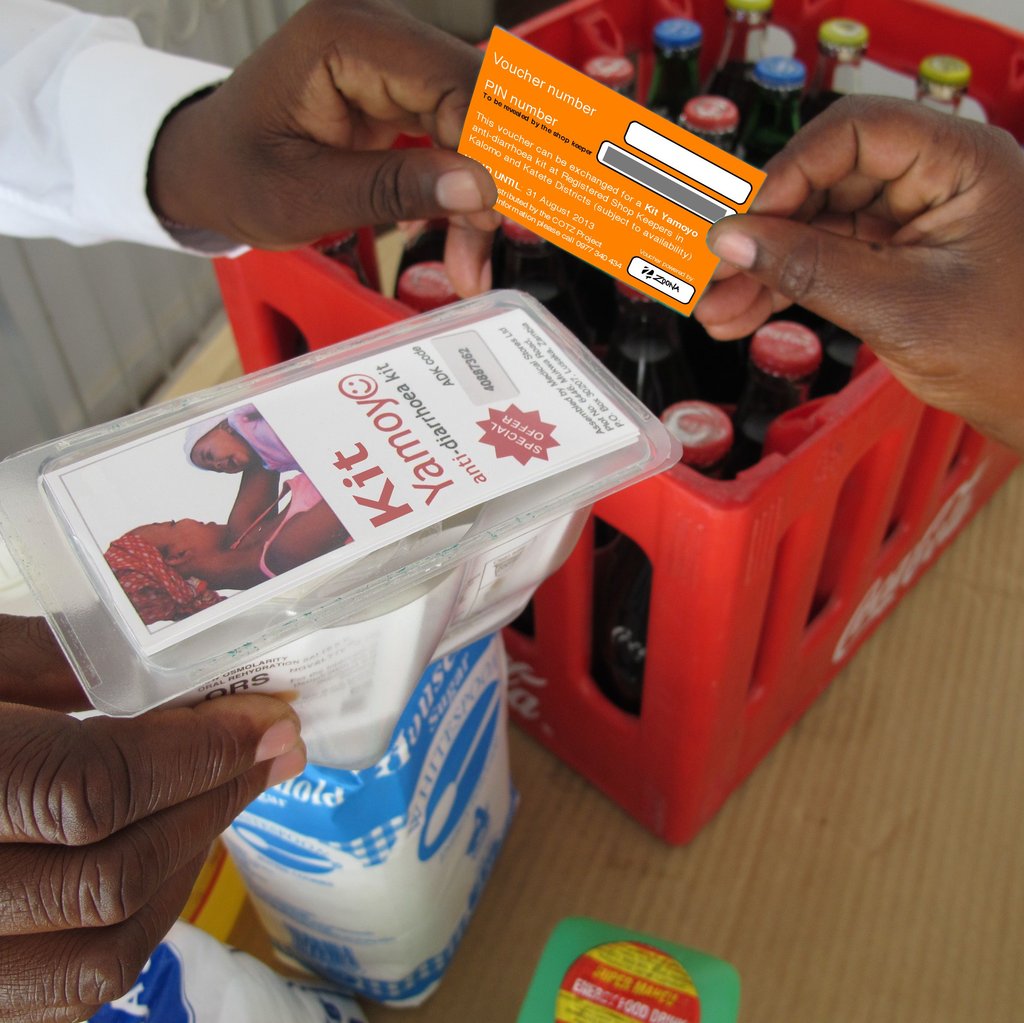
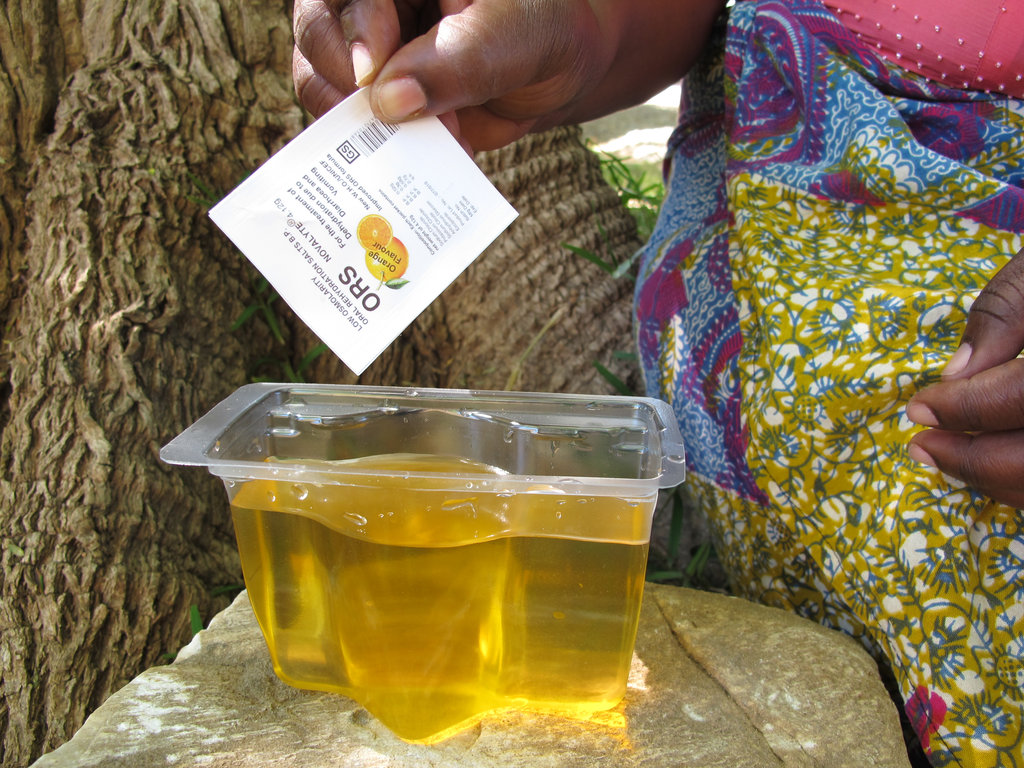
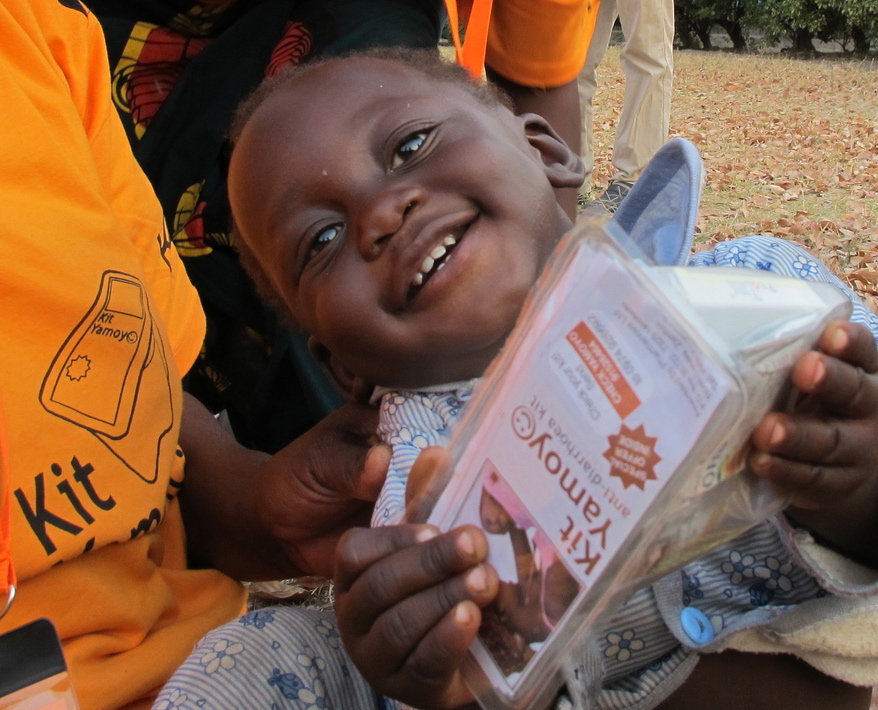
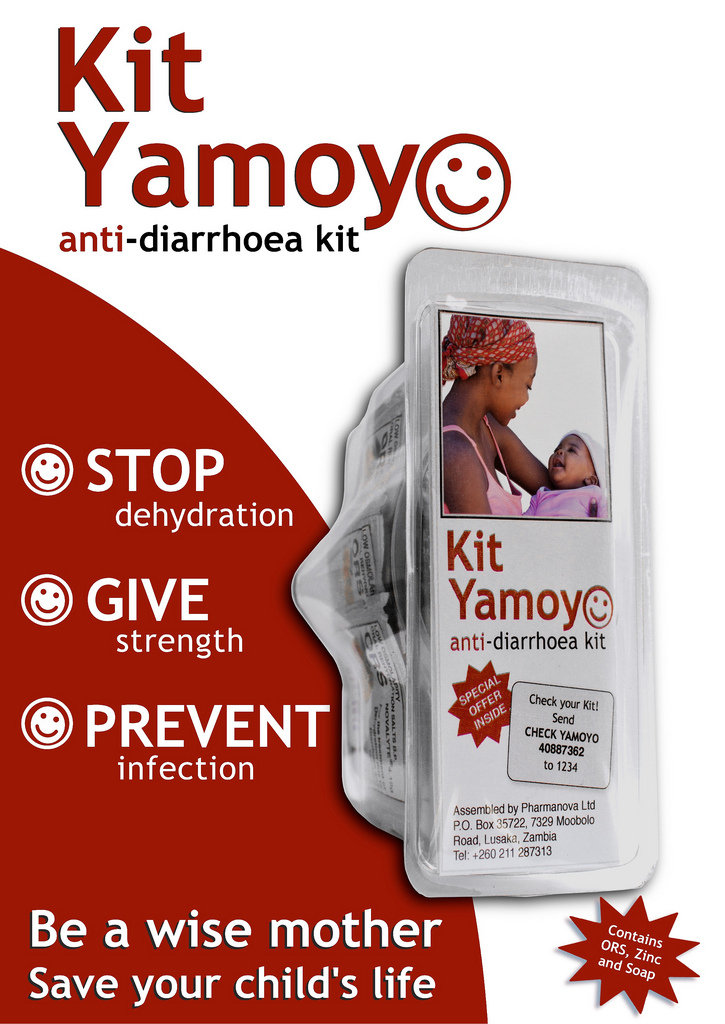
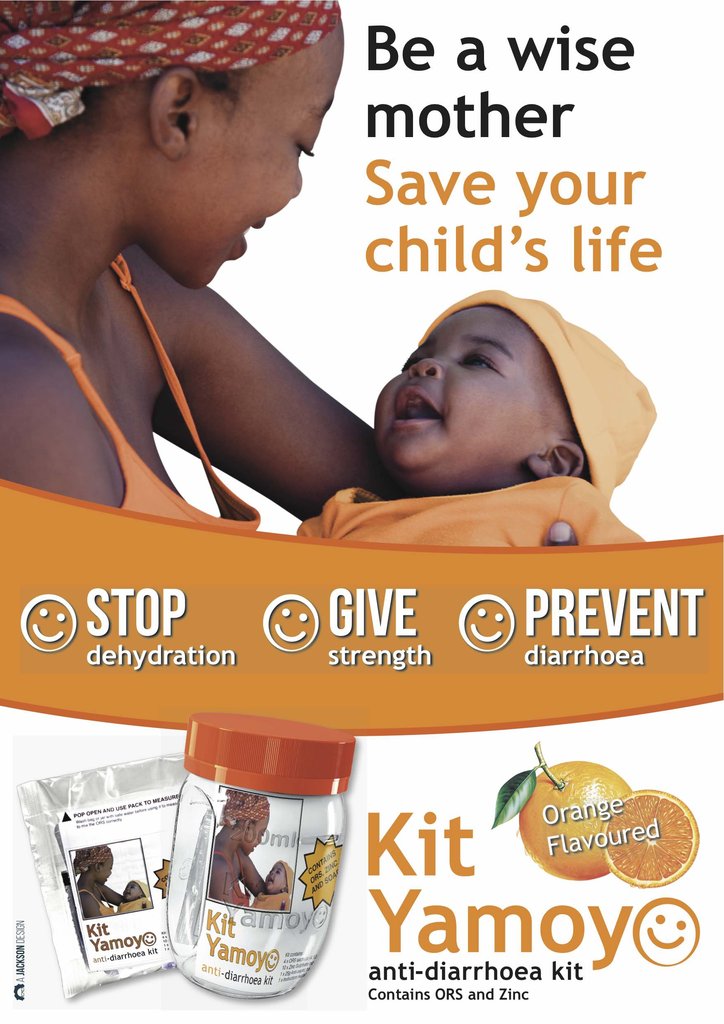
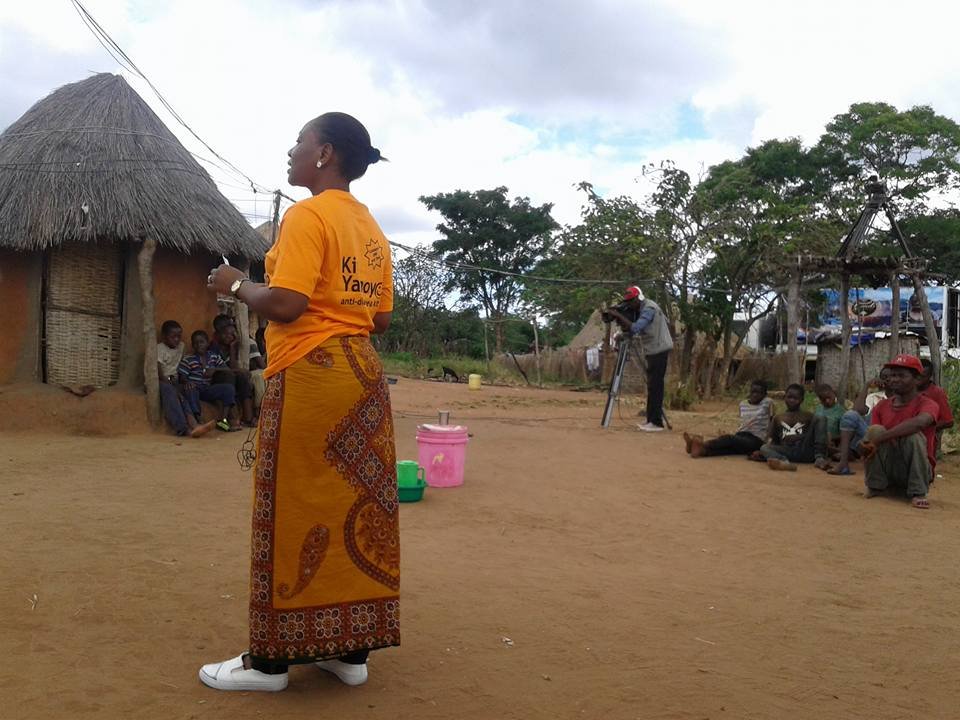
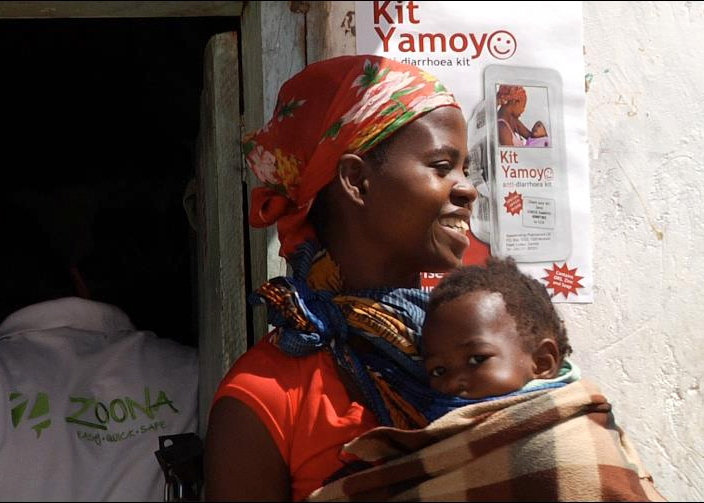
With a hard-working local partner like Keepers Zambia Foundation (KZF) 'acting local' is the easy part. Promotion of Kit Yamoyo - our easy-to-use Oral Rehydration Salts and Zinc co-pack for childhood diarrhoea - continues apace in Zambia, with KZF running drama sessions and meetings across the capital, Lusaka, as well as in remote villages.
There was great excitement in April, when KZF staff were filmed promoting Kit Yamoyo in a village in Eastern Province, as part of a popular Zambian reality TV show. MUVI TV's programme, "Beads and Lipstick", follows young village women - 'Beads' - as they swap places with 'Lipsticks', their urban counterparts. Both the programme and the health-messaging has the support of forward-looking local Chieftainess Mkanda: "It will help the girls learn and share experiences in life."
And thinking global? Well, earlier this year, we launched our campaign to change the way WHO lists ORS and Zinc for childhood diarrhoea. Common sense tells us that if combination treatment is the global WHO recommendation - and it has been for 13 years now - then a co-packaged treatment should be on the all-powerful, international Essential Medicines List. But it isn't.
Why is this important? Because WHO's Essential Medicines List drives governent buying policy in developing countries. It focusses limited budgets. It targets health education and training. Fewer than 1% of children with diarrhoea get the life-saving combination therapy provided by products such as our Kit Yamoyo, now made and sold across Zambia. It is clear from our work in Zambia and the work of others, that as long as ORS and Zinc are listed as separate items on the Essential Medicines List for Children (EMLc) they will continue to be bought separately, supplied separately and rarely dispensed together.
It is often the simplest things that get over-looked. So, in March this year, we put out a call to experts for their comments: Why doesn't WHO list co-packaged ORS and Zinc as a single treatment? Bouyed by their response, we wrote to the Secretary of the Expert Committee on the Selection and Use of Essential Medicines, Doctor Magrini, in Geneva. The committee was about to embark on its 2-yearly review of the list. The deadline for submissions had just closed. With his help and advice, we attempted to obtain a last-minute official letter from Zambia's Ministry of Health - a plea to review the listing of ORS and Zinc, together, as a combined treatment.
Ultimately, we were too late for this round of decision-making - but we did manage to throw a few pebbles into the global 'pond', and the ripples are showing. In May, Simon addressed the Access to Medicines conference in Geneva, and while there, managed to meet with a potential supporter within WHO. Simple things are never as simple as they seem. It may take another 2 years, but we hope to gather funding and peer-reviewed evidence to make sure co-packaged ORS and Zinc is listed by WHO for home treatment of childhood diarrhoea.
With your help, we can do it!
Project reports on GlobalGiving are posted directly to globalgiving.org by Project Leaders as they are completed, generally every 3-4 months. To protect the integrity of these documents, GlobalGiving does not alter them; therefore you may find some language or formatting issues.
If you donate to this project or have donated to this project, you can receive an email when this project posts a report. You can also subscribe for reports without donating.