By Simon Berry | CEO and co-founder
This is a tale of two health centres, way out in the African bush. It tells us a lot about the fine line between success and failure.
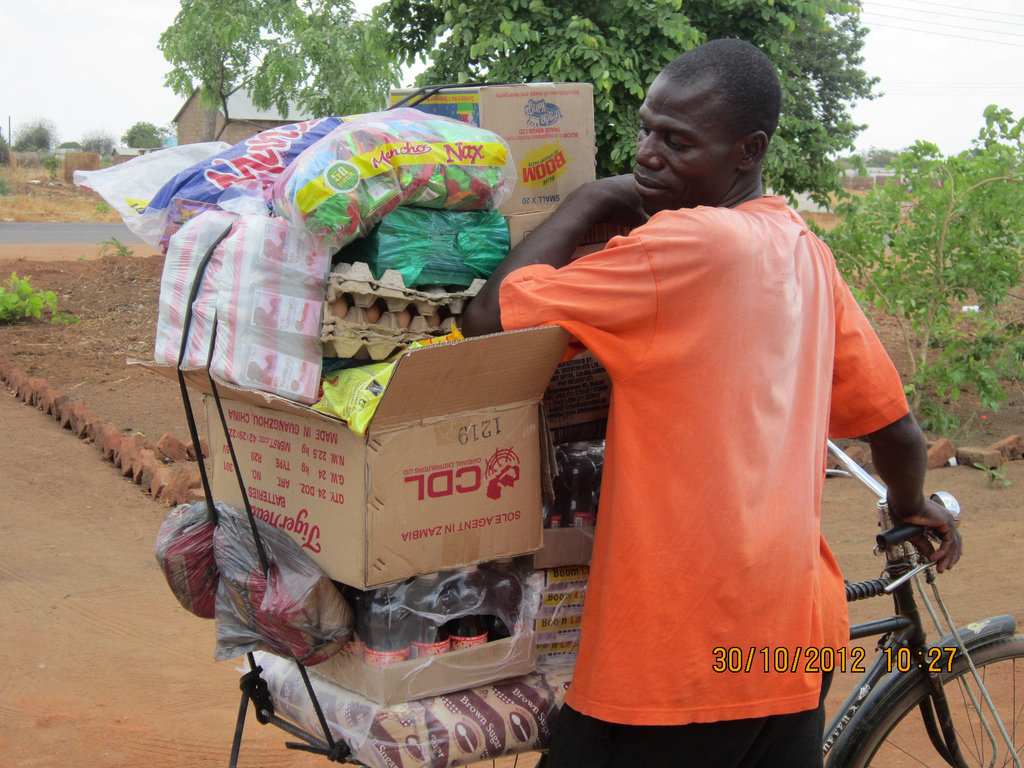
Let me take you to Chinsali - a small, dusty town, over 8 hours' drive from Zambia's capital, Lusaka. Chinsali is a significant place for ColaLife: it was here that the inspiration for our work was born, in the 1980s. It was while working here that it first struck me that in Chinsali and the surrounding villages, miles from anywhere, I could get a Coca-Cola. Yet there was nothing to treat a child with diarrhoea, which even today is still the third biggest killer of children under five years old.
I worked in Chinsali from 1985 to 1989 and last week, I returned - after 27 years. All my old haunts were still there but all around, progress is clear to see: where there were no two storey buildings, there are now multi-storey government offices. Where there were no fuel stations, now there are two. The old main street is now a bustling town centre with hundreds of shops including two pharmacies.
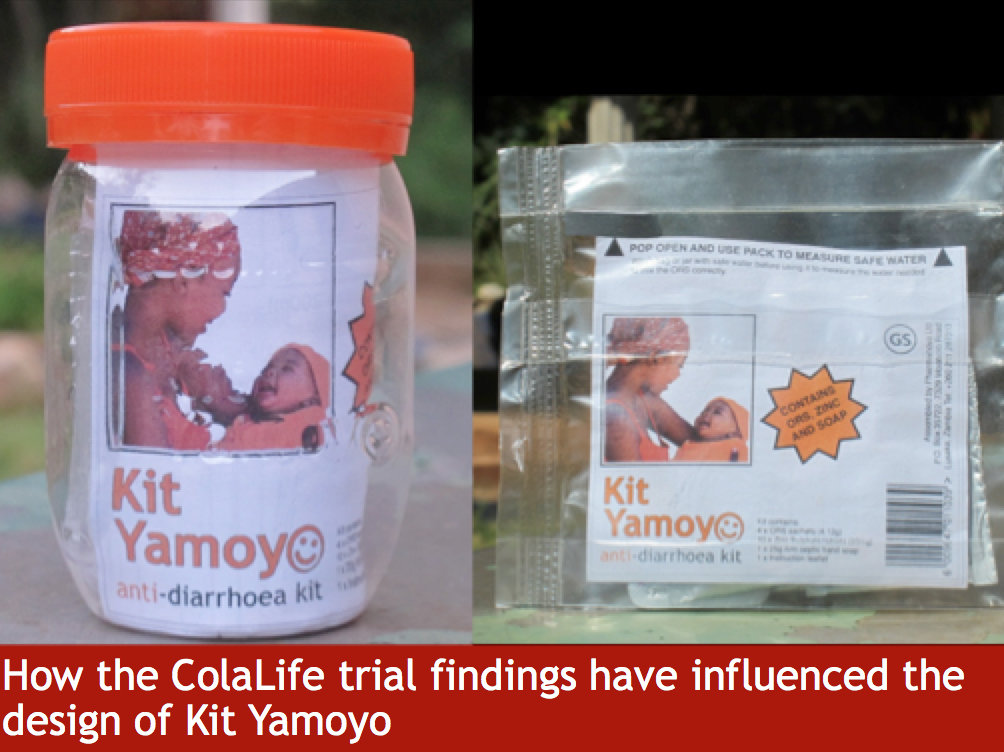
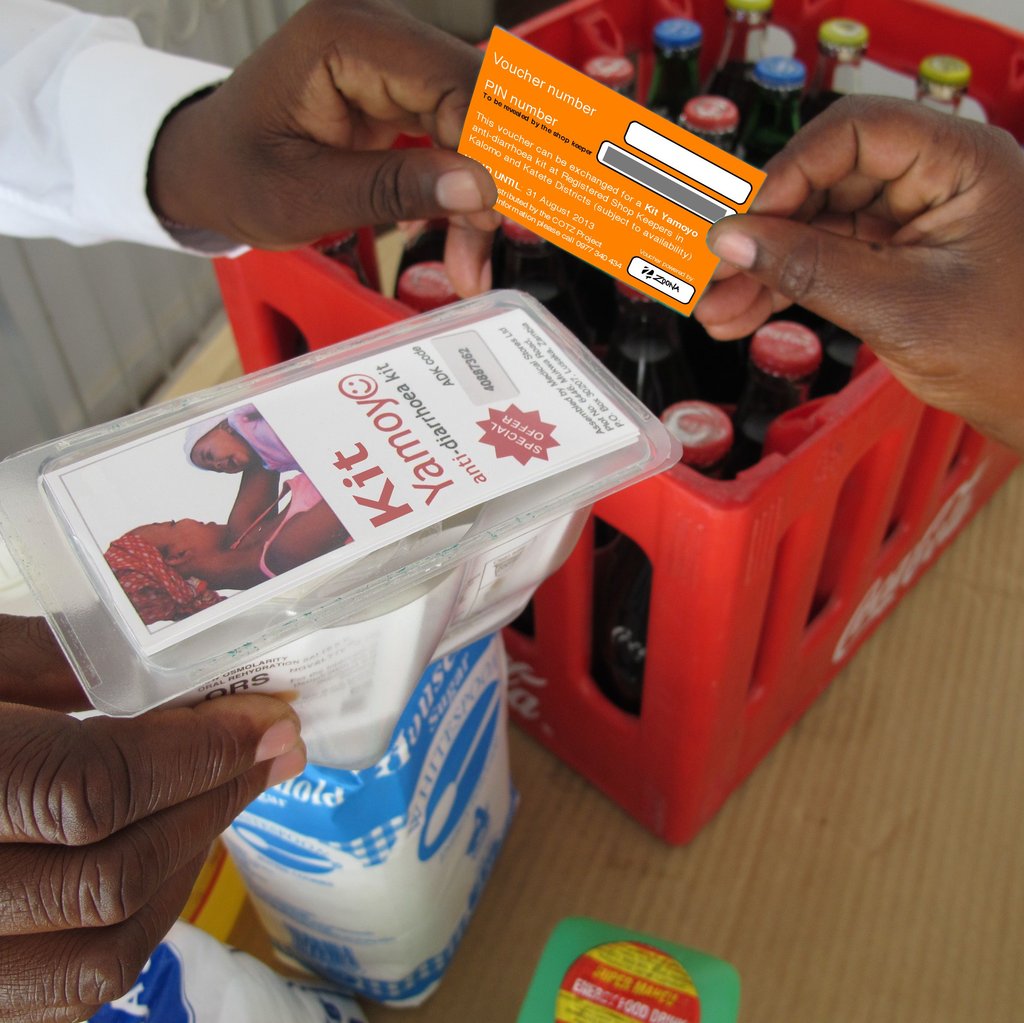
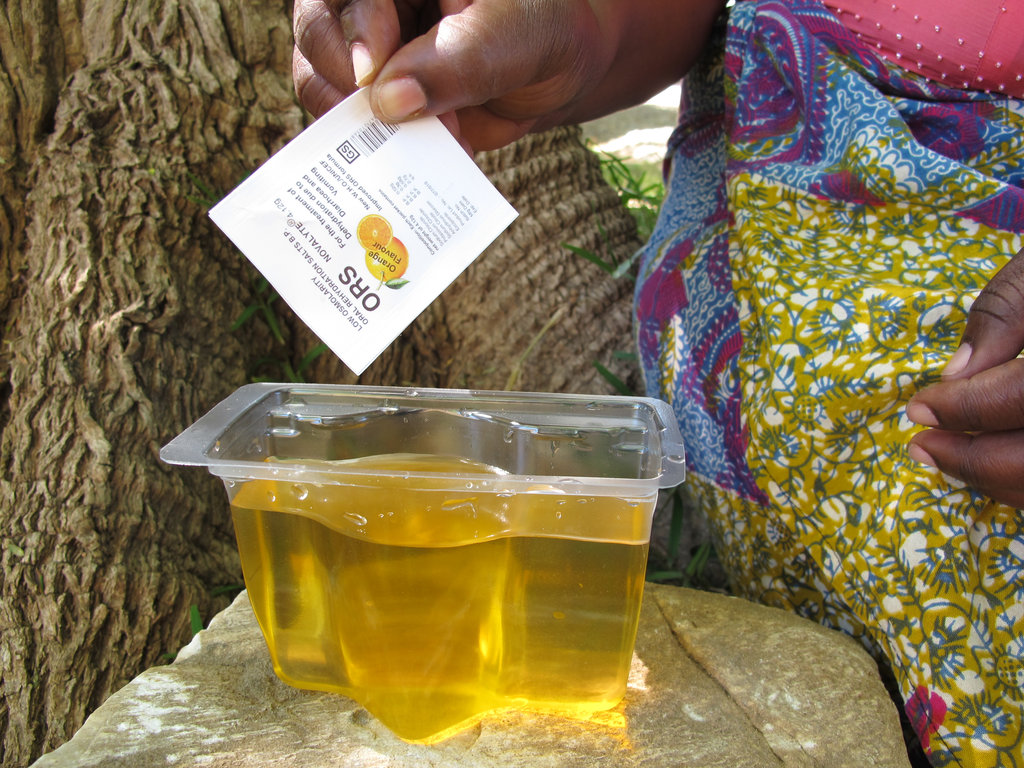
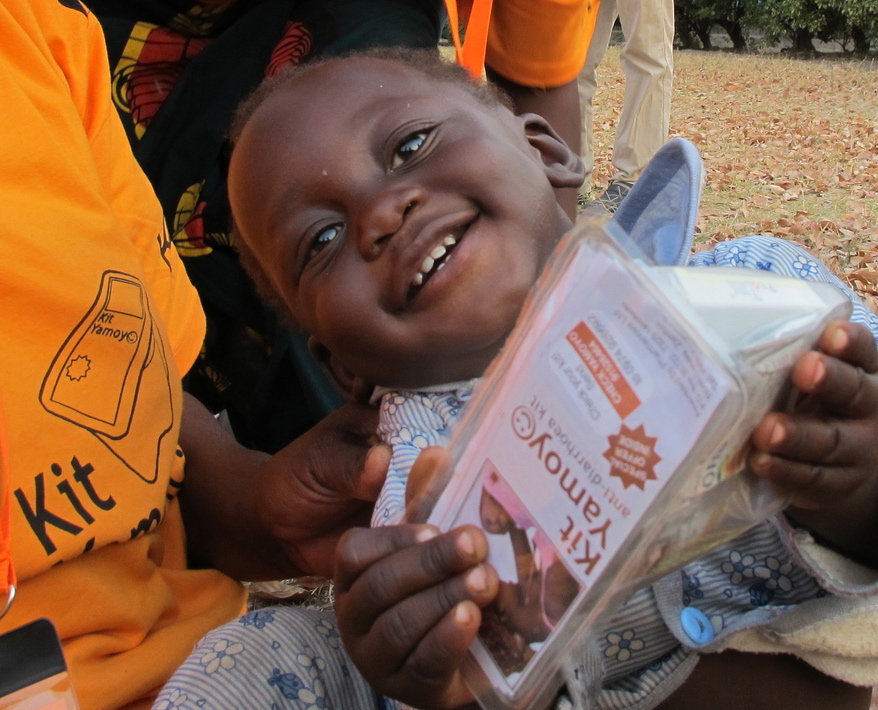
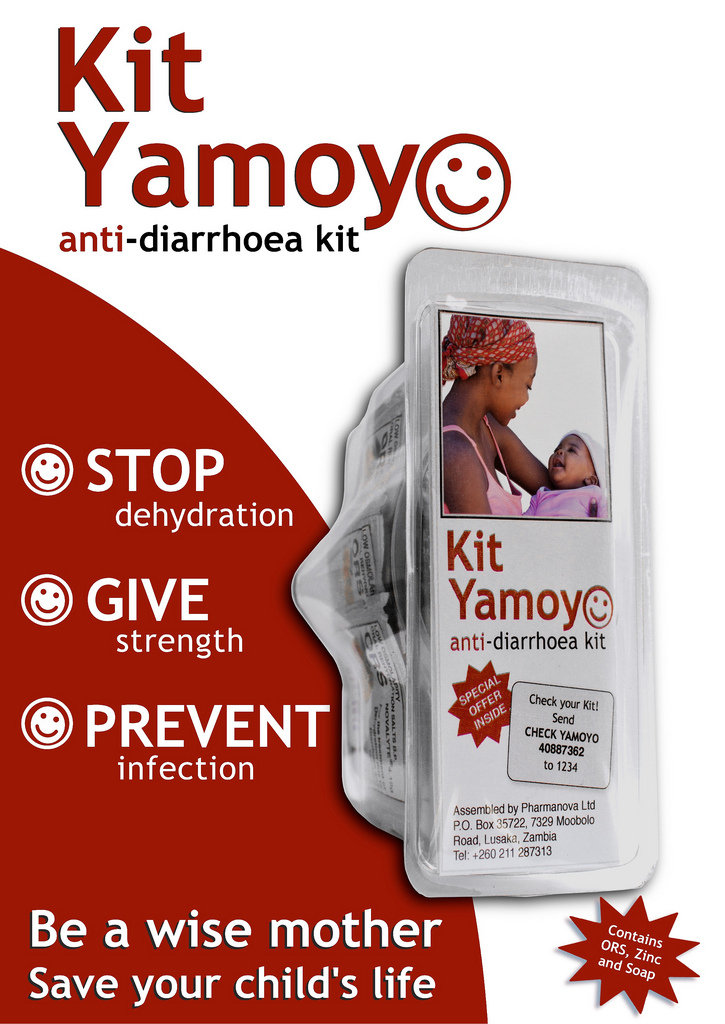
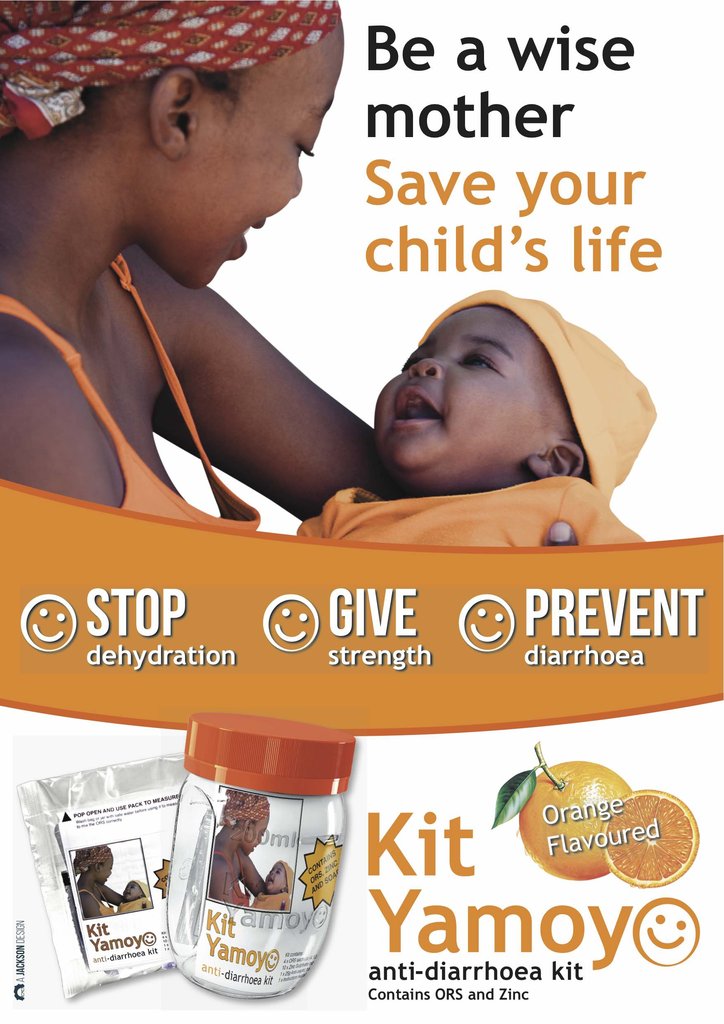
I was visiting with my counterpart, Albert S from Keepers Zambia Foundation, to check on the reach of our anti-diarrhoea kit, Kit Yamoyo. In Chinsali, the Zambian government is distributing its own ORS and Zinc co-pack, based on our ground-breaking design, for free, from health centres.
Our first stop was Chinsali District Hospital where they had plenty of stock of the new co-pack. These are being delivered to them by Medical Stores: the public sector distributor. This distribution route is not always reliable, which is why we work hard to promote the private sector, to sit alongside what the government can do. But today: so far, so good.
We set off, with the District Pharmacist, driving 40km north of Chinsali Town to Mundu Rural Health Centre. This serves a population of around 8,000 people. We learnt that here, they see an average of 5 diarrhoea cases a day (150 a month). All the staff we met here knew about the new ORS and Zinc co-pack but there was no detailed knowledge of the product and they had no stock. The co-packs ran out about two weeks ago - but no-one had ordered any more. Not so good.
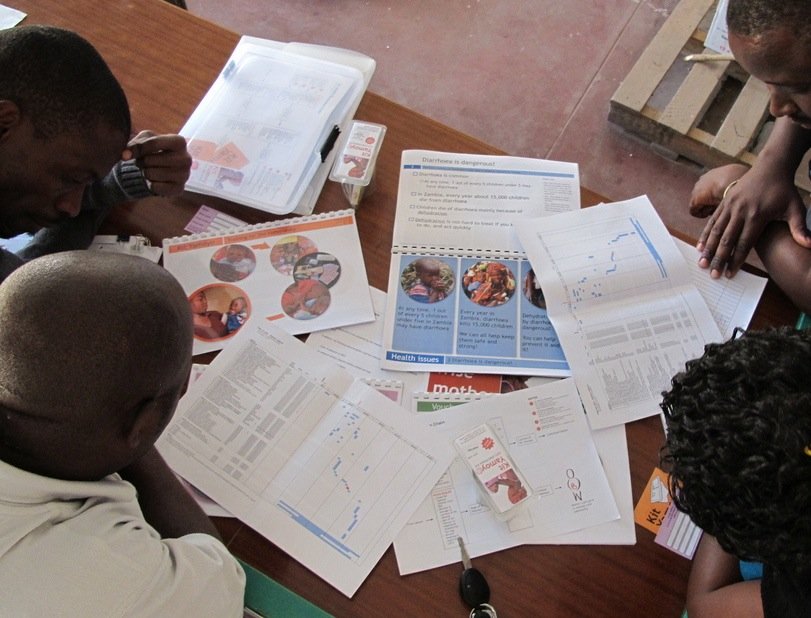
Apparently, the person we had trained in the new ORS/Zinc co-pack had moved on. Obviously, there had been no hand-over. Albert demonstrated the kit to the staff and they vowed to pick up some kits the next time they were in Chinsali. Unfortunately, we had to leave the health centre as we found it: with no stock of this simple, life-saving pack.
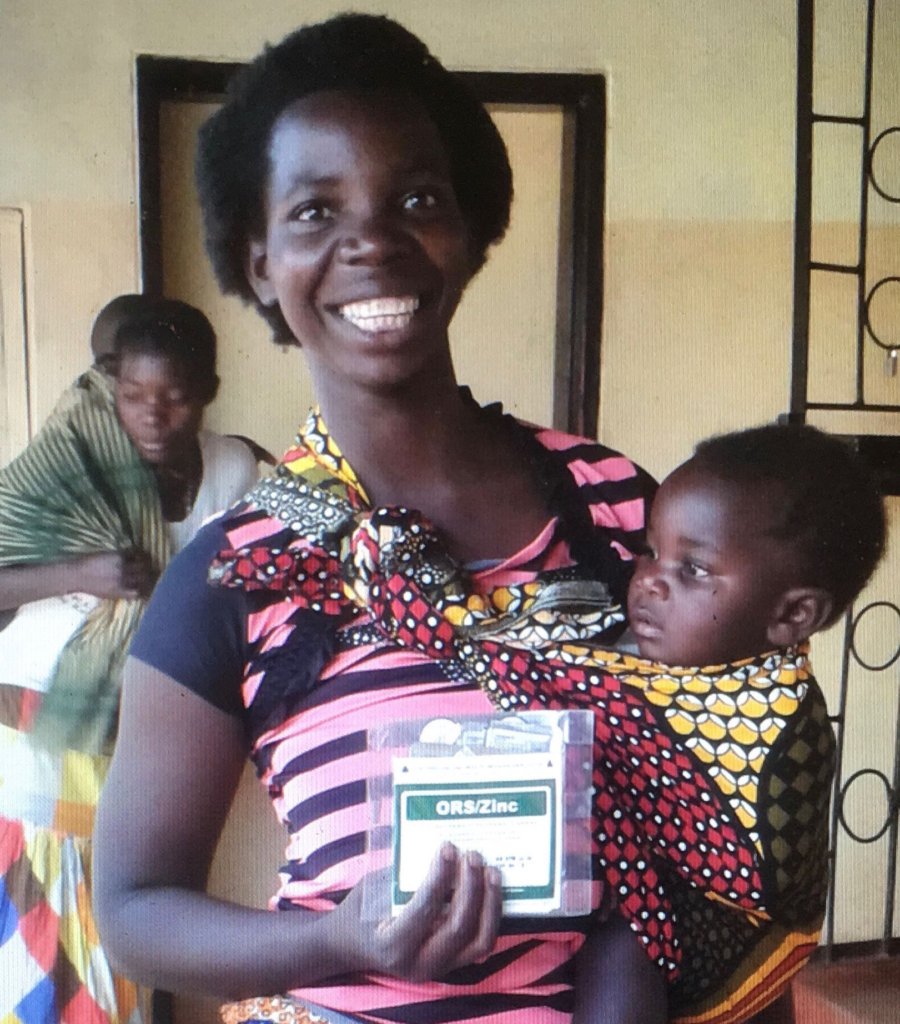
The next visit was to Lubwa Mission Rural Health Centre. Here we encountered a completely different situation. The District Pharmacist had travelled with us, taking advantage of the lift, and he'd brought the clinic's order: a box of 150 ORS and Zinc kits. Elvis S, the Clinical Officer in Charge, greeted us, as he signed for the delivery:
"Here in Lubwa, we take care with our ordering and our stock. All the children's cases of diarrhoea that we see are given this new ORS kit, this Kit Yamoyo. Even now, we have 50 kits in stock. This kit works - it is very effective. The mothers who bring their children appreciate it - very much. Every day, we treat 3 or even 5 cases of diarrhoea. It is the high season for this problem: the number of cases is increasing due to the season: we have higher temperatures, water sources drying up, and so the water is at greater risk of contamination."
Mr S obviously runs a tight ship, and was very enthusiastic about the kit - which, interestingly, he calls Kit Yamoyo - its brand name - even though the government version doesn't carry the Kit Yamoyo name or branding. This extends to the way it is recorded in the dispensing register: Kit Yamoyo, the Kit of Life. Brand is vital: for trust, for reputation and for establishing the brand in Zambia.
ColaLIfe works closely with the public sector, but it is not our realm. Nevertheless, we went back to the district with some suggestions for the District Medical Officer: Why not send a box of the new kits every time a bulk order goes out - whether it's been ordered or not? When Community Health Workers go out into villages, can they carry and dispense the new co-pack during their out-reach work? As well as getting more kits into the hands of mothers, this would also spread the knowledge of the co-pack across the teams at health centre level so that the system is less vulnerable to the transfer of staff. And if a vehicle is visiting, don't let it go empty: always send some stock!
Project reports on GlobalGiving are posted directly to globalgiving.org by Project Leaders as they are completed, generally every 3-4 months. To protect the integrity of these documents, GlobalGiving does not alter them; therefore you may find some language or formatting issues.
If you donate to this project or have donated to this project, you can receive an email when this project posts a report. You can also subscribe for reports without donating.