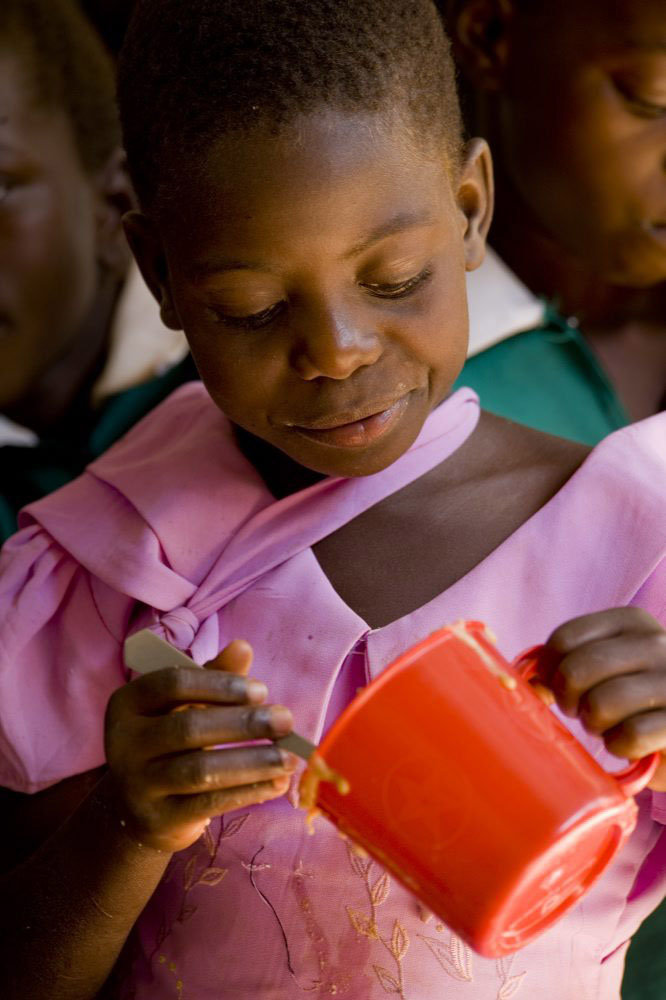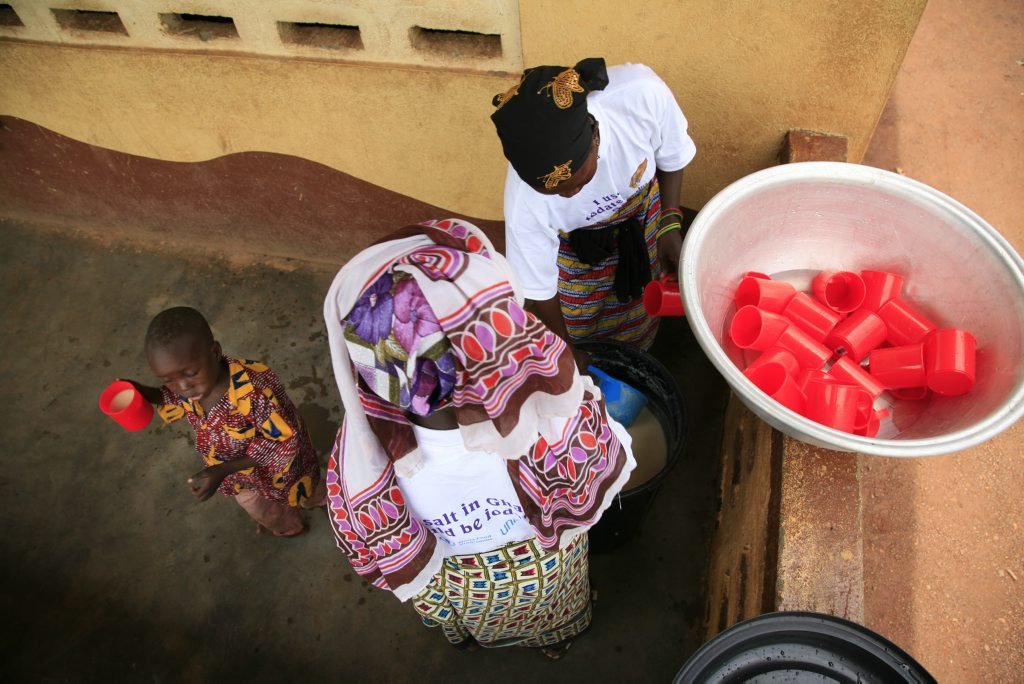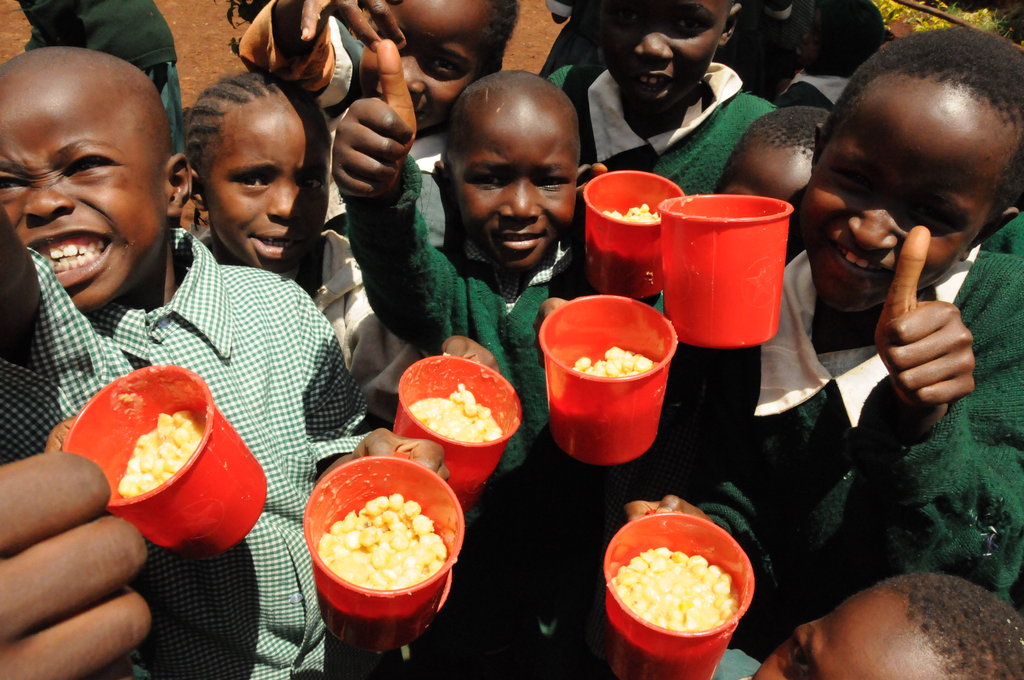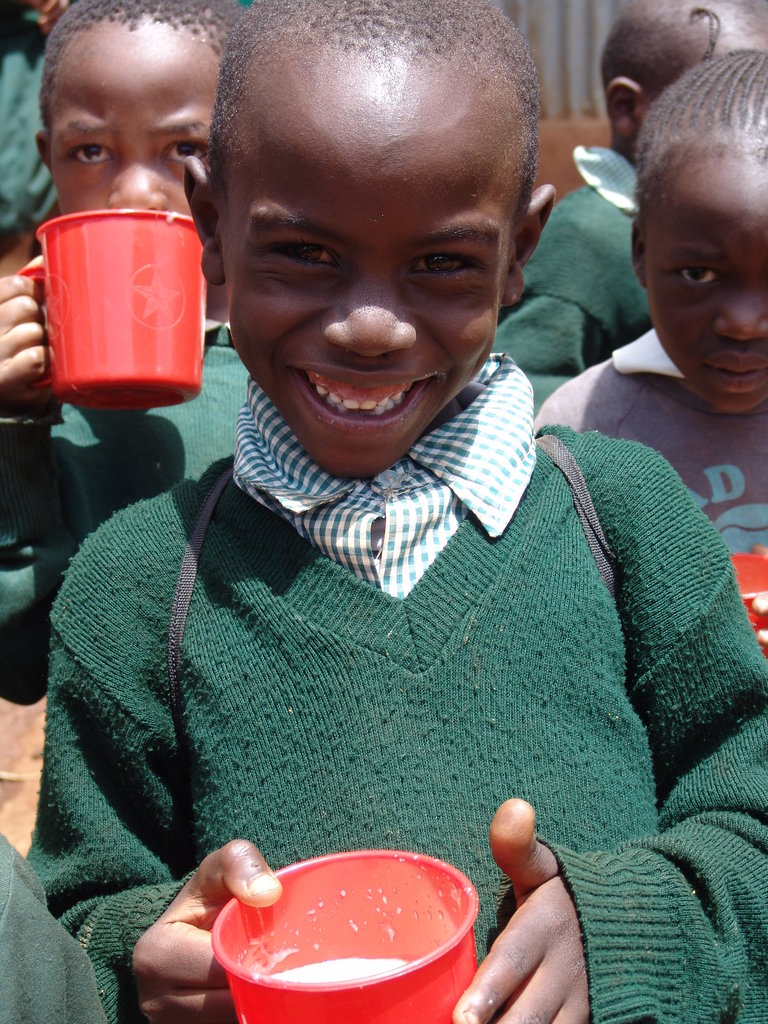
The United Nations World Food Program (WFP) calculates that $3.2 billion is needed per year to reach all of the 66 million children who attend school hungry across the developing world. $1.1 billion will allow us to reach 22 million children in Africa.
Everyday about 66 million primary school age children attend school hungry across the developing world. It is more difficult for children without adequate food to learn, which means they lack the same opportunity for personal development as those who are nourished - resulting in poverty for their family, community and country.
WFP's School Meals program is a powerful social safety net for children and their families. It can improve livelihoods and is an investment in human capital through nutrition, health, education, and gender equality.
School meals are a major incentive for poor families to send their children, particularly girls, to school. As a result, school enrolment and attendance will increase in schools where meals are provided. School feeding programs can contribute substantially to achieving the millennium development goals and in developing a country's human capacity.