By Nia Huw | Communications and Project Manager
Winter is traditionally a quieter time at Bwlch Corog, but there’s still been plenty going on.
On the Land
Further restoration work has taken place in our larch plantation with another 10 cubic metres of trees being felled, and the wood extracted. The larch is being gradually thinned to make way for native trees to regrow and restore our woodland, and we have the added bonus of lots of firewood to keep our groups warm and boil the kettle for the ever important cup of tea!
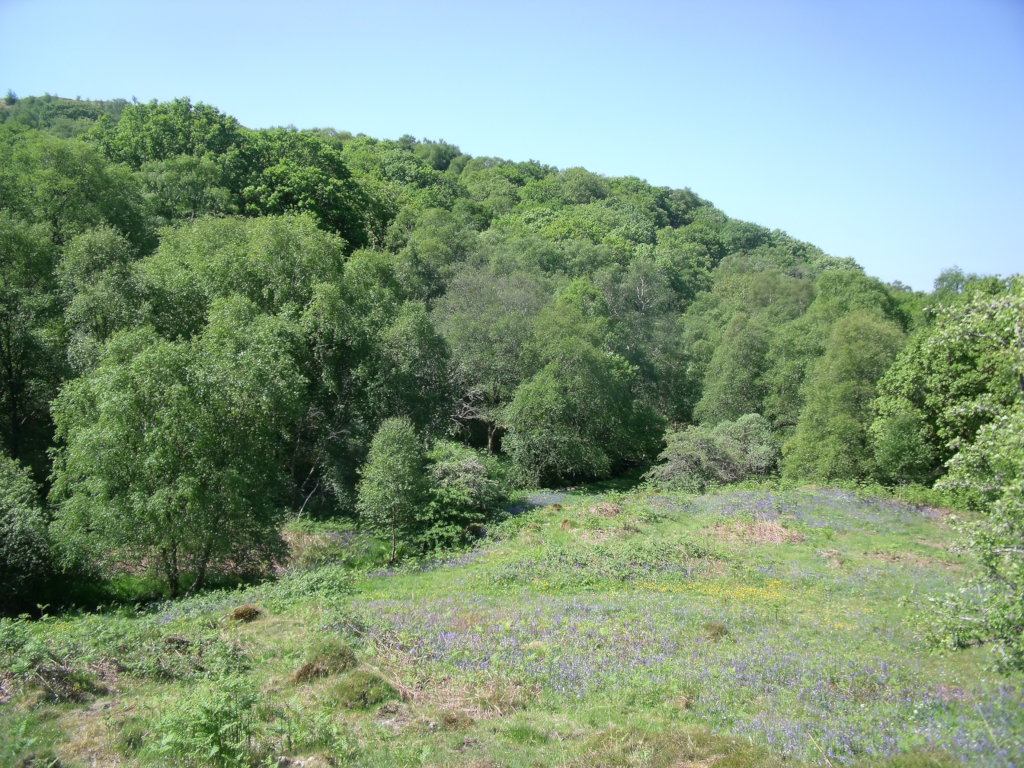
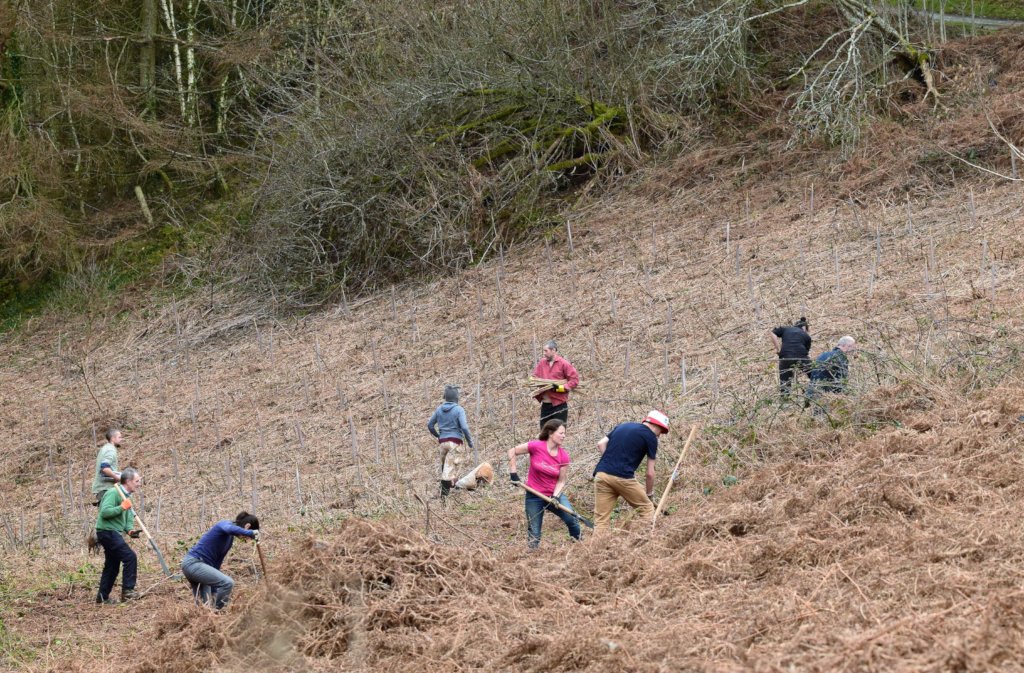
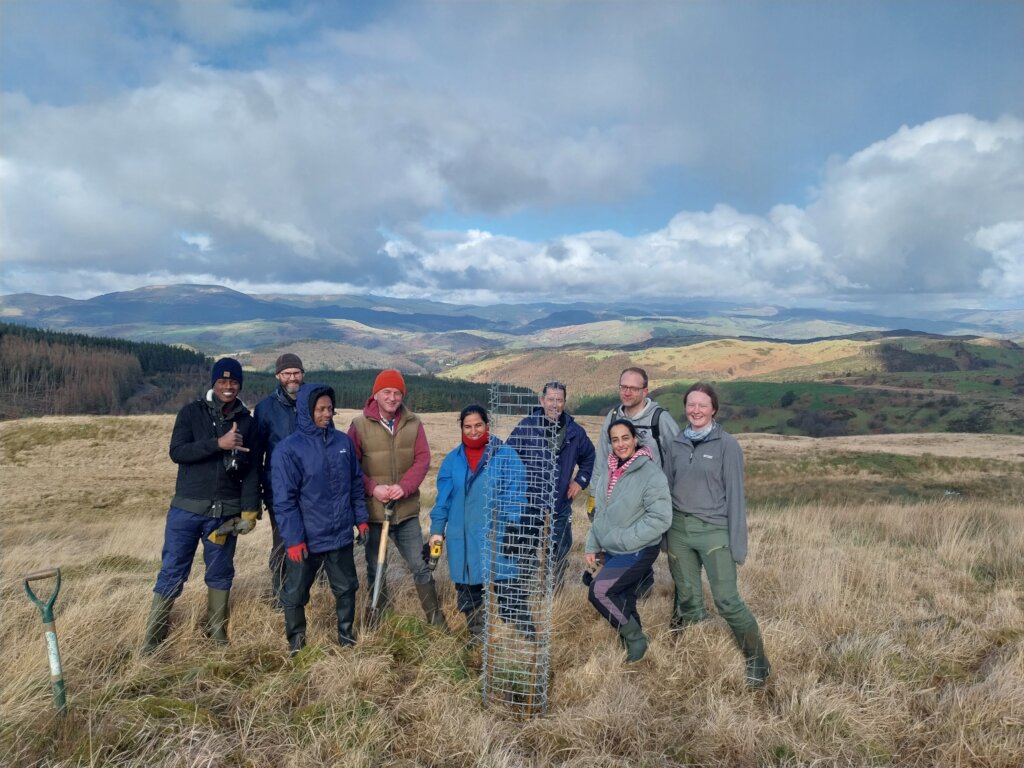
Further tree planting has taken place – 100 trees have been planted in cactus guards. Rowan, birch and hazel trees have been planted at the far end of our site where there is currently very little tree cover - these trees will provide a seed source for more tree regeneration. We have also focused on increasing the number of trees closer to our existing woodland, planting crab apples, oak, silver birch, hazel and hawthorn. The crab apple saplings are very special as they were grown from seeds from our own wild apple tree which guards the entrance to our site. All of these trees will add to the mosaic of habitats that we are trying to create at Bwlch Corog – from dense woodland and wood pasture to individual trees scattered across the landscape – all connecting to create corridors for birds and animals to use.
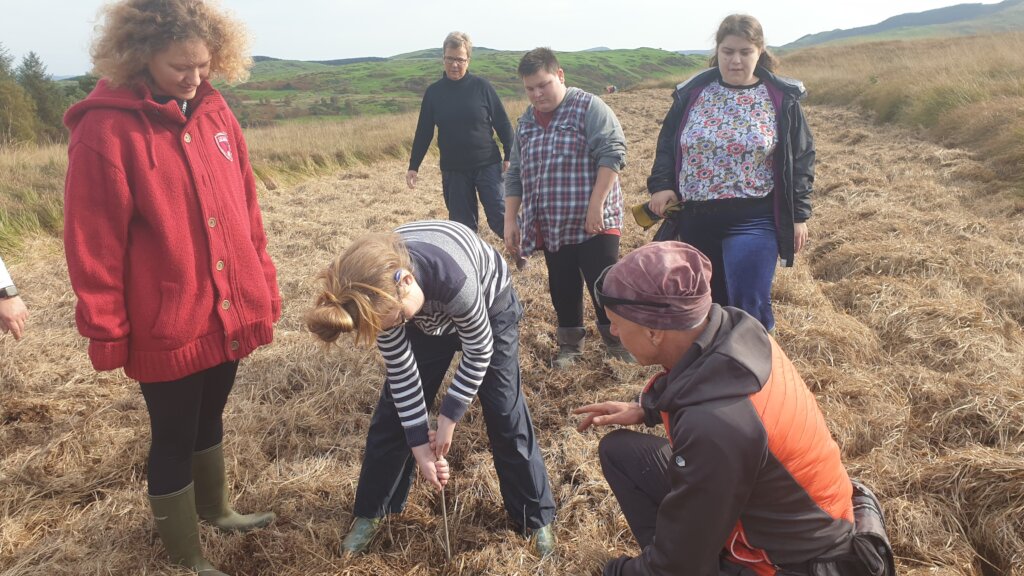
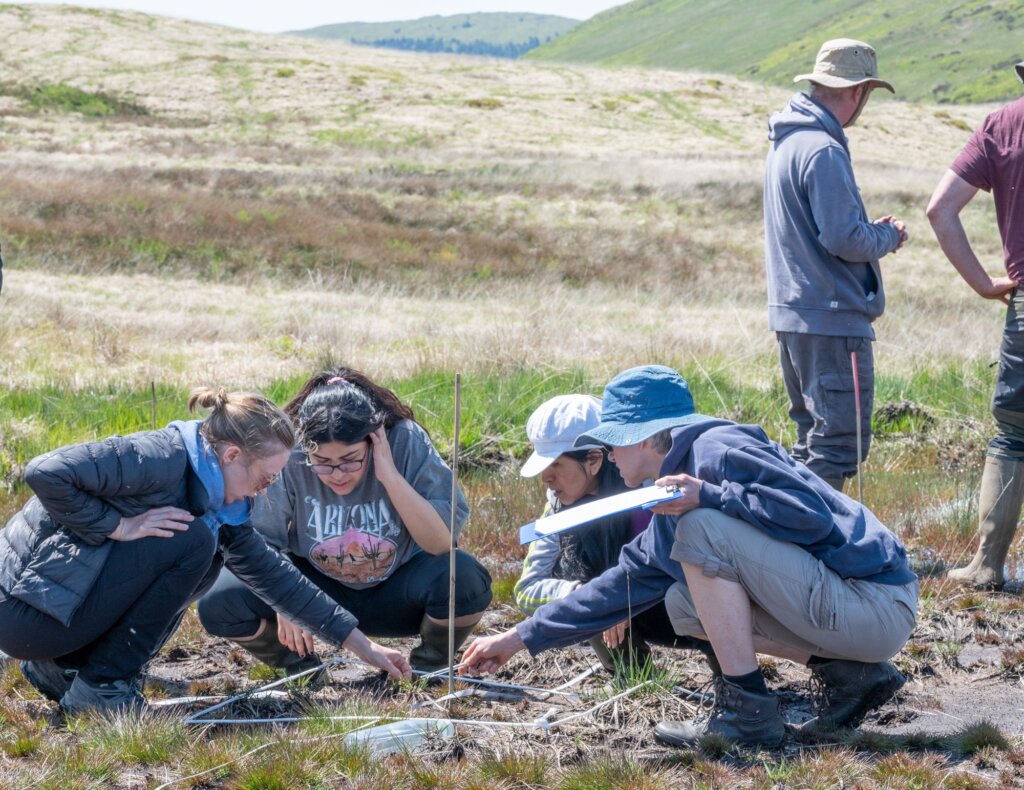
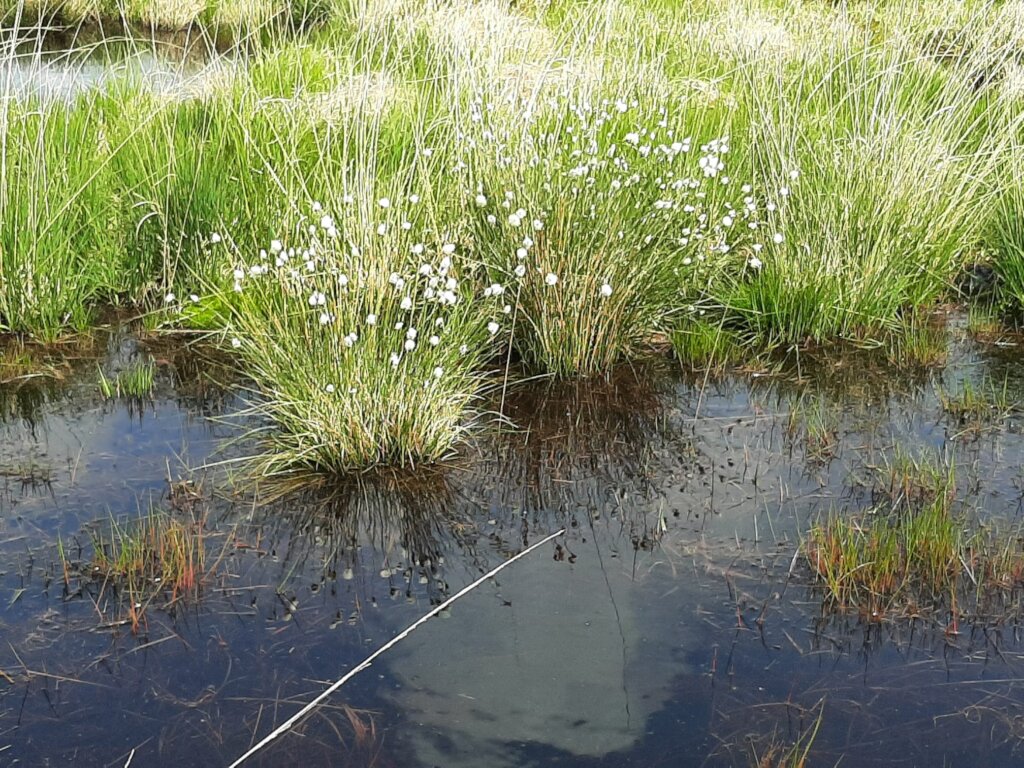
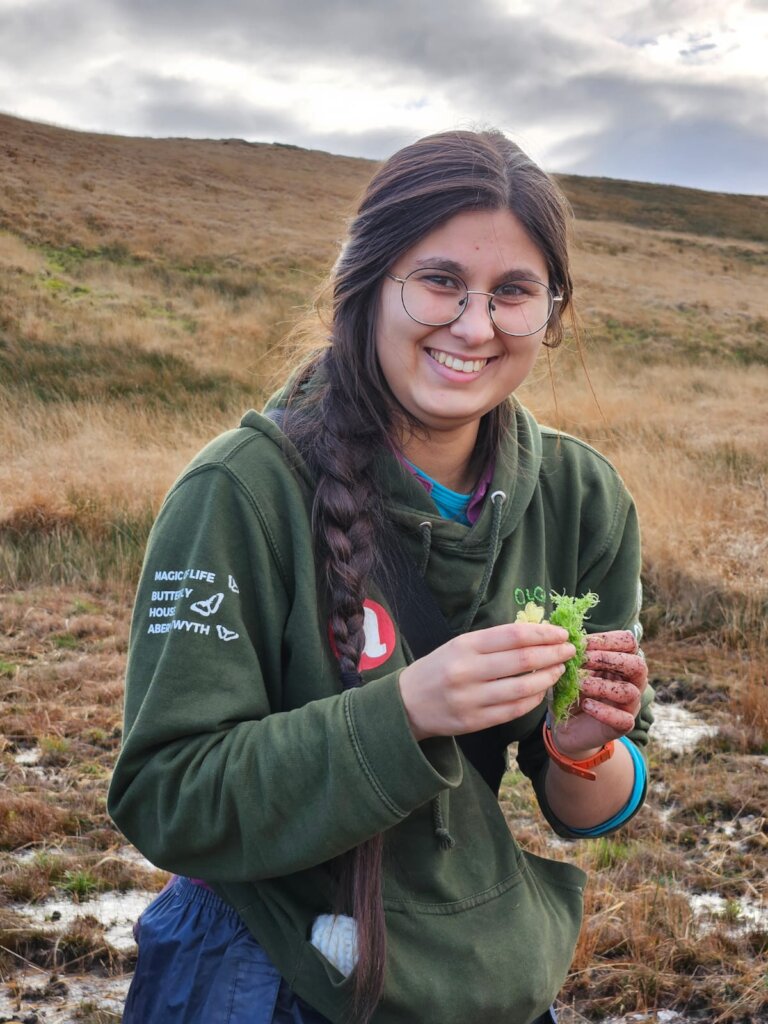
We continue work on restoring our peatland, this has included further monitoring (both in house and by peatland experts) and further planting of sphagnum moss. Over a thousand plugs have been bought and planted in areas of deep peat where we have already scraped away the purple moor grass. We planted in areas where other plants can act as a nursery while the sphagnum establishes. As well as using bought plugs, we have also carefully and sustainably harvested sphagnum from some of the large hummocks on our site then translocated these to nearby locations where there currently isn't any sphagnum, but where we think it could survive. Sphagnum needs year-round wetness, shelter among other plants, and deep peat to retain the moisture, so it's important to find the right spot! This work is essential as peatland in good condition is an excellent carbon store, is vital for biodiversity and is able to prevent flooding.
It's important to us that as many people as possible are able to access and enjoy time at Bwlch Corog, and to help with this aim, we have recently completed remedial work on our access track and have installed a wood burning stove in our roundhouse – this will make it a much more pleasant experience for visitors during the cold and wet Welsh winters!
Herbivores
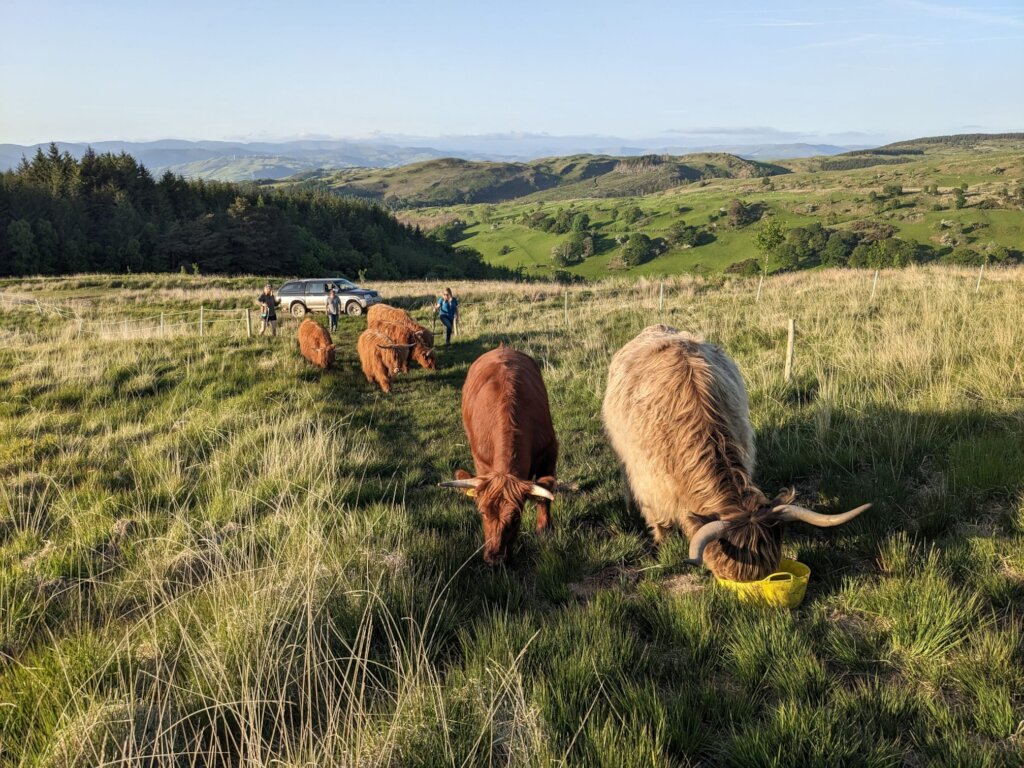
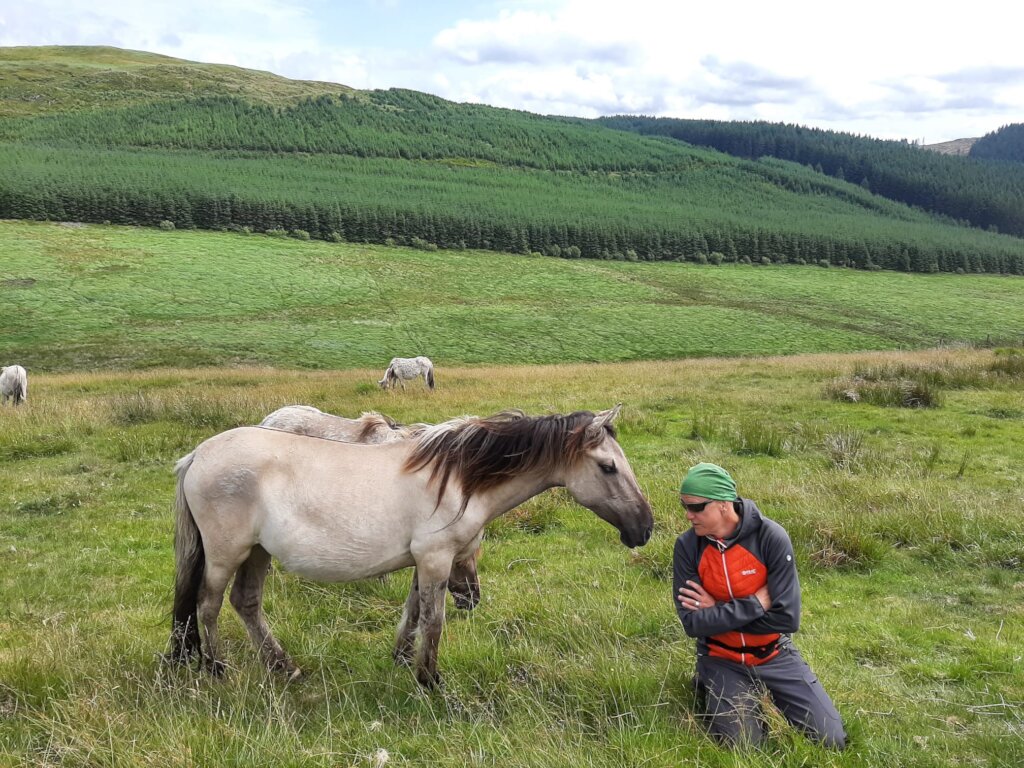
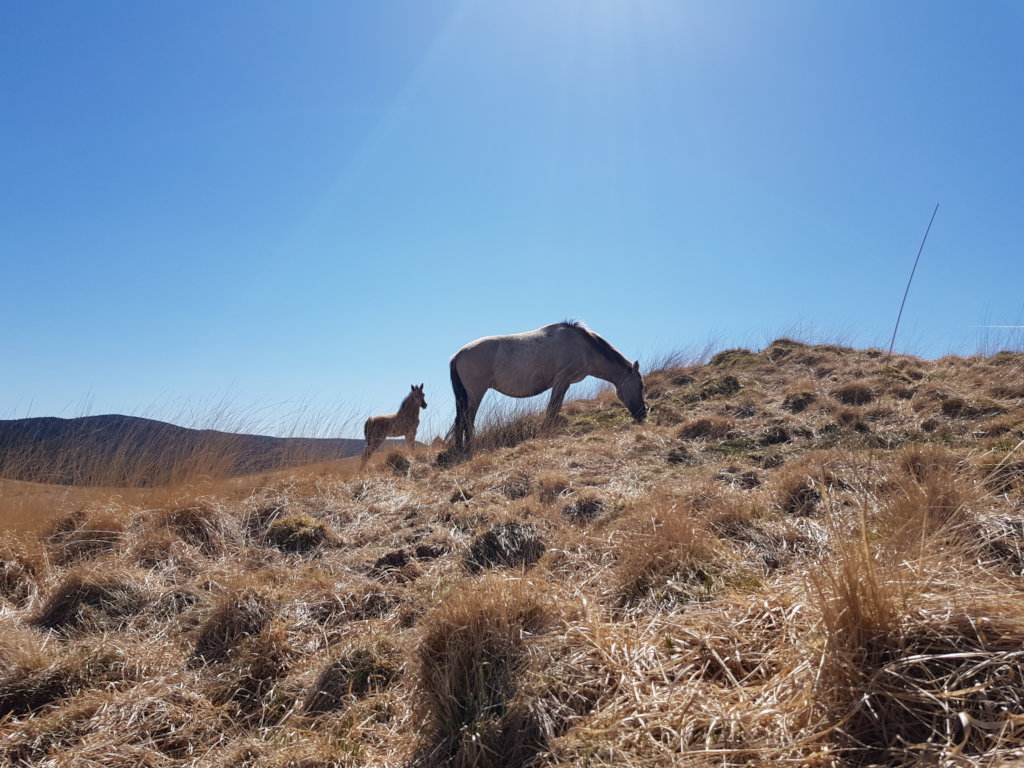
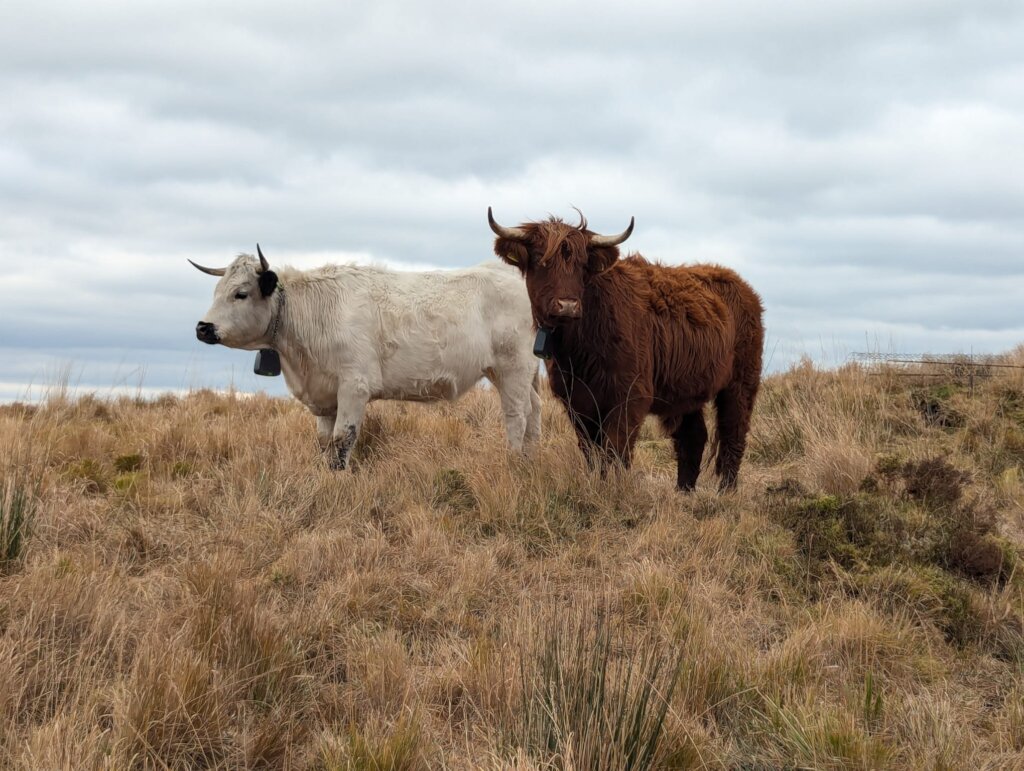
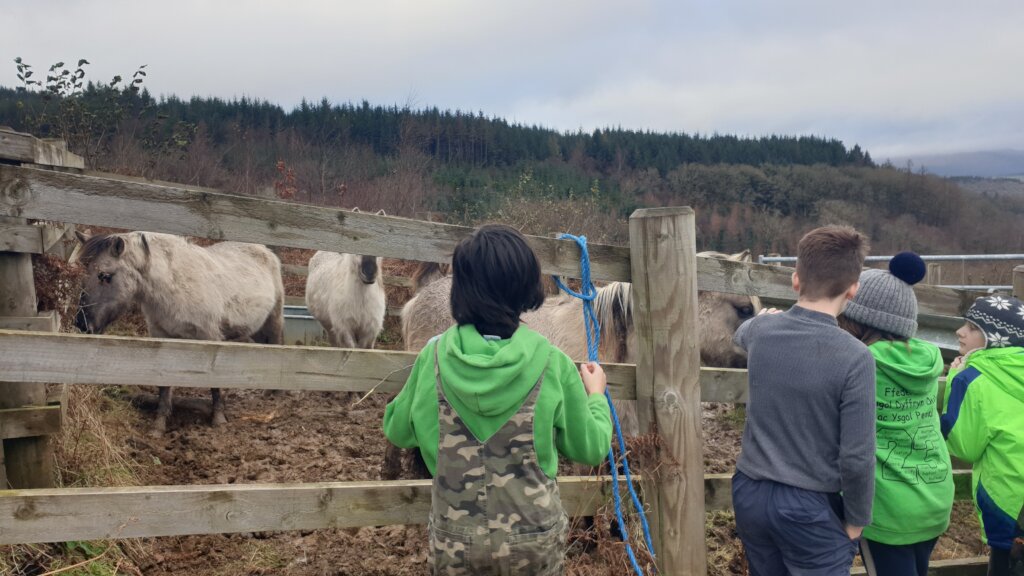
Our small herd of konik ponies are currently helping our friends at the local RSPB reserve with some conservation grazing. As Bwlch Corog is an upland site, it can be a very harsh place during the winter months and we’ve had to supplementary feed the ponies over the previous two winters. Following lengthy team discussions, it was decided that it would be in the koniks’ best interests to spend the winter on a lowland site. They are thriving in their new environment and, while they have been away, we commissioned a local expert to carry out an in-depth review of our grazing plan. This will help us decide on the future use of grazing animals at Bwlch Corog.
Volunteers
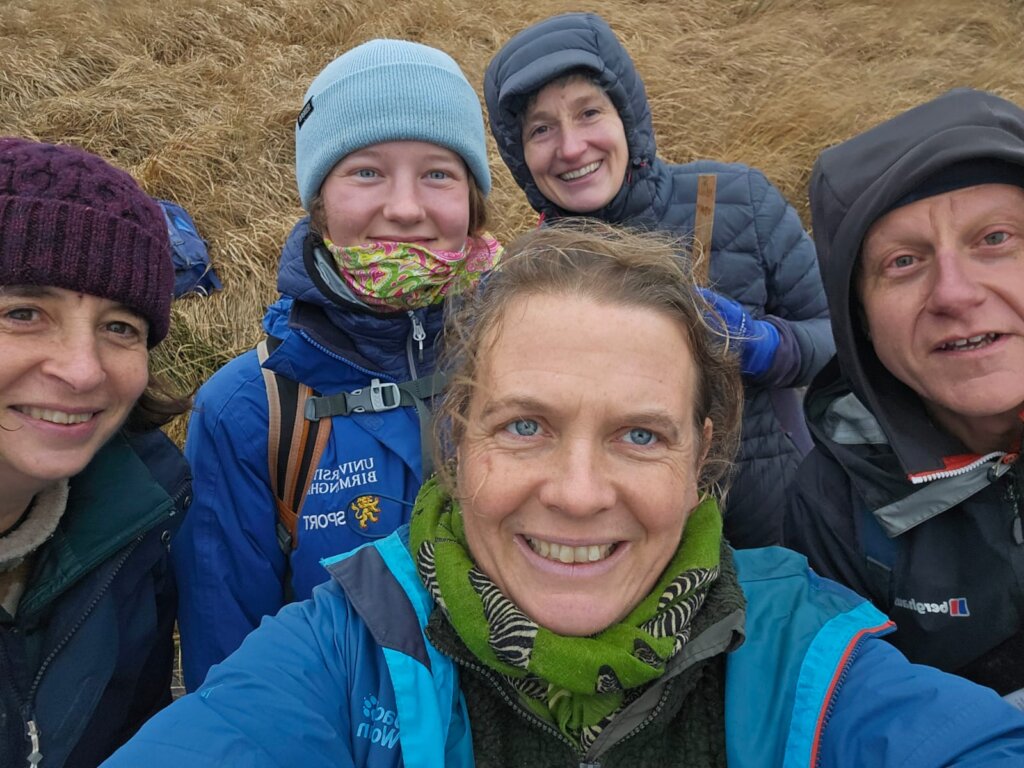
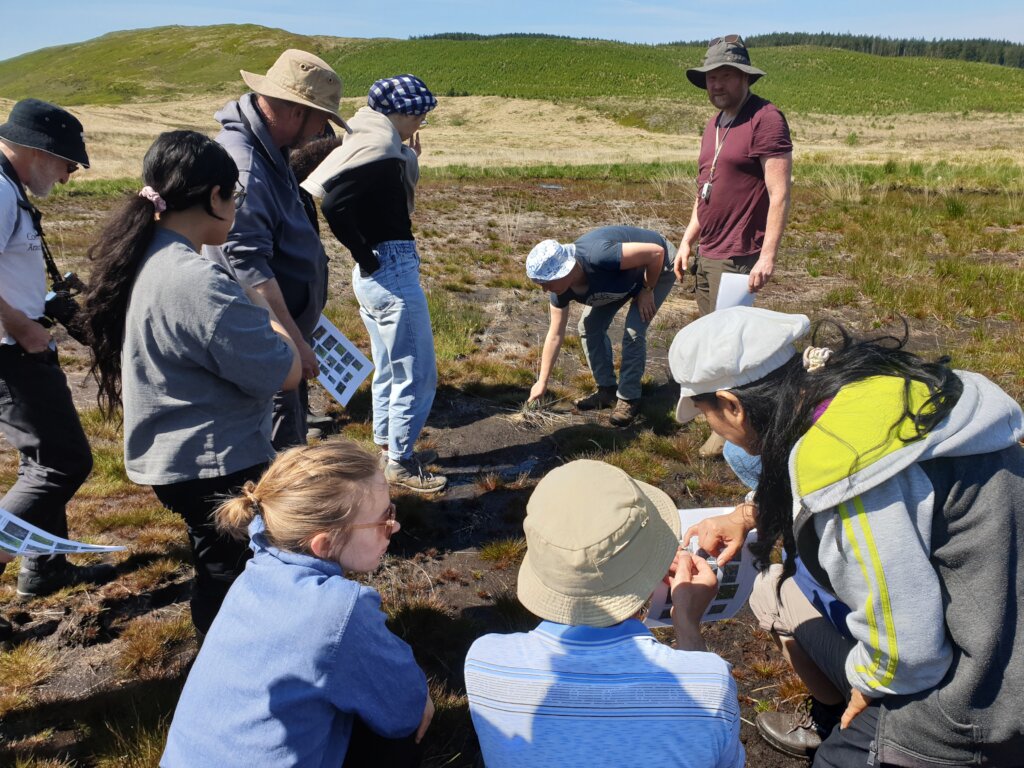
Since December, we have been running two volunteer days a month rather than one and, as always, the support has been fantastic. We have enjoyed hosting student groups, asylum seekers from Wolverhampton as well as members of our local community. Our volunteers carry out invaluable conservation work and practical tasks on site. Their help means that we have been able to plant trees, restore peatland and clear pathways amongst many other things.
Working with partners
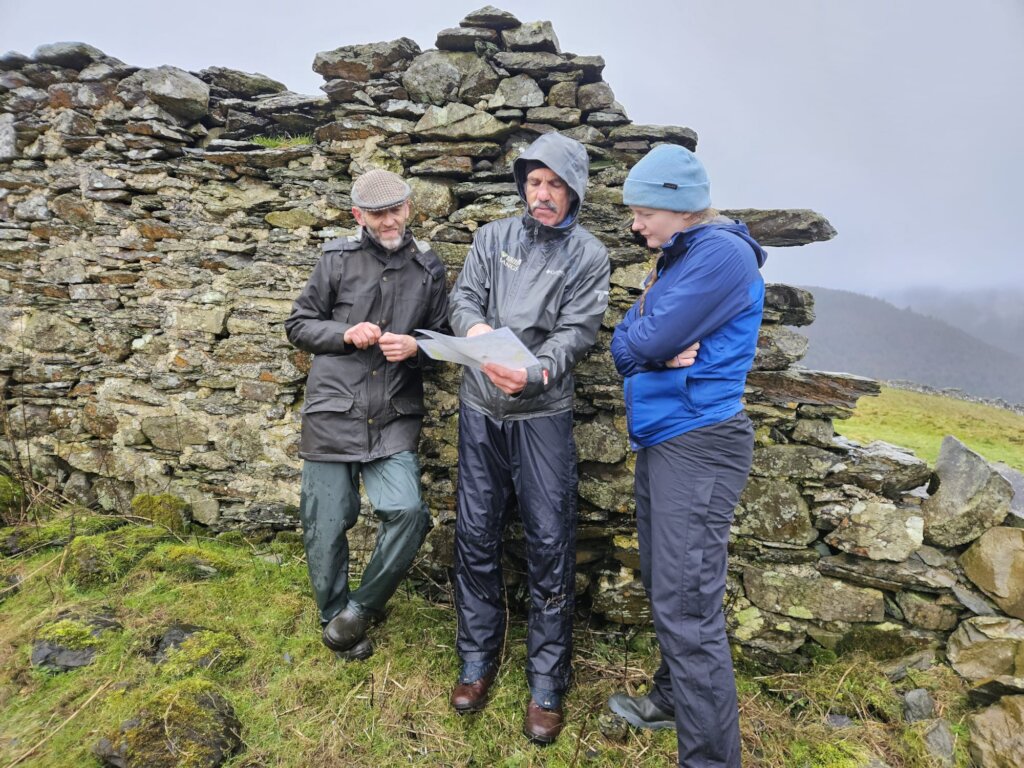
An element of our work that we are developing, is working in partnership with neighbouring landowners. Recently, we hosted a very wet but very enjoyable walk with three of our neighbours. There were many interesting discussions about the history of the land and options for reopening walking paths. Hopefully, there will be an opportunity to work together further to ensure that our little corner of mid Wales is open to all.
Activities
There have been plenty of opportunities for people to engage with nature and learn new skills at Bwlch Corog.
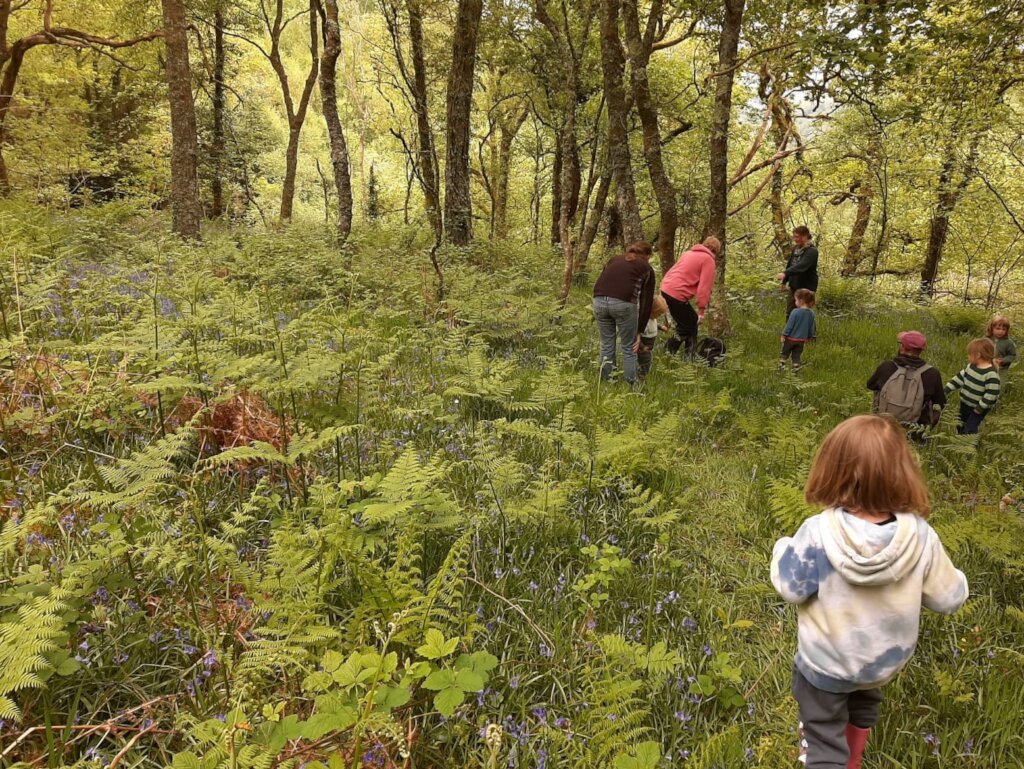
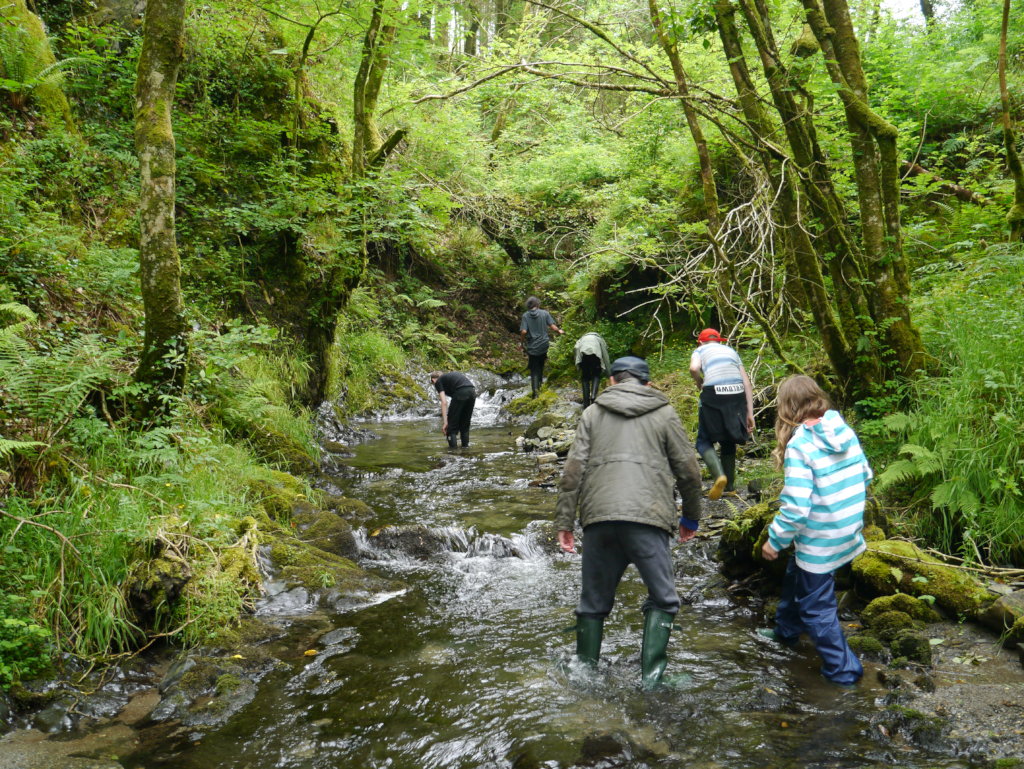
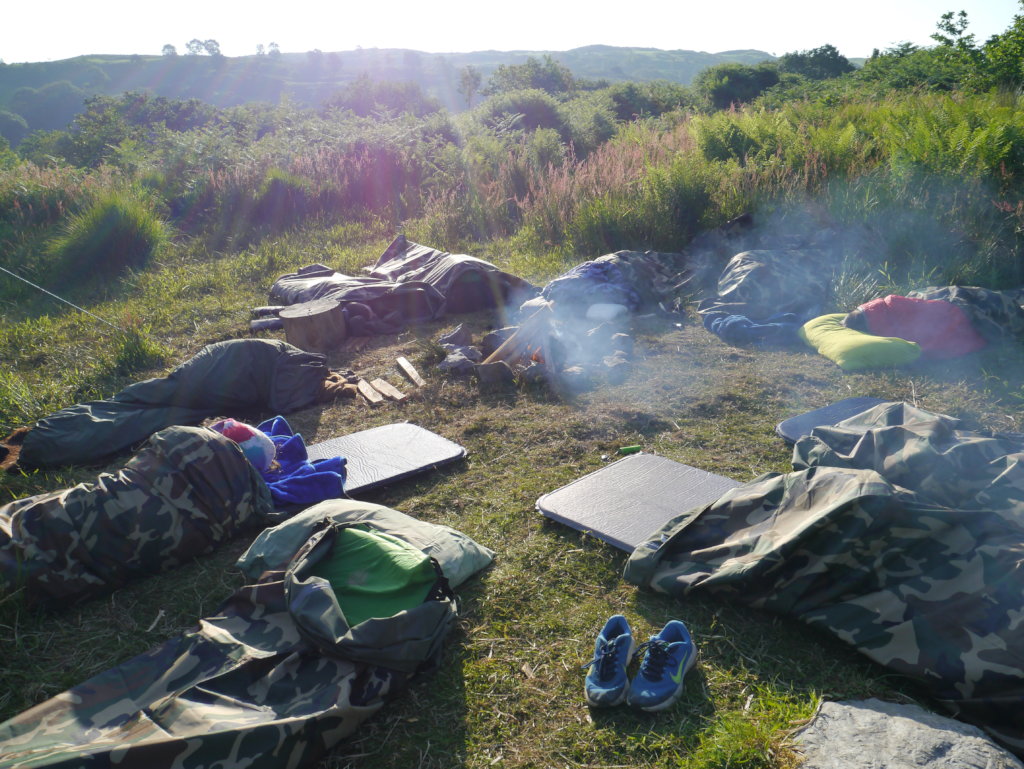
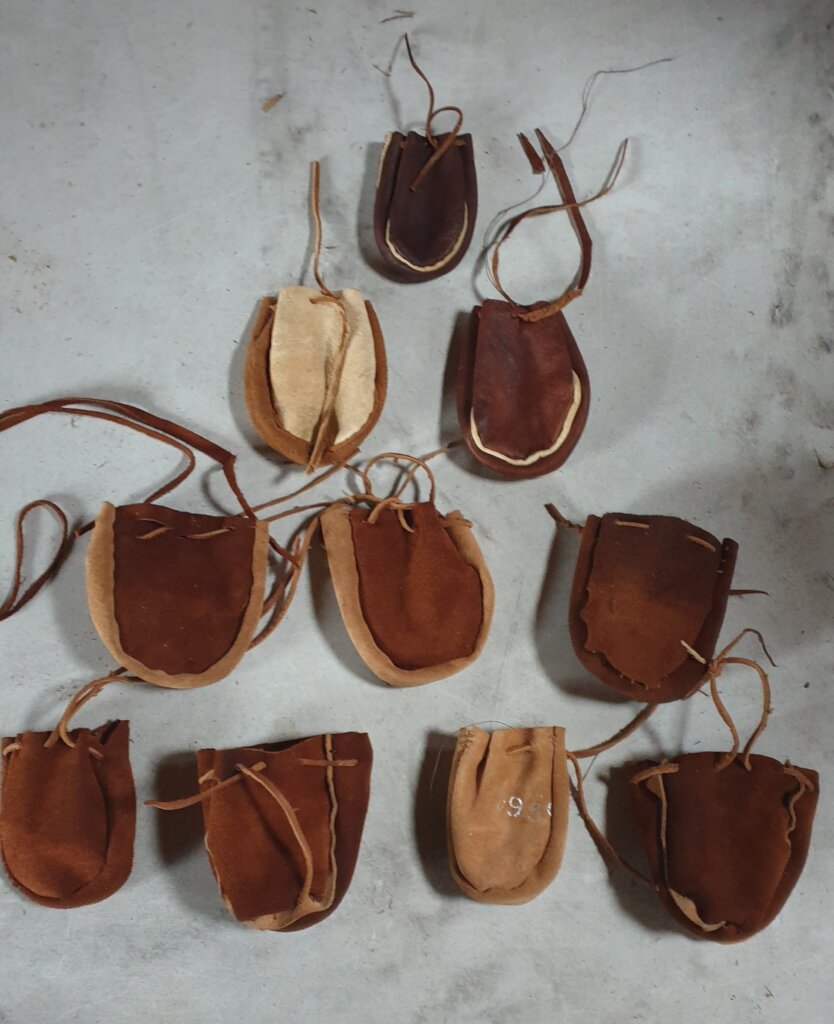
Our Wild Days Out for local young people have continued to run throughout the winter months. They’ve been up to all kinds of exciting things such as planning and preparing a space to build a shelter, learning how to tie different knots, woodworking and creating a leather pouch.
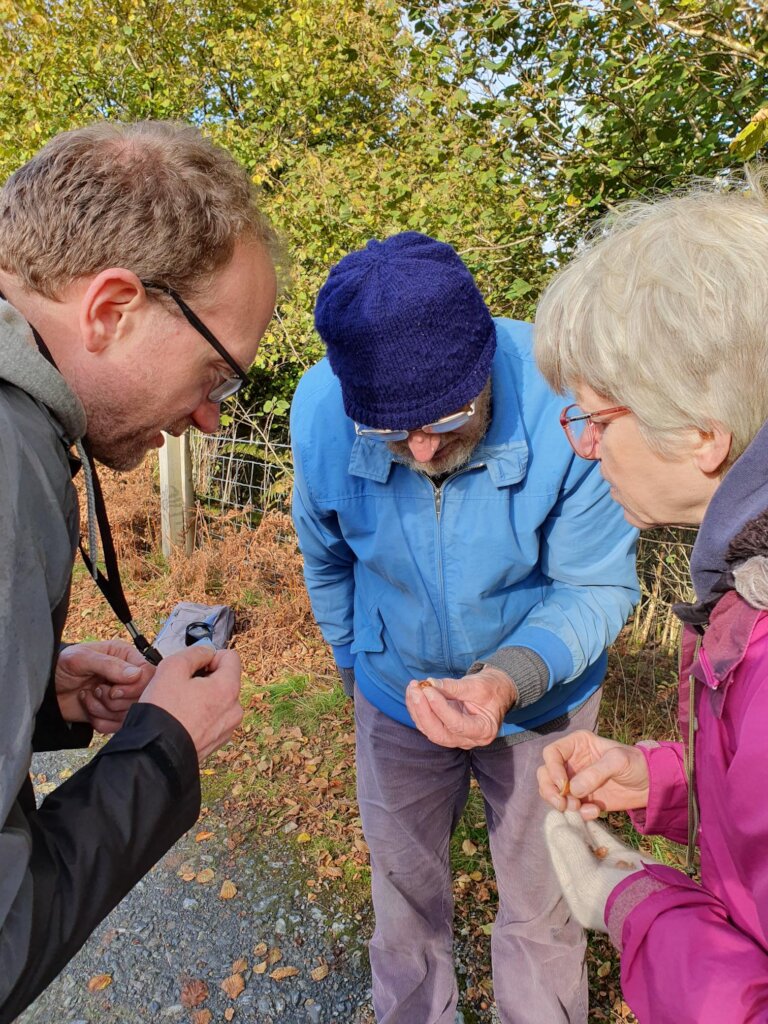
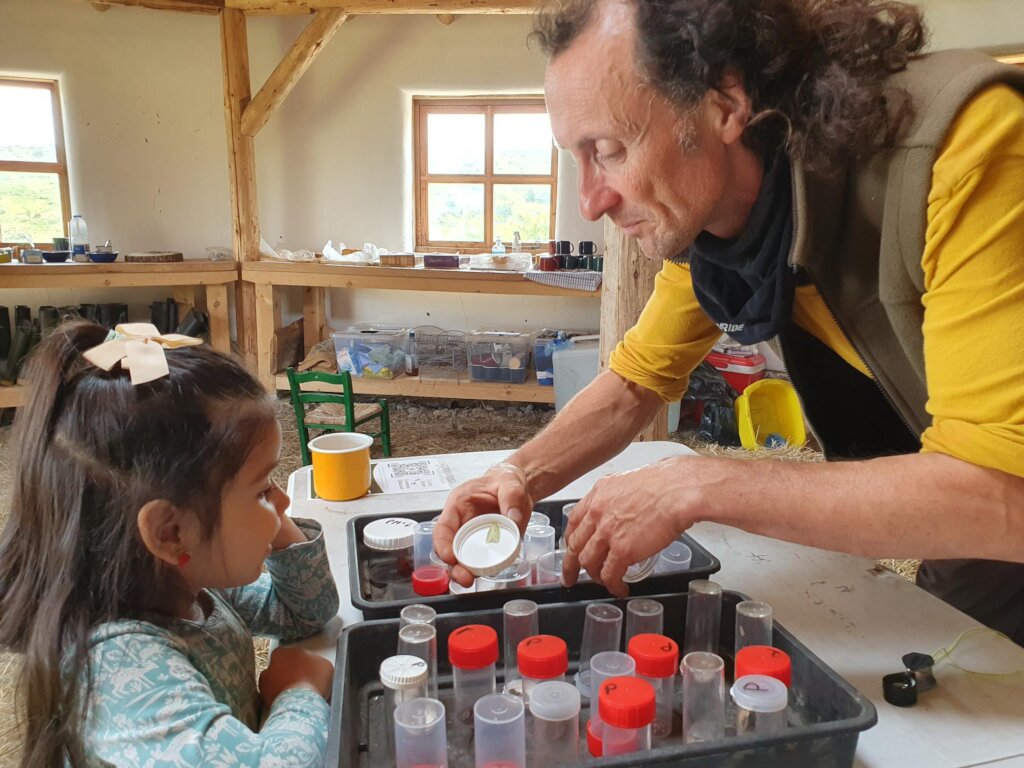
Our new ‘Nature Ambassadors’ project is going well – three groups have already taken part in the six week programme. The Nature Ambassadors have enjoyed varied activities with some of the highlights being meeting the horses and learning about conservation grazing, collecting crab apples and removing the seeds so that we can grow trees for the future and creating festive wreaths from local foliage
When asked what they have enjoyed so far, the answers were overwhelmingly positive including;
“Spending all day in the wilderness and creating stuff. Learning new skills.”
“Every single moment of it.”
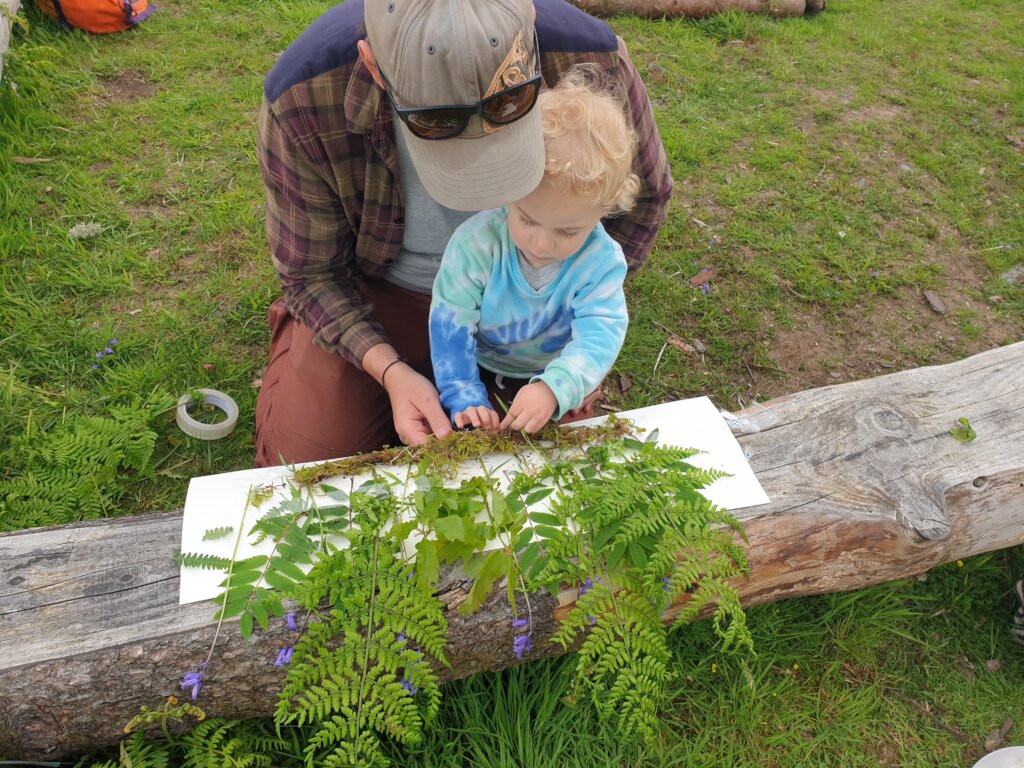
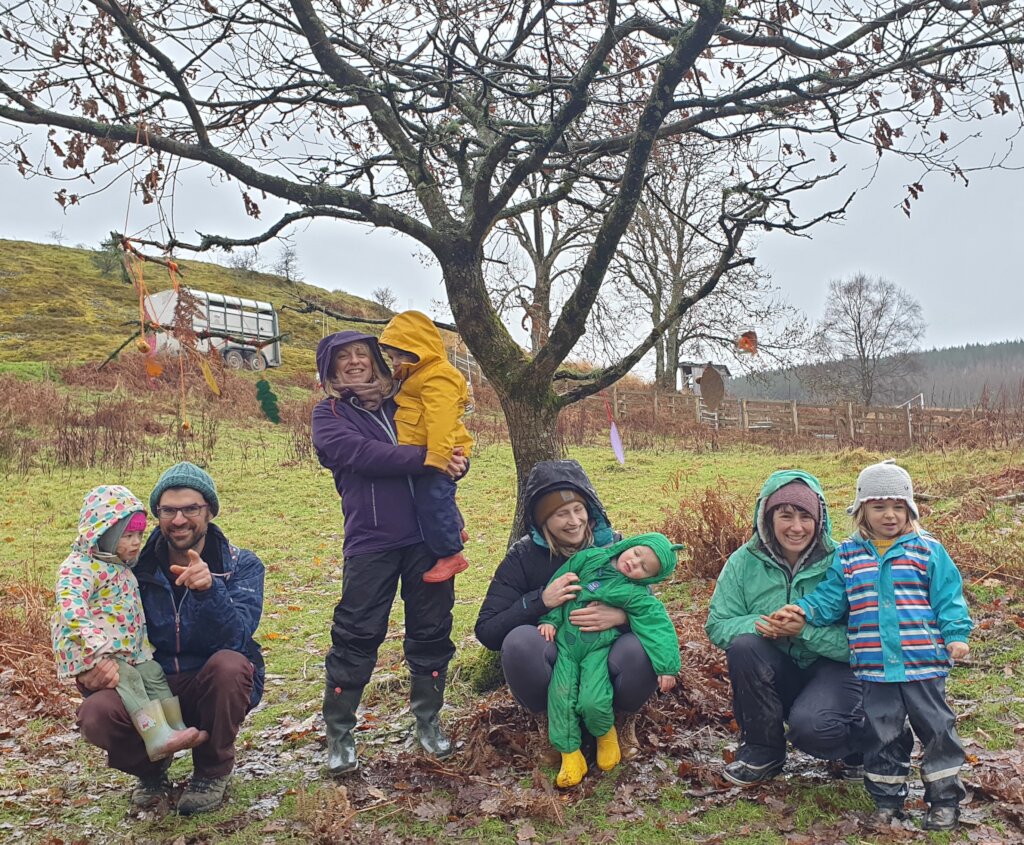
Our Tiny Tots came together at the end of the year to enjoy a ‘tree day’ - following the old Celtic tradition of celebrating our trees and thanking them for everything they give us. We played games, enjoyed a story and, of course, created decorations to hang on one of our oak trees.
Don’t forget to look at our website www.cambrianwildwood.org where you can find out more about the project and keep up to date with our news items. Please contact us if you want to be on our newsletter mailing list.
By Nia Huw | Communications and Project Manager
By Nia Huw | Communications and Project Manager
Project reports on GlobalGiving are posted directly to globalgiving.org by Project Leaders as they are completed, generally every 3-4 months. To protect the integrity of these documents, GlobalGiving does not alter them; therefore you may find some language or formatting issues.
If you donate to this project or have donated to this project, you can receive an email when this project posts a report. You can also subscribe for reports without donating.



Support this important cause by creating a personalized fundraising page.
Start a Fundraiser




![Wild Days Out Camp [credit Dan Jones]](https://www.globalgiving.org/pfil/49880/djones_woodlanders_010_Large.JPG)