By Musa Soko | Team Lead
When communities have the knowledge, skills, and confidence to adapt, climate change becomes a challenge they can overcome, not a crisis that defines their future.
From 15 to 17 April 2026, the Youth Partnership for Peace and Development (YPPD), in partnership with the Ministry of Agriculture and with support from Trócaire and the Irish Civil Society Partnership (ICSP), conducted a three-day refresher training on agroecology and forest management in Matham, Koya 2, and Kassasie communities in Kambia District.
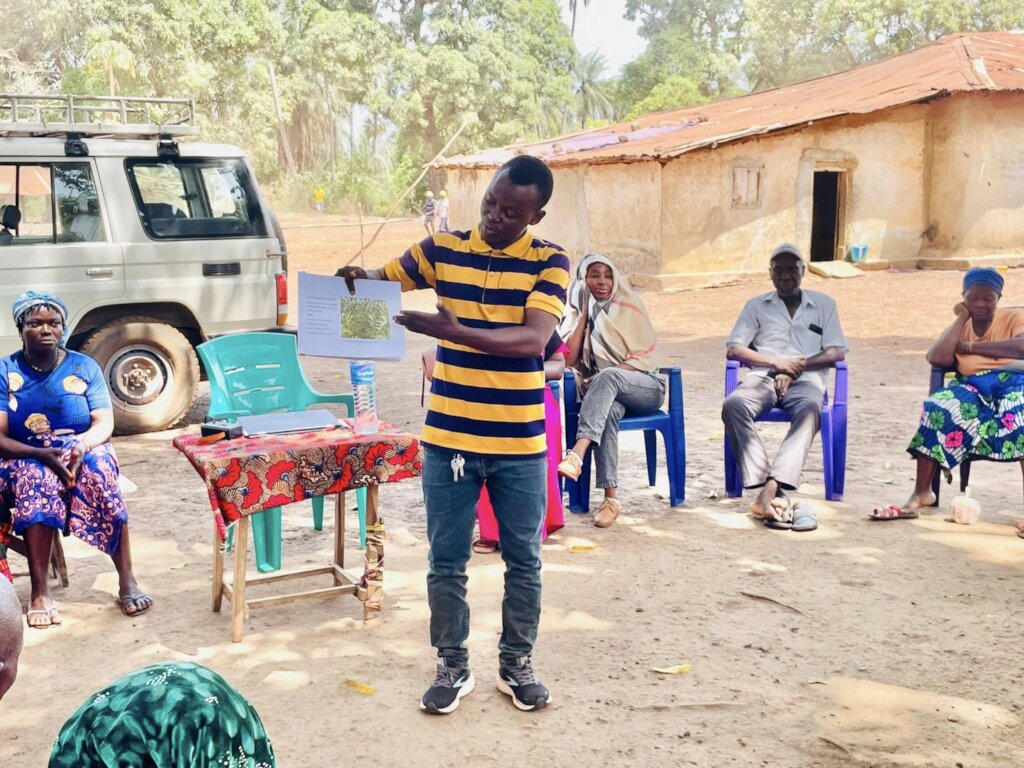
The training was implemented under the Women and Youth Leading Climate Justice Project and brought together farmers, women’s groups, youth leaders, community stakeholders, and agricultural extension officers. Its goal was to strengthen local capacity to respond to the growing impacts of climate change while promoting sustainable livelihoods, forest protection, and community-led environmental action.
Responding to Local Climate Challenges
For many families in Kambia District, climate change is already affecting daily life. Unpredictable rainfall, declining soil fertility, and deforestation are reducing agricultural productivity and placing pressure on household incomes.
These challenges have made it necessary for communities to rethink some farming practices and adopt more sustainable approaches that protect both livelihoods and the environment.
Building on earlier engagements conducted in 2025, the refresher training reinforced previous learning while introducing practical techniques that participants can apply directly on their farms and within their communities.
Practical Learning for Farmers, Women, and Youth
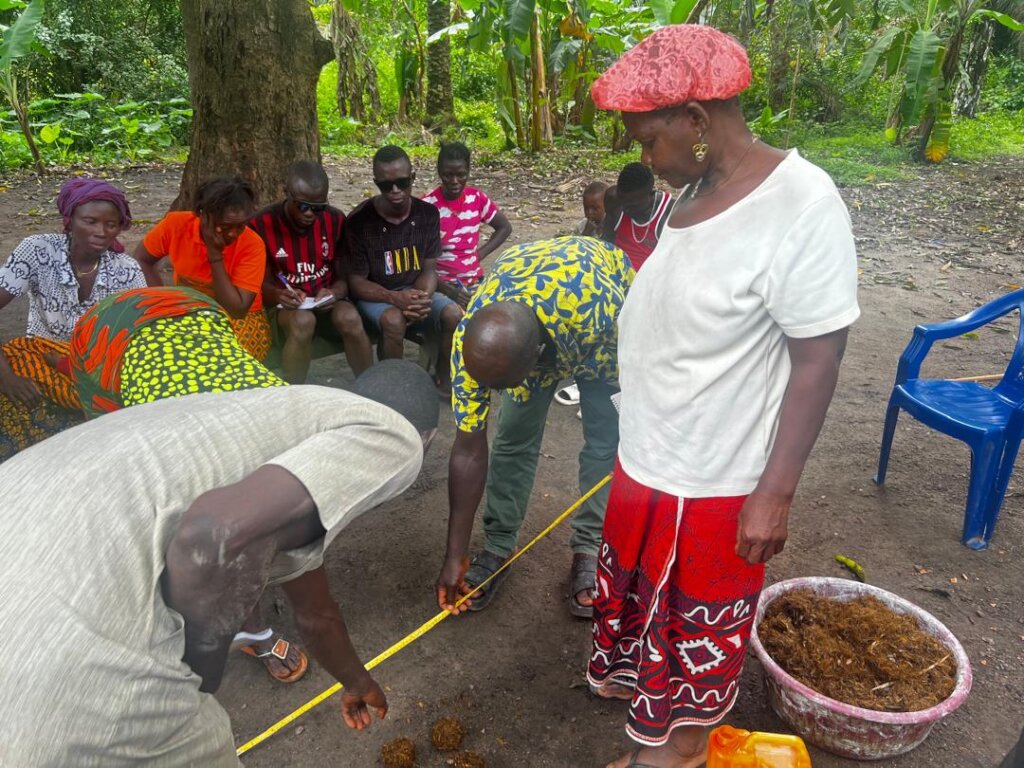
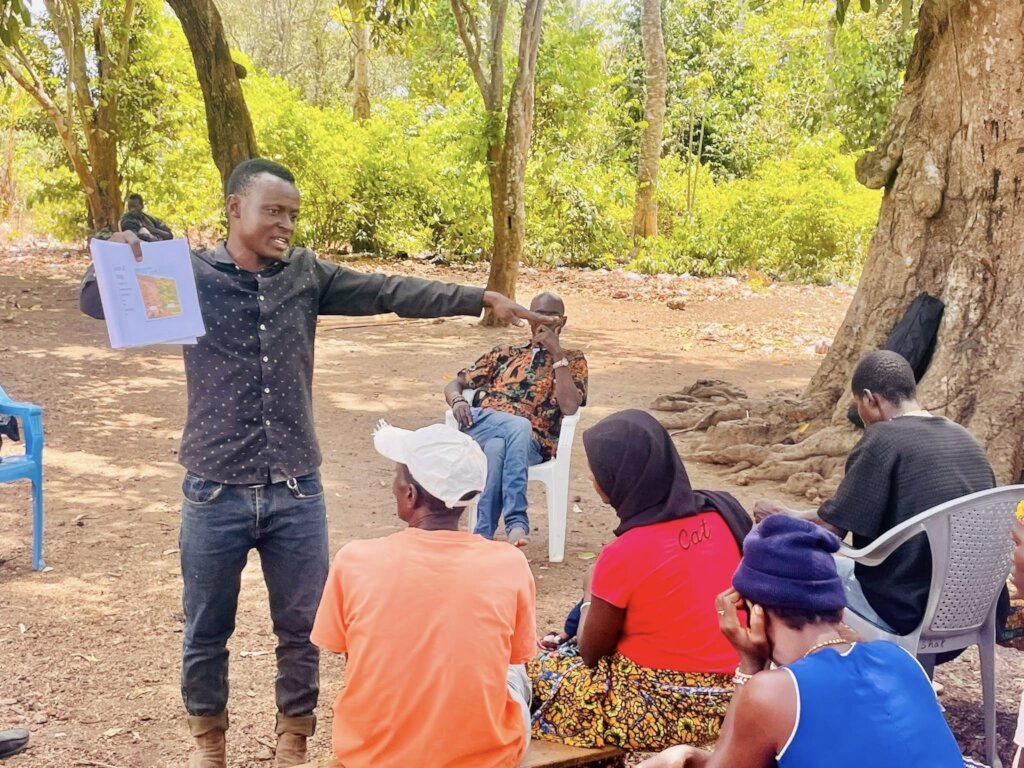
The training used a participatory approach, combining discussion, peer learning, and hands-on demonstrations. Participants shared their experiences, reflected on the challenges they continue to face, and explored local solutions to local climate problems.
Women and young people were especially active throughout the sessions, showing strong interest and leadership in climate action. Their participation reflected the project’s commitment to ensuring that those most affected by climate change are also at the center of community solutions.
Participants learned practical agroecology techniques, including how to produce and apply organic compost, use mulching to conserve soil moisture, diversify crops, manage pests through organic methods, and design climate-smart farming systems.
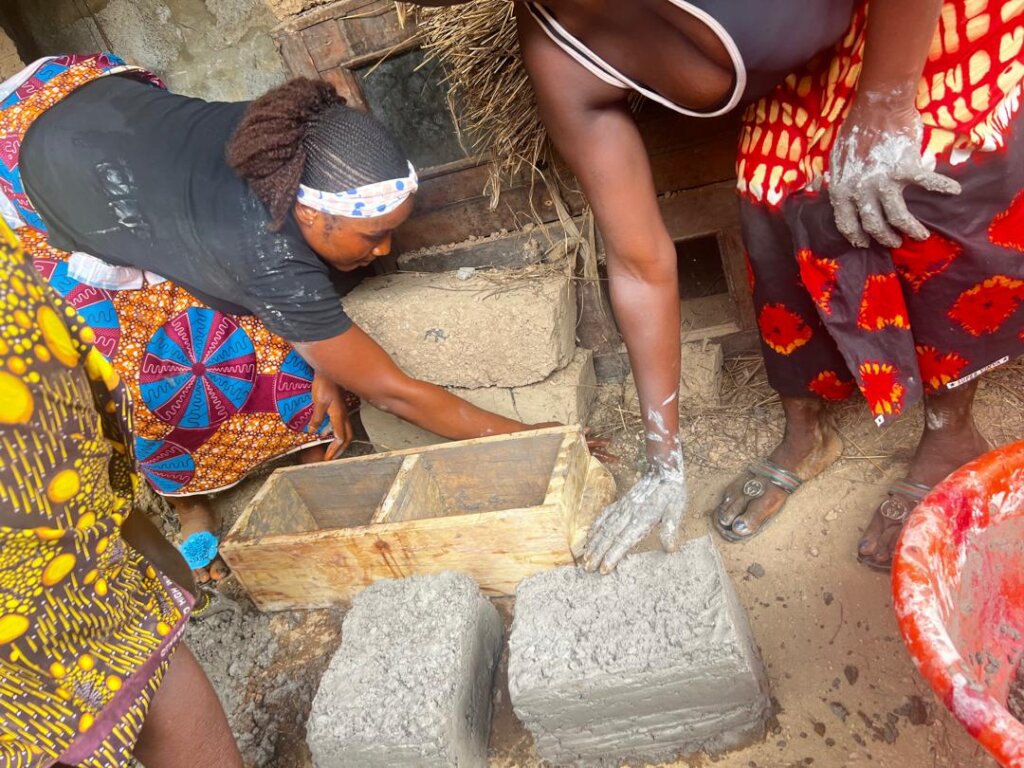
Field demonstrations gave participants the opportunity to practice these techniques directly, increasing their confidence to replicate them in their own farms and share the knowledge with others.
Protecting Forests and Supporting Livelihoods
Forest management was another key focus of the training. Participants discussed the visible effects of deforestation in their communities and explored practical ways to restore degraded land through community-led action.
The introduction of agroforestry systems and tree nursery establishment generated strong interest among participants. Many recognized that integrating trees into farming systems can help restore ecosystems, improve soil health, increase farm productivity, and create additional sources of income.
The discussions reinforced an important message: environmental conservation and economic development can work together. Protecting forests does not mean limiting livelihoods. With the right knowledge and support, communities can restore the environment while improving their economic wellbeing.
Creating Opportunities for Economic Empowerment
Beyond improving farming practices, the training also highlighted the income-generating potential of agroecology. Participants explored opportunities in value addition, sustainable agribusiness, and climate-smart enterprises that can strengthen household resilience while reducing pressure on natural resources.
This helped participants understand agroecology not only as an environmental practice, but also as a pathway to long-term economic empowerment, especially for women and young people.
Community Ownership for Sustainability
One of the most encouraging outcomes of the training was the strong sense of ownership demonstrated by local leaders and stakeholders.
In Kassasie, the community headman pledged to allocate land for a communal demonstration farm. This farm will allow participants to continue practicing the techniques learned during the training and share knowledge with other community members.
A Ministry of Agriculture Extension Officer also committed to providing continued technical support and monitoring to help ensure that the training leads to lasting change.
These commitments show that local leadership is growing and that the impact of the project can continue beyond the training period.
Challenges and Next Steps
While participants expressed renewed motivation and confidence, they also identified challenges that continue to limit the adoption of climate-resilient agriculture. These include limited access to quality farming inputs, financial constraints, and weak market linkages.
Participants emphasized the need for continued technical support, stronger partnerships, and increased investment to help communities fully benefit from agroecological practices.
YPPD will continue working with community members, local leaders, women, youth, and government partners to strengthen climate resilience, promote sustainable agriculture, protect forests, and support livelihoods in Kambia District and beyond.
Building Resilience, One Community at a Time
This refresher training showed that climate resilience begins with empowered communities.
When farmers have practical knowledge, when women and young people are equipped to lead, and when local institutions work together, communities become better prepared to face environmental challenges and create new opportunities.
Through the Women and Youth Leading Climate Justice Project, YPPD continues to invest in people as the drivers of sustainable change. Together with partners and communities, we are supporting rural families to restore ecosystems, strengthen livelihoods, and build a future where climate action is led from the ground up.
Thank you for standing with us and supporting community-led climate action in Sierra Leone. Your support helps farmers, women, and young people gain the knowledge and confidence they need to protect their environment and secure a more resilient future.
Links:
Project reports on GlobalGiving are posted directly to globalgiving.org by Project Leaders as they are completed, generally every 3-4 months. To protect the integrity of these documents, GlobalGiving does not alter them; therefore you may find some language or formatting issues.
If you donate to this project or have donated to this project, you can receive an email when this project posts a report. You can also subscribe for reports without donating.



Support this important cause by creating a personalized fundraising page.
Start a Fundraiser