By Shimona Chadha | Fundraising and Communications
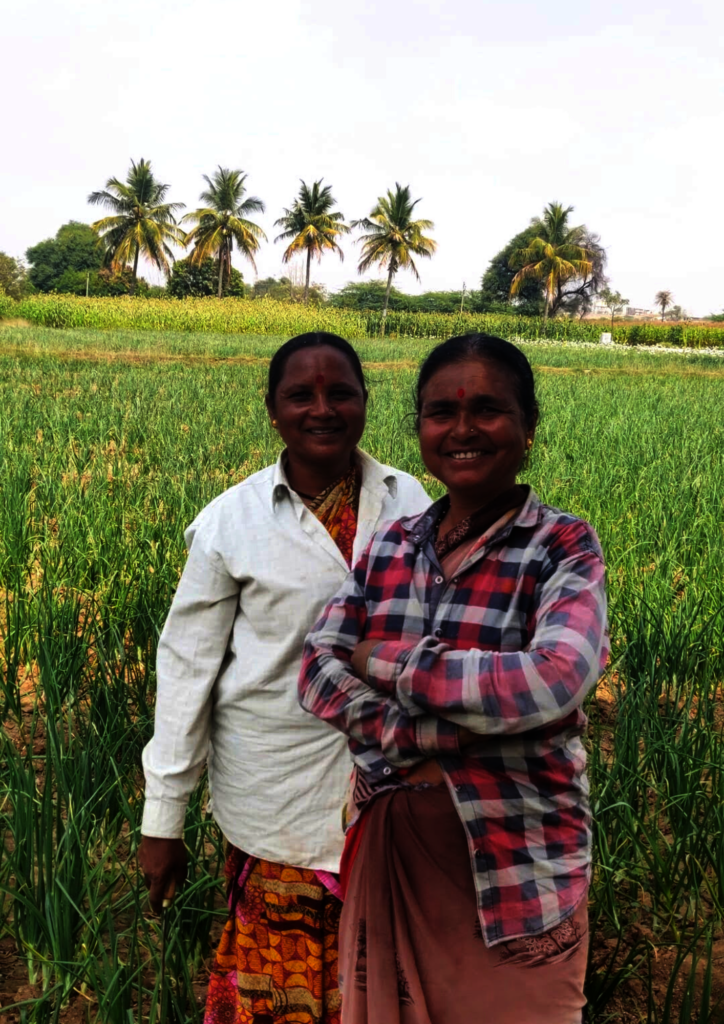
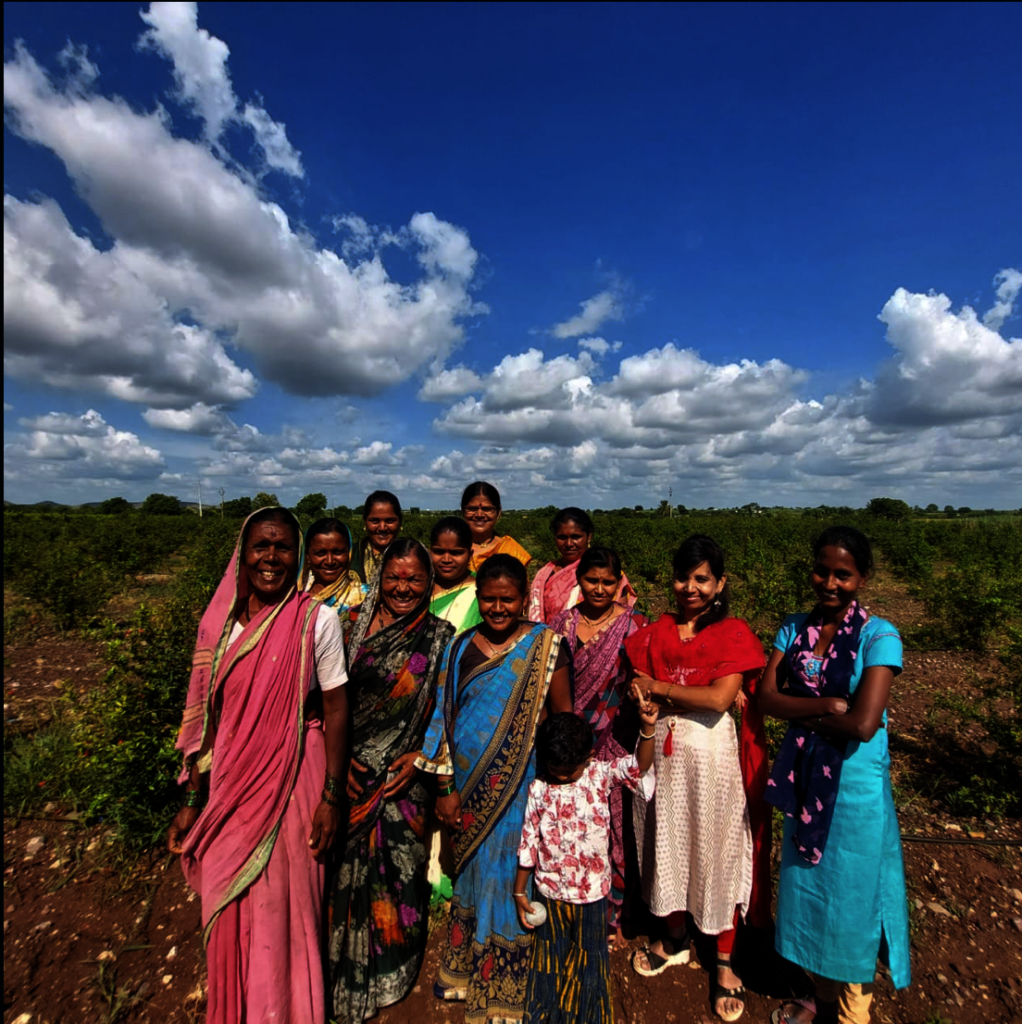
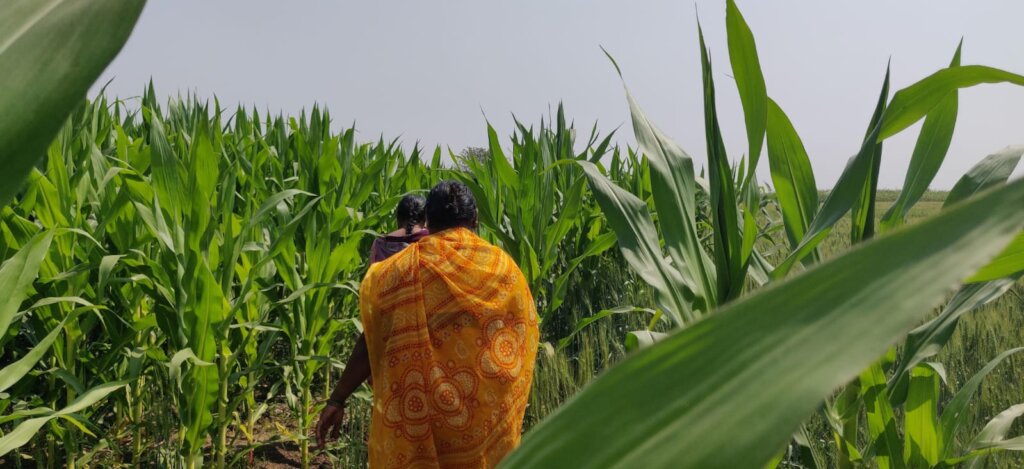
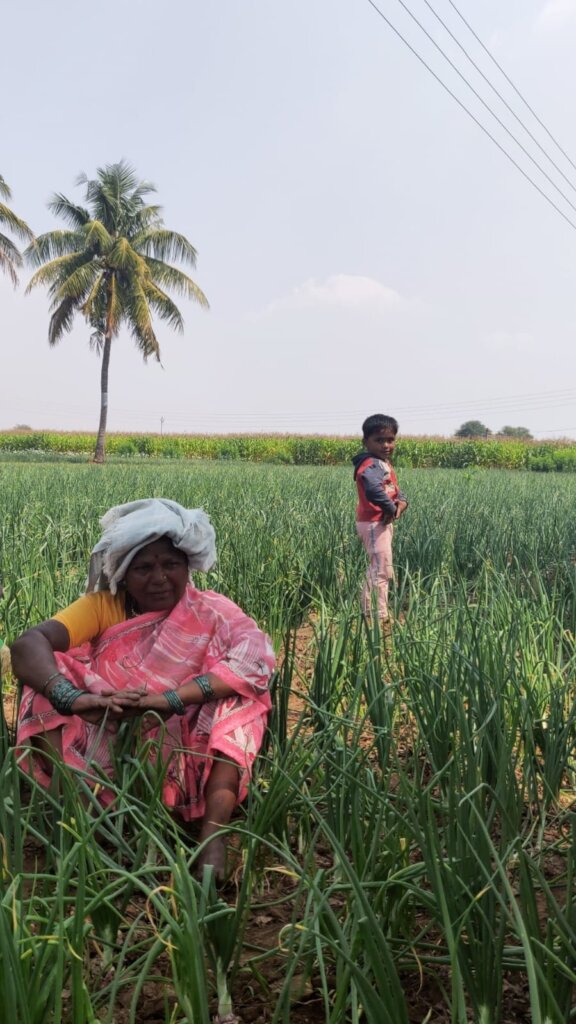
During the reporting quarter, the project reached 3,159 farmers across the intervention areas. A total of 232 samples — including soil, water, petiole, and fertilizer samples — were collected and analysed to assess soil health, identify nutrient deficiencies, and provide crop-specific scientific recommendations. These interventions supported farmers in improving productivity, reducing input costs, and adopting more sustainable agricultural practices.
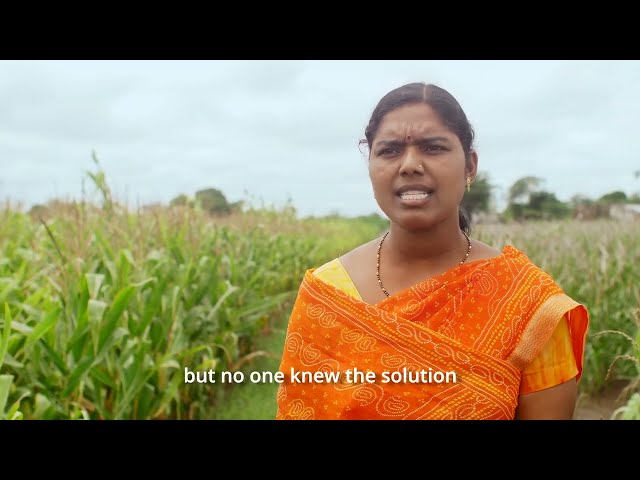
Livestock Health Impact – Rani
Rani depends largely on livestock rearing for her family’s livelihood. Her HF cow suddenly became critically ill — unable to stand for six days, refusing food, suffering from high fever, continuous panting, and indigestion that stopped rumination completely.
In this difficult situation, she sought support from the cattle blood testing unit. After a blood test was conducted, the disease was accurately diagnosed, enabling timely and appropriate treatment. The cow gradually recovered and resumed milk production, restoring the family’s source of income.
This case highlights the importance of timely diagnosis and veterinary support in preventing livestock losses and strengthening the economic resilience of rural farming families.
Biogas Impact – Shashikala
Shashikala's family relies on agriculture for their livelihood. Earlier, she depended on firewood for cooking, which required significant time and exposed her to harmful smoke.
The installation of a biogas unit transformed her daily life. By using approximately 40 kg of cattle dung and 40 liters of water each day, she now produces enough clean fuel to cook two meals daily for her family. In addition, the unit generates 12–14 liters of bio-slurry every day, which she applies as organic fertilizer on her farm.
The use of bio-slurry has improved crop quality, increased yields, and reduced farming expenses. Access to clean energy and organic fertilizer has created a healthier, more sustainable, and economically secure environment for her family.
Biogas Impact – Ragini
Ragini previously relied on firewood and LPG cylinders for cooking. Collecting firewood demanded considerable time and labour, while smoke exposure negatively affected her health.
With the installation of a biogas unit, her family now produces clean cooking fuel daily using cattle dung and water. The biogas supports the preparation of two meals a day, reducing household expenses and dependence on traditional fuels.
The unit also provides 12–14 liters of bio-slurry daily, which she uses as organic fertilizer to improve soil fertility and crop growth while reducing the cost of chemical fertilizers. Today, Ragini is saving time, money, and labour while leading a more self-reliant and sustainable life.
Links:
Project reports on GlobalGiving are posted directly to globalgiving.org by Project Leaders as they are completed, generally every 3-4 months. To protect the integrity of these documents, GlobalGiving does not alter them; therefore you may find some language or formatting issues.
If you donate to this project or have donated to this project, you can receive an email when this project posts a report. You can also subscribe for reports without donating.



Support this important cause by creating a personalized fundraising page.
Start a Fundraiser